

Broadcasting
10 Innovative Nigerian Startups to Secure N10m Seed Investment on TAP Show

U.S-based Digital Marketing Agency, AIS Media, on Tuesday announces the premiere season of The Amazon Project (TAP) – a 13-week television production aimed at selecting and investing in the brightest entrepreneurs and business ideas in Nigeria.
The program will air on terrestrial and satellite television channels towards the end of the first quarter of 2017.
The Amazon Project (TAP) will provide up to NGN10 million in seed capital and business incubation support to 10 participants who can demonstrate their superior abilities as entrepreneurs, to an expert panel of carefully selected judges and, ultimately, the viewing audience.
TAP judges are Foluso Phillips (Chairman of Phillips Consulting), Funke Bucknor (CEO of Zappahire Events), Anne Agbakoba (Founder Numeris Media Group),and Wole Faroun (CEO NetPlusDotCom). There will also be Guest Judges throughout the season.
Wole Faroun, CEO of the Project said: “Doing business in Nigeria in a recession is a like wading through the famous Amazon rainforest where only the toughest and smartest survive. This project will reward entrepreneurs that can prove they have what it takes to make it in Nigeria by applying innovation and smart economics to meeting needs and solving complex business problems.”
Segun Lawal, creative anchor and lead producer of TAP said: “The Amazon Project is entrepretainment at its very best. In this intense, reality TV show, business meets entertainment in a manner tailored to the Nigerian environment, and geared at promoting local industry and innovation.”
TAP is sponsored and supported by a leading telecommunications firm and a foremost commercial bank. Both institutions are ideal partners for this project, having demonstrated a strong commitment to supporting entrepreneurs and small businesses over the years.
The show will be produced by Ultima Studios, and the episodes will be recorded at their multimillion-dollar studio complex in Lagos.
To ensure integrity of the contestants’ selection process, both shortlisting and voting will be overseen by a leading entrepreneurship and capacity building organization, in collaboration with a major consulting firm in Nigeria.


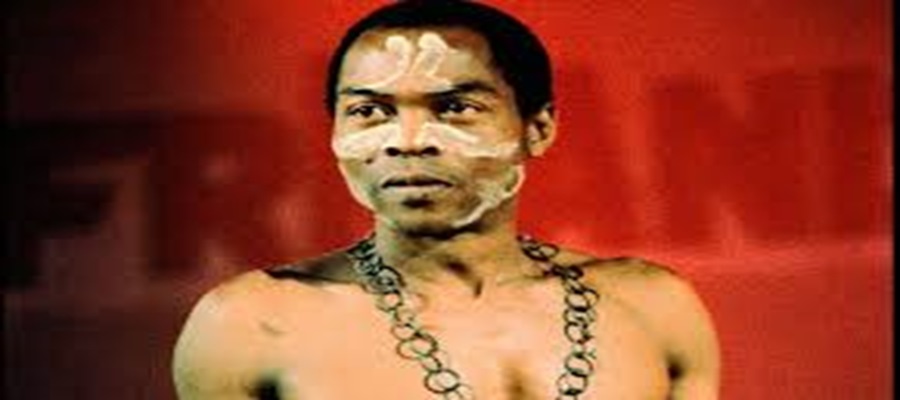
Fela Anikulapo-Kuti, simply known as Fela, legendary Nigerian musician, has made history as the first African artist to be inducted into the Rock & Roll Hall of Fame.

Fela
This is coming after he was posthumously honored with the 2026 Grammy Lifetime Achievement Award, becoming the first African artist to receive this prestigious special merit recognition.
Fela will be honoured in the early influence category this year, along with Queen Latifah, rapper MC Lyte, country rocker Gram Parsons, and Cuban singer Celia Cruz at this year’s Rock and Roll Hall of Fame event.
The honorees were revealed on Monday night in the US, during an airing of American Idol.
Sade Adu, Nigerian-born British singer, will be honoured in the performance category.
However, Shakira, Mariah Carey, Lauryn Hill, New Edition, and Pink, missed out on the final cut despite being nominated.
Over 1,200 artists, historians and music industry professionals voted to decide the honorees.
The induction ceremony will be held on 14 November at the Peacock Theatre in Los Angeles.

National Broadcasting Commission (NBC) is set to launch so-called FreeTV, with over 100 channels for news, sports, education, entertainment and children’s programming in multiple Nigerian languages.

The launch is scheduled for May 15.
Charles Ebuebu, director-general, NBC, who disclosed this, said the new platform will offer free-to-air access with no carriage fees, leveraging hybrid satellite and internet delivery via NigComSat-1R.
The new plan is not an upgrade, the NBC stressed. This is a rebuild, according to Ebuebu .
FreeTV will be true free-to-air – no encryption, no set-top box barrier.
Any DVB-T2/S2 television will work. A mobile app will extend reach to phones and tablets.
The platform will launch with over 100 national, regional and state channels across sports, news, children’s programming, education, entertainment and cultural content in Hausa, Yoruba, Igbo, Tiv, Ijaw, Edo, Fulfulde, Ibibio, Efik and Nupe – all in HD.
Crucially, the NBC has partnered with a Bulgarian firm, GARB (operating since 2006 and recognised by the European Broadcast Union), to deliver a 94 per cent-accurate audience measurement system using return-path data, app analytics, demographic panels, and Artificial Intelligence (AI).
To qualify broadcasters, must commit their channels, produce a minimum of 60 per cent local content, and promote FreeTV until January 2029.
After that, a regulated tiered rate card takes effect.
According to NBC, the strategic rationale is simple: build viewers first, monetise later.
The document further revealed that six regional production hubs in Lagos, Abuja, Port Harcourt, Enugu, Kano and Benin would function as local content factories, expected to generate 500 to 1,000 jobs per zone within two years.

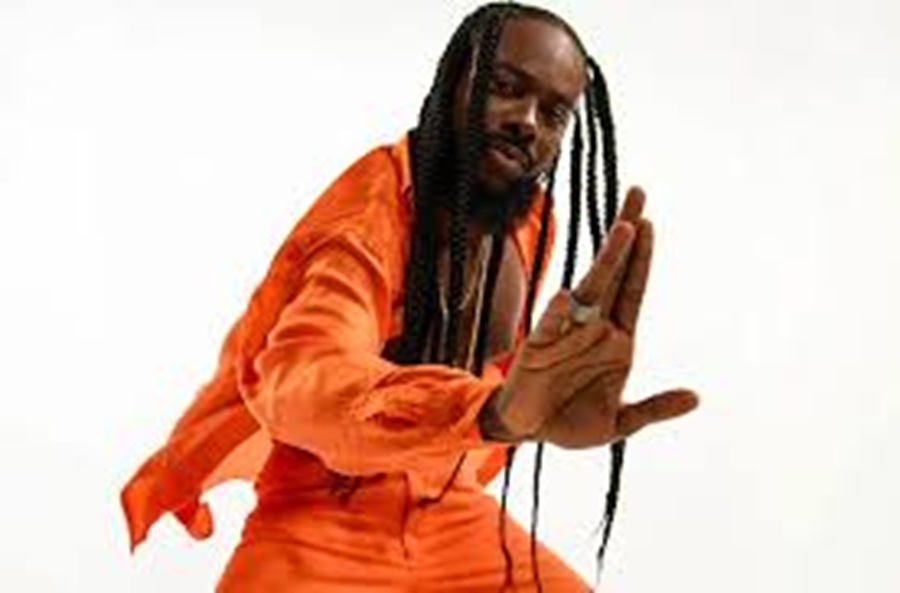
Popular Nigerian artist Adekunle Gold has lent his support to the growing youth-driven movement behind The Gathering on 100, further amplifying conversations around what is fast becoming one of the most talked-about upcoming experiences among young Nigerians.

Adekunle Gold
Known for his music and his strong connection with youth culture and evolving creative expression, Adekunle Gold’s involvement signals a deeper alignment between the event and the kind of audience it is attracting, a generation that is bold, expressive, and constantly redefining what community looks like.
While details of his involvement remain understated, his visible support adds a new layer of support and cultural relevance to the movement. In a landscape where attention is currency, endorsements from artists of his stature often act as a signal, drawing more eyes, more curiosity, and ultimately, more participation, but beyond visibility, the significance lies in what it represents.
The new father has, over the years, built a reputation for embracing creativity in its many forms, from music to visual storytelling, fashion, and digital engagement. His brand has consistently resonated with young Nigerians navigating similar spaces of self-expression and identity.
From interactive experiences like live music sessions and open performance moments to fashion runways and content creation spaces, the event is designed to blur the lines between audience and participant. It invites attendees to move beyond observation and become part of the moment.
This is a concept that closely mirrors the kind of cultural shift Adekunle Gold has been part of, one where boundaries between creator and consumer continue to dissolve.
His support also reflects a broader trend within Nigeria’s entertainment industry, where artists are increasingly engaging with youth-led initiatives that go beyond traditional performances. Rather than simply appearing on stage, they are aligning with movements that foster community, creativity, and shared experience.
For fans and attendees, this adds another dimension to what The Gathering on 100 represents.
As registrations increase and conversations expand across social platforms, the movement is gradually taking shape through the collective interest of those drawn to it.
Head to gathering.com to register.

Lagos Targets Vulnerable Residents in Expanded Social Register

CBN Proposes 30-Member Mediation Panel for Loan Disputes

CAC Urges Users to Secure Accounts after Cyberattack Scare

NCDC Predicts Cholera Outbreak in 10 States as Heavy Rains Loom

NDIC Seeks Court Nods to Liquidate 89 Failed Banks

Kuda MFB Increases Kuda for Her Business Grants to ₦10 Million

Canal+ to Cut Jobs as Part Sweeping Restructuring

Nigeria tops global rankings for USDT, USDC ownership

NBC Boss Urges Content Ceators to Participate in DSO

NITDA Takes Over National Digital Architecture System




 E-Financial2 days ago
Fidelity Surges Ahead in Recapitalisation Drive with ₦564bn Capital

 General News1 day ago
Guinness Nigeria Surpasses ₦1Trillion Market Capitalisation, Signalling Strong Investor Confidence and Sustained Value Creation

 Telecom2 days ago
Qualcomm Unveils Startup Selection for Qualcomm Make in Africa 2026

 Telecom2 days ago
AfDB Grants Project BRIDGE $200m Facility for Nationwide Internet Access

 E-Financial2 days ago
Digital “Pickpockets” Compromise Over a Million Banking Accounts – Kaspersky

 Telecom2 days ago
Nigeria Seeks Stronger Digital Sovereignty, National Software Infrastructure

 E-Financial2 days ago
EFCC Warns Banks against Loans without Credible Collateral

 E-Business2 days ago
Nigeria Needs Some 480,000 Local DPOs for Data Protection