

Broadcasting
Konga Rated Cheapest, Most Reliable Source of Computers for Leading Brands

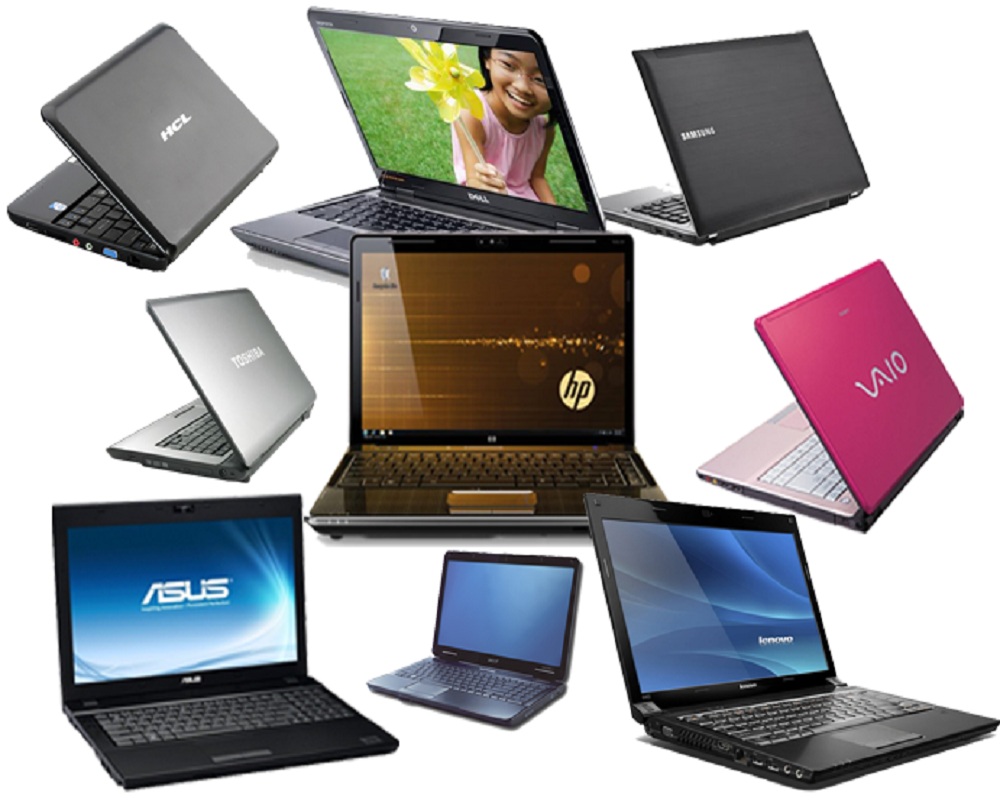
Konga, Nigeria’s foremost e-commerce giant, has been identified as the leading source for the most reliable and best-priced genuine PCs and laptops from top global brands in Nigeria, Africa’s biggest computing market.

The submission came from African PostgraduateStudents’ Research Group (APSRG),a research collective which numbers budding scholars of African origin among its membership.
The study, which threw more light on the ongoing global scarcity of chips and components because of a backlog of unfulfilled orders owing to supply chain disruptions occasioned by the COVID-19 pandemic, also provided some useful insights into the current status of PC shipment by leading computing brands around the world.
Interestingly, the research further embarked on a deep dive into the consumption of computing products in major markets such as Europe, Middle East and Africa (EMEA), as well as the Asian market.
In Africa and specifically in Nigeria, the APSRG study revealed how the COVID-19 pandemic sparked a change in the lifestyle of users in Nigeria.
Notably, it indicated a growing awareness and a remarkable rise in the use and reliance on tech gadgets and other digital devices as the pandemic and its attendant lockdown forced a closure of businesses, thereby leaving millions in Africa’s biggest market embracing a new normal of virtual work and learning.
‘‘The COVID-19 lockdown which came into force in most countries around the world after the World Health Organization (WHO) declared the spread of the coronavirus disease a pandemic on March 11, 2020, ushered in a remarkable lifestyle change in Nigeria.
‘‘With most of the populace forced to stay at home, PC purchase and usage grew astronomically in Nigeria as many turned to virtual work and learning to beat the restrictions imposed by the pandemic,’’ the study revealed.
In addition, the research indicated that the spiraling exchange rate dealt a big blow to many Nigerian consumers.
It noted that whereas PC shipment and purchasing power among Nigerians was appreciably high when the exchange rate hovered between the N300 and N400+ range, the same can no longer be said with the current scenario, with the dollar exchanging at nearly N600.
Significantly, the study equally highlighted the impact of the prohibitive cost of PCs and laptops on the purchasing power and shopping preferences of most Nigerians, with the majority falling between the low and medium range.
Statistics made available by APSRG showed that of every 100 units of PC laptop shipped to Nigeria, 81.3% are sold in excellent conditions and without returns. Out of this number, a massive 57 % are low end devices, 3.9% are high end and the remaining 20.4% medium.
APSRG revealed that almost the same ratio replicated across all shopping platforms in Nigeria were impacted by the unfavourable exchange rate, with e-Commerce giant, Konga leading by a large distance as the platform with the most competitive pricing for genuine devices across all three consumer categories.
Konga led other retailers in PC and laptop supply, reliability, and pricing. In addition, the research disclosed that for smartphones, Konga came second in pricing/availability and number seven for feature phones.
Further, the research singled out Konga for recording no case of used or refurbished computers, with APSRG attributing this to the brand’s status as the only e-Commerce firm in Africa with direct relationship with major Original Equipment Manufacturers (OEMs) and quality after sales support anchored on a longstanding contract with TD Plus Ltd., a leading tech products aftersales support companywhich has equally been credited with working with other global OEMs such as Samsung, Nokia, HP, Lenovo and Dell, among others.
In the area of global shipments, APSRG identified Lenovo, a Chinese-headquartered multinational OEM which held an impressive margin as the global leader, outpacing HP on supply by 35.6% for the same period. Dell, ASUS, Apple and Acer followed suit in that order in the area of worldwide shipments, recording significant mentions.
Further, it indicated that all global OEMs faced chips and component challenges but noted that Lenovo outdid the rest of the field in supply, availabilityand pricing.
The eye-opening research goes a long way in reinforcing a recent submission by Nigeria’s Minister of Communications and Digital Economy, Dr. Isa Ali Pantami, who had asserted that tech is the country’s fastest growing sector in view of the number of tech startups being launched and the growing contribution to the nation’s GDP.


Stakeholders in Nigeria’s broadcasting industry have endorsed a hybrid digital broadcasting model that combines Digital Terrestrial Television (DTT), Direct-to-Home (DTH) satellite services, and digital application-based platforms for the country’s Digital Switch Over (DSO) programme,

The resolution was reached at a high-level stakeholder meeting convened by the National Broadcasting Commission (NBC) under the supervision of the Federal Ministry of Information and National Orientation at NICON Luxury Hotel, Abuja.
The meeting, chaired by Alhaji Mohammed Idris, minister of Information and National Orientation, brought together regulators, broadcasters, signal distributors, set-top box manufacturers, content producers, satellite operators, and industry associations to chart a sustainable path for Nigeria’s long-delayed digital migration project.
Addressing stakeholders during the closed-door engagement session, the minister described the meeting as a collaborative effort aimed at finding practical solutions to challenges facing the DSO project.
“This engagement is a family discussion aimed at finding practical solutions to ensure the success of the Digital Switch Over project. Government has no hidden agenda, and all decisions will be guided by national interest, stakeholder inclusion, and the long-term sustainability of the broadcasting industry,” he said.
The minister acknowledged concerns raised by industry players regarding stakeholder consultation and participation in previous phases of the project, noting that while broader engagement should ideally have commenced earlier, there remained an opportunity to build consensus and move forward together.
“While there may be differing views on implementation approaches, there is broad agreement that Nigeria must complete its digital migration journey. We must work collectively to achieve this national objective,” he stated.
Mr Charles Ebuebu, director general, NBC, described the stakeholder meeting as “iconic”, noting that it marked a turning point in Nigeria’s efforts to complete the digital migration.
He said the country had spent over a decade on the DSO journey, missing several deadlines, but expressed optimism that a clear implementation plan was now being developed.
Ebuebu said the commission, in collaboration with stakeholders, is working toward a sustainable model that ensures return on investment for industry players while delivering value to the nation.
He said that the outcome of the consultation process would produce a unified framework for implementation and communication going forward.
Mrs Jane Nkechi Egerton-Idehen, managing director, Nigerian Communications Satellite (NIGCOMSAT), said the DSO initiative forms part of broader federal interventions aimed at building a sustainable broadcasting ecosystem.
She explained that government investments had supported satellite coverage, national call centres, and regional production studios across the country.
According to her, the objective is to address gaps in content distribution and ensure that Nigerian broadcasting reflects the country’s linguistic and cultural diversity.
“We are not departing from the original plan. We are innovating on how it is implemented,” she said.
She also highlighted efforts to expand access to production facilities across geopolitical zones to support content creators and reduce dependence on major urban centres.
The meeting attracted 128 participants, including the Director-General of the NBC; Permanent Secretary of the Federal Ministry of Information and National Orientation, Dr. BRM Ukire; Director-General of the Nigerian Television Authority (NTA), Abdulhamid Dambos; Director-General of the Advertising Regulatory Council of Nigeria (ARCON), Dr Olalekan Fadolapo; Chairman of the Broadcasting Organisations of Nigeria (BON), Chief Tony Akiotu; Managing Director of NIGCOMSAT Ltd, Mrs Jane Nkechi Egerton-Idehen; and representatives of licensed broadcasters and other industry stakeholders.
During deliberations, stakeholders agreed that the DSO project remains both necessary and desirable for Nigeria, emphasising that the transition should prioritise national interest, industry sustainability, local content development, local manufacturing, and job creation.
Among the key resolutions reached was the affirmation that Digital Terrestrial Television (DTT) remains a critical component of the DSO framework and should not be discontinued. Participants also agreed on the need to reconstitute the DigiTeam implementation platform to provide a structured mechanism for consultation, collaboration, and industry participation.
Stakeholders further called for stronger engagement between regulators and industry players, with an agreement that stakeholder meetings would be held at least quarterly to ensure continuous alignment on implementation strategies.
The meeting also welcomed ongoing efforts by the NBC and ARCON to develop a sustainable business model aimed at improving audience measurement systems, strengthening advertising revenue generation, and enhancing the long-term viability of broadcasting organisations.
In addition, stakeholders were assured by NIGCOMSAT of the reliability of satellite infrastructure supporting the DSO platform.
The company disclosed that backup arrangements with alternative satellite operators were already in place to guarantee uninterrupted service and eliminate the need for subscriber dish realignment.
As part of the agreed next steps, the Federal Government, through the Ministry of Information and National Orientation, will reconstitute the DigiTeam stakeholder platform, while the NBC will continue consultations with set-top box manufacturers and other industry stakeholders to address concerns relating to existing investments and future participation in the digital broadcasting ecosystem.
The stakeholders expressed confidence that the renewed collaborative approach would accelerate Nigeria’s digital migration, improve broadcasting services, expand audience reach, attract investment, create jobs, and deliver greater value to Nigerian consumers.

MTN Group has begun rolling out MTN One TV, a new entertainment proposition designed to make digital video content more accessible, relevant, and flexible for customers across African markets.

Introduced in line with MTN’s Ambition 2030 strategy, MTN One TV brings together local storytelling, live channels, international programming, and market-specific viewing options tailored to how customers across the continent access and pay for digital entertainment.
The proposition is designed to give customers greater choice in how they watch content, with viewing models that may vary by market and can include free-to-view content, advertising-funded experiences, pay-as-you-watch access, and subscription offerings.
Depending on local availability, customers may also be able to pay through airtime, Mobile Money, and other locally supported payment methods, helping to reduce common barriers to streaming access.
Beyond enhancing customer experiences, MTN One TV creates new opportunities for African creators, broadcasters, advertisers, and ecosystem partners by helping connect content to wider audiences through MTN’s scale across connectivity, payments, and digital services.
By bringing together a broad mix of content experiences under a single proposition, MTN aims to support greater content discovery, broader audience reach, and sustainable growth across Africa’s digital entertainment ecosystem.
Anchored in MTN’s strategic platforms of Connectivity, Fintech, and Digital Infrastructure, MTN One TV forms part of the Group’s broader ambition to build digital experiences that create value for customers while enabling participation and growth across Africa’s digital economy.
“Entertainment is increasingly becoming an important gateway to digital participation,” said Selorm Adadevoh, MTN group chief commercial, strategy and transformation officer.
“Through MTN One TV, we are leveraging the scale of our connectivity, fintech, and digital capabilities to make relevant content more accessible while creating new opportunities for Africa’s creative and digital economies. This is aligned with our ambition to deliver digital solutions for Africa’s progress.”
MTN One TV is being introduced progressively across MTN markets through a phased rollout approach that reflects local market needs, existing services, and partnership opportunities.
Over time, MTN will bring together a combination of video capabilities, content partnerships, and customer experiences under the MTN One TV brand to create a more consistent and scalable entertainment proposition across its footprint.
Through MTN One TV, MTN continues to extend its role beyond connectivity by combining entertainment, payments, and digital services to deliver experiences tailored to the needs of African consumers.
The rollout supports MTN’s Ambition 2030 vision of leading digital solutions for Africa’s progress while expanding access to digital entertainment across the continent.
International Air Transport Association (IATA) has identified Nigeria as one of the most expensive countries in the world for airline operations, citing high taxes, charges and operational costs that continue to weigh heavily on local carriers.

IATA’s Regional Vice President for Africa and the Middle East, Kamil Al-Awadhi, disclosed this during the association’s Annual General Meeting held in Rio de Janeiro.
Al-Awadhi said that although Nigeria’s Minister of Aviation and Aerospace Development, Festus Keyamo, had been pursuing reforms aimed at improving the aviation sector, airlines operating in the country still faced enormous cost pressures.
According to him, the high-cost operating environment has continued to affect the profitability and competitiveness of Nigerian airlines, making it difficult for the industry to realise its full potential.
He noted that excessive taxes, regulatory charges and other operating expenses remained major obstacles to airline growth across the region, with Nigeria ranking among the most challenging markets from a cost perspective.
Al-Awadhi urged member states of the Economic Community of West African States to adopt a proposed 25 per cent reduction in aviation taxes and charges to ease the burden on airlines and passengers.
According to him, lowering taxes and charges would reduce airfares, stimulate passenger traffic and strengthen the competitiveness of carriers operating within West Africa.
He stressed that a more supportive policy environment was critical to unlocking the economic benefits of aviation, including increased trade, tourism and regional integration.
Industry stakeholders have consistently advocated lower taxes and regulatory fees, arguing that the current cost structure makes air travel less affordable and limits the growth of the sector.
IATA’s latest remarks add to calls for governments in West Africa to implement policies that will promote a more sustainable and competitive aviation industry across the region.

NCC Begins Review Telecom Termination Rates after 8 Years

Stakeholders Endorse Hybrid Model for Nigeria’s Digital Switch

UK Appoints Peter Vowles as British High Commissioner to Nigeria

The Case for a Holistic AI-Led Approach to Cybersecurity in the Fintech Ecosystem

Airtel Africa Foundation Completes Year One Scholarship Disbursement for 100 Tech Scholars in Nigeria

CBN Extends PoS Geo-Fencing Enforcement Deadline to August 2026

NCC Drafts New Rules for Virtual Mobile Operators

TD Africa, HPE Drive Conversations on the Future of Intelligent Networking

London Strengthens Global Investment Ties with Africa @ First Ever London-Africa Business Summit

Easybuy Partners WAWUAfrica to Upskill 10 Million Youths and Women, Boosting Nigeria’s Economic and Financial Inclusion




 E-Business2 days ago
AI-Powered Cyber Threats Put Nigerian Banks on Alert

 E-Business2 days ago
CSOs Raise Alarm over Nigeria’s Data Protection Crisis

 General News2 days ago
₦5m up for Grabs as 10 Startups Clash at the Gathering on 100 Pitchathon Aba

 E-Financial2 days ago
CBN to Expand eNaira for Salaries, Pensions and Welfare Payments

 General News2 days ago
CBN Moves to Stop Banks From Using Customers’ Money for Fintech Subsidiaries

 E-Financial2 days ago
CBN to Bar HoldCos from Influencing Banks’ Lending Decisions

 Telecom2 days ago
NITDA Reveals Why AI Could Be Nigeria’s Biggest Wealth Creator, Not Oil

 Telecom2 days ago
NASENI Unveils Ambitious Plan to Produce 600 Million Diagnostic Kits Annually