

E-Business
Allianz Risk Barometer 2022: Cyber Perils Outrank Covid-19 and Broken Supply Chains as Top Nigerian Business Risk

Cyber perils are the biggest concern for companies in Nigeria, Africa and Middle East, South Africa and worldwide in 2022, according to the Allianz Risk Barometer.

The threat of ransomware attacks, data breaches or major IT outages worries companies even more than business and supply chain disruption, natural disasters or the Covid-19 pandemic, all of which have heavily affected firms in the past year.
Globally, cyber incidents tops the Allianz Risk Barometer for only the second time in the survey’s history (44% of responses), Business interruption drops to a close second (42%) and Natural catastrophes ranks third (25%), up from sixth in 2021.
Climate change climbs to its highest-ever ranking of sixth (17%, up from ninth), while Pandemic outbreak drops to fourth (22%).
The annual survey from Allianz Global Corporate & Specialty (AGCS) incorporates the views of 2,650 experts in 89 countries and territories, including CEOs, risk managers, brokers and insurance experts. View the full global and country risk rankings.
“’Business interrupted’ will likely remain the key underlying risk theme in 2022,” Joachim Mueller, AGCS CEO summarized.
“For most companies the biggest fear is not being able to produce their products or deliver their services. 2021 saw unprecedented levels of disruption, caused by various triggers.
Crippling cyber-attacks, the supply chain impact from many climate change-related weather events, as well as pandemic-related manufacturing problems and transport bottlenecks wreaked havoc.
This year only promises a gradual easing of the situation, although further Covid-19-related problems cannot be ruled out.
Building resilience against the many causes of business interruption is increasingly becoming a competitive advantage for companies.”
Violence, changes in legislation and regulation rising concerns in Nigeria
Political risks and violence and changes in legislation and regulation are rising concerns for businesses in Nigeria. Political risks and violence moved from fifth to second following #EndSars in 2020. Changes in legislation and regulation moves up four places to fourth in the country.
“Fortunately, large scale terrorism events have declined drastically in the last five years. However, the number, scale and duration of riots and protests in the last two years is staggering and we have seen businesses suffering significant losses,” said Bjoern Reusswig, Head of Global Political Violence and Hostile Environment Solutions at AGCS.
“Civil unrest has soared, driven by protests on issues ranging from economic hardship to police brutality which have affected citizens around the world. And the impact of the Covid-19 pandemic is making things worse – with little sign of an end to the economic downturn in sight, the number of protests is likely to continue climbing.”
“Preparation is key – in particular for exposed sectors such as retail,” explained Thusang Mahlangu AGCS Africa CEO. “Businesses need to review their business continuity plans (BCP) and should be aware of what is happening around them. Typically, these only focus on national catastrophes, but there is a need for BCP plans to address political disturbances and other types of business disruption like cyber. Having defined, and preferably tested, procedures in place is crucial – these should include staff, client and general communication and social media plans. It is imperative for companies to think deeply about how they can best protect their assets and people.”
Ransomware drives cyber concerns while awareness of BI vulnerabilities grows
Cyber incidents ranks as a top three peril in most countries and regions surveyed including Nigeria, South Africa as well as Africa and Middle East.
The main driver is the recent surge in ransomware attacks, which are confirmed as the top cyber threat for the year ahead by survey respondents (57%).
Recent attacks have shown worrying trends such as ‘double extortion’ tactics combining the encryption of systems with data breaches; exploiting software vulnerabilities which potentially affect thousands of companies (for example, Log4J, Kaseya) or targeting physical critical infrastructure (the Colonial pipeline in the US).
Cyber security also ranks as companies’ major environmental, social and governance (ESG) concern with respondents acknowledging the need to build resilience and plan for future outages or face the growing consequences from regulators, investors and other stakeholders.
“Ransomware has become a big business for cyber criminals, who are refining their tactics, lowering the barriers to entry for as little as a $40 subscription and little technological knowledge. The commercialization of cyber crime makes it easier to exploit vulnerabilities on a massive scale. We will see more attacks against technology supply chains and critical infrastructure,” explains Scott Sayce, Global Head of Cyber at AGCS.
Business interruption (BI) ranks as the second most concerning risk globally and in Africa and Middle East and South Africa but moves down two places to sixth in Nigeria.
However, it ranked first in Ghana, Kenya, Morocco and Namibia.
In a year marked by widespread disruption, the extent of vulnerabilities in modern supply chains and production networks is more obvious than ever.
According to the survey, the most feared cause of BI is cyber incidents, reflecting the rise in ransomware attacks but also the impact of companies’ growing reliance on digitalization and the shift to remote working. Natural catastrophes and pandemic are the two other important triggers for BI in the view of respondents.
In the past year post-lockdown surges in demand have combined with disruption to production and logistics, as Covid-19 outbreaks in Asia closed factories and caused record congestion levels in container shipping ports.
Pandemic-related delays compounded other supply chain issues, such as the Suez Canal blockage or the global shortage of semiconductors after plant closures in Taiwan, Japan and Texas from weather events and fires.
“The pandemic has exposed the extent of interconnectivity in modern supply chains and how multiple unrelated events can come together to create widespread disruption. For the first time the resilience of supply chains has been tested to breaking point on a global scale,” said Philip Beblo, Property Industry Lead, Technology, Media and Telecoms, at AGCS.
According to the recent Euler Hermes Global Trade Report, the Covid-19 pandemic will likely drive high levels of supply chain disruption into the second half of 2022, although mismatches in global demand and supply and container shipping capacity are eventually predicted to ease, assuming no further unexpected developments.
Awareness of BI risks is becoming an important strategic issue across entire companies.
“There is a growing willingness among top management to bring more transparency to supply chains with organizations investing in tools and working with data to better understand the risks and create inventories, redundancies and contingency plans for business continuity,” said Maarten van der Zwaag, Global Head of Property Risk Consulting at AGCS
Pandemic preparations improve. Next up – making businesses more weatherproof
Pandemic outbreak remains a major concern for companies but drops from second to fourth position globally and from first to ninth in Nigeria (although the survey predated the emergence of the Omicron variant).
However, the risk moved up from fourth to third in Ghana, which shows that companies are still concerned about the peril. While the Covid-19 crisis continues to overshadow the economic outlook in many industries, encouragingly, businesses do feel they have adapted well.
The majority of respondents (80%) think they are adequately or well-prepared for a future incident.
Improving business continuity management is the main action companies are taking to make them more resilient.
The rise of Natural catastrophes and Climate change to third and sixth position globally respectively is telling, with both upwards trends closely related.
Recent years have shown the frequency and severity of weather events are increasing due to global warming. For 2021, global insured catastrophe losses were well in excess of $100bn – the fourth highest year on record.
Hurricane Ida in the US may have been the costliest event, but more than half of the losses came from so-called secondary perils such as floods, heavy rain, thunderstorms, tornados and even winter freezes, which can often be local but increasingly costly events. Examples included Winter Storm Uri in Texas, the low-pressure weather system Bernd, which triggered catastrophic flooding in Germany and Benelux countries, the heavy flooding in Zhengzhou, China, and heatwaves and bushfires in Canada and California.
Allianz Risk Barometer respondents are most concerned about climate-change related weather events causing damage to corporate property (57%), followed by BI and supply chain impact (41%).
However, they are also worried about managing the transition of their businesses to a low-carbon economy (36%), fulfilling complex regulation and reporting requirements and avoiding potential litigation risks for not adequately taking action to address climate change (34%).
“The pressure on businesses to act on climate change has increased noticeably over the past year, with a growing focus on net-zero contributions,” observed Line Hestvik, Chief Sustainability Officer at Allianz SE.
“There is a clear trend for companies towards reducing greenhouse gas emissions in operations or exploring business opportunities for climate-friendly technologies and sustainable products. In the coming years, many corporate decision-makers will be looking even more closely at the impact of climate risks in their value chain and taking appropriate precautions. Many companies are building up dedicated competencies around climate risk mitigation, bringing together both risk management and sustainability experts.”
Businesses also have to become more weatherproof against extreme events such as hurricanes or flooding.
“Previous once-in-a-century-events may well occur more frequently in future and also in regions which were considered ‘safe’ in the past. Both buildings and business continuity planning need to become more robust in response,” said van der Zwaag.
Other risers and fallers in this year’s Allianz Risk Barometer:
Shortage of skilled workforce (13%) is a new entry in the top 10 risks at number nine. Attracting and retaining workers has rarely been more challenging. Respondents rank this as a top five risk in the engineering, construction, real estate, public service and healthcare sectors, and as the top risk for transportation.
Changes in legislation and regulation remains fifth (19%) globally but moves up four places to fourth in Nigeria. Prominent regulatory initiatives on companies’ radars in 2022 include anti-competitive practices targeting big tech, as well as sustainability initiatives with the EU taxonomy scheme.
Fire and explosion (17%) is a perennial risk for companies, ranking seventh as in last year’s survey. Market developments (15%) falls from fourth to eighth year-on-year but moves up six places to fourth in Nigeria. Macroeconomic developments (11%) falls from eighth to 10th globally but remains unchanged at number three in Nigeria.



Nigeria needs some 480,000 data protection officers (DPOs), to develop, implement, and oversee organizations’ data privacy strategy to ensure compliance with laws like the GDPR and the Nigeria Data Protection Act (NDPA).

Currently only about 10,000 individuals possess the necessary certification highlighting a major skills gap, according Vincent Olatunji, national commissioner, Nigeria Data Protection Commission (NDPC).
Olatunji spoke on Monday at the second edition of its Data Protection Officers training and certification programme in Abuja and Lagos.
He said that the NDPC has domesticated the certification of data protection officers (DPOs) to address the widening gap in certified DPOs, despite steady growth in the number of trained professionals over the past three years.
“At the moment, we have about 10,000 certified DPOs to work in that space. The gap of about 480,000 still exists,” he said.
The shortfall reflects rising demand for data privacy skills as more businesses, government agencies and digital platforms process personal data under the Nigeria Data Protection Act.
Olatunji said the number of certified DPOs has grown from fewer than 1,000 three years ago to over 10,000, while more than 27,000 professionals now operate within Nigeria’s wider data protection ecosystem.
He said the commission is scaling up training and certification efforts to close the gap and position Nigeria as a leading source of data protection talent in Africa.
“Our goal is to make Nigeria the go-to country when it comes to sourcing qualified data protection officers in Africa,” he said, adding that the certification meets global standards.
The NDPC said expanding the talent pool could also support job creation and strengthen trust in Nigeria’s digital economy.
Tolu Fadipe, head of research and development at the commission, said data protection is becoming critical as the country moves deeper into digital systems and emerging technologies.
“As we move towards a digital economy, data becomes central and protecting that data is essential,” she said.
Adeola Sopade, lead trainer, said participants in the programme would be trained on global best practices, including data protection principles, compliance requirements and handling user data requests.
The training also includes practical exposure and internships with organisations to improve job readiness.
Participants said the programme offers opportunities for young Nigerians to build careers in technology and prepare for emerging fields such as artificial intelligence.

Federal government has inaugurated the Electronic Pharmacy Regulation Platform (E-Pharmacy) to enhance the safety of online healthcare services.

Pic credit….healthreporters.info
The platform, championed by the Pharmacy Council of Nigeria (PCN), is designed to regulate digital pharmaceutical services and improve public health outcomes.
Inaugurating the platform, Prof. Ali Pate, coordinating minister of Health and Social Welfare, said the initiative signified Nigeria’s commitment to building a world-class regulatory environment.
Pate noted that pharmacy regulation had faced significant challenges for over three decades but expressed optimism that the new platform would strengthen oversight and accountability.
He said the initiative would enable evidence-based monitoring of pharmaceutical practices while supporting innovation and investment in the health sector.
“This launch is a testament to our collective commitment to advancing technology in the service of health, safety and human dignity.
“It is a decisive step to ensure that pharmaceutical practice in Nigeria aligns with national and global health priorities, reflecting the realities of the 21st century.
“It enables the country to adopt evidence-based approaches to monitoring and protecting public health while supporting innovation and investment,” he said.
The minister added that the platform would help establish a safe, accessible and well-regulated national e-pharmacy ecosystem driven by digital technology.
Earlier, Alhaji Ibrahim Ahmed, registrar/chief executive officer of PCN, said the need to regulate online pharmacy operations became more urgent during the COVID-19 pandemic.
Ahmed said the pandemic accelerated the adoption of digital tools and e-commerce in healthcare, exposing longstanding inefficiencies in pharmaceutical supply chains, particularly in Africa and Nigeria.
“This has led to the increasing adoption of digitised distribution of essential medicines through cost-effective and technology-enabled models.
“For decades, PCN has regulated pharmacy education, training, practice and business in Nigeria. However, as the world shifts towards digital solutions, access to medicines has evolved.
“The Electronic Pharmacy Regulations 2026 provide a comprehensive legal and technical framework for the registration, licensing, operation and oversight of digital pharmaceutical services,” he said.
He added that the framework would ensure that ethical standards and patient safety are not compromised in the delivery of online pharmaceutical services.

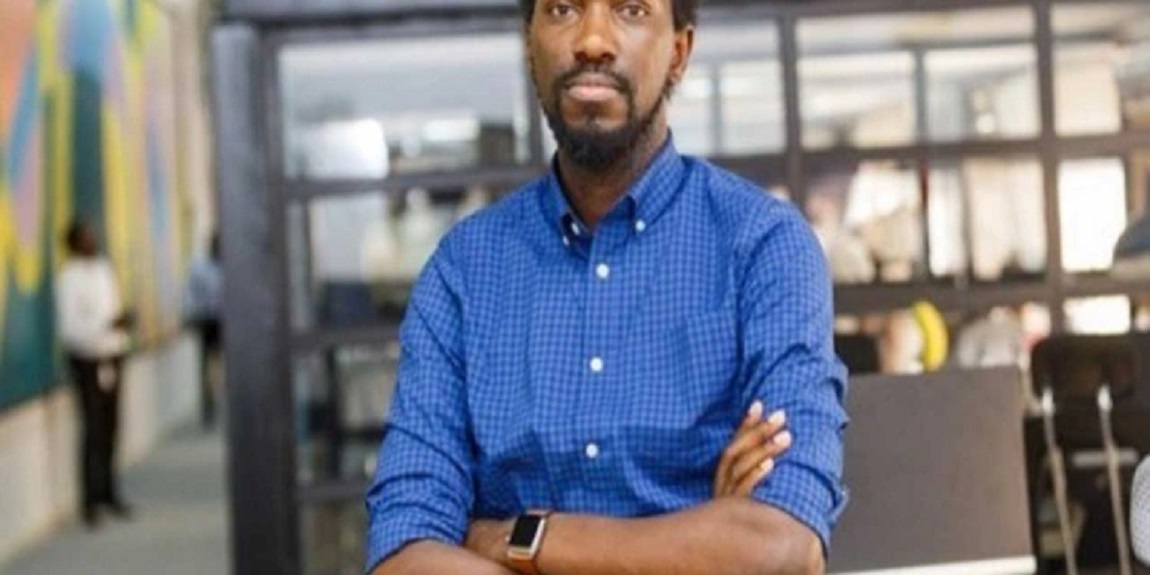
Olugbenga Agboola, CEO, Flutterwave, has announced plans to establish Anambra State as the company’s hub for Nigeria’s South East, leveraging a fresh banking license from the Central Bank of Nigeria (CBN) to boost local fintech and businesses.

Flutterwave
Agboola made the disclosure yesterday in Awka during a meeting with Anambra tech community leaders, hosted alongside Dr. Stanley Uzochukwu, CEO, Stanel Group and proprietor, Delborough Hotel.
He highlighted Flutterwave’s status as Africa’s leading payment system, born in Nigeria, with infrastructure powering companies nationwide.
“We want Anambra to be our hub for the entire South East,” Agboola said. “We’ll deploy our systems, fees, infrastructure, and POS terminals to every small business and large firm here, making our services the top consumer choice.”
Agboola pledged a massive impact program for Anambra entrepreneurs to foster global platforms from the state, enabled by the new license for faster growth.
For a decade, Flutterwave has facilitated payments, but now aims to empower South East businesses through partnerships, POS access, loans, and value for SMEs.
“We’re partnering on a huge impact program launching soon—impacting the tech community with technology, financing, and lending to create more millionaires from this city,” he added.

FG Investigates ‘Sharp Sharp’ Loan Operators over Alleged Privacy Violations

CISA Asks NDPC, Police to Act on Alleged Data Breach by NIPSS

Fela Makes History as First African to be Inducted into Rock and Roll Hall of Fame

Lawmakers Ask CBN to Suspend Payment to ZTE for Failed $460m CCTV Project

Ecobank Delivers Strong Results, Posts $801m in Pre-Tax Profit for 2025

Spotify’s Loud & Clear Report Reveals Over ₦60Bn Revenue for Nigerian Artists in 2025

Kuda MFB Increases Kuda for Her Business Grants to ₦10 Million

Canal+ to Cut Jobs as Part Sweeping Restructuring

Nigeria tops global rankings for USDT, USDC ownership

NBC Boss Urges Content Ceators to Participate in DSO




 Telecom3 days ago
SpaceX Hints at Home‑Built Chip Module for Starlink Mobile

 E-Financial2 days ago
Fidelity Surges Ahead in Recapitalisation Drive with ₦564bn Capital

 General News3 days ago
Teenager Hacks Celebrities Whatsapps, Sells Adult Content in Delta

 Telecom3 days ago
Digital Realty, IXPN Expand Peering Network with New Internet Exchange Point of Presence in Nigeria

 Telecom3 days ago
Elon Musk Accuses South Africa of Racism over Starlink Licence Block

 E-Financial3 days ago
Lawyers Sue CBN over One-Time BVN Phone Number Change

 News3 days ago
Meta Files Appeal over $25,000 Damages Awarded to Falana

 E-Financial3 days ago
FG Slashes Import Duties on Cars, Rice, Palm Oil in 2026 Fiscal Policy