

News
Ekeh Charges S/East Govs to Work for Nnamdi Kanu’s Release

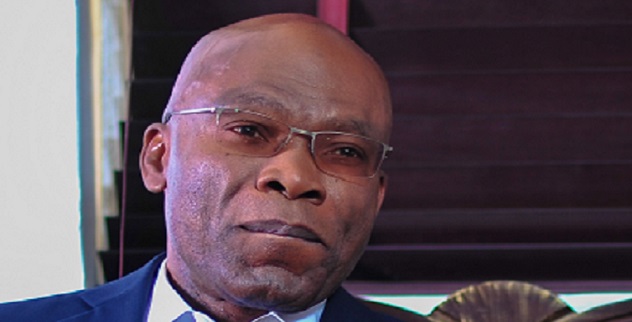
Leo Stan Ekeh, Chairman, Zinox Group, has charged the five Governors of the South-East to take up the release of Nnamdi Kanu, detained leader of the Indigenous People of Biafra (IPOB) as a one-point agenda to President Bola Tinubu, noting that a positive outcome will quell the restiveness in the region and usher in sustainable prosperity.

Leo Stan Ekeh
Ekeh made the call on Thursday, September 28 at the 2023 South-East Summit on Economy and Security in Owerri, the Imo State capital.
In what was the highlight of the day’s session, Ekeh, a Forbes Best of Africa Leading Tech Icon and major investor in the South-East and other regions across Nigeria, disclosed that no concrete investment or development can take place in an atmosphere of tension and insecurity. Consequently, he urged the governors to put aside party affiliations and forge a common front to press for the release of the pro-Biafra agitator, Kanu. Ekeh, whose speech drew a standing ovation and a rapturous reaction from the audience, submitted that the South-East is a huge economy waiting to happen, added that the region is blessed with an abundance of human capital, a new breed of outstand leaders and willing investors ready to turn its fortunes around for good.
‘‘The average Igbo youth is smart, energetic and imbued with a dose of spirituality. Equipped with the necessary tools in an enabling environment, these qualities can transform our youths into world beaters and global champions. We also have quality leaders as Governors in the five South East states with the confidence to transform the region, an example of which I witnessed yesterday with the unprecedented gesture of the Imo State Governor, Hope Uzodinma to youths in the state. Working together, I believe we can site a centralized digital hub in the region which will produce certified billionaires in the next few years.
‘‘However, we must first take steps to secure the release of Nnamdi Kanu as this will instantly bring about a measure of calm and sanity in the region. Kanu is a critical factor in the security issues of the South-East. President Bola Tinubu is not a stubborn or inconsiderate leader. I am sure he will listen. When he was Governor of Lagos State, he took the advice of some of us to include deserving Igbos in his cabinet and this was how Ben Akabueze emerged,’’ he counselled.
The well-attended summit had in attendance notable Igbo sons and daughters from various spheres of endeavour, including the five South East Governors, serving Ministers and Members of the House of Representatives, captains of industries, top ranking officers from the military and other security services, academic dons and corporate eggheads, representatives of women and youth leaders, among others.
In his welcome address, Imo State Governor Uzodimma, who doubles as Chairman, South-East Governor’s Forum, harped on the need for unity and oneness among people from the zone to rescue it from implosion. Uzodinma cited the spate of insecurity and the antics of non-state actors in the region. Nevertheless, he promised that the Governors of South-East are working together to ensure that Igboland returns to its previous glorious era.
‘‘Participants must rise from the summit with a clear road map that our people will follow to regain the lost freedom and businesses without molestations and harassments. We must stop the senseless sit-at-home,” he stated.
Uzodinma suggested the floating of South-East Development Fund to fund development research. He also hailed the planned dredging of Oguta Lake to Atlantic Ocean as a step in the right direction, while also commending the Nnewi, Aba and Onitsha businessmen and women for exhibiting and sustaining the business spirit of Ndigbo.
On his part, Anambra State Governor, Chukuma Soludo called for a 100-year development plan for the region. Soludo said the region must make all efforts to thrive despite the ongoing insecurity, adding that the South-East zone is not the most insecure place in the world.
‘‘It is very good to lament but I would rather like to see a glass as half full than half empty. The South-East is ready for business. We must all believe in our ability to turn things around and get the South-East going again. We need not just ourselves, we need Nigeria. Ndigbo needs Nigeria and Nigeria needs Ndigbo. Ndigbo needs Africa and the world and the world and Africa need Ndigbo. As an itinerant people, we cannot be an intolerant people. We need the partnership of everybody, partnership of the rest of the country, partnership of the diaspora and partnership with the international community.”
For Abia State Governor, Dr. Alex Otti, dialogue represents the way forward in addressing the insecurity in the zone. He called for an understanding of the anger in the land, adding that leaders in the region must pursue justice, stamp out all forms of violence and stop the extortion of the poor by the rich.
Also speaking at the summit, Enugu State Governor, Dr. Peter Mbah talked up the need for a connecting road to all South-East states and a unified market to aid the region enjoy comparative advantage for specific products. He also encouraged the need for regular meetings between all stakeholders in the states.
The Ebonyi State Governor, Rt. Hon. Francis Nwifuru, who was represented by his Deputy, Princess Patricia Onyemechi also buttressed some of the points raised by the other speakers, while also recommending closer monitoring of children to nip nefarious associations in the bud and the need for the people of the South-East to believe in themselves.
Equally important, the keynote speaker and Director General of the World Trade Organization, Dr. Ngozi Okonjo-Iweala lamented the regressing fortunes of the South-East and the negative impacts of the insecurity in the zone on potential investment.
Nevertheless, Okonjo-Iweala, who spoke via Zoom, referenced the rich human capital of the region. Among her recommendations to the Governors is the convening of an investment forum, the creation of an apprenticeship scheme from which talented youths can secure gainful employment, set-up of a digital infrastructural centre in the region, leveraging the connections and competencies of professionals of South-East technocrats in the Diaspora to come back home and help in developing the region, establishment of a financial bond by the governors and optimization of the opportunities in Agriculture, Oil and Gas and other sectors.
Earlier, Anyim Pius Anyim, a former Senate President and Secretary to the Government of the Federation, has also lent his voice to the call calling for a review of the Biafra agitation. He also emphasized the need for better strategies to rid the region of the prevailing insecurity which he described as brutal.
The summit also witnessed goodwill messages from the leadership of Ohanaeze Ndigbo Worldwide, with its President Chief Emmanuel Iwuanyanwu calling for more investment by the Federal Government in the South-East. There were also goodwill messages from other key stakeholders including traditional rulers and other establishments, while the Summit Planning Committee, led by its Chairman Sen. Chris Anyanwu also received praises from virtually all the speakers for the professional organization of the event.


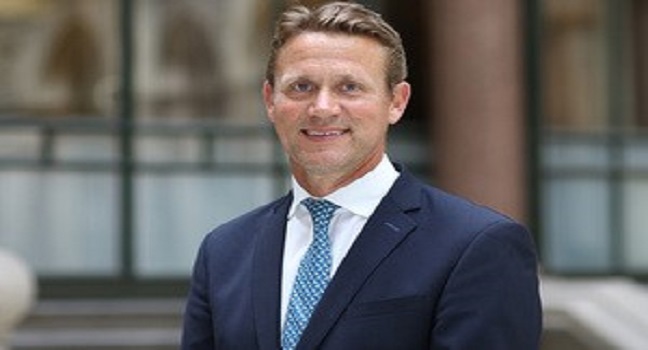
The UK Government has announced the appointment of Mr Peter Vowles as the next British High Commissioner to the Federal Republic of Nigeria.

Mr Vowles succeeds Dr Richard Montgomery CMG and is expected to take up his post in Abuja in September 2026. Dr Montgomery remains in post until that time.
Mr Vowles brings extensive diplomatic and development experience to the role, having served as His Majesty’s Ambassador to Zimbabwe from 2023 to 2026 and previously as Ambassador to Myanmar from 2021 to 2022.
He has held senior leadership positions across the FCDO and its predecessor department DFID, including as Transformation Director and Director for Asia, Caribbean and Overseas Territories.
Earlier in his career, Mr Vowles worked in international development across South Asia, Central Africa and East Africa, including postings in Bangladesh, India, the Democratic Republic of Congo and Kenya. He began his career in Zimbabwe, where he worked in education and development.
Peter Vowles said: “I am honoured to be appointed as British High Commissioner to Nigeria. Nigeria is a country of immense importance to the United Kingdom, and I look forward to working closely with Nigerian partners to strengthen our relationship across trade, development and security.”
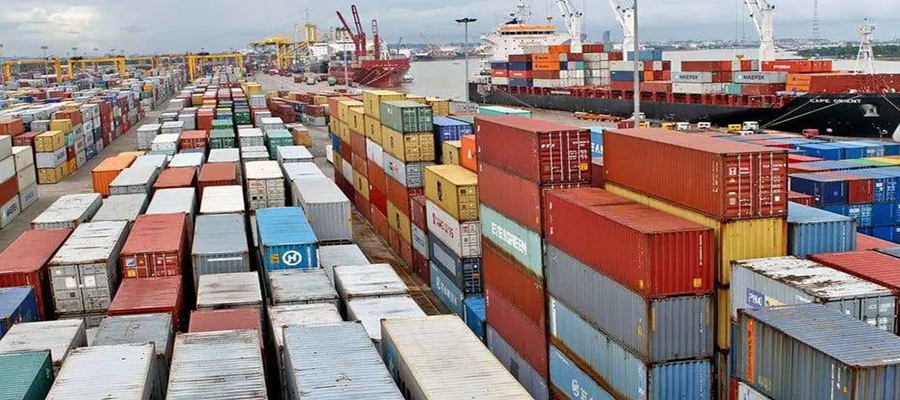
World Bank has ranked the Apapa and Tin Can Island Port complexes in Lagos among the world’s 20 most improved ports in its 2025 Container Port Performance Index (CPPI), released in June 2026.

The ranking places both ports in the “Top 20 Port Improvement Since 2020” category, reflecting significant gains in operational efficiency and vessel turnaround time.
The CPPI is a global benchmark used to assess the efficiency of container ports based on factors such as cargo handling speed, ship turnaround time and overall logistics performance.
According to the report, the improvement highlights ongoing reforms and modernization efforts within Nigeria’s maritime sector.
The Managing Director of the Nigerian Ports Authority (NPA), Mr Abubakar Dantsoho, attributed the recognition to ongoing policy reforms and infrastructure upgrades in the sector.
He said the development reflects the impact of economic policies of President Bola Tinubu and the support of the Minister of Marine and Blue Economy, Mr Adegboyega Oyetola.
“With the investor-friendly policies of President Bola Ahmed Tinubu providing the impetus for increased investment to drive our port infrastructure and equipment modernisation programme, coupled with the unflinching support of the Honourable Minister of Marine and Blue Economy, Adegboyega Oyetola, we have all it takes to further enhance trade facilitation, improve competitiveness and boost the national economy,” he said.
The NPA said the recognition is expected to strengthen investor confidence in Nigeria’s maritime sector and enhance the country’s position as a regional trade and logistics hub.
It noted that improvements in port operations are already contributing to increased efficiency in cargo movement and reduced delays at key terminals.
The authority also pointed to ongoing efforts to modernise port infrastructure and expand digital systems aimed at improving service delivery.
Earlier in February 2026, the NPA said the federal government had intensified efforts to position Nigeria as a leading maritime destination through port rehabilitation and modernization projects.
It also highlighted public-private partnership initiatives, including developments at the Lekki Deep Sea Port, as part of broader reforms aimed at improving efficiency and attracting investment.
The CPPI ranking is expected to further boost Nigeria’s maritime profile and encourage additional investment in the sector.
As digital payment adoption continues to grow across Nigeria and emerging markets, the next phase will depend not just on innovation, but on the strength, reliability, and trustworthiness of the infrastructure behind it.

While the ecosystem has made clear progress in recent years, trust remains a critical issue for users, businesses, and operators alike. Questions around resilience, security, interoperability and transaction reliability continue to shape how the market evolves and how confidently digital payments can scale.
These issues will be central to the deliberations at Digital Pay Expo 2026, where fintech leaders, payment operators, and other ecosystem stakeholders will gather under the theme, “Seamless Digital: Fostering Pan-African Market Expansion in the Era of AI.”
PalmPay’s participation reflects its continued commitment to building trusted and scalable payment infrastructure, while contributing to the broader industry efforts to strengthen systems, standards, and partnerships needed to support long-term ecosystem growth.
Speaking ahead of the event, Olorunfemi Hanson, Head of Marketing and Communications at PalmPay Nigeria, said: “As the financial services ecosystem continues to grow, trust and reliability become even more important.
“The industry’s next phase will be shaped not only by innovation, but by the strength of the infrastructure supporting it. Digital Pay Expo provides an important platform to address the resilience, interoperability, and trust issues that will shape the future of digital payments growth across Africa.”
The event, scheduled to be held from the 17th to the 18th of June, 2026, will feature Chika Nwosu, Managing Director of PalmPay Nigeria, alongside other distinguished guests, including the Director-General, Payment System Management Department (PSMD), Central Bank of Nigeria. The event will examine how the industry can balance innovation, regulation, and scalability while strengthening trust across the digital payments value chain.
For PalmPay, this event reinforces its role in supporting a more resilient, secure and scalable payments ecosystem for Nigeria and emerging markets more broadly.

IMF Warns of New Risks for Monetary Policy over $59Bn Crypto Inflows into Nigeria

AI-Powered Loan Recovery Pilot Rakes in N69m for VeendHQ

MTN Foundation Commits N32Bn in Projects across Nigeria

NCC Begins Review Telecom Termination Rates after 8 Years

Stakeholders Endorse Hybrid Model for Nigeria’s Digital Switch

CBN Extends PoS Geo-Fencing Enforcement Deadline to August 2026

NCC Drafts New Rules for Virtual Mobile Operators

TD Africa, HPE Drive Conversations on the Future of Intelligent Networking

London Strengthens Global Investment Ties with Africa @ First Ever London-Africa Business Summit

FG Targets Alleged N3tn Capital Flight, Opens Airtime Credit Market to Nigerian Fintechs




 E-Business3 days ago
AI-Powered Cyber Threats Put Nigerian Banks on Alert

 E-Business3 days ago
CSOs Raise Alarm over Nigeria’s Data Protection Crisis

 General News3 days ago
₦5m up for Grabs as 10 Startups Clash at the Gathering on 100 Pitchathon Aba

 E-Financial3 days ago
CBN to Expand eNaira for Salaries, Pensions and Welfare Payments

 General News3 days ago
CBN Moves to Stop Banks From Using Customers’ Money for Fintech Subsidiaries

 E-Financial3 days ago
CBN to Bar HoldCos from Influencing Banks’ Lending Decisions

 Telecom3 days ago
NITDA Reveals Why AI Could Be Nigeria’s Biggest Wealth Creator, Not Oil

 E-Financial2 days ago
CBN Orders Banks, Fintechs to Host Payment Data Locally