

Telecom
When Will Enough be Enough for MTN Nigeria? — By Olayiwola Luqman, FCA


The history of MTN Nigeria Communications Plc (MTN Nigeria) is replete with controversies and litigation unlike other players in the telecom sector. Some might argue MTN’s size naturally attracts its issues. This would, however, be too easy a way out of truly analyzing its issues.

Others would argue upon review, that it is more about its attitude to Nigeria and Nigerians, in other words, the Big Man syndrome, that is the catalyst for its issues. Since inception, MTN has hobbled from issue to issue. It has won some, lost others and settled some.
The company seems to relish in courting what many refer to as ‘needless controversies’, the outcome of which is the toga of arrogance that it adorns in seeking positions only beneficial to itself and seemingly disregarding government and regulatory positions, the impact of its actions on Nigeria and Nigerians as well as other non-altruistic positions.
One may strive to seek to understand a start-up company’s choice of courting controversies as a means of creating awareness and corporate presence but for a company like MTN Nigeria that is about to celebrate its silver jubilee, one would have thought that it should be weary of unnecessary controversies. This is, however, not the story of MTN Nigeria, unfortunately.
Currently, the company is in a court battle instituted against it, its business partner, ATC Nigeria Wireless Infrastructure Limited (ATC Nigeria), and three other bodies, by the Incorporated Trustees of HEDA Resources Centre (HEDA) over the construction of 2,500 base trans-receiver stations across Nigeria for MTN’s operations. HEDA a civil society group, has gone to court to stop MTN Nigeria and ATC Nigeria from siting new base stations where there are already existing base stations citing health and environmental concerns. The case with suit No: FHC/L/CS/2359/2023, was filed in the Federal High Court, Ikoyi, on 20 November 2023 and is still pending before the court.
In October 2015, MTN Nigeria’s arrogance and disregard of the country’s laws got it enmeshed in a regulatory quagmire resulting to a fine of N1.04 trillion (about $5.2 billion) against it, for the failure to disconnect 5.1 million unregistered subscribers from its network. Its imprudence did not end there but extended to the point where it was alleged to have bribed a senior government official so the fine could be reduced.
In yet another instance, MTN Nigeria shunned Nigerians’ calls for the adoption of per-second billing as its sister subsidiaries in other climes deployed and kept insisting, for many years, that such deployment was impracticable in Nigeria. The fleecing of Nigerians by MTN Nigeria continued until Glo Mobile debunked MTN Nigeria’s denials in 2003 and debuted with per-second billing. Even when the industry regulator, NCC insisted that it deploy per-second billing, MTN Nigeria was reluctant in its compliance and went so far as to illegally charge subscribers who wanted to migrate to that platform the sum of N100 each.
A look at MTN Nigeria’s over two-decade operations in Nigeria also reveals a series of corporate governance issues, including tax defaults, illegal repatriations of profits and other corporate vices. In 2018, the Federal Government, following a ten-year “revenue assets investigation” conducted between 2007 and 2017, accused MTN Nigeria of having some liabilities which included alleged unpaid/underpaid import duties of about N242.25 billion as well as withholding and value-added taxes of about $1.3 billion. Last year, a tax appeal tribunal sitting in Lagos ordered MTN Nigeria to pay $72,551,059 in tax default to the Federal Inland Revenue Services (FIRS).
What beats most people’s imaginations is that while other subsidiaries in the MTN Group operating in other markets have had issues (Iran and Afghanistan come to mind with the very serious allegations against them), they largely seem to be responsible corporate citizens in their countries of operation. MTN Nigeria, on the other hand, tends to be roguish and more hawkish in its operations. Its services are poor, yet they appear the most expensive in Nigeria.
These issues could only be as a result of arrogance believing that, by appointing eminent Nigerians who have headed regulatory bodies with oversight over its activities to the Board of Directors of the company, it would always be able to bulldoze its path by way of influence peddling through any regulatory issue. It is worthy of note that some notable civil society groups in the country have petitioned the relevant regulatory agencies to investigate these Board appointments, citing corporate governance as well as conflict of interest issues.
The company needs to reevaluate its operations in the country with a view to respecting the law and regulatory authorities as well as having more regard for Nigerians, whose patronage earns it the position of the largest revenue earner in the MTN Group. Nigerians deserve a better deal with MTN Nigeria and the Nigerian government is supposed to stand up and ensure that this happens by insisting on good corporate governance, without being swayed or intimidated by the company or the people that sit on its board.
– Olayiwola Luqman, FCA. Business analyst, writes from Lagos*



By Odunayo Sanya, Executive Director, MTN Foundation
Leadership, in its truest essence, is not about the titles we hold or the executive seats we occupy; it is about the responsibility we assume for the future of our communities. According to John Maxwell, a leader is one who knows the way, shows the way and goes the way. As we commemorate World Drug Day (26 June), we are collectively confronted with a sobering reality that demands that we intentionally create the conditions for Nigerian youths to thrive.

Odunayo Sanya, Executive Director, MTN Foundation
This year’s global theme reminds us that the fight against substance abuse demands a collective response because its consequences extend far beyond the individual, affecting public health, economic productivity, community wellbeing, and national development.
To understand the weight of what is at stake, we must anchor our empathy in empirical truth. The United Nations Office on Drugs and Crime (UNODC) Drug Use in Nigeria Survey (2018), still one of Nigeria’s most comprehensive national assessments of substance abuse, revealed a deeply distressing reality. Nearly 14.3 million Nigerians aged 15 to 64 had used psychoactive substances. While the survey remains an important benchmark, the passage of time since its publication underscores the urgent need for more current data to guide prevention and intervention efforts. Nonetheless, the survey revealed that one in every four drug users in Nigeria was a woman, while the highest concentration of users was found among young people. This is not just a health crisis; it is an economic crisis and a systemic threat to our nation’s future leadership.
When we look at these numbers, we must refuse to see them merely as data points on a spreadsheet. Every statistic represents a vibrant mind diminished, a family fractured and a potential corporate leader or innovator sidelined. In my journey across the corporate and development sectors, I have learned that systemic challenges cannot be solved by sporadic, emotional reactions. They require structured, intelligent, sustainable, and data-informed ecosystems of change. True change requires us to transition from passive observers to active architects of sustainable interventions.
It was this profound sense of responsibility and strategic foresight that birthed the MTN Anti-Substance Abuse Programme (ASAP) in 2019. We recognised early on that the traditional approach of criminalising substance abuse without addressing the root causes – curiosity, peer pressure, lack of information and socio-economic despair – was a flawed model. ASAP was conceptualised as a multi-sectoral behaviour-change initiative designed to contribute to the reduction of first-time substance abusers in Nigeria.
This year’s World Drug Day theme “The World Drug Problem: Persisting Issues, New Challenges, Innovative Responses” is both a reminder of the complexity of the menace confronting our nation and an urgent call to action. It is clear that only innovative responses can curb the ever-evolving tactics of illicit drug networks. Beyond traditional substances, the world is witnessing a rapid increase in the production, availability and use of synthetic drugs. The commoditisation of prescription medicines has contributed to substance abuse. The inordinate use of technology as an enabler of cybernarcotics has changed the dynamics of the game.
Let me bring this closer home with some numbers. From January 2025 to May 2026, the NDLEA seized 5,305,484.88 kilograms of illicit drugs worth N1.5 trillion through 29,262 arrests. Recently, on May 16, the NDLEA busted a meth manufacturing ring in Ogun State. The scourge is no longer a distant tale: it resides with us. So, we must rise together as stakeholders in this war against substance abuse.
Over the years, the impact recorded through the ASAP initiative is a testament to the power of public-private sector partnerships. Through strategic partnerships with the NDLEA, the UNODC, the Ministry of Education, the Ministry of Health, and various non-governmental organisations, the MTN Foundation has institutionalised the anti-substance abuse advocacy. We have taken the message directly to the frontlines – our schools, motor parks, markets, and digital spaces. By building a coalition of voices, we are demystifying the stigma surrounding addiction, turning what was once whispered in shame into open and constructive community dialogues.
Our journey this year has been marked by a powerful surge of collective action. From stakeholder conferences in Enugu, Kaduna, Kwara and Abuja, to the resonant advocacy walks in tertiary institutions across Gombe, Delta, Abuja and Lagos, the response has been nothing short of extraordinary. The scale of this support – uniting associations, students, and parents alike – is a testament to the urgency and shared commitment driving this movement.
Our interventions have yielded measurable outcomes. To date, the ASAP initiative has directly impacted over 50,433 students and 1,556 teachers across public secondary schools in 32 states and the FCT, through structured anti-substance abuse capacity building initiatives, digital advocacy, peer-to-peer training, and community town halls. By empowering young people to become ambassadors themselves, we have leveraged the power of peer influence positively. We have seen firsthand that when you give a young person the right tools, accurate information, and a sense of purpose, they will choose a path of productivity over self-destruction.
True leadership, however, refuses to rest on yesterday’s laurels; it constantly asks where the next frontier of impact lies and what it requires. It is this restless pursuit of evidence-based and sustainable solutions that culminated in a historic milestone just two months ago, when the MTN Foundation, the United Nations Office on Drugs and Crime (UNODC), and the Office of the Vice President formalised a partnership to undertake Nigeria’s first nationally representative substance abuse survey among secondary school students. At a time when the most widely referenced national substance abuse data is almost a decade old and does not adequately capture the realities of in-school adolescents, this initiative seeks to provide the evidence needed to shape more targeted interventions and policy responses. The collaboration, which drew high praise from Vice President Kashim Shettima (GCON), is a powerful validation of our commitment to Nigeria’s youth and our belief that lasting solutions are built through multi-sectoral partnerships.
As a certified change practitioner, I know that for any behavioural shift to be sustainable, the intervention must be systemic, continuous, and dynamic. This year, our World Drug Day activities have been intentionally scaled up to meet the evolving landscape of substance abuse, particularly the rise of cheaper, highly lethal synthetic mixtures. Our focus this year focuses heavily on the digital ecosystem – leveraging technology to deploy accessible mental health resources, psychosocial helplines, and interactive awareness modules – because that is where our youth live, connect, and learn.
In tandem with our digital drive, this year’s ASAP calendar features high-level policy roundtables, quiz competitions, and grassroot activations across educational institutions. We are deliberately engaging policymakers to ensure that advocacy is backed by robust institutional frameworks. It is not enough to tell our children to say no to drugs; we must build a society that offers them a resounding “yes” to viable economic opportunities, mental health support, and inclusive community spaces.
The universe, as I often like to say, rewards extraordinary effort. The crisis before us is vast, but our collective capacity to innovate and heal is even greater. We cannot afford to look away or assume that this is someone else’s problem. The teenager struggling with addiction in a remote community is tied to the collective economic stability of our communities. Their failure is a leak in our national boat; their recovery is our shared victory.
As we mark World Drug Day, my call to action is to the government, corporate Nigeria, civil society organisations, and every well-meaning citizen: let us move from intent to action by investing heavily in preventive advocacy and psychosocial support structures. Let us choose to know the way, show the way, and walk the way together toward a drug-free, prosperous Nigeria.
Remember, it is everyone’s fight!
Telecom
MTN Foundation, MUSON Deepen Investment in Nigeria’s Creative Economy Ahead of 2026 Graduation Activities

MTN Foundation and Musical Society of Nigeria (MUSON) will celebrate the 2026 MUSON School of Music graduation on July 7 and July 8 at the Shell Hall, MUSON centre, as the long-running partnership continues to strengthen Nigeria’s creative economy through sustained investment in music education and talent development.

MTN Foundation
The two-day programme will feature a graduation concert and a formal ceremony recognising students completing the Diploma in Music programme.
Beyond the graduation activities, the partnership reflects nearly two decades of investment in developing young Nigerian musicians and creating pathways into the country’s growing creative industry.
Since the partnership began in 2006, the MTN MUSON Music Scholars Programme has provided scholarships to more than 553 young Nigerians, helping create a pipeline of emerging musicians seeking formal training and industry exposure.
The initiative supports approximately 45 music scholars annually through a two-year diploma programme, providing access to structured music education and professional development opportunities.
The programme has evolved into one of Nigeria’s leading pathways for formal music training, combining performance studies, music theory and ensemble practice with practical experience designed to prepare students for careers across the wider music and creative industries.
The investment extends beyond scholarship support. Daily Trust reports that the Foundation has invested close to ₦1 billion in the MUSON partnership over the years while strengthening learning infrastructure through the establishment of a fully equipped digital music studio and additional music equipment for students.
The graduation activities are expected to spotlight the latest cohort of emerging talents entering the industry, while also reflecting the broader role of music education in supporting employment, skills development and Nigeria’s cultural influence globally.
Through sustained support for young talents and formal creative education, the MTN Foundation–MUSON collaboration continues to contribute to the development of Nigeria’s wider creative ecosystem.
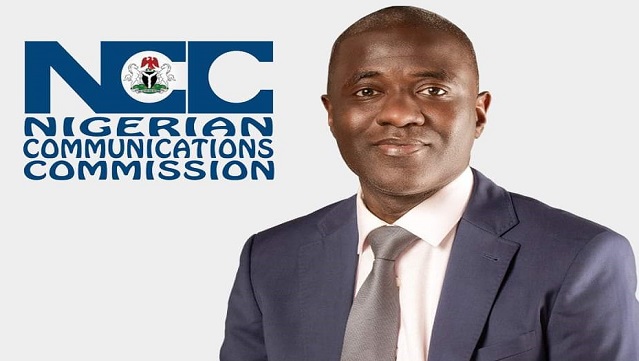
Nigerian Communications Commission (NCC) has called on Nigerian students to actively protect telecommunications infrastructure across the country, describing such facilities as critical national assets that support education, innovation, economic growth and digital connectivity.

NCC
Dr. Aminu Maida, executive vice chairman (EVC) and chief executive officer (CEO) of the Commission, made the call during a courtesy and familiarisation visit by the newly elected leadership of the National Association of Nigerian Students (NANS) to the Commission’s Head Office, Friday in Abuja.
The EVC, who was represented by the Director, Public Affairs Department, Mrs. Nnenna Ukoha, congratulated the newly elected NANS President, Comrade Akinteye Babatunde, and members of the association’s executive council on their emergence while commending the smooth transition in the leadership of the student body.
Dr Maida noted that the longstanding relationship between the NCC and NANS has continued to flourish because of mutual respect, dialogue and constructive engagement, and expressed confidence that the current leadership would build on the achievements of its predecessors.
The EVC encouraged the student body to remain actively involved in the Commission’s stakeholder engagement processes, particularly public consultations on regulatory and consumer-related initiatives, to ensure that the interests and perspectives of Nigerian students are adequately represented in policy development.
Speaking on challenges facing the telecommunications industry, Dr. Maida identified vandalism of telecommunications facilities, theft of fibre optic cables and network equipment, destruction of infrastructure, and right-of-way challenges as major factors affecting service delivery across the country.
He urged NANS to support ongoing awareness efforts by sensitising students on the importance of safeguarding telecommunications facilities located within and outside educational institutions.
“Telecommunications infrastructure remains the backbone of Nigeria’s digital economy and plays a crucial role in learning, research, innovation and communication. Students can support national efforts aimed at protecting telecommunications infrastructure through awareness and responsible civic engagement,” he said.
The EVC also highlighted several initiatives being implemented by the Commission to advance digital inclusion and create opportunities for young Nigerians.
These include the deployment of digital infrastructure through the Universal Service Provision Fund (USPF), establishment of Digital Parks in tertiary institutions across the country, and ongoing efforts to support digital learning and innovation.
“The Commission is currently consulting stakeholders on a proposed framework that may enable access to certain approved educational platforms under specific conditions without data charges”. He said.
On consumer protection, Dr. Maida reiterated the NCC’s commitment to ensuring adequate protection of consumers under the regulatory framework while encouraging students to utilise consumer education resources available on the Commission’s website to better understand data management, consumer rights, and complaint resolution mechanisms.
Earlier, the President of NANS, Comrade Akinteye, expressed appreciation to the NCC for maintaining a productive and mutually beneficial relationship with the student body over the years, and commended the Commission for its openness to strengthening engagement between the Commission and the student body through dialogue and mutual understanding.
He acknowledged the role of the NCC in fostering a culture of dialogue and stakeholder engagement, noting that the Commission’s approach has continued to encourage the student body to pursue peaceful and responsible advocacy on national issues.

A New Blueprint – How Strategic Collaboration is Rewriting the Narrative on Youth Drug Abuse

MTN Foundation, MUSON Deepen Investment in Nigeria’s Creative Economy Ahead of 2026 Graduation Activities

NCC Urges Nigerian Students to Help Stop Telecom Vandalism

After 12 Years at the Helm, Tony Elumelu Bows Out of UBA

Zedvance appoints Prof. Olanrewaju as board chairman

Mobile Internet Gender Gap Widest in Africa – GSMA

Nigeria Launches FreeTV Nationwide

NASENI Moves to Digitize CCB’s 5m Assets Declaration and Operations

CANAL+ Partners Samsung to Pre-Load DStv Stream on New Samsung TVs In Nigeria, Other African Countries

UK, Nigeria Launch £15m Growth Programme to Accelerate Economic Transformation




 E-Financial3 days ago
SEC Grants Approval to Luno, Other Crypto Firms under Regulatory Sandbox

 Telecom3 days ago
Xenophobia: MTN Nigeria Belongs to Nigerians, Not Only South Africans — Toriola

 E-Financial3 days ago
World Bank Okays New $1.25Bn Loan for Nigeria

 General News24 hours ago
NIS Deploys Advanced Surveillance Masts, other Critical Infrastructure to Boost Border Security

 E-Financial24 hours ago
Tokenization, Blockchain Technology will Transform Financial Institutions – IMF

 E-Business24 hours ago
Weebly Websites to Shut Down for Nigeria, 66 Other Countries from September

 Broadcasting24 hours ago
Obi, NDC Presidential Candidate Faces N50Bn Defamation Claim over Alleged Podcast Remark

 Telecom24 hours ago
No Plans for Fresh Tariff Hike – MTN