

General News
Google Rolls Out AI-Powered Theft Detection for Android 15

Thembi Alfreds was driving home from a soccer match in Johannesburg when she stopped at a traffic light. A thief suddenly appeared and smashed the window of her car, grabbing her phone. She struggled with the thief but they managed to get away with the phone.

The incident left her feeling violated and unsafe. Not only did she lose personal memories, like photos of her children, but her personal and financial information stored on the phone was now compromised.
Phone theft is a serious concern in many countries across Africa, including South Africa, where Thembi’s situation highlights the need for better phone theft solutions.
Smartphone usage is on the rise in Sub-Saharan Africa, with adoption rates reaching 61% in Kenya, 31% in Uganda, and 24-25% in Rwanda and Burundi. This increased uptake has been accompanied by a rise in cellphone theft, as these devices become attractive targets for criminals due to their resale value and sensitive data within. This poses a significant challenge that can have serious consequences for both individuals and businesses in the region.
According to the GSMA Consumer Survey 2023, 19% of mobile phone users in South Africa experienced theft or loss of their device in the past year.The GSMA reports millions of devices stolen every year, and the numbers continue to grow. With our phones becoming increasingly more valuable & central to storing sensitive data, like payment information and personal details, losing one can be an unsettling experience.
Phone theft can be a traumatic experience, but there are steps that can be taken to reduce the risk and protect personal information. That’s why we have developed and thoroughly beta tested, a full suite of features designed to protect you and your data at every stage – before, during, and after device theft.
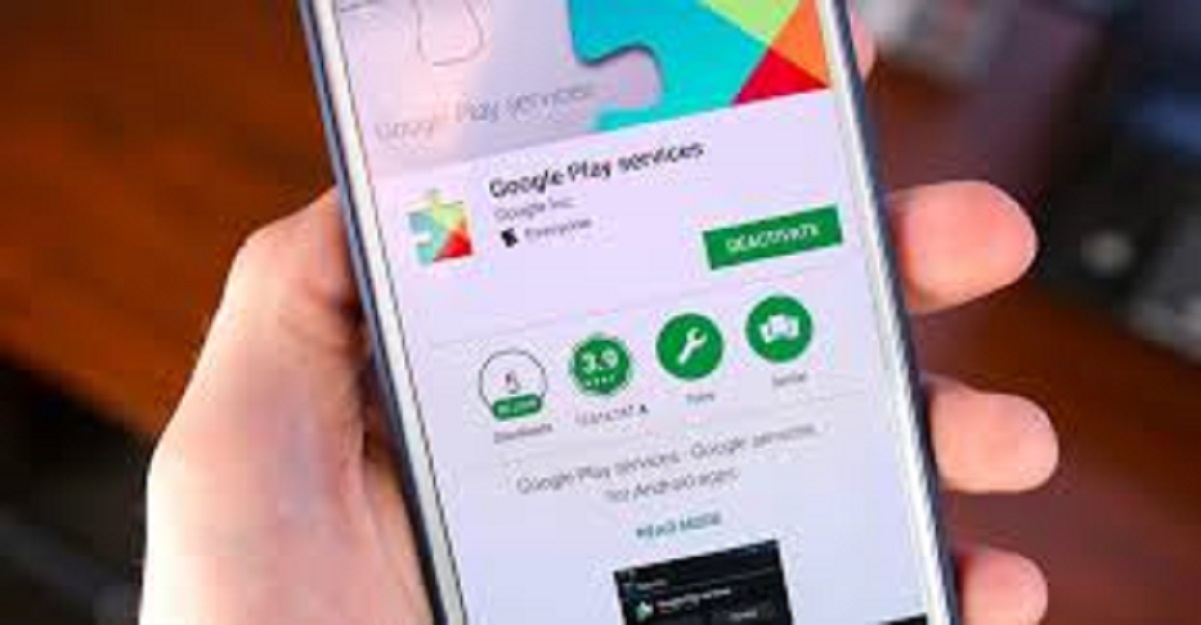
These advanced theft protection features are now available to users around the world through Android 15 and a Google Play Services update (Android 10+ devices).
Theft Detection Lock uses powerful AI to proactively protect you at the moment of a theft attempt. By using on-device machine learning, Theft Detection Lock is able to analyze various device signals to detect potential theft attempts. If the algorithm detects a potential theft attempt on your unlocked device, it locks your screen to keep thieves out.To protect your sensitive data if your phone is stolen, Theft Detection Lock uses device sensors to identify theft attempts.
This feature is rolling out gradually to ensure compatibility with various devices, starting today with Android devices that cover 90% of active users worldwide. Check your theft protection settings page periodically to see if your device is currently supported.
In addition to Theft Detection Lock, Offline Device Lock protects you if a thief tries to take your device offline to extract data or avoid a remote wipe via Android’s Find My Device. If an unlocked device goes offline for prolonged periods, this feature locks the screen to ensure your phone can’t be used in the hands of a thief.
If your Android device is lost or stolen, Remote Lock can quickly help you secure it. Even if you can’t remember your Google account credentials in the moment of theft, you can use any device to visit Android.com/lock and lock your phone with just a verified phone number. Remote Lock secures your device while you regain access through Android’s Find My Device – which lets you secure, locate or remotely wipe your device. As a security best practice, we always recommend backing up your device on a continuous basis, so remotely wiping your device is not an issue.
These features are now available on most Android 10+ devices via a Google Play Services update and must be enabled in settings.
Advanced security to deter theft before it happens
Android 15 introduces new security features to deter theft before it happens by making it harder for thieves to access sensitive settings, apps, or reset your device for resale:
- Changes to sensitive settings like Find My Device now require your PIN, password, or biometric authentication.
- Multiple failed login attempts, which could be a sign that a thief is trying to guess your password, will lock down your device, preventing unauthorized access.
- And enhanced factory reset protection makes it even harder for thieves to reset your device without your Google account credentials, significantly reducing its resale value and protecting your data.
Later this year, we’ll launch Identity Check, an opt-in feature that will add an extra layer of protection by requiring biometric authentication when accessing critical Google account and device settings, like changing your PIN, disabling theft protection, or accessing Passkeys from an untrusted location. This helps prevent unauthorized access even if your device PIN is compromised.
Real-world protection for billions of Android users
By integrating advanced technology like AI and biometric authentication, we’re making Android devices less appealing targets for thieves to give you greater peace of mind. These theft protection features are just one example of how Android is working to provide real-world protection for everyone. We’re dedicated to working with our partners around the world to continuously improve Android security and help you and your data stay safe.
You can turn on the new Android theft features by clicking here on a supported Android device. Learn more about our theft protection features by visiting our help center.


Shareholders of MTN Nigeria have approved a major restructuring of the company’s digital financial services arm, clearing the way for a N152.06 billion transaction that will see the telecom giant relinquish majority control of its fintech subsidiaries.

The approval, granted at the company’s Annual General Meeting on April 30, endorses Resolution 9, which transfers a 60 per cent stake in MoMo Payment Service Bank Limited and Y’ello Digital Financial Services Limited to MTN Group Fintech B.V.
Under the arrangement, the group’s fintech arm will inject fresh capital into the businesses while also acquiring shares from MTN Nigeria through a hybrid structure combining primary and secondary investments.
Following the transaction, both parties will consolidate their interests into a newly created holding company to be registered with the Central Bank of Nigeria, a move designed to streamline oversight and position the fintech operations for future investment.
The restructuring marks a significant shift in MTN Nigeria’s strategy, effectively transferring a larger share of the financial and operational responsibility for the fintech business to the parent company, while allowing the local entity to refocus on its core telecommunications operations.
Industry observers say the move aligns with the broader “Ambition 2030” roadmap of the MTN Group, which prioritises scaling digital and financial services across its markets.
The company acknowledged that its fintech subsidiaries are currently loss-making, reflecting the capital-intensive nature of building digital payment platforms.
By reducing its direct exposure, MTN Nigeria is expected to free up resources to strengthen its connectivity infrastructure, while the fintech arm gains the financial backing required to accelerate expansion.
The planned holding company structure is also expected to enhance investment flexibility, enabling the business to attract strategic partners and scale operations in areas such as rural penetration, merchant acquisition and digital payments.

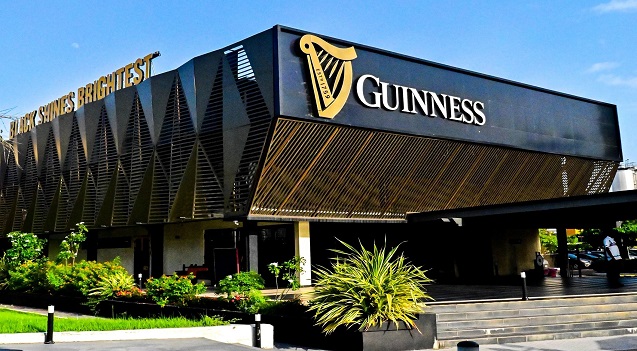
Guinness Nigeria Plc is set to mark 76 years of operations on April 29, a milestone for one of the country’s most enduring corporate institutions and widely regarded as Nigeria’s foremost total beverage alcohol business.

Established in 1950 and with its first brewery commissioned in Ikeja in 1962, Guinness Nigeria holds a distinct place in industrial history as the first Guinness brewery built outside Ireland and the United Kingdom. What began as an imported stout has evolved into a deeply rooted local enterprise, growing alongside the country through decades of change, expansion, and reinvention.
From its early years to its listing on the Nigerian Exchange in 1965, the company steadily expanded its footprint, building a nationwide network of brewing and distribution operations, alongside a diversified portfolio that reflects both heritage and shifting consumer tastes.
Guinness Stout remains its most iconic brand, long associated with depth and character, while Malta Guinness has become a household staple across generations. Complementing these are spirits and contemporary offerings including Orijin, Gordon’s, Don Royale and Smirnoff, each firmly embedded within Nigeria’s evolving consumer culture.
Today, Nigeria ranks among the most important markets for Guinness globally, underscoring a relationship that extends well beyond consumption into culture, identity, and shared moments of celebration.
This connection has been reinforced by a long-standing commitment to social impact. As far back as 1962, the company established the Guinness Eye Centre at the Lagos University Teaching Hospital, setting a precedent for healthcare interventions that continues today with a second eye centre in Onitsha. Its Water of Life initiative continues to deliver clean water to underserved communities, while sustained campaigns around responsible drinking and road safety reflect an ongoing commitment to societal well-being.
These efforts have shaped Guinness Nigeria’s identity, not just as a manufacturer, but as an active and consistent partner in the development of its host communities.
This interplay between enterprise and impact has been central to the company’s longevity, enabling it to remain both relevant and trusted, even as it evolves.
The 76th anniversary comes at a moment of renewed financial strength and transformation, following a return to profitability and the restoration of shareholder payouts after an extended period of consolidation.
Managing Director and CEO, Girish Sharma, described the milestone as the result of decades of deliberate choices. “In Nigeria, Guinness is part of the national story. The progress we have made reflects discipline, continuity, and a commitment to remaining a business that Nigerians trust, while growing in step with the communities around us,” he said.
Looking ahead, the company’s ambition is captured in its ‘Build for More’ agenda to become Nigeria’s premier and most celebrated total beverage alcohol company by the end of the decade. With a modernised portfolio, a strengthened balance sheet, and a sharper understanding of evolving consumer needs, that ambition is already in motion.
The mission, however, remains simple: to help Nigerians celebrate life, every day, everywhere.

Digital solutions powerhouse, Globacom, has paid tribute to Nigerian workers, whose steadfast industry and enduring commitment continue to propel NIgeria’s march towards development.

As the world observes the 2026 International Workers’ Day, the company acknowledged the indispensable role of labour as the unseen engine that keeps the machinery of national advancement in measured, purposeful motion.
Globacom, in a statement issued in Lagos on Thursday, appreciated the role of labour in oiling Nigeria’s wheel of development and also affirmed their importance in the progress of the country.
Glo urged employees across both public and private sectors to remain resolute in their pursuit of excellence, emphasizing that the collective discipline of the workforce is central to realizing Nigeria’s aspirations for sustainable growth and prosperity.
“We encourage all workers not to relent in their noble task of advancing the nation through conscientious service and professional dedication,” the statement affirmed.
The International Workers’ Day, commemorated annually on 1 May, celebrates the dignity of labour and the enduring significance of workers in shaping the fortunes of societies across the world.

EFCC Warns Fintech Firms over Rising Fraud, Ransom Payments

FG Okays 112 as Toll-Free National Emergency Response Number

New CBN’s BVN Rules Starts Today

Shareholders of MTN Nigeria Okay N152Bn Fintech Restructuring

Guinness Nigeria Celebrates 76 Years of Brewing Greatness

FG to Gift Nigerians over 100 Free TV Channels from May 15

UBA Beefs Up Mobile App Security to Stop Fraudulent Debits, Withdrawals

What Adekunle Gold’s Support Means for ‘The Gathering on 100

NRS Takes Over Mineral Royalties Collection Under New Tax Laws

MTN Suspends Data, Airtime Borrowing Service over New FCCPC Lending Rules




 Telecom3 days ago
ALTON Urges Urgent Resolution of Regulatory Dispute over Airtime Loans

 News3 days ago
UK Govt Launches Creative Fund to Boost Local Production in Nigeria’s Creative Industries

 Telecom3 days ago
Despite Security Concerns, Reps Push for 18-Month Delay before Inactive Phone Numbers are Reassigned

 Telecom3 days ago
Court Strikes Out Suit against NCC over 50 Percent Tariff Hike

 Telecom3 days ago
China Blocks Meta’s $2Bn AI Deal, Orders Unwinding of Manus Acquisition

 E-Business2 days ago
Data Privacy Ignorance Threatens National Security – DKIPPI

 E-Financial3 days ago
FCMB, BHM Champion New Revenue Models for Media Sustainability

 News2 days ago
World Health Summit Regional Meeting Opens in Nairobi, Focuses on Stronger African Health Systems