

E-Financial
World Bank Urges CBN to Sustain Inflation Control Measures


Central Bank of Nigeria (CBN) must sustain efforts to tackle inflation, according to Sameer Matta, senior economist for Nigeria at World Bank.

Matta, spoke at the recent launch of the 2025 macroeconomic outlook of the Nigerian Economic Summit Group (NESG).
Nigeria’s inflation rose to 34.8 percent in December — up from 33.6 percent in November.
Speaking during a panel session at the event, Matta said the CBN must focus on taming inflation.
“I think what is critical in terms of inflation is to stay the course. I think that the central bank needs to continue to be focused on making sure that inflation is under control,” Matta said.
“Obviously, part of it is related to the supply side. What can be done to improve the yield on the agriculture side? What can be done to improve the link between rural and urban areas?
“There is the question of what can be done on the trade policy side. One would be to increase production locally, but that would take time.
“One of the things that can be done on the trade policy side is to think through which sectors could be targeted to allow some tariffs to be adjusted.”
Matta said the cost of not doing reforms is 2 percent of Nigeria’s gross domestic product (GDP) for fuel subsidy and 2 percent of GDP for foreign exchange (FX) subsidy.
“That’s five percent of GDP, and that is extremely high,” he said.
“I would liken these reforms to someone with a hard medical condition who had to make tough choices.
“Let’s not forget that at some point in Nigeria, the debt service to revenue was 100 percent; now, the good news is that we are around 50 percent, and that is a big decline.
“The cost of reforms comes mainly from high inflation, and in the case of Nigeria specifically, food inflation is impacted by FX and the fact that lots of agricultural products are impacted by the price of petrol.
“That means the impact of these reforms is being felt by the most vulnerable.
“It is very important that the government continues on the reforms on social protection but also accelerates the roll-out of these cash transfers. It is more important to finance them over the future.
“It will be very important to continue to encourage the authorities to scale up and accelerate these interventions, which are time-bound and targeted at those who are really impacted and done through a digital way to avoid any potential misuse in the future.”
Also speaking on inflation, Christian Ebeke, Nigeria’s country representative at the International Monetary Fund (IMF), reiterated the need for coordination between the fiscal and monetary authorities.
He said it is important that efforts to bring inflation down by the fiscal authorities are done in the “context of better coordination”.
“For example, one of the key decisions that took place last year was the commitment by both the central bank and the fiscal authorities to strengthen coordination,” Ebeke said.
“We didn’t see Ways and Means accrue again as we have seen in the past year in Nigeria, and it was welcome.
“This is something that should bring inflation down by tightening financial conditions but also by reducing money in circulation.
“The other important thing for the fiscal authorities to do is to tackle any distribution consequences of the reforms that have been implemented.
“Naira reforms or the completion of the fuel subsidy removal. We know that these key reforms in Nigeria will have redistributive consequences on the most vulnerable, and they may not be able to cope.
“Fiscal authorities have a key role to play because the transmission lag of fiscal policies is shorter compared to monetary policies.
“So, issues of social protection are very important. That is how fiscal policies can complement what the monetary authorities are doing.”
On the ways and means, Ebeke said Nigeria should not have been in that position.
“Cleaning up this big problem is taking time, and the persistent effect of the Ways and Means on inflation and, in general terms, on financial conditions,” he said.
“The CBN is trying to mop up liquidity. Just the practice of having deficit monetisation, as has been practiced in Nigeria for years, is now over.
“Again, big congratulations to both the CBN and the fiscal authorities for curbing that.
“Now, when it comes to the securitisation of these, central banks around the world have a memorandum of understanding with the fiscal authorities on this type of liability management.
“The securitisation has the benefit of spreading out the maturities. Also, this has been done transparently, so this is good.”
According to Ebeke, with the independence and fiscal prudence of the CBN, the country ought not to experience macroeconomic pressure, as well as the effect on the parallel exchange rate and inflation.


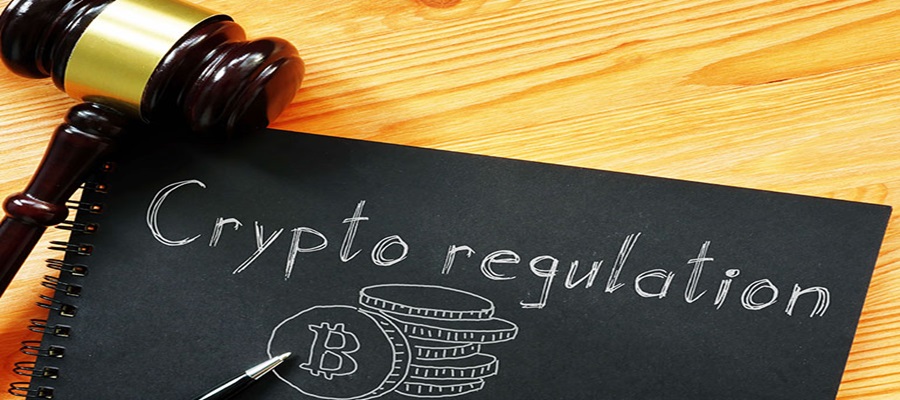
The International Monetary Fund (IMF) has warned that the rapid expansion of stablecoin usage in Nigeria could significantly weaken demand for the naira and reduce the effectiveness of domestic monetary policy.

This is coming as the country recorded about $59 billion in crypto-asset inflows between July 2023 and June 2024.
The IMF said in it’s report titled “Stablecoins in Nigeria: A Growing Cross-Border Channel,” that the growing adoption of dollar-pegged digital assets for payments, remittances, and savings reflects deeper macroeconomic pressures in Nigeria, including elevated inflation, foreign exchange scarcity, and persistent currency depreciation.
According to the Fund, these conditions have increased the attractiveness of stablecoins as both a store of value and a medium of exchange, particularly among individuals and businesses seeking stability amid exchange rate volatility.
The IMF warned that the widespread use of U.S. dollar-denominated stablecoins effectively represents a form of “digital dollarisation,” which could erode demand for the naira and weaken the Central Bank of Nigeria’s (CBN) ability to transmit monetary policy through interest rates and exchange rate interventions.
Nigeria remains one of the world’s most active digital asset markets, ranking second globally in Chainalysis’ 2024 Global Crypto Adoption Index and sixth in the 2025 edition.
The IMF further noted that the country accounts for nearly 60 per cent of stablecoin inflows into sub-Saharan Africa since 2019, underscoring its dominant role in regional crypto activity.
The report also highlighted the appeal of stablecoins in reducing transaction costs and improving the speed of cross-border payments.
However, the IMF cautioned that the increasing shift of payment activity from traditional banking systems to crypto exchanges and digital wallets may create regulatory blind spots.
It warned that such developments could complicate the monitoring of capital flows and increase exposure to illicit financial risks, including money laundering.
Despite these concerns, the Fund did not advocate restrictive measures. Instead, it called for a balanced policy approach that addresses the structural drivers of stablecoin adoption while strengthening oversight frameworks.
Key recommendations include maintaining macroeconomic stability to support the naira, enhancing regulatory clarity for stablecoin-related activities, and strengthening coordination between the Central Bank of Nigeria (CBN) and the Securities and Exchange Commission (SEC).
The IMF also urged improved transaction data collection through blockchain analytics and continued investment in efficient, regulated payment infrastructure.
The Fund noted that stablecoin growth is largely driven by inefficiencies in cross-border payment systems, stressing that policy efforts should focus on narrowing these gaps while ensuring emerging risks remain effectively contained.

VeendHQ has said that its AI-powered credit platform, Vida AI, helped recover N69 million from a N172.5 million portfolio of loans that were more than 90 days overdue, in a pilot that highlights the growing role of technology in loan recovery and portfolio management.

The result comes at a time when lenders are under increasing pressure to improve recovery outcomes while managing the cost, reputational risk, and operational burden associated with overdue loans.
For many credit providers, the challenge is no longer only how quickly loans can be approved, but how effectively repayment can be monitored and delinquent loans can be recovered after disbursement.
According to VeendHQ, the pilot delivered a 40 percent recovery rate on the overdue loan portfolio.
The company said the result significantly outperformed traditional recovery benchmarks, where a five percent recovery rate on a similar loan book would amount to about N8.6 million.
VeendHQ said the pilot demonstrates how Vida AI can support lenders beyond credit assessment, extending into repayment monitoring, collections, and recovery.
“Credit access is only one side of lending. The bigger challenge for many lenders is what happens after disbursement,” said Olufemi Olanipekun, co-founder and CEO of VeendHQ.
“Vida AI helps lenders make smarter decisions across the credit lifecycle, from approval to repayment and recovery.”
VeendHQ, a Nigerian fintech company building digital credit infrastructure, developed Vida AI as an artificial intelligence-powered platform for lenders, merchants, and financial institutions.
The platform supports credit assessment, identity verification, repayment collections, and loan management workflows.
With the recovery pilot, the company is positioning Vida AI beyond loan origination, as a tool for lenders seeking to improve repayment performance and manage overdue portfolios more efficiently.
Delinquent loans remain a major cash-flow challenge for lenders.
Once loans exceed 60 to 90 days past due, recovery becomes more difficult, expensive, and unpredictable. Traditional approaches such as manual calls, recovery agents, and legal escalation often increase costs without significantly improving recovery rates.
VeendHQ said Vida AI’s recovery workflow enables lenders to upload overdue loan records, verify borrower information, assess repayment capacity, and trigger automated recovery actions.
This gives lenders better visibility after disbursement and allows recovery teams to prioritize overdue portfolios more effectively.
“If lenders cannot recover efficiently, they become more conservative with lending. That affects consumers, small businesses, and the wider credit market,” Olanipekun said.
“Better recovery infrastructure gives lenders more confidence to lend, manage risk, and keep credit flowing.”
The company said the recovery use case is especially relevant for banks, microfinance institutions, digital lenders, cooperatives, and merchants managing loans that are 60 to 180 days past due.
It added that it plans to deepen Vida AI’s recovery capabilities for credit providers seeking to improve recovery performance without relying solely on manual methods.
“As lending expands across Nigeria and Africa, recovery infrastructure is becoming as critical as origination,” Olanipekun said. “Tools that improve both will define which lenders can scale sustainably.”
The pilot, VeendHQ says, points to a broader shift in the credit market: approval speed alone is no longer enough. Increasingly, lenders will be defined by how effectively they monitor repayment, recover overdue loans, and manage portfolio risk over time.

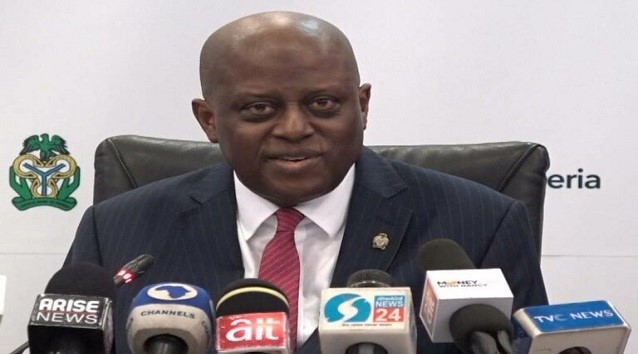
The Central Bank of Nigeria has directed banks, fintech firms, and other payment service providers to store payment transaction data generated within the country on local servers from January 1, 2027, as part of new measures to strengthen oversight of the fast-growing digital payments ecosystem.

The directive was contained in a circular issued by the Payments System Supervision Department of the CBN on Monday and addressed to deposit money banks, microfinance banks, mobile money operators, switching and processing companies, payment terminal service providers, payment solution service providers, super agents and other licensed operators in the payments industry.
The circular, signed by the Director of the Payments System Supervision Department, Rakiya Yusuf, also introduced new market structure rules, beneficial ownership disclosure requirements and systemic oversight measures for payment service operators.
According to the apex bank, the reforms became necessary following the rapid expansion of electronic payments and digital financial services across the country.
The CBN said it had observed “significant structural developments within the Nigerian Payments ecosystem, characterised by rapid growth in electronic payments, increasing adoption of digital financial services, and the emergence of operators with substantial market presence across key payment activities.”
It noted that while the growth had improved innovation, efficiency and financial inclusion, it had also created concerns around market concentration, operational dependence, ownership transparency and the storage of critical payments data.
To address these concerns, the regulator ordered all financial institutions facilitating payments in Nigeria to ensure that transaction data generated within the country are stored domestically.
The circular stated, “All Financial Institutions and participants facilitating payments within Nigeria shall ensure that payments transaction data generated within Nigeria are stored and managed in Nigeria in accordance with data protection laws and regulations applicable in Nigeria.”
It added that “all affected Financial Institutions shall fully comply with this requirement effective January 1, 2027.”
The move is expected to strengthen regulatory oversight, enhance data sovereignty and ensure that sensitive payment information remains within Nigeria’s jurisdiction.
It also aligns with broader efforts by regulators globally to localise critical financial data and reduce reliance on offshore infrastructure.
Beyond data localisation, the CBN ordered banks, payment service providers and other financial institutions with digital payment operations to disclose the ultimate beneficial ownership of significant shareholders.
According to the circular, institutions must maintain accurate and up-to-date records of their ultimate beneficial owners and make such information available to the apex bank upon request.
The regulator said the disclosure requirement must comply with existing anti-money laundering, counter-terrorism financing and counter-proliferation financing regulations.
The directive builds on previous CBN efforts to strengthen beneficial ownership transparency as part of wider measures to combat money laundering and illicit financial flows in the financial system.
The central bank also introduced fresh competition rules aimed at limiting excessive market dominance in the payments industry.
Under the new framework, any financial institution that controls more than 25 per cent of the card-issuing market in a rolling 12-month period will not be allowed to hold more than 15 per cent of the merchant-acquiring market during the same period.
Similarly, operators with more than 25 per cent market share in merchant acquiring activities will be restricted to a maximum of 15 per cent market share in card issuing activities.
Merchant acquiring refers to processing card payments on behalf of merchants, while card issuing involves providing payment cards to customers.
The CBN said all regulated entities would be required to submit monthly market share returns based on prescribed templates and timelines.
It further directed affected institutions to take the necessary measures to achieve full compliance with the market structure requirements by December 31, 2026.
The apex bank said the new measures were designed to “improve transparency through beneficial ownership disclosure, address concentration risk, promote a fair, competitive, and resilient payments ecosystem.”
According to the regulator, the reforms are also intended to “safeguard the integrity of the Nigerian payments system and ensure the localisation of payments transaction data within Nigeria.”
The CBN warned that it would closely monitor compliance and impose sanctions where necessary.
“The CBN shall monitor compliance with the provisions of this Circular and may, where necessary, impose supervisory sanctions in accordance with applicable laws, regulations, and guidelines,” the circular stated.
The latest directive comes amid a rapid expansion of Nigeria’s digital payments industry, with electronic transactions reaching record levels and regulators increasing oversight of banks, fintech firms and other payment operators to address operational, cybersecurity and systemic risks.

Nigeria Launches FreeTV Nationwide

NIPOST Plans Digital Postcodes for Every Building in Nigeria

Enugu to Host The Gathering on 100 as MTN-Backed Youth Movement Expands Across Nigeria

Prof. Dzidonu Urges Universities to Produce Deep Thinkers for AI Age

FG Debunks Claims of Plans to Introduce Telecoms, Fuel Taxes

CBN Extends PoS Geo-Fencing Enforcement Deadline to August 2026

NCC Drafts New Rules for Virtual Mobile Operators

London Strengthens Global Investment Ties with Africa @ First Ever London-Africa Business Summit

FG Targets Alleged N3tn Capital Flight, Opens Airtime Credit Market to Nigerian Fintechs

Easybuy Partners WAWUAfrica to Upskill 10 Million Youths and Women, Boosting Nigeria’s Economic and Financial Inclusion




 Telecom2 days ago
MTN Foundation Commits N32Bn in Projects across Nigeria

 E-Financial3 days ago
CBN Orders Banks, Fintechs to Host Payment Data Locally

 E-Business3 days ago
Galaxy Backbone @ 20, Pledges Nationwide Connectivity, Data Sovereignty

 E-Financial3 days ago
Analysts Warn of Growing “Crowded Trade” in Foreign Exchange Markets

 E-Financial3 days ago
ACAMB Kicks-off 30th Anniversary Celebration With Tree Planting Initiative

 News3 days ago
PalmPay Joins Industry Leaders @ Digital Pay Expo 2026

 Telecom3 days ago
UK Bans TikTok, Instagram, Facebook for Under-16s in Landmark Crackdown

 Telecom3 days ago
Nigeria Innovation Summit 2026 Set to Convene West Africa’s Brightest Minds to Shape the Future of Innovation