

E-Financial
Banks’ Funding Failure: The Shocking Rot In Nigeria’s Intervention Programmes

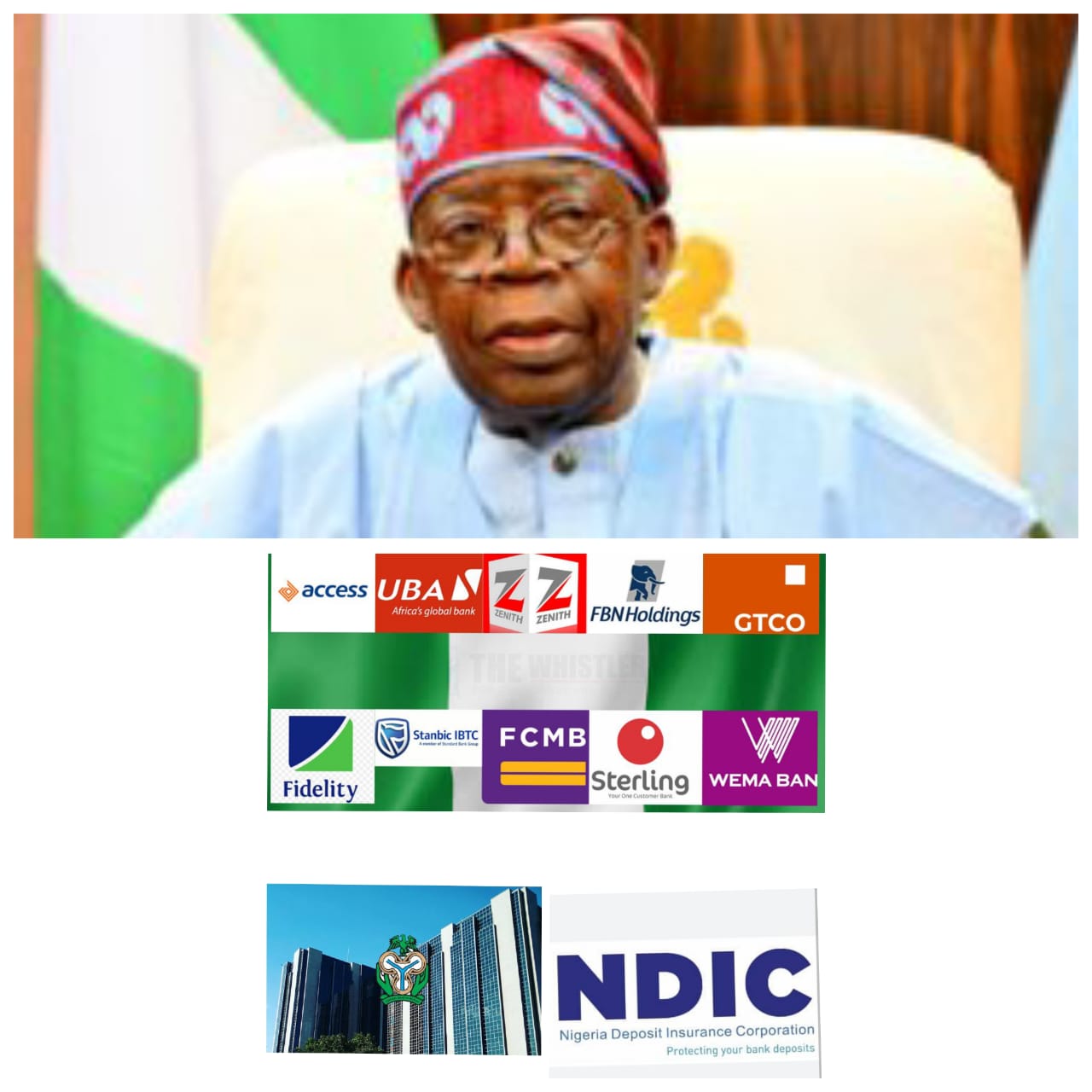
By Blaise Udunze
For over a decade, the Nigerian government and its financial institutions have launched a flurry of intervention funds, all with the promise to empower industries, revive the manufacturing sector, and lift millions of micro, small, and medium enterprises (MSMEs) out of financial drought. From agriculture to aviation, from creative industries to export promotion, these funds were designed as catalysts for inclusive growth and job creation.

But today, the story reads like a tragic irony. Trillions of naira later, there is little impact to show. Factories remain underutilized, MSMEs struggle to survive, and unemployment continues to soar. The rot runs deeply entrenched corruption, politicization, poor monitoring, and widespread loan defaults have turned what should have been Nigeria’s economic lifeline into a cautionary tale of mismanagement and missed opportunities.
The Central Bank of Nigeria (CBN) and the Bank of Industry (BOI) have, over the years, spearheaded multiple intervention programmes. In 2013, the N220 billion MSME Development Fund (MSMEDF) was launched to empower small businesses, with a special 60 percent allocation for women. Yet, more than a decade later, thousands of genuine entrepreneurs say they never accessed the fund, while others question the transparency of disbursement. The Anchor Borrowers’ Programme (ABP), launched in 2015, aimed to link smallholder farmers to processors and was hailed as a masterstroke for agricultural self-sufficiency. Over N1 trillion reportedly flowed into the scheme. But the dream soon dimmed with ghost beneficiaries, political interference, and poor loan recovery exposed a programme riddled with abuse.
Similarly, the Agri-Business/Small and Medium Enterprises Investment Scheme (AGSMEIS), a CBN-backed initiative pooling five percent of banks’ profit after tax, began as a noble effort to stimulate SMEs. However, its later years were marred by disbursement bottlenecks and allegations of insider favoritism. Commercial banks and some designated financial institutions, instead of acting as facilitators, became gatekeepers of corruption. Bribes, favoritism, and endless paperwork became the norm. Funds meant for productive ventures were sometimes redirected to political allies or misapplied by the very institutions entrusted with disbursement.

Rather than empowering Nigeria’s real economy, intervention loans too often empowered a network of insiders who saw the programmes as avenues for rent-seeking. The impenetrability of these schemes made them convenient channels for political reward and institutional looting. Once the funds leave government coffers, tracking them becomes an exercise in futility. There are no reliable public databases showing who got what, how much was repaid, or what impact was achieved.
The rot is not confined to agriculture. The Creative Industry Financing Initiative (CIFI), launched in 2019 to nurture Nigeria’s entertainment and digital sectors, became mired in controversy over opaque selection and limited reach. The Real Sector Support Facility (RSSF) and the Textile Sector Intervention Fund, meant to boost manufacturing and revive the textile industry, also suffered from weak monitoring and low repayment discipline. During the pandemic, the N400 billion COVID-19 Targeted Credit Facility (TCF) was touted as a lifeline for households and small firms. Administered by NIRSAL Microfinance Bank, it sparked hope among struggling entrepreneurs, but soon, the familiar patterns emerged as connected elites got the funds, while genuine applicants were locked out.
Official data reveals that the CBN has disbursed over N10.3 trillion across various interventions in less than a decade with an unprecedented scale of funding. When combined with BOI-managed programmes such as the Government Enterprise and Empowerment Programme (GEEP) and the Export Expansion Facility Programme (EEFP), total earmarked intervention funds likely exceed N12 trillion. Yet, Nigeria’s industrial contribution to GDP remains below 10 percent, and MSMEs with the supposed beneficiaries continue to struggle with high costs, poor infrastructure, and limited credit access.
Over the years, numerous intervention funds have been launched to support industries and MSMEs from the N220 billion MSME Development Fund and N300 billion Real Sector Support Facility to the N200 billion SME Restructuring and Refinancing Fund. However, poor administration, corruption, and diversion have undermined these initiatives. A 2023 report by the Auditor-General revealed that billions of naira from these schemes were either unaccounted for or misapplied, with funds channeled through commercial banks that prioritized profit over impact.
For instance, the CBN’s N220 billion MSME Development Fund has only seen about N83 billion disbursed over seven years. The Survival Fund, though lauded in principle, has delivered roughly N67.5 billion to over 1.25 million beneficiaries, including cases where mobilisation fees were collected but goods or services never followed. An N5 billion SME loan fund through SMEDAN and Sterling Bank saw only N250 million actually reach business owners. Even in interventions like BOI’s N75 billion Manufacturing Sector Fund, less than a third had been disbursed to manufacturers, with many applications still awaiting approval. These examples speak not to scarcity of funds, but to failures in administration, accountability, and access.
The cost of Nigeria’s failed intervention programmes goes beyond wasted billions; it has crippled the very sectors they were designed to rescue. Thousands of promising small businesses are left stranded without access to affordable credit, while manufacturers continue to struggle with obsolete equipment, erratic power supply, and prohibitive interest rates. Instead of catalyzing growth, these funds have deepened dependency, encouraged corruption, and distorted the credit market.
The result is a stunted industrial base, where innovation and expansion are sacrificed on the altar of bureaucracy and greed. Many entrepreneurs who could have scaled production or entered export markets have shut down under the weight of unmet promises. Jobs that could have been created remain mere statistics in policy documents, while Nigeria’s ambition to diversify its economy beyond oil continues to falter.
In the ongoing investigation into the Central Bank of Nigeria’s activities, news reports have uncovered that scrutiny may extend to Chief Executive Officers and senior management personnel of various banks. The investigation seeks to examine potential discrepancies related to the management of intervention funds by deposit money banks. This revelation follows reports that the CBN might be compelled to withdraw its released audited annual financial reports after investigators uncovered irregularities and inconsistencies.
This unfolding probe, led by Special Investigator Jim Obazee, who was appointed by President Bola Tinubu in July 2023 as this mark one of the most comprehensive financial examinations in Nigeria’s history. Obazee’s mandate extends beyond the CBN to include other Government Business Entities (GBEs), with the goal of plugging financial leaks and holding corrupt individuals accountable. According to the Secretary to the Government of the Federation, George Akume, the forthcoming audit report will shed light on governance failures that have long crippled Nigeria’s financial system.
One key revelation involves intervention funds totaling N1.27 trillion reportedly held in the accounts of five major banks: Access Bank, Fidelity Bank, Guaranty Trust Bank, United Bank for Africa, and Zenith Bank. These funds cover various CBN lending schemes, including the Commercial Agriculture Credit Scheme, Real Sector Support Facility, and state bailouts. Access Bank alone held about N530 billion in intervention funds, while Fidelity Bank retained roughly N310 billion.
Several banks have also been found to hold undisbursed funds from the CBN earmarked for programmes like the Anchor Borrowers’ Scheme and the Commercial Agriculture Credit Scheme. As of June 2023, Guaranty Trust Holding Company, Wema Bank, and Sterling Financial Holdings collectively held N114 billion in Anchor Borrowers’ funds, while seven banks, including UBA, Access, Zenith, and Fidelity, retained N94 billion from the agriculture credit scheme.
As the investigation progresses, bank executives were expected to be summoned for questioning. The revelations underscore the depth of systemic dysfunction, where funds meant for development sit idle or are diverted, while small businesses gasp for credit.
Amid the turbulence, the newly appointed CBN Governor Olayemi Cardoso called for a radical shift in the bank’s role. During his Senate screening, he emphasized the need to refocus the CBN on its core mandate of monetary stability rather than direct development finance. Cardoso warned that the CBN’s historical foray into fiscal interventions had blurred institutional boundaries and undermined credibility. His plan is to transition the bank toward a more limited advisory role, one that supports economic growth without entangling itself in politically driven lending.
This reorientation is timely. As of October 2022, nearly 10 trillion had already been disbursed as intervention funds, much of it tied to agriculture and small business support. Yet controversies over beneficiary selection, repayment defaults, and limited impact persist. Experts have urged a full-scale audit and restructuring of these programmes, recommending that future interventions be channeled through relevant ministries and agencies, not the CBN to ensure proper oversight and impact measurement.
Before the next bailout or recovery initiative is launched, both the CBN and BOI must clean house. This means full public disclosure of all beneficiaries, proper audits of past disbursements, and the recovery of misapplied or stolen funds. The impenetrability that has shielded corruption for years must give way to transparency, backed by digital tracking systems and citizen oversight.
Beyond cleansing their books, these institutions must also rethink their approach. Development finance should no longer be routed through rent-seeking commercial banks that profit without producing impact. Instead, direct digital lending platforms, strict eligibility verification, and measurable impact tracking should define the new model.
Nigeria’s intervention programmes must undergo radical reform anchored on transparency, technology, and traceability. Every fund should have a publicly accessible portal listing disbursements, beneficiaries, and repayment status. Periodic audits that are independently verified must be mandatory, not optional. Beyond financial engineering, Nigeria must fix the enabling environment for consistent power supply, logistics, security, and regulatory stability that makes business growth possible.
The shocking rot in Nigeria’s intervention programmes is not just a financial scandal; it is a betrayal of national trust. Trillions have been poured into schemes that promised jobs and prosperity, yet delivered little beyond paperwork and propaganda. Unless Nigeria cleans up the system, enforcing accountability and rewarding genuine productivity, its intervention funds will continue to fund failure, not progress.
Blaise, a journalist and PR professional writes from Lagos, can be reached via: [email protected]


E-Financial
SEC Unveils Probate/Unclaimed Monies Clinic to Help Families Recover Inherited Investments


Securities and Exchange Commission (SEC) has intensified efforts to reduce unclaimed funds and other dormant investment assets by launching a Probate/Unclaimed Monies Awareness and Investor Clinic aimed at helping beneficiaries recover inherited investments and strengthening investor protection in Nigeria’s capital market.

Speaking at the opening of the clinic in Abuja organised by the Commission in partnership with Meristem on Thursday, Dr. Emomotimi Agama, director-general, SEC, said the initiative was designed to bridge the gap between investors’ legal entitlements and their ability to access inherited assets.
He noted that many Nigerian families face prolonged delays in accessing shares, dividends and other investments after the death of loved ones because they are unfamiliar with probate procedures, documentation requirements and registrar processes.
“For many Nigerian families, the death of a loved one who held shares, dividends, or other investments marks the beginning of a long and often confusing journey,” Agama said.
Describing unclaimed funds and dormant assets as a persistent challenge, he said they represent “real money that belongs to real families, sitting idle, disconnected from the people it was meant to serve.”
According to him, the Commission is committed to closing the gap through policy initiatives and direct engagement with investors.
He explained that the clinic brought together the Federal Ministry of Justice, the Probate Registry, the National Population Commission and capital market registrars to provide practical guidance on probate procedures, required documentation and the recovery of inherited investments.
“Today is not simply an awareness session. It is a working clinic, designed to equip you with practical knowledge: how probate works, how to obtain the right documentation, and how to recover what is rightfully yours,” he said.
Agama stressed that SEC’s mandate to protect investors extends beyond the lifetime of shareholders.
“This Commission exists to protect your rights in the capital market, and that protection does not end when a shareholder passes on. It extends to ensuring their beneficiaries can access what is due to them without unnecessary hardship,” he added.
Also speaking, Ms. Nkechinyelu Okoye, acting chief executive officer, Meristem Registrars and Probate Services Limited, identified lack of awareness and poor estate planning as key reasons billions of naira in financial assets remain unclaimed.
“There are three categories of beneficiaries that we encounter quite often. The first are those who think only land, houses and other physical assets can be transferred legally from deceased loved ones. They do not realise that financial assets such as shares, fixed income investments and even money in savings apps also form part of an estate,” she said.
Okoye said another group consists of beneficiaries who are unaware their deceased relatives owned financial assets, while a third group knows the investments exist but does not understand the claims process or required documentation.
“I dare add a fourth category. These are investors who do not provide or update their KYC documents and, as a result, when they pass on, their loved ones have no idea they have investments to claim,” she said.
According to her, these factors have contributed to the rising volume of unclaimed dividends, dormant accounts and other abandoned financial assets.
“All of these categories contribute to the several unclaimed assets lying all around. Ultimately, financial resources that could have been beneficial to these beneficiaries remain inaccessible,” she said.
She described the investor clinic as more than an awareness programme, saying it would provide practical support to investors, beneficiaries, executors and administrators.
“Our goal is to empower investors, beneficiaries, executors, administrators and the general public with the knowledge they need to navigate probate and estate administration with greater confidence,” Okoye said.
She also urged investors to prepare valid wills, maintain accurate shareholder records and regularly update their Know Your Customer (KYC) information to make it easier for beneficiaries to access inherited investments.
“We want investors to appreciate the importance of preparing a valid Will, maintaining accurate shareholder records and ensuring that their affairs are properly organised. Taking these simple steps today can save families considerable stress and delay in the future,” she added.
The SEC said the clinic forms part of its broader investor protection strategy and provides participants with direct access to experts on tracing investments, verifying shareholder records, resolving probate-related issues and recovering unclaimed capital market assets.

Nigeria Deposit Insurance Corporation (NDIC) has reassured on the multiple layers of protection for the Nigerian banking industry with more than 98 per cent of depositors and 281 million accounts insured by the corporation.

Thompson Sunday, managing director, NDIC, gave the assurance in Lagos at the retreat for members of the House Of Representatives Committee on Insurance and Actuarial Matters.
He said that striking the right balance between innovation, consumer protection, and financial stability remains a key policy imperative.
The theme of the retreat was “Strengthening the Financial Safety Net in an Era of Banking Sector Recapitalisation and Fintech Innovation”.
He said the increasing digitisation of financial services has heightened exposure to cyber threats, fraud, data breaches, and operational risks.
He said that with banks’ adoption of emerging technologies, regulators and safety-net participants must remain proactive in identifying and mitigating these risks while encouraging innovation.
Sunday also highlighted the rapid growth of financial technology (fintech) which has revolutionised the way financial services are delivered.
He said: “Digital banking platforms, mobile money services, payment solution providers, and other fintech innovations have expanded access to financial services and accelerated progress toward financial inclusion. Millions of previously unbanked and underserved Nigerians now have access to formal financial services through digital channels”.
He said that as the banking industry adjusts to higher capital requirements and technological innovations reshape financial service delivery, adding that its imperativefor banks to reinforce rules that safeguard financial stability and protect depositors’ funds.
According to him, a strong and well-coordinated financial safety net system is necessary for maintaining stability and resilience in any modern financial system.
“It promotes public confidence, protects depositors, supports orderly resolution of distressed financial institutions, and helps prevent systemic crises. At a time when Nigeria is pursuing ambitious economic growth objectives, including the goal of attaining a one trillion-dollar economy in 2030, a robust and credible financial safety net is essential to maintaining depositors’ and investors’ confidence and enhancing financial system resilience,” Sunday said.
He said the recently concluded banking sector recapitalisation programme represents a significant milestone in strengthening the capacity of Nigerian banks to support economic development.
“Well-capitalised banks are better positioned to absorb shocks, finance large-scale investments, support enterprise growth, and withstand periods of economic uncertainty. However, while recapitalisation enhances the resilience of financial institutions, it must be complemented by effective regulation, sound governance practices, strong risk management frameworks and good compliance culture, all attribute of a reliable financial safety net,” Sunday said.
He said the stability of the financial system depends largely on the trust that depositors and investors place in financial institutions.
He said: “History has shown that where confidence is low, distress can spread rapidly, threatening the stability of, not only the financial system but the wider economy. It is, therefore, essential that institutions responsible for financial stability continue to strengthen measures that preserve and enhance public trust.
Also speaking, opening remarks, Ahmadu Usman Jaha, chairman, House Committee on Insurance and Actuarial Matters, said financial systems across the globe are being reshaped by rapid technological advancement, digital financial services, artificial intelligence, cybersecurity risks, and changing customer expectations.
He said Nigeria is undertaking one of the most significant banking recapitalisation exercises in its recent history, requiring banks to strengthen their capital base while remaining innovative, resilient and competitive.
“These developments present enormous opportunities for economic growth, financial inclusion and innovation. However, they also introduce new categories of systemic risks that require stronger institutions, modern regulatory frameworks, and robust financial safety nets capable of maintaining public confidence under all circumstances,” he said.
He explained that Nigeria’s banking industry continues to occupy a central position in our economy with banking sector assets running into several trillions of naira and serving tens of million of depositors across conventional banking channels and rapidly expanding digita platforms.
“Equally important is the rapid expansion of financial technology. While fintech innovation has significantly increased financial inclusion and payment efficiency, it also raises complex issues relating to cyber resilience, operational risk, consumer protection, digital fraud, and the scope of deposit insurance coverage. These are issues that require continuous legislative attention and collaborative policy responses,” he stated.


Nigeria’s $92 billion virtual asset market, built overwhelmingly by young Nigerians and now the largest in Sub-Saharan Africa, risks being driven offshore by the new Guidelines on the Taxation of Virtual Assets, the Digital Assets Coalition warned, as it published its formal position paper on the framework, which came into force on 3 August 2026.

The Coalition, the industry alliance representing digital-asset participants and operators in Nigeria, opens the paper, titled “Tax the Profit, Not the Movement of Money”, with an unambiguous statement of support for taxation. It backs taxing real gains, registering platforms, verifying customers, and requiring full transaction reporting, in line with the standards of the United Kingdom, South Africa, and Brazil.
The Coalition objects to the charges on the gross movement of money rather than on any profit earned. The first is a 1.5% stamp duty on every conversion between naira and digital assets, never refunded and charged whether a person gains or loses. The second is a 1% withholding deducted from the entire value of every sale, even where the seller made a loss. A third concern is the requirement to remit taxes in tokens, which is inconsistent with the Nigeria Tax Administration Act, 2025, whose Section 39 mandates payment in currency.
Obinna Iwuno, spokesperson of the Digital Assets Coalition, while presenting the position of the Coalition at a press conference in Lagos yesterday said: “We support the taxation of virtual assets without qualification,” said “Our concern is with a design choice that taxes the movement of money itself. This charge falls on a remittance to a student abroad, on a freelancer converting earnings already taxed as income, and on a trader in a year they lost money. That is not a tax on profit. It is a toll on participation.”
The burden falls hardest on the young Nigerians who built the market as working infrastructure for global earnings, family remittances, and savings that survive Naira volatility. Because young users transact small and often, the levies compound fastest against their pattern of use.
They bite even below the ₦10 million threshold the Nigeria Tax Act itself exempts and within the ₦800,000 income band taxed at zero, while filing burdens can exceed a student’s entire earnings. “The framework is anti-youth in effect, even if not in intent,” Iwuno said. “You cannot tax your way into the future by taxing the people building it.”
Every comparable country has reversed course. India’s 1% transaction withholding saw regulated exchanges lose 81% of volume within four months, with over 90% of trading moving offshore within a year, according to the Esya Centre. Kenya repealed its 3% transaction tax in 2025, and Turkey withdrew a similar levy in 2026.
The Coalition calls on the Nigeria Revenue Service to defer commencement and consult publicly, to tax real gains rather than movement, to collect taxes in Naira, to protect small earners with a de minimis exemption, to retain registration and reporting in full, and to confirm that tax rates are set only by the National Assembly.
“This is not a fight against taxation. It is a request for a design that works for citizens and the Revenue Service alike,” Iwuno added. “The Coalition stands ready to help make a workable framework succeed.”

Glovo Pioneers AI Quick-Commerce

Fleeing Southeast Asia Scam Syndicates Find New Homes in Nigeria, Kenya- Report

DSS Arraigns Eze for Allegedly Hacking, Stealing N800m from SunTrust Bank

SEC Unveils Probate/Unclaimed Monies Clinic to Help Families Recover Inherited Investments

We have Multiple Layers of Protection for 281m Accounts in Nigeria – NDIC

From Scarcity to Scale: What Africa Can Learn from India’s Agricultural Transformation

BON Establishes Six Ad Hoc Committees to Modernize Broadcasting

EFCC Busts NIS Visa Overstay Racket, Uncovers N700m in an Account

How EFCC Turned Recovered Loot Into School Supplies for Thousands of Nigerian Students

BVN Enrollments Hit 69.55m- NIBSS




 E-Business3 days ago
Kaspersky Reveals a New Malicious Framework Targeting Cryptocurrency Users with the Use of OkoSpyware

 E-Business3 days ago
CMS T&M Launches TMO Rides to Enable a Faster & Cashless Transport Experience for CMS – Ajah Passengers

 E-Business3 days ago
Nigeria Tightens Data Privacy Compliance as FG Issues Directive to MDAs

 E-Business3 days ago
Firm to recruit over 100 professionals to boost NRS e-Invoicing compliance

 Telecom3 days ago
FG Commences 90,000km Fibre Optic Rollout within Weeks

 E-Financial2 days ago
Access Holdings Deepens Sustainable Finance Impact, Expanding Green Assets to ₦92.14 Billion

 Telecom3 days ago
Dimension Data to Channel Funds to Support Nigerian Fibre Expansion

 E-Financial3 days ago
Zenith Bank Confirms Cyberattack, Says Hackers Accessed Limited Customer Data