

News
Phase3 Telecom’s ‘Aerial Optic Fibre to the Rescue’

Aerial optic fibre network has been described as probably the most reliable means of carrying communications traffic in the world today especially in light of environmental and man-made challenges.
Mr. Stanley Jegede, the Chief Executive Officer, Phase3 Telecom, who stated this in a chat with the media in Lagos last week, noted that the communications system, which is based on optic fiber cables running along electric power transmission lines, provides many advantages over the traditional underground cable system.
He stated that with the current challenges facing the deployment and use of underground optic fiber cables especially Right of Way issues, persistent vandalism and ecological problems, aerial optic fiber systems offer some form of immunity against these problems.
“We all know that putting cables underground is one of the most difficult challenges that telecom firms face today especially with companies often being held to ransom by communities and other people over right of way. Besides erosion that sometimes leaves underground cables exposed, there has been persistent vandalism and theft of underground cables all over the country, which often cuts off communications and could take a bit of time to identify and repair. These are some problems that aerial system quickly helps operators to overcome,” he said.
Jegede, whose firm runs the regions only aerial optic fiber network, added that given the country and indeed the West African region was still a developing one, road construction and building of other infrastructure would be very frequent, leading to underground cables often being cut. This situation, according to him, highlights the need for a backup network, adding that this is where the Phase3 aerial optic fiber network comes in especially as high tension networks often have dedicated routes by law. He said that with this situation many operators have seen the need to embrace aerial optic fiber use, as it provides a huge relief for them whenever the underground optic fiber(s) fail.
He said, “In Nigeria today all the operators including those that have their own transmission networks have embraced phase3’s aerial optic services especially after they have seen the advantages that it offers them. We believe that even for those that may already have excess capacity, aerial optic fibre provides a very reliable backup and alternative. This is also in addition to the fact that there are certain areas of coverage of the Phase3 aerial optic fibre system which other terrestrial network are not designed to reach currently due to the countries road and highway network”.
Besides, Jegede noted that most optic fiber cables follow the same predictable route, meaning that they are all likely to be affected at the same time in the event of anything catastrophic happening; such as fire, road construction and vandalism. This, he added, clearly defines an obvious need for a reliable alternative to the underground fiber that is used by operators.
He noted further that besides providing the best quality, aerial optic fiber provides many advantages over underground cables in the transmission business. Among them, he said, is the ease and speed of deployment, stating that aerial optic fiber is one backhaul means that can be quickly expanded to un-served and underserved locations unlike underground optic fiber.


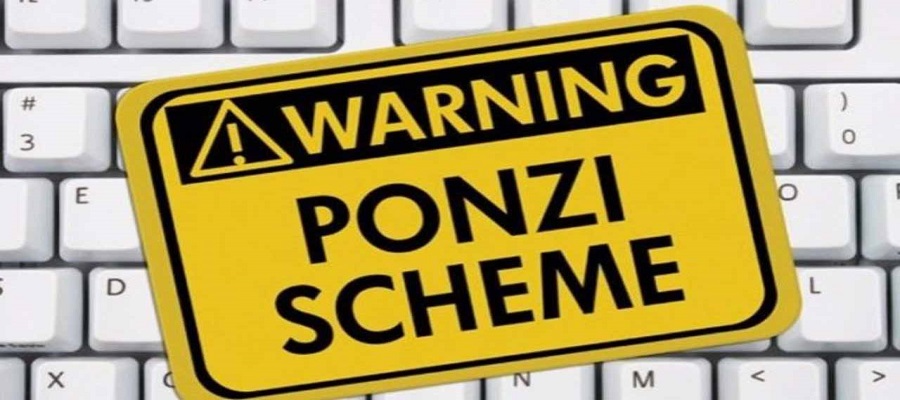
National Reading Culture (NRC), an online investment platform targeting Nigerians has collapsed, resulting in the loss of billions of Naira for investors.

The website unexpectedly shut down, blocking users from withdrawing their funds and locking in their investments.
Just like all other investment scams, victims were lured with promises of doubling their money in few weeks.
When National Reading Culture eventually crashed, the operators vanished with users’ funds, leaving investors devastated.
How the Platform WorkedTask-Based Earning:
According findings, National Reading Culture lured users with promises of making money by completing simple daily tasks like reading articles, clicking links, or inviting friends.
They also offered investment tiers to earn higher daily profits, where users had to deposit their own money into the platform.
Evidence showed the website previously operated as a Chinese job search platform before rebranding into an “earning” scheme.


The Nigeria Social Insurance Trust Fund (NSITF) has signed a memorandum of understanding (MoU) with Rand Mutual Assurance (RMA) to collaborate on digital transformation aimed at strengthening worker protection systems and support economic growth.

According to RMA, the agreement was concluded during a visit by its delegation to Abuja.
The partnership will focus on institutional capability development, modernising operating models, improving service delivery and sharing knowledge between the two organisations.
Through the partnership, RMA and NSITF will collaborate to strengthen institutional capability, modernise operating models, accelerate digital transformation and improve services for workers and employers.
The organisations will also explore opportunities for knowledge exchange and the adoption of best practices in social security administration.
RMA said the agreement forms part of its broader engagement with governments, regulators and social security institutions across Africa to support improvements in governance, operational resilience and service delivery.
“Our partnership with NSITF reflects much more than the signing of an agreement,” said Mandla Shezi, group chief executive officer of RMA. “This partnership is not simply about sharing knowledge. It is about co-creating the next generation of African social security systems.”
He added: “By combining our respective strengths, we can help build institutions that are more resilient, more responsive and better equipped to protect workers while supporting national development.”
Shezi said the future of social security depends on integrated systems where prevention, insurance, healthcare, rehabilitation, technology, investment management and institutional capability work together.
Microsoft has announced plans to cut about 4,800 jobs, representing roughly 2.1 percent of its global workforce, with Xbox, its gaming division, expected to bear the largest share of the layoffs.

The company said more than 1,600 positions at Xbox would be eliminated immediately, while another 1,600 jobs would be phased out over the next year as part of a major restructuring of the gaming business.
In a memo to employees, Amy Coleman, executive vice president, Microsoft, said the company was streamlining its operations to focus on areas that deliver greater value to customers in a rapidly changing technology industry.
Asha Sharma, chief executive officer, Xbox, described the move as “the most significant restructure in Xbox history,” saying the changes are intended to position the gaming business for long-term growth rather than downsizing.

Court Declares ARCON’s N60Bn Fine against Facebook Nigeria Illegal

NIN Enrollment Hits over 136m as New ID Law Takes Effect

NRC, Ponzi Scheme Collapses Resulting Loss of Billions of Naira

Plateau PCC Collects Nigerians’ Data without Privacy Policy – FIJ

FG Suspends New Internet Regulations to Prevent Overlapping Rules

Mobile Internet Gender Gap Widest in Africa – GSMA

NASENI Moves to Digitize CCB’s 5m Assets Declaration and Operations

Nigeria Launches FreeTV Nationwide

CANAL+ Partners Samsung to Pre-Load DStv Stream on New Samsung TVs In Nigeria, Other African Countries

UK, Nigeria Launch £15m Growth Programme to Accelerate Economic Transformation




 E-Financial2 days ago
Tokenization, Blockchain Technology will Transform Financial Institutions – IMF

 General News2 days ago
NIS Deploys Advanced Surveillance Masts, other Critical Infrastructure to Boost Border Security

 Broadcasting2 days ago
Obi, NDC Presidential Candidate Faces N50Bn Defamation Claim over Alleged Podcast Remark

 E-Business2 days ago
Weebly Websites to Shut Down for Nigeria, 66 Other Countries from September

 E-Financial2 days ago
FG Denies N8 Trillion ‘Shadow Budget’, Says IMF Quoted out of Context

 Telecom2 days ago
No Plans for Fresh Tariff Hike – MTN

 General News1 day ago
IHS Nigeria, FCT-HSES Concludes Clean Cooking Energy Campaign “Project Breathe Clean Air” in Abuja

 News2 days ago
World Bank Sounds Alarm: Low Revenue, Not Debt, Is Nigeria’s Biggest Fiscal Threat