

Broadcasting
GOtv’s Milestones, New Identity @ 5

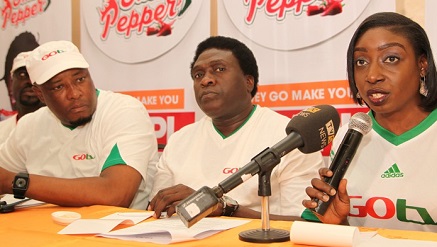
GOTV, a pay-tv service provider in Nigeria, prides itself as the home of African television that is committed to delivering family entertainment.
GOtv’s Launch in Nigeria & Brand promise
The pay-tv service provider launched operations in Nigeria, first, in Oyo State, on October 11, 2011 with a brand promise, to be “A low cost digital television service, offering the greatest selection of local channels, made in Africa for Africans as well as the best international channel”.

Five years ago, the TV service chose to provide the greatest selection of local channels made in Africa for Africa by offering two bouquets: GOtv Plus: 33 channels (N1,500) and GOtv: 26 channels (N1,000) which were sold for N9,900 (decoder and indoor antenna only) and features in its bouquet TV channels such as Africamagic Plus, Discovery, Disney Junior, E-Africa, E! Entertainment, Nickelodeon, Select Sport, Style, BBC World News and Al Jazeera and in addition, local TV channels AIT, LTV, NTA Plus, NN24 and STV.
Also, at launch, GOtv’s ‘simple’ message was “A clarion call to GO…” Breaking down the message, GOtv urged Nigerians to “get a digital decoder & join in the digital migration; enjoy crystal clear pictures & sound; enjoy quality entertainment at an affordable price”.
“GOtv’s strategy has been to remain hyper-local; using local lingo, slangs and landmarks which our audience could relate to because our subscribers and targets are grassroots”, according to John Ugbe, managing director, MultiChoice Nigeria.
Three years on, GOtv has become one of the solid stations in the Digital Terrestrial Television (DTTV or DTT); a technological evolution of broadcast television and advancement over analog television.
Efe Obiomah, GOtv’s public relations manager, puts it this way: “GOtv’s outstanding performance as the leader in the Nigerian DTT space is even re-echoed in the subscribers’ testimonies. GOtv is a complete companion; choice of channels which they enjoyed with family & friends; a new journey of escapism; part of their lives. This insight that GOtv is ‘more than entertainment’ led to a brand refresh, because we brought change in pay-off & re-naming of the lower-tier bouquet from GOtv to GOtv Value”.
Spread
Today, GOtv’s signal has spread to over 50 cities in 24 states and the FCT with 3 bouquets: GOtv Plus: 50 channels (N1,800 monthly); GOtv Value: over 25 channels (N1,200 monthly) and GOtv Lite: over 18 channels (N400 monthly), GOtenna decoder selling for N6,900 GOtenna with three months subscription.
Milestones @ 5
Digital since inception, GOtv was the first to launch the approved DVB-T2 decoders in Nigeria in 2011; first DTT pay-TV to carry radio channels on its platform – Wazobia FM and Naija FM 102.7; launched door-to-door customer service scheme – GOtv Sabimen; youth empowerment through the GOtv Canvasser Scheme and supporting the development of sports in Nigeria.
The Station is credited for reviving professional boxing through the GOtv Boxing Night launched in November 2014 – eight events so far; sponsorship of grassroots football club – Ikorodu United FC and self service – great improvement.
New Identity
What will the future look like for GOtv? During a recent press conference to announce activities lines for the fifth anniversary celebration, Obiomah made a presentation where she said that the brand attributes remain unchanged, implying the pay-tv service provider will remain bold; friendly, simple; innovative and pragmatic, but with more insight, “GOtv is so irresistible that our subscribers cannot stop talking about it.
“The football gets our subscribers ‘GOgetters’ bonding, jumping and hugging; the cartoons get GOkids laughing and learning; the telenovelas get GOgetters bonding and glued to their screens; the religious content get GOgetters lifted, praising and the music content get GOgetters dancing”.
So, to celebrate its 5th anniversary, GOtv launched a new campaign to capture these emotions as a TV service provider that gets subscribers to talk, scream, laugh, sing, dance, lifted, bonding, which it calls “GOtv Lite”
Why GOtv Lite
Obiomah added that “In this tough economic situation, we have introduced a new bouquet that is; most affordable in the pay-tv market; giving subscribers more choice and flexible subscription rate of N400 per month (which is approximately N13 per day); every 3 months at N1,050 and every 12 months at N3,100”
GOtv Lite comes with nine local channels; two (local) radio Stations; two religious-based stations; children and music channels, one each; two news and commerce channels; entertainment and sports channels too.
While Nigeria CommunicationsWeek readers patiently wait in those States where GOtv signals are yet to go live, for now, GOtv should not relent on its promise to: remain same great digital quality; the best content available on DTT; more channels; innovation; simple services and placing the Customer First.


Uchenna Mbunabo, Nigerian filmmaker, has raised concerns over the alleged unauthorised broadcast of Nollywood films by some Ghanaian television stations, calling on Ghana’s National Film Authority (NFA) to strengthen the enforcement of copyright laws.

Uchenna Mbunabo, Nigerian filmmaker
Mbunabo made the remarks during a conversation with James Gardiner, deputy CEO of the National Film Authority (NFA) of Ghana.
He questioned whether it was permissible for television stations in Ghana to download Nigerian movies from YouTube and air them without obtaining permission from the producers.
“I noticed that Ghanaian TV stations, the way they are stealing our films and showing them for free with impunity. Is it legalised in your country for TV stations to go on YouTube, download people’s sweat and show it for free?”
According to Mbunabo, some Ghanaian television stations have been downloading newly released Nollywood films from YouTube and broadcasting them without authorisation, depriving producers of revenue generated through the platform.
He also stated that he had not witnessed Nigerian television stations engaging in similar practices and questioned what measures Ghana was taking to protect filmmakers’ intellectual property.
Responding to the concerns, Gardiner acknowledged that the issue exists and said the National Film Authority had begun engaging relevant stakeholders to address it.
He disclosed that the NFA has held discussions with the Ministry of Communications, the National Communications Authority (NCA) and the National Media Commission (NMC) on improving copyright enforcement.
Gardiner explained that while Ghana has copyright laws, enforcement remains challenging because many television stations now operate digitally and may not have physical offices within the country.
“There are copyright laws, but they are not effective because a lot of the TV stations don’t have offices. Most of them are now digital, so they operate from anywhere. They can even have a Ghanaian TV station but be operating from Austria simply because it is digital.”
He added that authorities are considering a new licensing framework that would require broadcasters to undergo a fresh licensing process to improve monitoring and enforcement.
According to Gardiner, television stations found guilty of illegally broadcasting copyrighted content would be required to compensate affected producers through fines.
He added that repeat offenders could face suspension of their broadcasting licences, while a third violation could result in the revocation of their licences.
Although he did not provide a specific timeline, Gardiner said the reforms were already underway and expressed hope that significant progress would be seen next year.
Mbunabo welcomed the proposed measures but urged the National Film Authority to expedite the process, stating that unauthorised broadcasts continue to affect filmmakers’ ability to recover production costs through legitimate distribution channels such as YouTube.
He also stressed that his comments were not directed at Ghana’s film industry, noting that he has worked with several Ghanaian actors over the years and supports collaborations between Nollywood and Ghallywood.

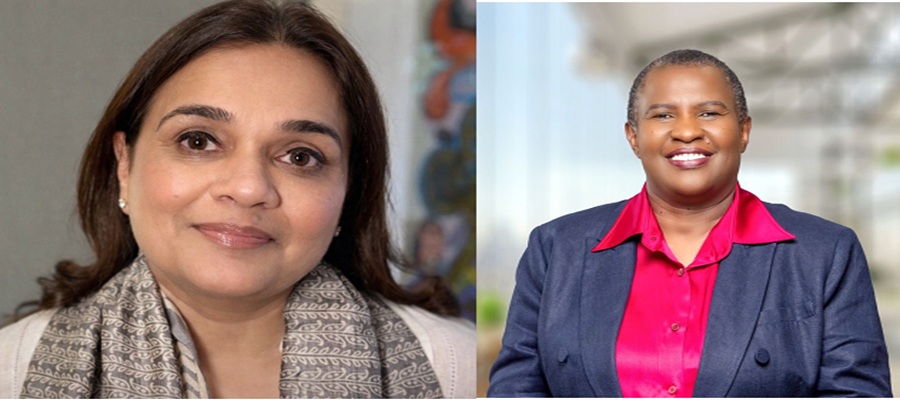

Broadcasting Organization of Nigeria (BON) has established six committees to help strengthen and modernize the country’s broadcasting industry.

The committees will focus on content creation, skills development, digital transformation, sustainability, policy and commercial opportunities
The initiative aims to support industry growth and improve collaboration between broadcasters, regulators and media experts
The official launch recently, was led by Tony Akiotu, president, BON and attended by media professionals, program directors, former journalists and heads of specialized media organizations.
The event brought together several prominent figures in Nigeria’s media industry, including veteran broadcaster and trainer Bimbo Oloyede, Tony Uyah of M4S TV, Kingsley Uranta of Channels Television, Ismael Sani of Platinum TV and Ibrahim Shehu of Trust TV.
Together, they are expected to help drive innovation and support the growth of Nigeria’s broadcasting sector.
According to Akiotu, the committees are intended both to help shape industry policy and to provide a forum for dialogue between BON and broadcasting experts.
Akiotu said the ad hoc committees were intended to strengthen BON’s work and ensure that the umbrella body for Nigeria’s broadcasters played a more direct and meaningful role in developing the country’s broadcasting sector.
The six committees reflect the sector’s main priorities. The first focuses on collaboration and innovation to promote content creation.
The second is dedicated to training and talent development, while the third focuses on industry sustainability by improving the sector’s long-term financial viability.
A fourth committee will focus on digital transformation and work with the National Broadcasting Commission (NBC) on regulatory issues.
The remaining two committees will oversee public policy advocacy and the development of sports and commercial rights to help broadcasters increase revenue and attract more investment. Together, the committees are expected to guide BON’s efforts to modernize and strengthen Nigeria’s broadcasting industry.
The committees, chaired by members of BON’s General Assembly and supported by the organization’s Secretariat, have an initial 12-month mandate that may be renewed if necessary.
They are required to submit a progress report within three months and implement approved recommendations within the following six months.
The arrangement is intended to ensure close oversight and the timely implementation of their work.
Akiotu also reminded committee members that Nigeria pioneered television broadcasting in Africa and urged them to carry out their work with greater effectiveness and efficiency.

Next Currency Crisis May Turn $300Bn in Stablecoins into National Currencies

NIHSA Warns States of Possible Flood within Seven Days

FG to Raise N1.2 Trillion via Fresh Bond Offer – DMO

Gigbanc Nigerian Fintech Startup Closes Shop after 3 Years

Mbunabo, Nigerian Filmmaker Accuses Ghana TV Stations of Pirating Nollywood Films

NRC, Ponzi Scheme Collapses Resulting Loss of Billions of Naira

Nigeria Launches FreeTV Nationwide

NASENI Moves to Digitize CCB’s 5m Assets Declaration and Operations

Lebara Nigeria Launches Lebara Play, Africa’s First Telecom-Owned Micro-Drama Platform

CANAL+ Partners Samsung to Pre-Load DStv Stream on New Samsung TVs In Nigeria, Other African Countries




 News2 days ago
Xora Finance, Fintech Firm Refuses to Hire Nigerians over Alleged Dishonesty

 Telecom2 days ago
NCC Advances Dig Once Policy, Engages Stakeholders on Cost-Based Framework for Duct Sharing

 Telecom2 days ago
NCC to Keynote Telecom Sector Sustainability Forum 7.0

 General News2 days ago
FG Secures Fresh $208.3m World Bank Loan for Cash Transfer
 News2 days ago
How Ponzi Scheme Victims can Seek Legal Remedies — Lawyers

 News2 days ago
PalmPay Nigeria Appoints Samuel Oluyemi as Chief Operating Officer

 General News2 days ago
SERAP Sues INEC over Alleged N800Bn 2027 Tinubu Campaign Fund

 Telecom1 day ago
MTN Nigeria Slashes Cost of Broadband Internet Router, Unwraps New Data Bundles for Low-Budget Users