

Telecom
SIM Recycling Puts Nigerian Phone Users in Danger

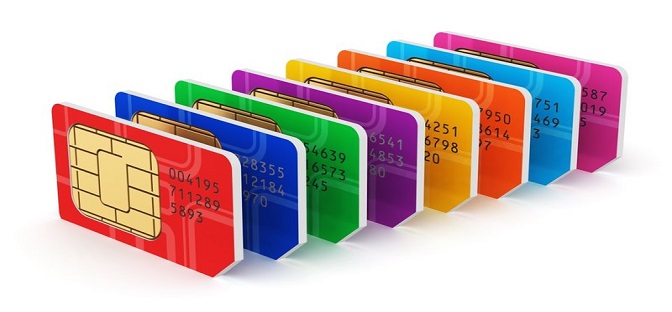
IN August 2014, Kazeem Biriowo visited sales promotion event organised by the MTN in Ota, Ado/Odo/Ota Local Government Area in Ogun State.

Due to the enticing promotional benefits, he bought an MTN SIM card.
According to International Center for Investigative Reporting, (ICIR), right there, he did his Subscriber Identity Module (SIM) registration, data capturing as well as fingerprints.
ICIR is an independent, nonprofit news agency that seeks to promote transparency and accountability through robust and objective investigative reporting.
According to ICIR, surprisingly, months after, a subscriber, who seems to be a Lagos businessman, residing at the Bourdillion called claiming, he is the real owner of the line.

Prior to this time, clients of the businessman were communicating via text messages to the same line, oblivious of the fact that recipient of those messages is not actually their business partner.
This continued for a long time, until he resolved to discard the SIM card for a newly registered one.
“It appears the person is into freight business because his clients sent several credit alerts to the SIM,” Biriowo told The ICIR.
“For instance, someone once sent a message that he has just sent N100, 000 to his (businessman) account as part of N500, 000 payment so far made. So, to avoid impersonation, I decided to forgo the line.”
Inspite of his trouble, Biriowo bought another MTN line.
But, he was shocked to find out the new line he duly registered was also registered with name belonging to another person, after checking through the True Caller, a popular phone application used to verify people’s identity.
“I was surprised to see Nurse Awal,” he said.
Again, just last week someone called him and said, “Mr Man, this is my phone number. At this time, I was furious. So, I responded– Mr Man! You have called the wrong line”, says Biriowo. “He called again but I insisted the line is mine. So, he terminated the call.”
Why phone users may be at risk
Subscribers to the major telecommunication companies were randomly contacted. And findings showed that most of those who did SIM swap have experienced frustration due to SIM recycling capable of exposing users to danger.
On 7th January, Omoyele Sowore, the Sahara Reporters Publisher shared on his timeline how a man, Anthony Okolia was illegally detained for possessing a phone line he purchased years after it was allegedly abandoned by Hanan Buhari, daughter of Nigeria’s President.
It was discovered that the accused had earlier registered the SIM. Fortunately, he was still in possession of the payment receipt.
In fact, Okolia was allegedly detained for 10 weeks but later released through the effort of his lawyer when Buhari’s daughter refused to present herself to prove she is the rightful owner.
The incident generated some controversy. While some questioned legality of SIM swap, others expressed worry over unlawful detainment of the accused persons. There are several other Nigerians who have had similar SIM swap experience but not made their complaints public.
Last year December, Adeleke Adewolu, NCC Executive Commissioner on Stakeholder Management (ECSM) attributed illegal SIM swaps as being responsible for the highest cyber threats recorded in the telecom sector.
But, based on Biriowo’s observation, anyone who buys a phone line which starts with 08033, for instance in 2018 and above could have bought a swapped line. The original owner could be dead or the SIM card stolen, thus such SIM may have been recycled, he suggested.
While this may be entirely true, The ICIR also discovered that mobile phone lines which have been inactive for three months are mostly considered moribund by telecom firms.
It was also discovered that some of the operators would often send a short message to subscribers after the third month to verify the line’s activeness. The concerned persons are then advised to recharge a certain amount; otherwise, the line will be re-cycled.
An alternative scenario is such that mobile SIM cards are mostly produced in batches such as from 0803, 0806, 0813 etc for the MTN. Globacom phone number prefix started with O805, 0807, 0705…etc while Airtel is 0802, 0902, 0701, 0808, 0708, etc. The trend further applies to the other telecom network operators.
As such, while new SIMS are produced, unused ones are recycled but with likely grave consequences to subscribers.
More sordid experience
A journalist who sought anonymity while sharing his experience told The ICIR how he registered his SIM card in Lagos at a roadside outlet believed to be an accredited Airtel agent. He had used the same active SIM for years until he moved to Abuja.
“Those guys captured me. They did my fingerprint and collected every data…” he said.
At the advent of the 4G network, he decides to upgrade his SIM card at the Airtel office situated within the Central Business District (CBD). But he was shocked when he got a surprising response at the counter – his line belongs to someone else.
“When I wanted to change to 4G last month, I went to the Airtel office at Shoprite in Musa Yardua and I was told to write down my name. I did that, but after he checked, I was told it is assigned to another name.
“It is my active line. In fact, I abandoned another line for it. So that’s not possible,” he argued, yet in a state of confusion. But, the telecom operator official affirmed, “that’s what the record shows.” It was same experience with Biriowo, the earlier complainant.
The senior journalist was later advised to re-register the number in his name before he could migrate to 4G. And he was told he would wait another one month before the migration could happen.


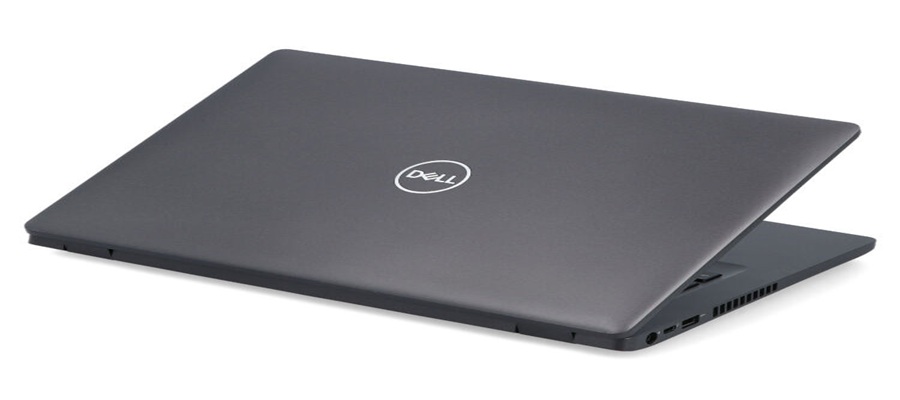
MENXTT TECH NG, a Lagos-based technology company, has launched an initiative to make quality Dell laptops more affordable for Nigerians through flexible payment plans and extended warranty support.

The company said the initiative was aimed at helping students, entrepreneurs, professionals and small businesses acquire reliable computing devices despite rising technology costs.
According to the company, customers can now purchase premium pre-owned Dell Latitude, Dell Precision and Dell Inspiron laptops at competitive prices, with selected models available under staggered payment arrangements.
The laptops, it said, are designed to meet the needs of users ranging from students and office workers to architects, engineers, software developers, graphic designers and video editors.
Speaking on the initiative, the Co-Founder of MENXTT TECH NG, Mr Anthony Emeka Nwosu, said access to quality technology should not be limited by financial constraints.
“A laptop is no longer a luxury; it is an essential tool for education, business and career development.
“Unfortunately, many people are forced to settle for unreliable devices because of the high cost of new laptops.
“At MENXTT TECH NG, we want to bridge that gap by providing durable Dell business laptops at affordable prices, backed by a full one-year warranty and flexible payment plans.
“We want every student, entrepreneur, freelancer and business owner to have access to technology that helps them succeed,” he said.
Nwosu explained that every laptop undergoes comprehensive testing before delivery and comes with a one-year warranty, an original charger, a complimentary laptop bag, Windows 11 operating system and Microsoft Office Suite pre-installed.
He added that the company, an authorised Bitdefender Antivirus reseller in Nigeria, also installs genuine Bitdefender security software on every system to protect customers against cyber threats.
According to him, customers requiring additional productivity tools can also have licensed Foxit PDF software installed on their devices.
Nwosu said the flexible payment option was introduced in response to prevailing economic realities, enabling customers to spread payments over an agreed period.
He noted that the arrangement would make it easier for students, startups and growing businesses to acquire quality computers without placing excessive pressure on their finances.
Beyond laptop sales, the company provides information technology consultancy, computer repairs, software licensing, cybersecurity solutions and digital transformation services to organisations across Nigeria.
He reaffirmed the company’s commitment to supporting Nigeria’s digital economy by making dependable computing devices and enterprise technology solutions more accessible to individuals and businesses.
According to him, the initiative reflects MENXTT TECH NG’s vision of combining affordability, quality products and professional after-sales support to help more Nigerians participate in the country’s expanding digital ecosystem. (NAN)
National Information Technology Development Agency (NITDA) has called for stronger collaboration among government, industry, academia and technology professionals to accelerate digital innovation and drive inclusive economic growth in Nigeria.

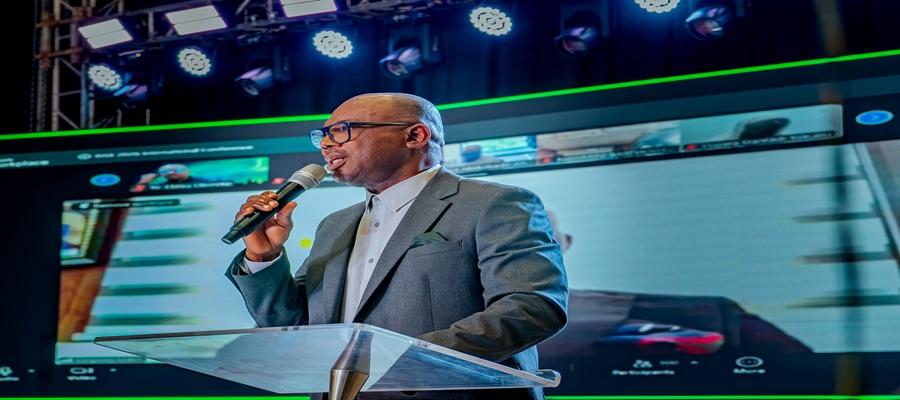
Dr. Aristotle Onumo, Director, Stakeholder Management and Partnerships, representing the Director General of NITDA, delivers a goodwill message at the 20th International Conference on Technology and Computing (RISE 2026) in Jos, reaffirming the Agency’s commitment to fostering digital innovation, strategic collaboration, and a technology-driven future for Nigeria.
The agency made the call at the 20th Nigeria Computer Society (NCS) International Conference 2026, held in Jos, Plateau State, where stakeholders examined strategies for leveraging emerging technologies to strengthen national development.
Speaking on behalf of the Director-General of NITDA, Mr Kashifu Inuwa, the agency’s Director of Stakeholders Management and Partnerships, Dr Aristotle Onumo, said Nigeria’s digital transformation would depend on sustained investment in innovation, digital skills, research and strategic partnerships.
According to him, collaboration across the public and private sectors is essential to translate emerging technologies into practical solutions capable of improving governance, creating jobs and enhancing the country’s global competitiveness.
Onumo said NITDA remained committed to implementing its Strategic Roadmap and Action Plan through initiatives that promote digital literacy, research and development, innovation ecosystems, cyber sovereignty and emerging technologies.
He added that the agency was expanding opportunities for innovators, entrepreneurs and startups through platforms designed to encourage collaboration, investment and technology-driven enterprise.
“We are transforming Digital Nigeria into the nation’s foremost innovation platform where policymakers, investors, startups, researchers and technology companies can collaborate to accelerate economic growth and digital transformation,” he said.
He urged innovators, startup founders and technology professionals to participate actively in the forthcoming Builders Summit by showcasing indigenous solutions capable of addressing Nigeria’s development challenges.
Declaring the conference open, the Governor of Plateau State, Mr Caleb Mutfwang, described digital technology as a critical driver of governance and economic development.
Mutfwang said his administration had adopted digital solutions to improve public service delivery, modernise government operations and enhance internally generated revenue.
He also identified technology as a key enabler for agricultural transformation, increased productivity and improved food security, urging participants to ensure that deliberations at the conference translate into practical outcomes for national development.
Earlier, the President of the Nigeria Computer Society (NCS), Prof. Muhammad Sirajo, said the conference was organised to strengthen collaboration among policymakers, researchers, regulators, technology professionals and industry leaders.
Sirajo said the conference, with the theme “Harnessing Digital Innovation and Emerging Technologies for Inclusive Growth and Economic Renaissance (RISE 2026),” focused on exploring how innovation could accelerate Nigeria’s socio-economic development.
He identified artificial intelligence, blockchain, cloud computing, cybersecurity and robotics as among the technologies shaping the future of economies across the world.
According to him, Nigeria’s youthful population and expanding digital ecosystem provide a strong foundation for building a globally competitive economy through sustained investment in digital infrastructure, innovation and skills development.
The conference attracted government officials, regulators, academics, development partners, technology professionals and private-sector stakeholders to deliberate on policies and innovations aimed at accelerating Nigeria’s digital transformation and inclusive economic renaissance.
Telecom
Hon. Minister Dr. Kingsley T. Udeh and ASUS To Unveil First of a Kind Flagship Store in West Africa

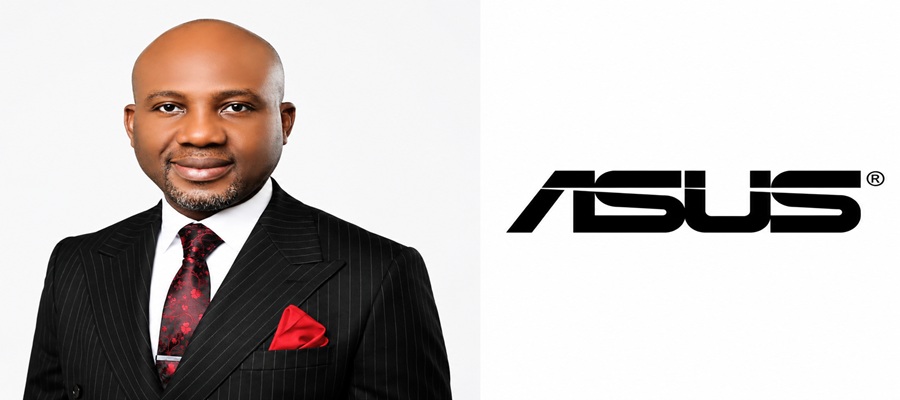
In a landmark moment for Nigeria’s technology retail sector, the Honourable Minister of Innovation, Science and Technology, Dr Kingsley Tochukwu Udeh SAN, will on Monday, August 3rd, commission a landmark ASUS Flagship Store in partnership with Nigeria’s leading e-commerce group Konga. The state-of-the-art facility is widely regarded as the first initiative of its kind in West Africa.

The commissioning will witness the visit of senior executives from the world-renowned technology brand to Nigeria, including EMEA General Manager, Mr. Aaron Tsai, alongside other. One of the purposes of their visit is to reinforce the strategic partnership with Konga and solidify the collaboration between both organisations, further demonstrating ASUS’ commitment to the Nigerian market.
The event is expected to also bring together key stakeholders from government, the technology industry, business community, and the media for what promises to be a defining moment in the evolution of technology retail in the region.
The development comes as Konga continues to accelerate its strategic partnerships with some of the world’s leading technology brands.
For years, Nigerian consumers have demanded more than just access to genuine technology products. They have increasingly sought immersive experiences, expert guidance, after-sales support, and greater confidence when making technology investments. The next chapter in this journey appears to address many of these expectations in a bold and innovative way.
The forthcoming announcement is expected to bring together global innovation in a manner that reflects the changing realities of today’s technology consumer. It also reinforces the growing confidence that leading international technology companies continue to place in Nigeria as one of Africa’s most strategic digital markets.
Industry analysts note that partnerships of this nature are becoming increasingly important as consumers place greater emphasis on authenticity, hands-on product experiences, technical support, and trusted purchase channels. Beyond selling devices, the future of technology retail lies in building complete customer experiences.
As anticipation builds for Monday, one thing is certain: the ASUS-Konga partnership promises to set new standards for tech retail in West Africa, elevating customer experience and reinforcing Nigeria’s digital transformation narrative.

EFCC Arraigns 4 over Alleged $5.3m Fraud Scheme

CBN Orders N19Bn Refunds to Customers as Complaints Rise

Access Bank Debunks Shutdown Report, Vows Action against Perpetrators

Oye, AERE Raises Alarm as 8m MSMEs Collapse in 18 Months

Kaspersky Uncovers Cyber Threats Defining the First Half of 2026 in Nigeria, Others

NRC, Ponzi Scheme Collapses Resulting Loss of Billions of Naira

EFCC Busts NIS Visa Overstay Racket, Uncovers N700m in an Account

From Scarcity to Scale: What Africa Can Learn from India’s Agricultural Transformation

Tokenization, Blockchain Technology will Transform Financial Institutions – IMF

BON Establishes Six Ad Hoc Committees to Modernize Broadcasting




 Telecom3 days ago
Fact-Check: Elon Musk’s “Tesla Pi Phone” is Internet Rumor

 E-Financial3 days ago
Malpass, Ex World Bank Chief Raises Alarm over Nigeria’s Secretive Debt Structures

 Telecom3 days ago
How and Why Apps Deplete Data – ALTON

 News3 days ago
CIBN, ACAMB Push for Financial Inclusion, Women Empowerment

 E-Financial3 days ago
S&P Global Acquires Agusto & Co. to Strengthen Credit Ratings Across Africa

 Telecom3 days ago
Galaxy Backbone Soft Launches Government Service Portal to Simplify Access to Public Services

 E-Business3 days ago
NDPC Directs DCPMIs to Register with Agency or Face Legal Consequences

 Broadcasting3 days ago
Africa Prudential Posts N1.59bn Profit in H1 2026, Reaffirms Digital Growth Strategy