

News
Ojobo, Former NCC Spokesman, Others Make 2020 List of 100 Most Reputable Africans


Reputation Poll International, a leading global reputation-management firm, has released the 2020 list of 100 Most Reputable Africans.
The list features 47 women and 53 men from diverse sectors including; Leadership, Entertainment, Advocacy, Education and Business.

The selection Criteria are: Integrity, Visibility and Impact.
Very prominent personalities featured in the list include: Ethiopia’s Prime Minister Abiy Ahmed; Nigeria’s Dr. Paul Enenche, South Africa’s Prof. Wiseman L. Nkuhlu, Chancellor of the University of Pretoria and Chairman of Rothschild (SA); Guinean Economist Cellou Dalein Diallo, and Cameroon’s Dr. Vera Songwe, Executive Secretary, United Nations Economic Commission for Africa.
On Governance: the list features 2 African Presidents, one Vice President and policy makers.
On Business: South Africa’s Dr. Precious Moloi-Motsepe, Ethiopia’s Bethlehem Tilahun Alemu and Nigeria’s Folorunso Alakija are featured for their works across the Globe.
On Leadership: Ethiopia’s Prime Minister Abiy Ahmed, Sierra Leone’s Yvonne Aki-Sawyerr OBE, Nigeria’s Ngozi Okonjo Iweala and Ghana’s former Vice Chancellor of University of Cape Coast, Jane Naana Opoku-Agyemang
The above luminaries are joined by other great Africans who are celebrated for their Social Impact, as well as Social Entrepreneurship, that are transforming businesses in Africa and affecting lives positively without controversy.
Reputation Poll, known globally for its annual ranking of the 100 Most Reputable People on Earth and Most Reputable CEOs in various countries, is also poised to announce a new set of research on 100 Most Reputable Charity Organizations on earth.
2020 Most Reputable Africans – 2
During the announcement of the list by the incoming African Chairperson of the Review and Audit Committee/Member of the Board, Ms. Beldina Auma, Chair Emeritus, World Bank Group-IMF African Society and President of SCIP-International, LLC, made mention of the Organizations’ continued focus and commitment in honouring individuals, organizations and brands that consistently impact lives positively around the world and in Africa.
It is important to note that the ranking is in alphabetical order.
- Abdessattar Ben Moussa || President, Tunisian Human Rights League
- Abiy Ahmed || Prime Minister, Ethiopia
- Acha Leke || Senior Partner, McKinsey & Company
- Achille Mbembe || Political Scientist
- Adama Gorou (Adams) || Human Potential Catalyst
- Agnes Kalibata || President, Alliance for a Green Revolution in Africa
- Akinwumi Adesina Dr. || President, African Development Bank
- Amadou Diaw || Founder, Forum de Saint Louis
- Amadou Gallo || Managing Director NBA Africa
- Amadou Mahtar Ba || Executive Chairman, AllAfrica Global Media Inc.
- Amani Abou-Zeid || Commissioner, African Union Commission
- Amina C. Mohamed || Cabinet Secretary, Kenya
- Angélique Kidjo || Musician
- Anna Kajumulo Tibaijuka || Member of Parliament, Tanzania
- Anne Makinda || Politician
- Anthony Navo Jnr || Founder, African Young Voices
- Arikana Chihombori Quao.Dr || Educator, Policy Leader
- Asha-Rose Migiro || Diplomat
- Ashish Thakkar || Founder Mara Group
- Basetsana “Bassie” Kumalo || Businesswoman.
- Belay Begashaw || DG, The Sustainable Development Goals Center for Africa
- Bethlehem Tilahun Alemu || Entrepreneur
- Bineta Diop || Founder, Femmes Africa Solidarité Senegal
- Carlos Lopes || Economist
- Caster Semenya || Olympic Athlete
- Catherine Adoyo Prof. || Professor, George Washington University
- Cellou Dalien Diallo || Economist and Politician
- Collen Mashawana || Philanthropist
- Denis Mukwege || Founder, Panzi Hospital
- Divine Ndhlukula || Managing Director, SECURICO
- Donald Kaberuka || Board Chair, Global Fund
- Edith Brou || Digital Entrepreneur
- Ellinah Wamukoya (Bishop) || Clergy
- Elsie S. Kanza || Head of Africa, World Economic Forum
- Emma Inamutila Theofelus || Deputy Minister, Namibia
- Enenche Paul Dr || Senior Pastor, Dunamis Int’l Gospel Centre
- Fadumo Dayib || Politician
- Fatou Bensouda || Prosecutor, ICC
- Félix Tshisekedi || President, Democratic Republic of the Congo
- Femi Otedola || Chair, Forte Oil PLC
- Folorunso Alakija || Businesswoman and philanthropist
- Francis Arinze (Cardinal) || Cardinal, Roman Catholic Church
- Fred Swaniker || Founder, African Leadership Academy, Ghana
- Georges Rebelo Chikoti || Diplomat
- Hafez Ghanem || Vice President, World Bank
- Hajer Sharief || Co-Founder, Together we build it, Libya
- Hamadoun Touré || Executive Director, SMART Africa
- Hanna Tetteh || Head, United Nations Office to the African Union
- Ibrahim Hassane Mayaki || CEO, NEPAD
- Ilwad Elman || Director, Elman Peace and Human Rights Center
- Isatou Alwar Graham || Lawyer and writer
- Ishaq Usman Bello (Justice) || Chief Judge FCT Abuja
- Jackie Chimhanzi. Dr || CEO, African Leadership Institute
- James Alix Michel || Former President of Seychelles
- Jane Naana Opoku-Agyemang (Prof) || Former Vice Chancellor, University of Cape Coast
- Jelani Aliyu || Automotive Designer, General Motors
- Jewel C. Howard Taylor.H.E || Vice President, Liberia
- Johannes Gawaxab || Governor, Bank of Namibia
- José Eduardo Agualusa || Journalist and writer
- Kabirou Mbodje || Founder, Wari Group
- Ken Kwaku .Dr || International Investment & Corporate Governance Expert
- Kumi Naidoo || Secretary-General Amnesty International
- Kwesi Botchwey Prof. || Former Minister of Finance Ghana and Professor,
- Lamin Momodou Manneh || Lead, Regional Hub UNDP Africa
- Leymah Gbowee || Founder, Gbowee Peace Foundation
- Louise Mushikiwabo || Secretary-General, Organisation Internationale de la Francophonie
- Lwazi Bam || CEO, Deloitte Africa
- Macsuzy Mondon || Minister, Seychelles
- Major Seynabou Diouf || Police United Nation
- Manasseh Azure Awuni || Journalist
- Margaret Blick Kigozi Prof || Consultant, UNIDO
- Maria do Carmo Silveira || Former Prime Minister of São Tomé and Príncipe’s
- Mariéme Jamme || Founder, iamtheCODE
- Matshidiso Moeti .Dr || Regional Director for Africa, World Health Organization (WHO)
- Mensa Otabil || Theologian
- Mia Couto || Biologist and writer
- Michelle Ndiaye || Director, Institute for Peace and Security Studies
- Mohamed El Kettani || CEO Attijariwafa Bank
- Mohamed ElBaradei || Law scholar and diplomat who served as Vice-President of Egypt
- Mutahi Kagwe || Cabinet Secretary for Health, Republic of Kenya
- Ngozi Okonjoi-Iweala. Dr || Board Chair, Gazi, Nigeria
- Nhlamu Dlomu || Global Head of People, KPMG
- Nobuhle Judith Dlamini Nxasana Dr. || Businesswoman and Author
- Patrick Awuah || Founder, Ashesi University
- Patrick Loch Otieno Lumumba || Director, Kenya School of Law
- Paul Kagame H.E || President Rwanda
- Peter Tabichi || Teacher
- Phumzile Mlambo-Ngcuka || Executive Director, UN Women
- Precious Moloi-Motsepe Dr. || Entrepreneur
- Shamila Batohi || Director, National Prosecuting Authority
- Sheila Tlou || Co-Chair, Global HIV Prevention Coalition
- Tony Ojobo .Dr || Public policy expert
- Vera Songwe. Dr || UN Under Secretary General and Executive Director of UNECA,
- Vincent Rague || Co-founder of Catalyst Principal Partners,
- Wided Bouchamaoui || Co-Founder, Tunisian National Dialogue Quartet,
- Winnie Byanyima || Director UNAIDS,
- Wiseman L. Nkuhlu Prof || Chancellor, University of Pretoria
- Wycliffe A. Oparanya || Politician
- Yvonne Aki-Sawyerr OBE || Mayor, Freetown, Sierra Leone
- Zweli Mkhize Dr. || Minister, South Africa



Federal government has said that more than 32 million students have been captured on the Federal Government’s Digital National Education Information Management System (DNEMIS), ahead of the official launch of the platform on Wednesday, July 1.

The DNEMIS, is part of efforts to replace paper-based and fragmented education records with a single digital database.
Mr. Adebayo Onigbanjo, national project coordinator of the Special Programmes Operations and Implementation Unit in the Office of the Minister of Education, disclosed this on Monday in Abuja at a press conference.
Onibanjo said that the digital platform would transform education administration through technology and data-driven decision-making.
He said DNEMIS is the core platform of the Nigerian Education Data Infrastructure (NEDI), an initiative under the Nigeria Education Sector Renewal Initiative (NESRI), established to provide accurate, integrated and timely education data for planning, budgeting, policymaking and service delivery.
According to Onigbanjo, the platform replaces the fragmented data systems that have long constrained effective planning in the education sector.
“For many years, education planning relied on fragmented systems, inconsistent reporting structures and limited access to reliable data. DNEMIS changes that by ensuring that every learner, every school, every teacher and every investment in education is captured within a system that supports evidence-based decision-making,” he said.
He described education data as a strategic national asset, noting that the platform would strengthen transparency, accountability and governance across the sector.
Onigbanjo said the availability of reliable data would also support government efforts to tackle Nigeria’s out-of-school children challenge by enabling authorities to monitor enrolment, identify dropout patterns and target interventions where they are most needed.
“If you don’t measure, you can’t get a good sense of what the data is. Today, we already have 32 million students on the platform, and that gives us an indication of where learners are.
“We are also understanding their journey from when they start school and when they drop out. That gives us insight into their challenges and where investments need to go. Every school becomes visible, every student gets counted, every teacher is known, and every government expenditure in education becomes trackable. To a greater extent, this will stop wastage,” he said.
He added that the ultimate goal is to provide government with complete visibility into every learner’s educational journey, from enrolment through graduation, to improve learning outcomes and policy decisions.
Addressing concerns over data privacy, Onigbanjo said the platform was developed using globally recognised digital architecture with robust safeguards to protect personal information.
He explained that sensitive data would be masked while secure digital identity profiles would allow authorised users to access relevant information without exposing personal details.
Also speaking, Abubakar Isah, national coordinator, Nigerian Education Data Infrastructure (NEDI), said the system fully complies with Nigeria’s data protection regulations and international data security standards.
“We recognise the importance of data protection. We are complying with the country’s data protection rules and taking every necessary precaution to ensure that this data is secure,” he said.
Isah noted that while schools and state governments would have access to their respective data, communities, alumni associations and development partners would be able to access selected non-sensitive information to support school improvement and strengthen public accountability.
Earlier, Miss Mojoyin Adebajo, special adviser to the Minister of Education on Digital Communications and E-Learning, described DNEMIS as a major milestone in Nigeria’s digital education transformation.
She said the platform, developed on the globally recognised DHIS2 infrastructure, would digitise the Annual School Census and provide reliable information on schools, teachers, learners and education infrastructure across the country.
Adebajo added that Wednesday’s event would also witness the unveiling of the Public DNEMIS Portal, which will provide researchers, journalists, civil society organisations, development partners and members of the public with access to selected official education data through an interactive online platform.
She said the initiative underscores the Federal Ministry of Education’s commitment to promoting transparency, strengthening evidence-based planning and leveraging technology to improve educational outcomes nationwide.

President Bola Tinubu on Thursday urged Nigerians to pay their taxes, because the revenue is critical for his administration’s Renewed Hope Agenda to fund public infrastructure like roads, hospitals, and amenities across the country.

President Bola Tinubu
He spoke during the commissioning of interchange at Arterial Road N16 – Ring Road III Intersection linking Jahi District to Gwarimpa District of the FCT.
The project was among those earmarked to celebrate his third year anniversary and he was represented at the commissioning by Godswill Akpabio, Senate President.
He said: “I’m very proud to stand here to commission this Arterial road interchange N16 linking Jahi district to Gwarimpa District of the FCT.
“This is not just a bridge and slip roads, this is freedom of movement and time returned to the people, this is renewed hope that you can even drive on. This intersection used to choke the entirety of Abuja, gridlock stretched from Maitama to Gishiri, from Jahi to Gwarimpa; hours lost, fuel wasted, business were lost but today that story ends.
“This interchange opens up critical districts of the FCT and connects them smoothly to the rest of the FCT. Workers will get home earlier, security will improve because criminals strive when security stands still.
“Ladies and gentlemen, infrastructure is the foundation of prosperity which is the cardinal principle of this administration. Roads are the arteries of a nation, when we connect districts we connect destines and that is the logic of the renewed hope agenda, build the roads unlock the economy and let Nigerians strive.
“The Jahi-Gwarimpa interchange is prove that Nigeria is not beyond redemption. With focus, discipline, and political will, Nigeria will deliver and we are delivering, the FCT is delivering.”
The president also charged Nigerians and residents of the FCT to pay their taxes.
According to Tinubu, it would allow his administration to provide more infrastructural projects.
“Also pay your taxes and levies so that government can do even more for you,” he added.
News
MTN ASAP Enugu Stakeholders’ Conference Rallies More Action Against Youth Drug Abuse, Unveils N33Bn ASAP Impact

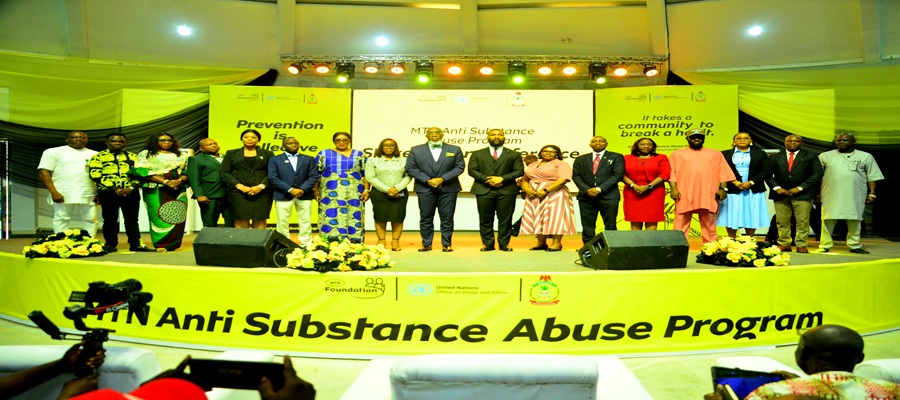
In a renewed push to confront the rising tide of drug abuse among Nigerian youth, stakeholders converged on Tuesday, June 9, 2026, at the ICC Dome, Enugu, for a State Stakeholders’ Engagement convened under the Anti-Substance Abuse Programme (ASAP).

The conference brought together government representatives, educators, development partners, and civil society actors to chart a unified path against substance abuse, with disclosures at the gathering revealing that an estimated ₦33 billion has so far been committed to developmental projects, programmes, and initiatives across the country, interventions that have impacted more than 33 million Nigerians directly and reached over 100 million through advocacy and awareness campaigns.
The Executive Governor of Enugu State, Barr. Peter Mbah, represented by the Secretary to the State Government, Prof. Chidiebere Onyia, commended the Foundation for its sustained investment in youth development and the fight against substance abuse.
He noted that the state’s transformation agenda is anchored in youth empowerment, education, healthcare, and human capital development – areas where the Foundation’s ₦33 billion commitment was already making a measurable difference.
“The MTN Foundation’s investment in youth development and the fight against substance abuse aligns directly with our administration’s transformational agenda. Initiatives like ASAP are exactly the kind of partnerships that move the needle on national development,” Prof. Onyia said.
He further urged other private sector players to emulate the Foundation’s example, stressing that the scale of Nigeria’s drug abuse demands sustained collaboration between government, the private sector, development partners, and civil society.
Addressing stakeholders, Odunayo Sanya, Executive Director of the MTN Foundation, said the Foundation, established in 2004 and fully funded by MTN Nigeria, was created to drive impact across health, capacity building, and economic empowerment, with deliberate focus on young people, who constitute the majority of Nigeria’s population.
She explained that the ASAP initiative, launched in 2019 in partnership with the National Drug Law Enforcement Agency (NDLEA) and the United Nations Office on Drugs and Crime (UNODC), was designed to reduce first-time drug use among young Nigerians through awareness campaigns and school-based interventions.
“We have reached over 50,000 students across the country and trained about 1,556 teachers as part of our efforts to create anti-drug ambassadors in schools and communities.”
“For us at the MTN Foundation, saving even one young person from substance abuse is a worthwhile achievement. The consequences go beyond the individual and affect families, communities, and the nation at large,” Odunayo said.
Looking ahead, she disclosed that the Foundation plans to reach more than 20,000 additional students in 2026 through expanded stakeholder engagements, school-based interventions, teacher training programmes, and community awareness campaigns.
She described substance abuse as a major threat to families, communities, and national development, stressing the urgent need for collective action to shield young people from addiction.
According to her, the Foundation’s mission is rooted not just in numbers, but in human outcomes – the lives, families, and futures it helps preserve.
The Executive Director, on her part, called on parents, educators, faith leaders, and community influencers to remain active partners in safeguarding the next generation from the dangers of substance abuse.
The intervention comes at a critical time. Fresh data presented at the conference indicate that over 360,000 youths in Enugu State – approximately 13.4% of the state’s young population – are actively involved in drug use.
Currently, the MTN Foundation (MTNF) and the United Nations Office on Drugs and Crime (UNODC) are conducting a comprehensive National Substance Use Survey to gather grassroots data on drug abuse, especially among secondary school students.

NDIC Says 281m Depositors Protected against Bank Failure

Wema Bank Suspends Telegram Operations over Scams

Akara Business Can Pay More than Bank Jobs – Governor Aide

OPay Unveils Emergency Lock, Safety PIN to Boost Customer Protection

FG Captures 32m Students DNEMIS ahead July 1 Rollout

London Strengthens Global Investment Ties with Africa @ First Ever London-Africa Business Summit

Mobile Internet Gender Gap Widest in Africa – GSMA

FG Targets Alleged N3tn Capital Flight, Opens Airtime Credit Market to Nigerian Fintechs

Japan, UNESCO Boost Digital Learning in 15 CoEs with Donation of ICT Equipment

Good News for DStv Users: Watch over 160 Channels Without Paying Extra




 E-Business1 day ago
LG Showcases AI-Powered Smart Living Innovations @ Africa Technology Expo 2026

 E-Financial1 day ago
UBA mobilises employees across Africa for environmental clean-up, wellness campaign

 General News1 day ago
LASTMA Launches 3367 Toll-Free Hotline for Emergency Response, Traffic Management

 Telecom1 day ago
OADC Reaffirms Abundant Capacity in Data Centres in Nigeria to Host Financial Data

 E-Financial1 day ago
PalmPay Calls for Trust, Infrastructure and Responsible AI to Drive Payment Ecosystem Innovation

 Telecom1 day ago
ALTON Backs NCC’s Local Smartphone Manufacturing Drive to Widen Digital Access

 E-Financial1 day ago
ngCERT Raises Alarm over Surge in Banks’ ATM Cyberattacks

 E-Business1 day ago
Want a Business Loan Without Interest? SMEDAN Launches N500m Fund