

E-Financial
FG Bans Cash Withdrawals from Public Accounts

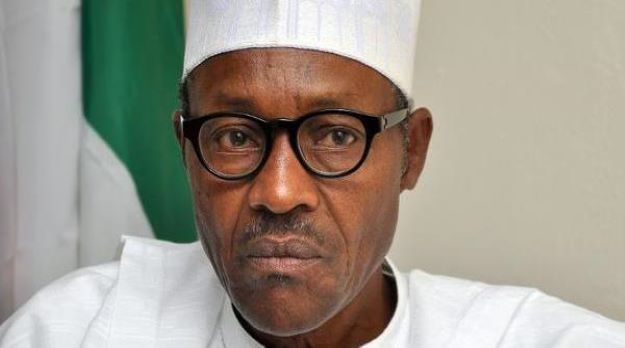
The Federal Government is to activate the stoppage of cash withdrawal from all public accounts with immediate effect.

In place of cash withdrawals, public officers are to open domiciliary accounts in foreign and local currencies ahead of the commencement of the new policy, which follows on the heels of the new Naira withdrawal policy introduced by the Central Bank of Nigeria.
A statement made available to Nigeria CommunicationsWeek on Tuesday, said the Director/CEO of the Nigerian Financial Intelligence Unit (NFIU), Modibbo Hamman Tukur, gave the new directive at a parley with the Chairman of Independent National Electoral Commission (INEC), Prof. Mahmud Yakubu, in Abuja.
The statement, which was signed by the NFIU’s Chief Media Analyst, Ahmed Dikko, said that the introduction of the new policy became necessary following the consistent devaluation of the Naira and the introduction of a new Naira Policy, which automatically activates Section 1 of the Money Laundering Prohibition Act.
The action is also said to have been activated following the observation that most cash withdrawals from government accounts including payments for estacode for public officials, are often in excess of the cash withdrawal limit provided by the Money Laundering Act.
The development, according to the NFIU boss, exposes innocent public officials to being liable to imprisonment.
Tukur also said the NFIU is already developing an advisory to the Secretary to the Government of the Federation, state governors and local government chairmen across the country to direct all public servants in their employ to open domiciliary and Naira accounts ahead of the commencement of the policy which becomes compulsory by law.
Tukur said governors and LG chairmen will also need to organize training for market men and women on how to use ATM and POS Services.
Tukur also dismissed as false claims being made by uninformed persons that the NFIU would block all federal government accounts from January 1, 2023.



By Blaise Udunze
Following the successful conclusion of the banking sector recapitalisation programme initiated in March 2024 by the Central Bank of Nigeria, the industry has raised N4.65 trillion. No doubt, this marks a significant milestone for the nation’s financial system as the exercise attracted both domestic and foreign investors, strengthened capital buffers, and reinforced regulatory confidence in the banking sector. By all prudential measures, once again, it will be said without doubt that it is a success story.

CBN
Looking at this feat closely and when weighed more critically, a more consequential question emerges, one that will ultimately determine whether this achievement becomes a genuine turning point or merely another financial milestone. Will a stronger banking sector finally translate into a more productive Nigerian economy, or will it be locked out?
This question sits at the heart of Nigeria’s long-standing economic contradiction, seeing a relatively sophisticated financial system coexisting with weak industrial output, low productivity, and persistent dependence on imports truly reflects an ironic situation. The fact remains that recapitalisation, by design, is meant to strengthen banks, enhancing their ability to absorb shocks, manage risks and support economic growth. According to the apex bank, the programme has improved capital adequacy ratios, enhanced asset quality, and reinforced financial stability. Under the leadership of Olayemi Cardoso, there has also been a shift toward stricter risk-based supervision and a phased exit from regulatory forbearance.
These are necessary reforms. A stable banking system is a prerequisite for economic development. However, the truth be told, stability alone is not sufficient because the real test of recapitalisation lies not in stronger balance sheets, but in how effectively banks channel capital into productive economic activity, sectors that create jobs, expand output and drive exports. Without this transition, recapitalisation risks becoming an exercise in financial strengthening without economic transformation.
Encouragingly, early signals from industry experts suggest that the next phase of banking reform may begin to address this long-standing gap. Analysts and practitioners are increasingly pointing to small and medium-sized enterprises (SMEs) as a key destination for recapitalisation inflows, which is a fact beyond doubt. Given that SMEs account for over 70 percent of registered businesses in Nigeria, the logic is compelling. With great expectation, as has been practicalised and established in other economies, a shift in credit allocation toward this segment could unlock job creation, stimulate domestic production, and deepen economic resilience. Yet, this expectation must be balanced with reality. Historically, and of huge concern, SMEs have received only a marginal share of total bank credit, often due to perceived risk, lack of collateral, and weak credit infrastructure.
Indeed, Nigeria’s broader financial intermediation challenge remains stark. Even as the giant of Africa, private sector credit stands at roughly 17 percent of GDP, and this is far below the sub-Saharan African average, while SMEs receive barely 1 percent of total bank lending despite contributing about half of GDP and the vast majority of employment. These figures underscore the structural disconnect between the banking system and the real economy. Recapitalisation, therefore, must be judged not only by the strength of banks but by whether it meaningfully improves this imbalance.
Nigeria’s economic challenge is not merely one of capital scarcity; it is fundamentally a problem of low productivity. Manufacturing continues to operate far below capacity, agriculture remains largely subsistence-driven, and industrial output contributes only modestly to GDP. Despite decades of banking sector expansion, credit to the real sector has remained limited relative to the size of the economy. Instead, banks have often gravitated toward safer and more profitable avenues such as government securities, treasury instruments, and short-term trading opportunities.
This is not irrational. It reflects a rational response to risk, policy signals, and market realities. However, it has created a structural imbalance in which capital circulates within the financial system without sufficiently reaching the productive economy. The result is a pattern where financial sector growth outpaces real sector development, a phenomenon widely described as financialisation without productivity gains.
At the center of this challenge is the issue of credit allocation. A recapitalised banking sector, strengthened by new capital and improved buffers, should theoretically expand lending. But this is, contrarily, because the more important question is where that lending will go. Will Nigerian banks extend long-term credit to manufacturers, finance agro-processing and value chains, and support scalable SMEs or will they continue to concentrate on low-risk government debt, prioritise foreign exchange-related gains, and maintain conservative lending practices in the face of macroeconomic uncertainty? Some of these structural questions call for immediate answers from policymakers.
Some industry voices are optimistic that the expanded capital base will translate into a broader loan book, increased investment in higher-risk sectors, and improved product offerings for depositors; this is not in doubt. There are also expectations that banks will scale operations across the continent, leveraging stronger balance sheets to expand their regional footprint. Yes, they are expected, but one thing that must be made known is that optimism alone does not guarantee transformation. The fact is that without deliberate incentives and structural reforms, capital may continue to flow toward low-risk assets rather than high-impact sectors.
Beyond lending, experts are also calling for a shift in how banking success is measured. The next phase of reform, according to the experts in their arguments, must move from capital thresholds to customer outcomes. This includes stronger consumer protection frameworks, real-time complaint management systems and more transparent regulatory oversight. A more technologically driven supervisory model, one that allows regulators to monitor customer experiences and detect systemic risks early, could play a critical role in strengthening trust and accountability within the system.
This dimension is often overlooked but deeply significant. A banking system that is well-capitalised but unresponsive to customer needs risks undermining public confidence. True financial development is not only about capital strength but also about accessibility, fairness, and service quality. Nigerians must feel the impact of recapitalisation not just in improved financial ratios, but in better banking experiences, more inclusive services, and greater economic opportunity.
The recapitalisation exercise has also attracted notable foreign participation, signaling confidence in Nigeria’s banking sector. However, confidence in banks does not necessarily translate into confidence in the broader economy. The truth is that foreign investors are typically drawn to strong regulatory frameworks, attractive returns, and market liquidity, though the facts are that these factors make Nigerian banks appealing financial assets; it must be made explicitly clear that they do not automatically reflect confidence in the country’s industrial base or productivity potential.
This distinction is critical. An economy can attract capital into its financial sector while still struggling to attract investment into productive sectors. When this happens, growth becomes financially driven rather than fundamentally anchored. The risk therefore, is that recapitalisation could deepen Nigeria’s financial markets but what benefits or gains when banks become stronger or liquid without addressing the structural weaknesses of the real economy.
It is clear and explicit that the current policy direction of the CBN reflects a strong emphasis on stability, with tightened supervision, improved transparency, and stricter prudential standards. These measures are necessary, particularly in a volatile global environment. However, there is an emerging concern that stability may be taking precedence over growth stimulation, which should also be a focal point for every economy, of which Nigeria should not be left out of the equation. Central banks in emerging markets often face a delicate balancing act and this is putting too much focus on stability, which can constrain credit expansion, while too much emphasis on growth can undermine financial discipline, as this calls for a balance.
In Nigeria’s case, the question is whether sufficient mechanisms exist to align banking sector incentives with national productivity goals. Are there enough incentives to encourage long-term lending, sector-specific financing, and innovation in credit delivery? Or does the current framework inadvertently reward risk aversion and short-term profitability?
Over the past two decades, it has been a herculean experience as Nigeria’s economic trajectory suggests a growing disconnect between the financial sector and the real economy. Banks have become larger, more sophisticated and more profitable, yet the irony is that the broader economy continues to struggle with high unemployment, low industrial output, and limited export diversification. This divergence reflects the structural risk of financialization, a condition in which financial activities expand without a corresponding increase in real economic productivity.
If not carefully managed, recapitalisation could reinforce this trend. With more capital at their disposal, banks may simply scale existing business models, expanding financial activities that generate returns without contributing meaningfully to production. The point is that this is not solely a failure of the banking sector; it is a systemic issue shaped by policy design, regulatory priorities, and market incentives, which needs the urgent attention of policymakers.
Meanwhile, for recapitalisation to achieve its intended purpose and truly work, it must be accompanied by a deliberate shift or intentional policy change from capital accumulation to productivity enhancement and the economy to produce more goods and services efficiently. This begins with creating stronger incentives for real sector lending with differentiated capital requirements based on sector exposure, credit guarantees for high-impact industries, and interest rate support for priority sectors can encourage banks to channel funds into productive areas and this must be driven and implemented by the apex bank to harness the gains of recapitalisation.
This transformative process is not only saddled with the CBN, but the Development finance institutions also have a critical role to play in de-risking long-term investments, making it easier for commercial banks to participate in financing projects that drive economic growth. At the same time, one of the missing pieces that must be taken into cognizance is that regulatory frameworks should discourage excessive concentration in risk-free assets. No doubt, banks thrive in profitability, as government securities remain important; overreliance on them can crowd out private sector credit and limit economic expansion.
Innovation in financial products is equally essential. Traditional lending models often fail to meet the needs of SMEs and emerging industries as this has continued to hinder growth. Banks must explore new approaches, including digital lending platforms, supply chain financing, and blended finance solutions that can unlock new growth opportunities, while they extend their tentacles by saturating the retail space just like fintech.
Accountability must also be embedded in the system. One fact is that if recapitalisation is justified as a tool for economic growth, then its outcomes and gains must be measurable and not obscure. Increased credit to productive sectors, higher industrial output and job creation should serve as key indicators of success. Without such metrics, the exercise risks being judged solely by financial indicators rather than its real economic impact.
The completion of the recapitalisation programme represents more than a regulatory achievement; it is a defining moment for Nigeria’s economic future. The country now has a banking sector that is better capitalised, more resilient, and more attractive to investors. These are important gains, but they are not ends in themselves.
The ultimate objective is to build an economy that is productive, diversified, and inclusive. Achieving this requires more than strong banks; it requires banks that actively power economic transformation.
The N4.65 trillion recapitalisation is a significant step forward. It strengthens the foundation of Nigeria’s financial system and enhances its capacity to support growth. However, capacity alone is not enough and truly not enough if the gains of recapitalisation are to be harnessed to the latter. What matters now is how that capacity is deployed.
Some of the critical questions for urgent attention are as follows: Will banks rise to the challenge of financing Nigeria’s productive sectors, particularly SMEs that form the backbone of the economy? Will policymakers create the right incentives to ensure credit flows where it is most needed? Will the financial system evolve from a focus on profitability to a broader commitment to the economic purpose of fostering a more productive Nigerian economy and the $1 trillion target?
The above questions are relevant because they will determine whether recapitalisation becomes a catalyst for change or a missed opportunity if not taken into cognizance. A well-capitalised banking sector is not the destination; it is the starting point. The real journey lies in building an economy where capital works, productivity rises, and growth becomes both sustainable and inclusive.
Blaise, a journalist and PR professional, writes from Lagos and can be reached via: [email protected]


Ecobank Nigeria has reaffirmed its commitment to providing customers with seamless and uninterrupted banking services throughout the Easter public holidays.

The Bank assured customers that its secure and robust digital platforms will remain fully operational to support financial activities during the festive period.
According to the bank, all digital channels, including the Ecobank Mobile App, Ecobank Business App, USSD *326#, Ecobank Online, OmniPlus, Omnilite, EcobankPay, Ecobank Cards, ATMs, PoS terminals, and over 35,000 Ecobank Xpress Point agent locations nationwide will remain accessible throughout the holiday.
Speaking on the Bank’s preparedness, Victor Yalokwu, head, Products & Analytics, Consumer & Commercial Banking, Ecobank Nigeria, assured customers of a smooth and secure banking experience during the Easter break.
He noted that customers can conveniently conduct transactions at any time using the Bank’s wide range of digital solutions.
“Customers will continue to enjoy a full bouquet of services during the holiday, including local and international funds transfers, bill payments, airtime top-ups, merchant payments, balance enquiries, account statements, and cardless cash withdrawals via ATMs.
“We understand that festive seasons come with increased financial activity, and our priority is to ensure our customers enjoy fast, reliable, and secure banking wherever they are. Our digital channels are designed to support uninterrupted transactions, and we have strengthened our systems to guarantee optimal performance throughout the Easter break,” Yalokwu said.
He also encouraged customers to maximise the Bank’s alternative channels for transfers, bill payments, airtime purchases, card services, and account management.
He also advised customers to stay vigilant by shopping only on trusted websites; avoiding the sharing of PINs, passwords, and one-time passwords (OTPs); refraining from banking on public Wi-Fi networks; being cautious of urgent or emotionally charged messages; and regularly monitoring their account activity.
“Ecobank remains committed to providing innovative financial solutions and exceptional customer service. We wish all our customers and partners a peaceful and joyful Easter celebration.” He stated.
“We understand that festive seasons come with increased financial activity, and our priority is to ensure our customers enjoy fast, reliable, and secure banking wherever they are. Our digital channels are designed to support uninterrupted transactions, and we have strengthened our systems to guarantee optimal performance throughout the Easter break,” Yalokwu said.
He also encouraged customers to maximise the Bank’s alternative channels for transfers, bill payments, airtime purchases, card services, and account management. He also advised customers to stay vigilant by shopping only on trusted websites; avoiding the sharing of PINs, passwords, and one-time passwords (OTPs); refraining from banking on public Wi-Fi networks; being cautious of urgent or emotionally charged messages; and regularly monitoring their account activity.
“Ecobank remains committed to providing innovative financial solutions and exceptional customer service. We wish all our customers and partners a peaceful and joyful Easter celebration.” He stated.

Anchor, a global banking and payments platform that enables businesses to integrate financial products into their own systems, has processed over $2.5 billion in transactions since its inception in 2022, according to its 2025 End-of-Year Review.

Segun Adeyemi, CEO of Anchor
The company expanded its regulatory footprint by securing new Microfinance Bank and International Money Transfer Operator licences in Nigeria, and a Money Service Business license in Canada.
Since launching, Anchor has onboarded over 1,000 businesses across 18 countries in Africa, North and South America, and Europe, whilst enabling more than 20 million local and international payments.
“Acquiring these licences reinforces our commitment to building durable and trusted infrastructure,” said Segun Adeyemi, CEO of Anchor.
The regulatory licences represent a defining shift for Anchor, moving the company from operating purely as infrastructure to becoming a fully licensed financial institution in key markets.
Its Microfinance Bank licence in Nigeria enables it to offer banking services directly, while the International Money Transfer Operator licence supports cross-border remittances.
The Canadian Money Service Business licence expands its ability to serve businesses operating in North America.
The regulatory progress followed a period of intensive engagement with authorities in multiple jurisdictions and operational strengthening to meet compliance standards.
In 2025, Anchor introduced several enhancements, including USD virtual cards for global spending, improved account structures, and streamlined payment flows for international teams.
The company positions itself as an infrastructure for businesses building financial products, offering embedded accounts, payments, and card services that companies can integrate directly into their own platforms.
Anchor’s growth comes during a period of consolidation in African fintech, with several players either shutting down, scaling back operations, or pivoting business models due to regulatory pressure and funding challenges.
The company’s focus on securing licences across multiple jurisdictions suggests a strategy of building sustainable, compliant infrastructure rather than pursuing growth at the expense of regulatory relationships.
The 2025 End-of-Year Review highlights broader trends in how startups and enterprises are adopting embedded financial services and the increasing need for scalable, compliant infrastructure as regulators across Africa tighten oversight of fintech operations.

From Import Dependency to Local Capacity: Nigeria’s Tech Manufacturing Journey

NIBSS Says 28 Percent of Nigerians have Registered for BVN

NITDA DG Urges Stronger Collaboration to Drive Nigeria’s Digital Economy

Ogun Set for Direct London Flights as Gateway Airport Gains Momentum

Airtel Becomes World’s Second Largest Telco as Global Customer Base Surpasses 650 Million

Spotify’s Loud & Clear Report Reveals Over ₦60Bn Revenue for Nigerian Artists in 2025

Madonna University Taps Tech Guru Adote for Strategic Board Role

China Threatens to Shut Nigeria’s Satellite Over $11.44m Unpaid Debt

Healthcare Under Attack: Why Cybersecurity is Now Critical Care

Why JustMarkets Is a Strong Choice for Gold Trading




 E-Business2 days ago
FG to Strengthen Cybersecurity Coordination as NDPC Probes Alleged Data Breach

 Telecom2 days ago
Compensation for Poor Service Quality is Automatic- NCC

 E-Business2 days ago
Offset Communications Slams N50m Suit against Qore Technologies for Alleged Copyright Infringement

 Telecom2 days ago
FG Moves to Strengthen Cybersecurity Coordination as NDPC Probes Alleged Data Breach

 General News2 days ago
Tinubu Approves N3.3 Trillion Payment Plan to Boost Power Supply

 News2 days ago
Beware of Fake Cerelac Products – NAFDAC

 General News2 days ago
SERAP Sues CCB over Electoral Act, New Tax law

 E-Business20 hours ago
Nigeria Cyberattacks: Stronger Collaboration as a Panacea