

General News
Field Launches Service to Tackle Maternal Mortality Crisis in Africa with $11M Backing

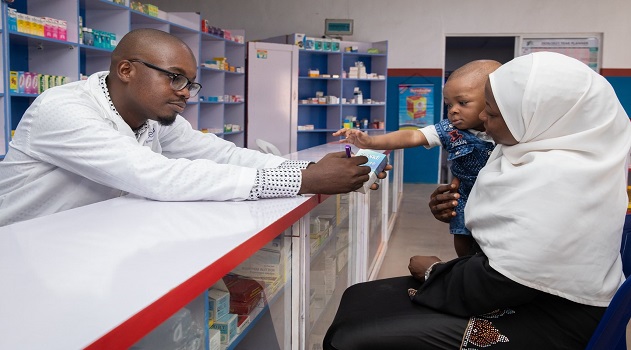
Field, African healthtech company, has today announced the launch of a route-to-market service that will introduce emerging therapies to tackle the urgency of maternal mortality, newborn and child health, along with nutrition.

The initiative will leverage Field’s proprietary technology, distribution, and financing services, which today powers a network of over 40,000 private and public healthcare providers in rural and urban areas across Kenya and Nigeria.
The initiative launches with an initial $11m in support from the Bill & Melinda Gates Foundation, in recognition of Field’s commitment to introduce emerging therapies and supply chain transformation in combating Africa’s most urgent health priorities.
Since its inception in 2015, Field’s streamlined infrastructure has facilitated over 800 million health interventions across more than 60 therapeutic areas, such as family planning, HIV and Tuberculosis. Starting in Kenya and Nigeria, with scope to expand to other regions.
Field will advance on its unique capabilities within complex distribution channels to create an accelerated route to market for emerging therapies and technologies.
This is to include an extensive digitisation overhaul for private healthcare providers, hospitals and healthcare bodies at State and Federal level, with financing options to strengthen operations and purchasing capabilities.
Additionally, healthcare providers stand to benefit from last-mile delivery to improve day-to-day health services and the installation of pharma-grade refrigerators.
In its entirety, the service will be reinforced by the establishment of a coalition to include governments, manufacturers and other key stakeholders for one of the continent’s most ambitious maternal health programs to-date.
Maternal mortality is one of the continent’s most pressing healthcare challenges. The likelihood that a woman will die in childbirth in Africa is 45x higher than in Europe.
According to the World Health Organisation (WHO), Africa accounted for 69% of global maternal deaths, with Nigeria alone representing 29% of all maternal deaths worldwide in 2020.
Field’s service will provide expectant mothers in Africa access to emerging therapies such as heat-stable carbetocin and calibrated drapes, which detect and treat postpartum haemorrhage, the leading cause of maternal mortality in Africa. The platform will accelerate these new interventions, support established therapies, and address related complications like preeclampsia.
The consequences of poor or non-existent maternal health services will affect the most vulnerable sections of Africa’s population. Speaking on the initiative, Michael Moreland, CEO & Founder of Field, says, “This is public health powered by technology and today’s news recognises the products and services that Field has built over the past eight years scaled and integrated into large-scale public health programs; this is what we believe health technology companies should be doing; joining innovative, impactful coalitions between private and public entities”.
“Digitally powering, networking, and financing health systems at scale will have an overwhelmingly positive effect on access to quality care. With funding from the Bill & Melinda Gates Foundation we are set to rapidly improve mother and child survival in every setting .’’
A number of global pharma and health companies have exited the continent in the past 18 months. Moreland adds, “We’ve seen genuine, meaningful gains being made in healthcare delivery outcomes, however in this current tough economic climate, without coordinated systems and processes, the progress will slow or slip.
Alongside our funders, our role is to ensure this doesn’t happen because the problems the healthcare space is facing will not be solved on its own. This is where Field, and its funders, come in and we’re excited to get to work on this technology-powered infrastructure blueprint for public health services”.
In addition to this new initiative, Field continues to grow and scale its technology solutions across the continent. In Field Supply, it has created the largest pharmaceutical supply chain platform in Africa.
Its distribution service Shelf Life distributes over 3,000 quality products across more than 50 therapeutic areas, reaching over 2,500 pharmacies and hospitals in 24 cities in Nigeria and Kenya, including government facilities, large hospital systems, retail chains, insurance companies and family-operated drug stores.
The platform also provides trade financing solutions for priority therapies and equipment that addresses working capital constraints that often hinder investment in new medical interventions.



Africa’s trading community is rapidly growing, evolving, and showing increasing interest in financial markets. From Lagos to Nairobi, from Accra to Johannesburg, more and more people are exploring financial markets as a way to develop skills, earn income, and participate in the global economy. But the ability to trade isn’t enough; traders also need reliable technology, fair conditions, and tools that help them make informed decisions and trade effectively.

JustMarkets
This is where trading platforms like JustMarkets make a significant contribution to the development and expansion of the trading community in the African region.
By combining global market access with a results-oriented trading environment, JustMarkets helps African traders compete head-to-head with those in the world’s largest financial centers, providing access to tight spreads, a wide range of analytical materials, and a variety of account types.
Breaking Barriers to Global Markets
For years, traders in emerging markets have faced limitations: slow platforms, a limited range of instruments, low liquidity, wide spreads, and infrastructure that hinders professional trading and effective analysis. Today, JustMarkets addresses this significant gap by providing African traders with access to a wide range of global financial instruments through a single, optimized online platform.
Now traders have the opportunity to test short-term strategies, long-term portfolio diversification, and learn how markets work. Traders can now explore opportunities in forex, commodities, indices, and stock markets without geographic barriers or technical difficulties.
A Trading Platform Built for Performance
Technology plays a critical role in modern trading. Market conditions can change in seconds, and execution speed often makes the difference between opportunity and missed entry. The JustMarkets leading trading platform is designed to support fast, confident decisions in real time.
Ultra-fast execution. Engineered for low-latency order processing, the app helps ensure trades are executed quickly and efficiently when markets move.
Full risk management. Stop-loss, take-profit, and position sizing can be managed directly from the chart, helping traders stay disciplined and protect capital.
Advanced charting. Interactive charts, multiple timeframes, drawing tools, and built-in indicators provide the analytical depth needed for informed trading decisions.
Real-time alerts. Instant notifications about price movements, order events, and key market developments help traders stay connected even when they’re away from the screen.
Secure authentication. Biometric login, encrypted data transmission, and advanced internal security protocols ensure that accounts and personal data remain protected.
This combination of speed, usability, and security makes professional-grade trading accessible from anywhere, even on the go with JustMarkets mobile trading app.
Trade a Wide Range of Global Markets
Access to diverse instruments allows traders to adapt to different market conditions and explore multiple strategies. JustMarkets provides African traders with the ability to participate in major asset classes worldwide.
Forex. Trade major, minor, and exotic currency pairs with competitive pricing and deep liquidity.
Gold & Metals. Access precious metals such as XAUUSD and XAGUSD, popular instruments for active traders and those seeking exposure to global macro trends with competitive spreads.
Indices. Engage with leading global stock indices including the S&P 500, NASDAQ, Dow Jones, DAX, and FTSE – markets that reflect the performance of major economies.
Stocks. Trade shares of global companies and high-volume market leaders, opening opportunities to follow international corporate trends.
Energy. Speculate on key energy commodities such as WTI and Brent crude oil, instruments often influenced by geopolitical and macroeconomic developments.
This broad market selection helps traders diversify and respond flexibly to changing global conditions.
Supporting Trader Development
Expanding technical, educational, and analytical capabilities extends beyond technology. JustMarkets also places a special emphasis on helping traders build knowledge and confidence. Access to educational materials, market analysis, and structured risk management tools fosters a more disciplined and informed approach to trading, including setting trading goals.
For many African traders, this means moving from random speculation and emotional trades to a more professional mindset, and most importantly, understanding that long-term success depends on strategy, risk management, continuous learning, and a cool head.
Connecting Africa to the Global Financial Ecosystem
Financial markets are becoming increasingly interconnected, with traders from all regions now participating in the same global capital flow. Offering advanced tools such as flexible leverage, fast order execution, and broad access to markets and trading assets, the JustMarkets online trading platform helps African traders become active participants in this ecosystem with full access to analytical and educational materials, as well as cutting-edge technological solutions for managing trades, accounts, and open positions. JustMarkets’ commitment to empowering traders, increasing financial literacy, and enabling people to engage with global markets on a level playing field. As the African trading community grows, online trading platforms like JustMarkets, which combine performance, accessibility, and security, will play a key role in this process. But pay attention that risk management still is a key to success as CFD trading involves risks.


Justice Ambrose Lewis-Allagoa of the Federal High Court, Lagos, has issued an interim Mareva injunction freezing copyright levy funds due to the Musical Copyright Society of Nigeria (MCSN).

The order prevents the Central Bank of Nigeria (CBN) and at least 20 commercial banks from disbursing these funds until further court proceedings.
The injunction stems from Suit No. FHC/L/CS/207/2026, following an ex parte application filed on February 5, 2026, by the Record Label Proprietors’ Initiative on behalf of 11 major record labels and music companies.
Plaintiffs include industry heavyweights such as Mavin Records, Davido Music Worldwide, Chocolate City Music, Universal Music Group, Sony Music Africa, and Warner Music South Africa.
The plaintiffs, through their attorney, sought to restrain the CBN from releasing any copyright levy funds related to sound recordings earmarked for MCSN.
They also asked the court to bar MCSN and its agents from accessing, transferring, or using the funds, whether received directly from the CBN or routed through commercial banks.

The National Information Technology Development Agency (NITDA), in partnership with the House of Representatives Spouses Association (HORSA), organized a specialized two‑day digital literacy and capacity‑building workshop for the spouses of members of the House of Representatives.

The initiative, themed “Empowering Women for a Digital Future: Leadership, Wellbeing, and Opportunity,” is designed to equip spouses of lawmakers with the tools needed to navigate the modern digital economy and the unique demands of public life.
Moving beyond basic computer literacy, the workshop offers a comprehensive suite of skills, including financial and digital literacy—focused on using digital tools for business growth and personal finance management; cybersecurity and digital wellbeing—promoting online safety, data protection, and mental health resilience; and economic empowerment—unlocking opportunities in remote work, Business Process Outsourcing (BPO), and digital entrepreneurship.
Declaring the workshop open on behalf of the Speaker of the House of Representatives, Rt. Hon. Tajudeen Abbas, PhD, the Deputy Speaker, Rt. Hon. Benjamin Okezie Kalu, said the workshop underscores the crucial role spouses play in supporting public office holders. He described spouses as trusted advisers whose understanding of legislative responsibilities helps lawmakers perform more effectively.
He noted that the demanding nature of legislative work often places strain on family life, adding that empowering spouses with digital and leadership skills would strengthen their capacity to provide informed support and constructive feedback to their partners in public service. He urged participants to take full advantage of the training, stressing that continuous learning is essential in an increasingly digital world.
Kalu further observed that many spouses already lead humanitarian and development initiatives in their communities, and that the skills gained from the programme would enhance communication, strategic planning, and resource mobilisation, thereby deepening their contribution to community development and national growth.
In his welcome address, the NITDA Director‑General, Kashifu Inuwa, said the initiative aligns with the Federal Government’s drive to build a sustainable digital economy by ensuring that no group is excluded from digital opportunities due to skills gaps. He noted that the Renewed Hope Agenda of Bola Ahmed Tinubu places digitalisation and innovation at the heart of economic diversification and inclusive growth.
He added that NITDA is implementing a national digital literacy framework aimed at achieving 95 per cent digital literacy by 2030, driven through three key focus areas: integrating digital skills into formal education, upskilling public servants, and expanding community‑level digital inclusion.
Inuwa described women as critical drivers of Nigeria’s digital transformation, noting that empowering spouses of lawmakers with digital skills would strengthen leadership at home and positively influence legislative processes at the National Assembly. He explained that NITDA is working with the Ministry of Education and global technology partners to train teachers nationwide, while over 54,000 public servants are currently enrolled in the Agency’s digital literacy programmes.
He also stated that through community champions deployed across the 36 states and the Federal Capital Territory, millions of Nigerians are being reached annually with basic digital skills training, stressing that national leaders must not be left behind in Nigeria’s digital transition. According to him, digitally literate spouses can play a vital role in encouraging technology‑driven governance, including ongoing efforts to digitise legislative processes.
In her goodwill message, the Leader of HORSA and wife of the Speaker, House of Representatives, Hajiya Fatima Tajudeen Abbas, described the workshop as a historic milestone and the first comprehensive capacity‑building programme organised by the 10th Assembly for spouses of lawmakers. She noted that public life in a digital age now extends beyond physical spaces into online platforms, making digital and financial literacy, cyber protection, and digital wellbeing essential skills for spouses of national leaders.
Hajiya Abbas emphasised that the sessions on mental health, emotional resilience, entrepreneurship, and leadership were timely, as spouses of public office holders often shoulder invisible emotional responsibilities. According to her, empowering women economically strengthens families and communities, adding that the knowledge gained from the workshop would not only support lawmakers behind the scenes but also enable women to contribute more meaningfully to national development in the digital economy.
The event also featured goodwill messages and contributions from senior government officials, including the Chief of Staff to the President, Hon. Femi Gbajabiamila; the Honourable Minister of Women Affairs and Social Development, Hon. Imaan Sulaiman Ibrahim; the Chairperson of the Nigeria Governors’ Spouses’ Forum, Prof. (Mrs.) Olufolake Abdulrazaq; the Chairman of the House Committee on ICT, Hon. Stanley Olajide; the Chairperson of the House Committee on Women Affairs and Social Development, Hon. Kafilat Ogbara; and the Managing Director of the South-South Development Commission, Usoro Offiong Akpabio.

IXPN Positions as the Regional Internet Exchange Hub for West Africa

Pheelz Shares His Journey on Glo-Sponsored African Voices

AI-Driven Memory Chip Fuels Global Phone Price Surge

NITDA DG Reaffirms FG Commitment to Responsible and Inclusive AI

Menxtt NG Emerges as Nigeria’s Virtual IT Hub for Premium Devices, Solutions
Nigeria’s 9 Top FinTech Firms Valued at $10.6Bn in January 2026

Firm Detected a Fivefold Surge in QR Code Phishing Attacks in the Second Half of 2025

Kaspersky Launches OT Calculator to Align Cybersecurity Investments with Business Goals

CBN Upgrades Licences of Opay, Moniepoint, Kuda, Palmpay, Paga to National Status

NITDA, NBC Explore Strategic Collaboration on Digital Transformation, Media Regulation




 E-Financial3 days ago
Ecobank Nigeria Fully Repays $300m Eurobond Notes

 E-Financial3 days ago
Zenith Bank Warns Public Over Fake Jim Ovia Investment Videos

 General News2 days ago
PalmPay Unveils First Batch of Winners in #LoveWithPalmPay Campaign

 E-Business3 days ago
Chams Carves Out Subsidiary to Support Africa’s Digital Transformation

 E-Financial1 day ago
ACAMB Educates Content Creator to Curb Misinformation on Bank Recapitalisation

 E-Financial3 days ago
BoI Secures CBN’s Approval for Non-interest Banking Operation

 E-Business3 days ago
Nigeria, South Africa Drive Stablecoin Spending in Africa

 E-Financial2 days ago
FirstCap MD says Payment Security Remains Biggest Barrier to Bankable Gas and Power Projects