

General News
Glitz as AFRIMA Fetes Jurors at Annual Patron’s Dinner

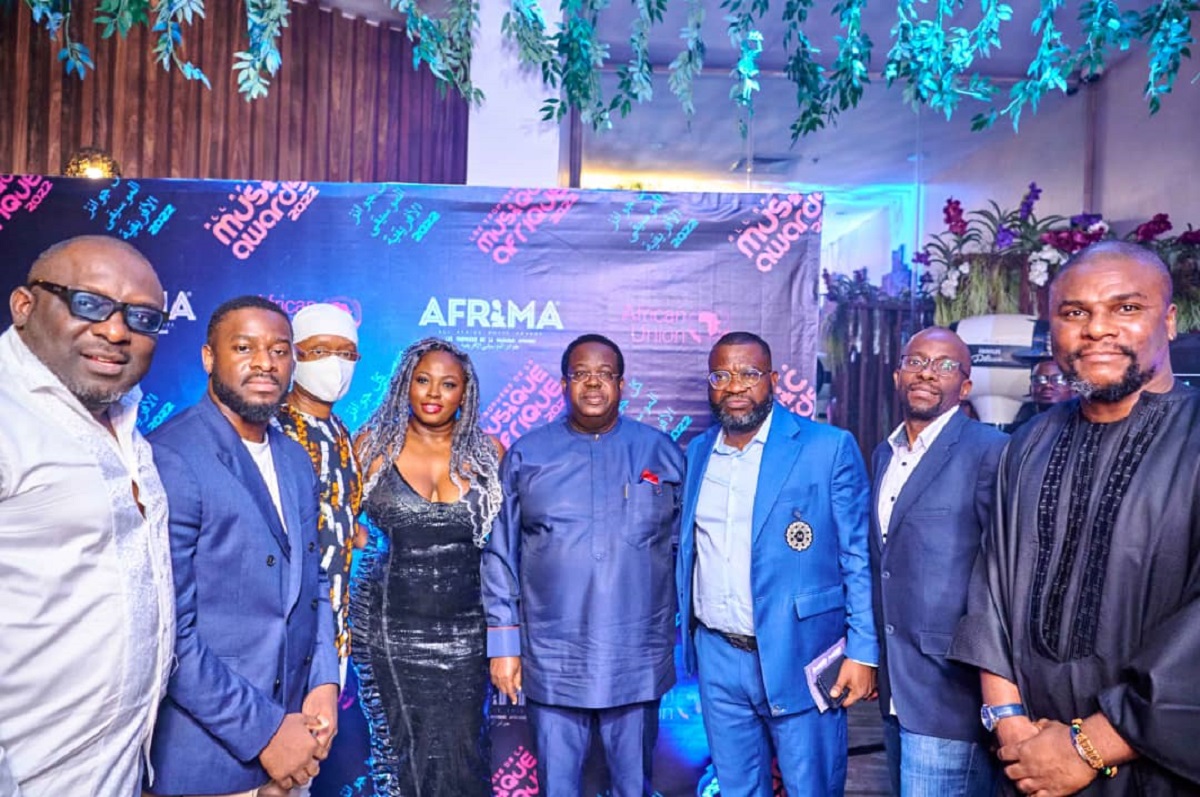
It was an exciting blend of glitz, glam and euphoria as the All Africa Music Awards (AFRIMA) hosted its annual patron’s dinner with the jury members, held Wednesday, in Lagos, Nigeria.

L-R: AFRIMA Jurors representing Central Africa, Mr Emile Nghumba; and Charles Tabu; Juror representing Eastern Africa Joett; Juror representing Diaspora, North America, Hadja Kobele; AFRIMA Patron, Dr Bisi Onasanya; AFRIMA Executive Producer/President, Mr. Mike Dada; Juror representing Southern Africa, Dehlani Makhalima; Juror representing Western Africa, Guy Neza during the Annual AFRIMA Patron’s dinner held at EbonyLife Place, Victoria Island, Lagos, Nigeria recently
The event, which feted stakeholders in Africa’s creative economy, including media and music executives, and African entertainers, among others, gave a glimpse into what to expect from this year’s edition, as the #RoadToAFRIMA22 continues to take an interesting glide in highlighting and celebrating talents from all parts of Africa.
Also present at the continental event, which in the past nine years, has continued to celebrate African talents, were music enthusiasts, stakeholders, artiste managers, as well as musicians such as Eltee Skhillz, Major AJ, Tariq, among others.
Held at the EbonyLife Place, in Victoria Island, Lagos, the dinner was a close experience into the AFRIMA Award experience, as the dignitaries present met with the jurors, composed of music aficionados from across all five regions in the continent and in the diaspora, as well as a representative from the African Union Commission (AUC).
Hosted by AFRIMA Patron, Dr. Bisi Onasanya, the annual patrons’ dinner with the jury is a special gathering, held during the annual adjudication, to appreciate the jury members for their unflinching support in sieving out the best of talents for nomination at the awards.
The jury members are presently in Lagos, Nigeria, for an 8-day adjudication which began, last Friday, to select the nominees for this year’s edition from 9,076 entries submitted – the highest the awards has ever recorded since inception in 2014. The nominations list would be unveiled Monday, August 22, 2022, while voting begins Wednesday, August 24, 2022.
Onasanya expressed enthusiasm at the successes recorded by AFRIMA, noting that the enduring vision of the award body, in conjunction with the AU, will continue to come to fruition.
He said, “This event is to appreciate all the jury members. They are wonderful. They have been very thorough and have given AFRIMA the credibility it has today. They have been working assiduously for the growth of our creative sector. I am very proud to be associated with AFRIMA.
“African music is taking over the whole world by surprise. You go to other parts of the world these days and you hear African music being played. I am always excited because it didn’t happen a decade ago. The whole world is now respectful of African music, and they are learning from us. This is a great achievement. AFRIMA, last year, was awesome. It was broadcast all over Africa. If you think last year was awesome, just wait until you see what will happen this year.”
In her keynote speech, a juror representing the African Union, who is the Head of the Culture Division at the African Union Commission, Mrs Angela Martins, appreciated the stakeholders in Africa’s creative space, as well as the award’s organisers for their invaluable contribution to the development of the African creative economy.
She said, “The African Union Commission, which has been a partner with AFRIMA since its inception in 2014, wishes to congratulate AFRIMA for its enthusiasm and priceless efforts in promoting the growth and development of the music industry in the continent, despite the challenges including the Ebola crisis in 2015 and the COVID-19 pandemic in 2020. In 2020, AFRIMA played a key role in supporting the AUC in thinking out of the box and finding creative ways of using music to sensitise the continent on issues relating to the pandemic and to mobilise resources for the AU COVID-19 response fund. Hence, we organised a joint conference titled, Stronger Together.
“Since AFRIMA’s inception, we have been part of this pan-African music platform and we have watched it grow and bear fruits and award the most deserving music talents on the continent. This is an excellent contribution to the development of the creative economy of the continent.
“It has created opportunities for young people in the creative sector. The great work that AFRIMA is doing would not have been possible without the support of well-wishers and believers in the potential and viability in the creative economy of the continent.
“We know that this is enormous for the well-wishers and supporters, but on this occasion, we wish to pay special tribute to the AFRIMA patron who came on board last year and has been supporting this pan-African music initiative wholeheartedly and unconditionally. His support has increased the visibility of the award. We appreciate and salute him.
“We also wish to express gratitude to the AFRIMA jury from the five regions of the continent and from the diaspora who have supported and believed in this initiative. The adjudication process is a long process and it requires dedication, fairness, transparency and hard work. It takes An African music lover to perform their duties in the way they have been doing so since the inception of the process. We applaud them. We also wish to thank the media whose work has been essential in ensuring the popularisation and growth of the cultural and creative sector of the continent.”
Another juror representing Western Africa, Mr Motolani Alake, appreciated the AFRIMA team for its efforts in promoting African talent, encouraging African music lovers to unite and consolidate efforts in developing the continent’s creative sector.
“I really wanted to serve the world and Africa. I have learned great things and learned a lot about talents and our impact here. I want to encourage everybody to know that as much as African music is travelling all over the world now, it is also important to support our own and watch it grow,” he said.
Similarly, another juror representing Central Africa, Mr Charles Tabu, lauded the prospects in AFRIMA’s drive to boost inclusiveness in her mission to celebrate and spotlight African talent on a global stage.
He said, “It gladdens me to see the creative work that comes out of Africa being awarded. I would like to thank the entertainers for always submitting their entries and believing in the growth of the African creative space. I am from Francophone Africa and I am glad to see artistes from all regions get a chance to be celebrated across the continent and in the diaspora.”
Giving his vote of thanks, AFRIMA’s Executive Producer/President, Mr Mike Dada, appreciated believers in Africa’s creative industry, adding that AFRIMA’s work would remain consistent in achieving its objective.
“I am delighted by the support from every stakeholder in our creative economy, from the Patron, to the media, to the entertainers and record executives. I am delighted that we are working closely to make Africa great again. The idea of the patron’s dinner is to thank our jury members. They sit for 18 hours daily for 10 days to sieve out the best talents from several thousands to be nominated for the respective categories they fall under. We do this yearly. And we are not resting on our oars. Together, we will make Africa the pride of the world.”
As the event raced to its end, AFRIMA’s patron, Onasanya who was surrounded by family, friends and well-wishers, was surprised with a special cake to celebrate his 61st birthday.
Born August 18, 1961, Onasanya, who is a firm believer in the potential of the African creative sector, built a legacy within the African financial and banking sector over the years. After his meritorious retirement, in 2015, the mogul delved into the luxury real estate development sector, currently thriving as a leading player within that sector as the founder and Chairman of The Address Homes, in addition to impacting other spheres, including Africa’s culture and creative scene.
The AFRIMA awards ceremony will feature a 4-day fiesta of music, glitz, and glamour. The event is scheduled to commence with the welcome soiree, followed by the AFRIMA Music Village, the host city tour, African Music Business Summit, and the exclusive nominees’ party and concluded with the live awards ceremony broadcast to over 84 countries around the world.
African music lovers can take part in the events on social media, live stream on the AFRIMA website at www.afrima.org and visit the social media platforms (Instagram – Afrima.official; Twitter – Afrimawards), and they can watch the event coverage by tuning in to their local and cable TV providers.
In partnership with the African Union Commission, AFRIMA is a youth-focused music platform that recognizes and rewards the work and talents of African artistes across generations and primarily stimulates conversations among Africans, and also the rest of the world, especially on the potential of the creative arts for fostering real human enterprise, contributing significantly to social cohesion, economic growth as well as sustainable development in Africa.


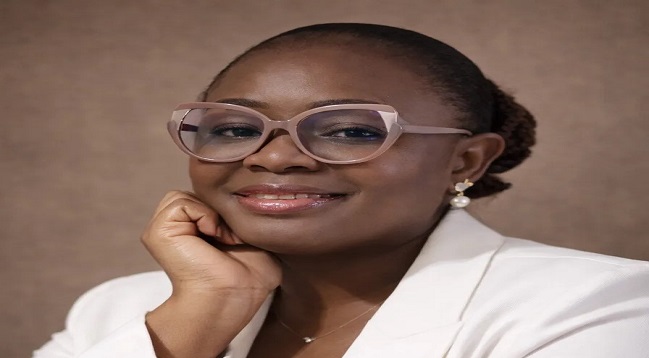
As the world marks International Women’s Day, Mojisola Sayo-Kazeem, Head of Finance, Jumia Nigeria & Ghana, reflects on how giving opportunity, mentorship, and support helps women thrive and strengthens organisations.

The future of work is digital, and for women it presents immense opportunities to innovate, lead, and shape the global economy. Yet thriving in a fast-paced, data-driven environment requires more than ambition or technical expertise. It requires opportunity and leadership that intentionally creates space for people to grow.
Reflecting on my own journey, I am reminded of how powerful those opportunities can be. I joined Jumia in 2012 as an accountant and, over time, grew into my current role as Head of Finance for Nigeria and Ghana.
Each stage of that journey came with new responsibilities and lessons that shaped my leadership perspective. One thing has become clear: growth rarely happens in isolation. It flourishes in environments where people are trusted, challenged, and supported to reach their full potential.
One of the most defining pillars of my career has been working within an organisation that invests in talent and encourages merit-based growth. At Jumia, a guiding principle is simple: let the best people and ideas grow. When organisations prioritise capability and innovation rather than bias, they create environments where individuals can thrive, and leadership potential can emerge naturally.
Leadership plays a crucial role in making this possible. Good leadership sharpens growth and experience, not only for the leader but for the teams they support. I have benefitted from leaders who shared knowledge, offered guidance, and entrusted me with meaningful responsibilities. Those opportunities challenged me to expand my skills, strengthen my judgement, and grow into larger leadership roles.
One experience that stands out was leading my team through the launch of a new business line under the guidance of our CFO. It demanded greater accountability, transparency, and strategic thinking. Looking back, it was more than a professional milestone, it was an opportunity to deepen my expertise and strengthen my leadership capacity.
Moments like these remind me that opportunity is one of the most powerful investments leaders can make in people. I also recognise and commend the many leaders who are already creating pathways for women to grow, lead, and contribute meaningfully. Their commitment to fairness, mentorship, and inclusion continues to open doors for others.
But there is still more to be done. As we mark International Women’s Day, this year’s theme, “Give to Gain,” invites leaders to reflect and to act. It challenges us to go beyond good intentions and intentionally create opportunities for women to grow and thrive based on merit, not favouritism or bias. This means sharing knowledge, investing in development, offering mentorship, and trusting capable women with meaningful responsibilities.
When we do this, we strengthen the people and institutions around us. Teams become more confident and capable, organisations become more resilient, and leadership pipelines become stronger and more diverse.
This year’s International Women’s Day theme, Give to Gain, reminds us that generosity is not subtraction, it is multiplication. When people, organisations, and communities give time, knowledge, visibility, advocacy, and support, opportunities for women expand. And when women thrive, industries, economies, and societies thrive with them.
When we give, we gain. The question for all of us is simple: What will you give to gain gender equality?
As Nigeria continues to grapple with the challenges of electoral transparency and voter trust, stakeholders in the blockchain industry are proposing a technological pivot.

In an X (formerly Twitter) Space hosted by the Stakeholders in Blockchain Technology Association of Nigeria (SiBAN) yesterday, themed ‘From Ballot to Blocks: Can Blockchain Fix Nigeria’s Elections?’, the experts argued that while blockchain is not a magic wand, it offers a robust framework to eliminate result manipulation and addresses voter apathy.
The discussion, featuring key industry figures including Oluwaseun Dania, CEO of Alpha-Geek Technologies, Harry Ugorji, CEO of Egoras Technology, Mela Claude Ake, President of SiBAN, Mr. Taiwo Gbadegesin, Head of Voter Education for INEC Lagos and others, highlighted a shift from traditional voting toward a more immutable and verifiable system.
Opening the floor, Oluwaseun Dania noted that while Nigeria’s electoral processes have improved, a crisis of confidence remains the primary hurdle, even as he identified voter apathy as a direct symptom of people feeling their votes are not counted during the transmission and collation stages.
“The real opportunity is actually much simpler. Blockchain is not there to change how Nigerians vote, but to technically protect the integrity of the votes that are cast. People will be more confident knowing that as they are casting their votes, the results are being recorded on the blockchain, visible to everybody all over the world,” Dania explained.
According to him, by providing a time-stamped and properly verified system without the possibility of manipulation, the blockchain technology could incentivize millions of disillusioned citizens to return to the polls.
Despite the enthusiasm, the experts maintained a level of cautious optimism, citing Nigeria’s unique challenges, such as low internet penetration and limited digital literacy.
Dania proposed a hybrid model instead of making an immediate jump to full e-voting, starting with foundational elements, such as moving National Identification Numbers (NIN) and voter registers onto a secure blockchain.
He also recommended using blockchain specifically for result transmission to record and audit votes, ensuring no data is altered between polling units and collation centers. Additionally, he advised building simplified, easy-to-use front-end tools so the average voter does not need to understand the underlying complexity of smart contracts.
Contributing to the technical feasibility, Harry Ugorji proposed leveraging existing party systems as a testing ground before a national rollout. He addressed the gas fee problem, suggesting an infrastructure where polling agents sign results with private keys without bearing the cost.
“They have to scan the EC8A form. Once they scan and upload, there should be an AI-based layer that extracts that information and transmits it to the smart contracts. This data can be saved using IPFS (InterPlanetary File System) so that at every point in time, everybody can verify that data,” Ugorji stated.
Ugorji envisioned a data-streaming electoral process where votes are calculated in real-time, removing the black box period where manipulation often occurs.
Also speaking, Mr. Taiwo Gbadegesin, Head of Voter Education for INEC Lagos, emphasized that election management is a continuous cycle involving critical behind-the-scenes work, such as monitoring party primaries and evaluating new political associations.
However, he highlighted the Continuous Voter Registration (CVR) process as the most vital touchpoint for the general public. This phase typically ramps up 18 to 24 months before a general election, specifically targeting citizens who have recently reached the voting age of 18 or those who need to update their registration status.
A significant focus of Gbadegesin’s address was the technological improvement of the registration process through online pre-registration. “This system allows Nigerians, including those currently abroad, to initiate their registration, request card transfers to closer polling units, or update personal details like marital name changes from their mobile devices,” Taiwo, who was represented by Mr. Ayopo Lawal, Head of Unit, Voter Education, explained.
According to him, by shifting the data entry to the user, INEC aims to eliminate clerical errors caused by staff fatigue or large crowds, ensuring that voters’ personal information is captured with 100% accuracy.
Furthermore, Gbadegesin stressed that these digital advancements are designed to maximize efficiency at physical registration centers. “For those who utilize the pre-registration portal, the final in-person visit is strictly limited to capturing biometric data, such as fingerprints and facial features.
This streamlined approach reduces the time spent at the center to under five minutes, significantly easing the burden on both the public and INEC officials while ensuring the electoral roll remains robust and up-to-date,” he added.
As SIBAN expressed a strong willingness to collaborate with INEC and serve in some advisory capacity if necessary, the discussion highlighted that this event is part of an ongoing series designed to keep the momentum of the conversation alive.
The overarching consensus among speakers was that Nigeria should adopt a test-run approach, implementing these digital tools at smaller scales, such as university student union elections or secondary school representative polls. By starting with these micro-elections, the country can build essential public trust and technical familiarity before scaling to a national level.
As the conversation concluded, the experts agreed that while the technology is ready, success depends on regulatory approval and a willingness from stakeholders to embrace a system where data, once recorded, is permanent and beyond the reach of any single authority.


Federal government has taken a significant step to enhance the integrity of Nigeria’s education system by deploying the Nigeria Education Repository and Data Bank (NERD), a national digital platform that secures, digitizes, and authenticates academic records across all tertiary institutions.

Forgery
Maruf Tunji Alausa, minister of Education, unveiled the initiative during the National Capacity Building Programme for institutional representatives, underscoring NERD’s importance as a critical national infrastructure for safeguarding academic credentials and strengthening education data governance.
“NERD is essential to our reform agenda under the leadership of President Bola Ahmed Tinubu,” Alausa stated.
“It ensures reliable digital preservation and verification of academic records, which is vital for maintaining the credibility of our education system.”
According to Alausa, in the brief span of four months since its implementation, NERD has made remarkable progress, successfully preserving nearly 100,000 digital student submissions and integrating over 250 tertiary institutions.
The platform has also enrolled more than 133,000 students and 6,800 lecturers, significantly enhancing the academic record-keeping process.
Alausa highlighted that the initiative is a proactive measure against certificate fraud, noting recent investigations that revealed cases involving fraudulent foreign credentials procured from unaccredited institutions.
This underscores the urgency of protecting the integrity of academic qualifications in Nigeria.
Furthermore, the Ministry announced that participation in the NERD system will soon become a prerequisite for either participation in or exemption from the National Youth Service Corps scheme, reinforcing the initiative’s impact on the educational landscape.
The Federal Government remains committed to building a transparent, digitally verifiable, and globally respected education system, ensuring that the integrity of academic records is upheld across the nation.

First Batch of Nigerian Undergraduates Emerged in Airtel Africa Foundation Scholarships Programme

Mojisola Sayo-Kazeem Reflects on Leadership, Opportunity, Women in Tech @ IWD

Experts Weigh Blockchain Option for Nigeria’s Elections Process

CBN Affirms Alpha Morgan Bank’s Capitalisation

Dimension Data Nigeria Seals N20bn Bond Deal to Bridge Digital Infrastructure Gap

Dr. Cairo Ojougboh Foundation Bolsters Nigeria’s Education Drive with ₦2.7m Student Support

Kaspersky Brings more Transparency to Threat Detection with New Hunt Hub

Kaspersky Discovers New Phishing Campaign Exploiting Google Tasks Notifications to Steal Corporate Credentials

esentry 2025 Report Shows Healthcare, Financial Services and Telecoms as Staging Grounds for Increased Cyberattacks in Africa

AfDB, UNDP Launch $10Bn AI Initiative for Africa




 E-Business2 days ago
Police Says Victims Enable Cyber Attacks Out of Ignorance

 E-Financial2 days ago
Quest Merchant Bank Achieves CBN Regulatory Recapitalisation Milestone

 Telecom2 days ago
Cassava Launches Sovereign Cloud for Africa’s Public Sector

 General News2 days ago
FG Launches NERD to Combat Certificate Fraud

 E-Financial2 days ago
Bank Accuses Magistrate, Lawyer of Using Fake Order to Steal N3.5m from Account

 General News2 days ago
Goodnews Naija Launches ‘Building in Nigeria’ Series on Entrepreneurs, Real Sector Builders

 News2 days ago
FG Can Now Track, Prosecute Visa Overstayers – Interior Minister

 Broadcasting2 days ago
South Africa’s Nomzamo Mbatha Appears on Glo-Sponsored African Voices