

E-Business
ICT will Play Crucial Role in Next Elections – Akem

Emmanuel Akem, an engineer by training is director, information and communication technology (ICT), Independent National Electoral Commission (Inec).
Akem has over 15 years experience on software. He talks on the commissions operations and the growing desire on e – voting in the subsequent elections. Akem spoke to Christopher alu in Abuja.
INEC and e-Voting System
We were able to use some electronic means in the general elections conducted in 2007 to process and transmit results for the whole world to see.
We used computers to receive and arrange the results in a chronological order to make it quick, but the lawmakers are meant to change the law on voting; we cannot adopt the e-voting system now. So, unless they reverse the law on e-voting system, we cannot use the voting machine as an instrument of balloting in Nigeria.
Terrestrial Coverage during Elections
In the last elections we had live broadcast, though not similar to that of what took place in the U.S where they had all ICT facilities to reach out to the world. They are much more ready for e-voting and c-system display there. Their Internet communications work well, in fact, they have a channel that covers all political activities down to election results, displayed on electronic boards for the world to view.
We are yet to reach this stage but we are making efforts to draw closer. I believe by the next elections, we would come online with transmission gadgets for people in and around the world to view us.
We are also planning to have a channel that can be used for outreach purposes and other activities during elections, so that any controversy generated would be tackled amicably. This would include electronic boards that would project all activities on elections and display results, and a network that will ensure connectivity in the next elections, similar to what happened in America.
Online Campaigns
Political parties and contestants are allowed to do online campaigns if they have the capacity to do it. Inec cannot stop them, rather, we would use that to monitor and follow their activities provided they stick to our rules and regulations, and also do not use that to hurt the feelings of the people. Online campaign is very good. It gives a projection of a dynamic society that is ICT compliant. From the very beginning, it can hinder littering of the city with bill/posters on the wall. Electronic board can be strategically mounted in some parts of the cities, and a politician can use that for his e-campaign and e-transactions. It is one most efficient and effective means of modern technology communication that can help to achieve set objectives in present times.
Box Snatching
We are seriously working on this very particular issue you have raised.
Inec wants to go the whole length this time to make sure that modern devices are used to detect those who snatch ballot boxes. This boils down to the use of modern technology facilities that would give the desired results. There are electronic voting machines just like I earlier said. If we are allowed to use them, nobody can snatch ballot boxes. Once you cast your vote, it captures your thumbprint on the dashboard and your vote is automatically counted. You cannot thumbprint twice because it will reject that command. There is also electronic the ballot box, where votes are cast and it is only the key numbers that are set, will open it. We have plans for these, but until the lawmakers reverse the law, we cannot use them here in Nigeria. The snatching of ballot boxes and thuggery are offences that Inec is seriously against. We must improve on our technology so that people will see the futility of snatching ballot boxes, although it involves a lot of capital, which the government alone cannot afford. So, it is the duty of the private sector with NGOs, concerned Civil Society groups, to go into partnership in order to assist in that direction, just like what happened in America recently.
Website
We have a website and voter’s response centre as well as other IT means of reaching out to people. On how best we can answer questions and also be accessed, we are yet to go digital on that – whereby people from everywhere around the world can view us. But we are planning to do that in the subsequent elections.
Challenges Ahead
One of the biggest challenges is to improve on the facilities to meet up to world standard during elections, in the areas of electronic transmission of results, e-voting systems, collation of these results. Another challenge is that of reversing the law by the National Assembly to enable my office work properly.


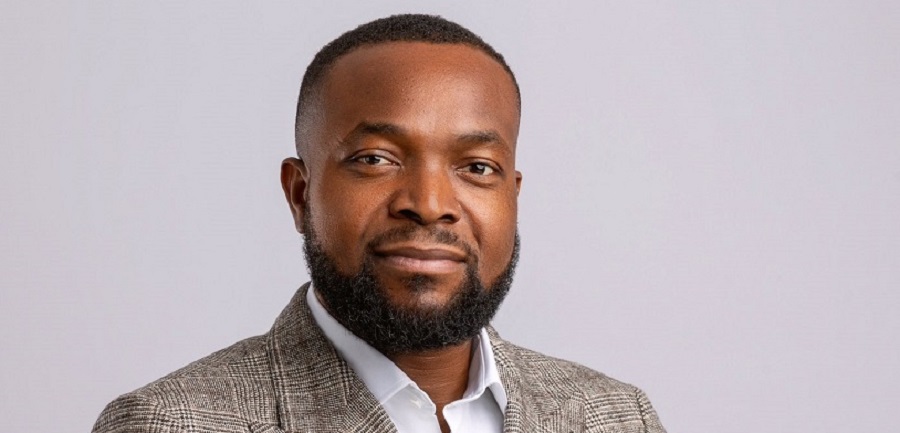
Bosun Tijani, minister of Communications, Innovation and Digital Economy, has said the government is shifting focus from expanding access to ensuring “meaningful connectivity” that drives economic growth and inclusion.

Bosun Tijani, minister of Communications, Innovation and Digital Economy
The minister made the statement on Friday while addressing stakeholders at the inauguration of board members of the Universal Service Provision Fund (USPF) in Abuja.
He said that although Nigeria had made significant progress since the introduction of GSM services, millions of people, particularly in rural and underserved communities, remain either unconnected or unable to fully benefit from digital services.
Dr Tijani highlighted ongoing investments in digital infrastructure, including plans to deploy 90,000 kilometres of fibre optic network and nearly 4,000 telecom towers nationwide.
He said initiatives under the USPF had improved access through projects such as rural connectivity and digital facilities in schools but stressed that the next phase must prioritise effective usage.
“It is not enough to connect a community. We must ensure that schools can teach with digital tools and that small businesses can access market opportunities,” he said, citing a pilot project in the Kura community where connectivity has enhanced access to communication, education and healthcare.
Aminu Maida, executive vice chairman, Nigerian Communications Commission (NCC) also called for a shift towards meaningful connectivity, noting that while data usage had grown significantly, it remained concentrated in urban areas.
According to him, recent data shows that telecom usage has increased by about 160% over the past two years, largely driven by urban demand.
“When we drill down, we see that a lot of that growth is actually in urban centres. So, the gap between those who are not connected or not meaningfully connected is growing,” he said.
Dr Maida added that the trend underscored the need for the USPF board to intensify efforts to bridge both access and usage gaps across the country.
Both officials emphasised the importance of collaboration, sustainable investment models and improved digital literacy to ensure that connectivity translates into real economic benefits for Nigerians.

A jury in Los Angeles has found technology companies, Meta and Google liable for contributing to a young woman’s social media addiction, in a case being described as a landmark ruling.

The 20-year-old woman, identified only as Kaley, argued that she became addicted to Google’s YouTube and Meta’s Instagram from an early age due to their attention-driven design features.
According to her testimony, she began using YouTube at the age of six after downloading the app on her iPod Touch to watch videos about lip gloss and online games.
Kaley told the court that she joined Instagram at nine, bypassing parental restrictions put in place by her mother, and spent extended periods on social media.
The trial, which lasted about a month, with arguments and evidence from both sides.
Jurors also heard testimony from Mark Zuckerberg, chief executive, Meta and Adam Mosseri, Instagram head.
However, Neal Mohan, YouTube chief executive, did not testify.
The jury found that the companies were negligent in the design of their platforms and failed to adequately warn users about potential harms. Meta and Google were ordered to pay the woman $3 million in damages.
Jurors also recommended additional punitive damages, including $900,000 against YouTube and $2.1 million against Meta, according to company spokespersons.
The jury apportioned 70 per cent of the responsibility to Meta and 30 per cent to YouTube.
Kaley was present in the courtroom when the verdict was delivered, alongside parents of other teenagers who say they were harmed by social media use. Both companies said they plan to appeal the decision.
“We respectfully disagree with the verdict and will appeal. Teen mental health is profoundly complex and cannot be linked to a single app. We will continue to defend ourselves vigorously as every case is different, and we remain confident in our record of protecting teens online”, a Meta spokesperson said.
José Castañeda, Google spokesperson, said the case misunderstands YouTube, which is a responsibly built streaming platform, not a social media site.

Nigeria and Finland have signed a Memorandum of Understanding (MoU) on digitalisation and innovation, prioritising stronger cybersecurity cooperation amid a surge in cyberattacks targeting Nigerian institutions.

The agreement was formalised in Abuja on Monday between Dr Bosun Tijani, Nigeria’s minister of communications, innovation and digital economy, and Jarno Syrjälä, Finland’s under-secretary of state for international trade.
The MoU focuses on cooperation in digital governance, technology infrastructure, and cybersecurity to drive economic growth and improve public services, says a statement issued on Monday by Isime Esene, special assistant to the minister.
The agreement is a significant step in strengthening bilateral relations and advancing Nigeria’s digital economy agenda, says Tijani.
He notes the MoU builds on engagements in Helsinki in February, which centred on Nigeria’s Data Exchange Platform and Finnish participation in Project BRIDGE (Building Resilient Infrastructure for Digital Growth and Empowerment).
The talks also involved key Finnish finance institutions, including Finnvera and Finnfund.
The partnership is expected to unlock new opportunities for innovation and investment, positioning digital technology as a catalyst for shared prosperity, says Tijani.
Finland is committed to supporting the development of resilient, secure, and human-centric digital systems in Nigeria, says Syrjälä. He adds that digitalisation should enhance public trust and empower citizens, noting that Nigeria remains a strategic partner for Finland in Africa.
The agreement complements Finland’s lead role in a €23 million Team Europe Initiative aimed at strengthening Nigeria’s digital public services.
This programme is implemented by Finland’s development agency, HAUS, in collaboration with Estonia’s ESTDEV, and supports the 3 Million Technical Talent (3MTT) programme.
The deal comes as Nigerian organisations record the highest number of cyberattacks in Africa. In January 2026, organisations experienced an average of 4 701 attacks per week, a 12% year-on-year increase, according to Check Point Research.
In response, authorities are developing the 2026 National Cybersecurity Policy and Strategy update.
Expected later this year, the framework will mandate minimum cybersecurity investment requirements for organisations operating critical national information infrastructure, notes the ministry.

NDIC Insures 99 Percent of Bank Customers

FG Shifting Focus to “Meaningful Connectivity” to Drive Inclusion – Minister

CBN Bars Chronic Loan Defaulters from Accessing Loans

Google Rolls Out Search Live AI to 200+ Countries, Including Nigeria

Breaking…..Kuda Lays Off Many Employees in Broad Restructuring

Kaspersky Discovers New Phishing Campaign Exploiting Google Tasks Notifications to Steal Corporate Credentials

Spotify’s Loud & Clear Report Reveals Over ₦60Bn Revenue for Nigerian Artists in 2025

China Threatens to Shut Nigeria’s Satellite Over $11.44m Unpaid Debt

MTN Nigeria Posts Record N1.70 Trillion Pre‑Tax Profit, Declares N20 Dividend for 2025

Madonna University Taps Tech Guru Adote for Strategic Board Role




 Telecom2 days ago
US Jury Finds Meta, Google Liable in Landmark Social Media Addiction Case

 News2 days ago
Firm Shares Tips for Updating Your Digital Habits for an AI-driven World

 E-Business2 days ago
5 Wealth-Building Strategies for Nigerian Women-led Businesses

 News2 days ago
EU Pumps €290m into Nigeria’s Digital, Health, Agri Sectors

 Telecom2 days ago
Mobile Money Transactions Accounted for $2 trillion in 2025

 E-Business2 days ago
Nigeria, Finland Sign Cybersecurity Pact

 E-Financial2 days ago
MoneyMaster Enhances App, Rewards Users with Data and Airtime Bonuses

 News1 day ago
Francis Okafor Stuns China, Emerges Second-Place Winner @ Tencent OpenClaw Hackathon