

Broadcasting
iTEC 75-Inch UHD TV: Redefining the Viewing Experience in the Nigerian Market

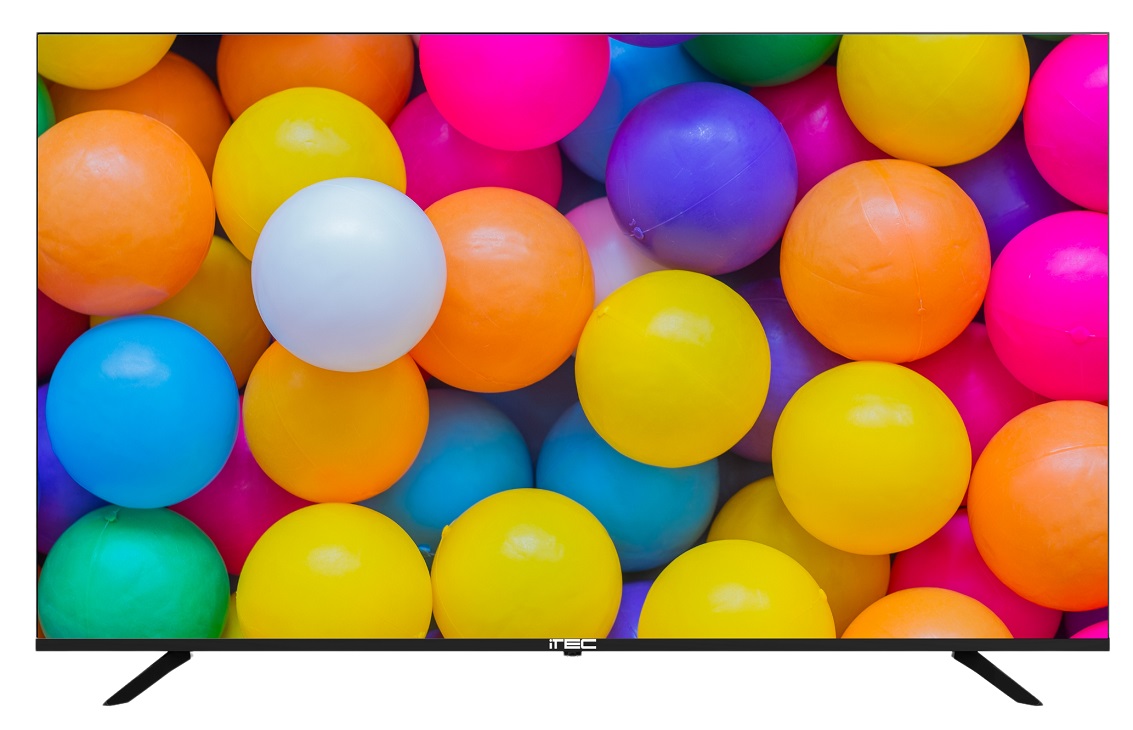
iTEC is solidifying its position as one of the top brands in the electronics marketplace with the launch of its latest 75-inch UHD TV. This television, a product of Africa’s leading tech company, Zinox, is a masterpiece and nothing short of a marvel, as it provides an immersive visual experience that captivates casual viewers and tech enthusiasts across Nigeria and the broader Sub-Saharan market.

Impressive Display and Resolution
One of the significant features of the iTEC 75-inch UHD TV is its stunning 3840×2160 resolution. This display produces clear, detailed images that bring your favourite shows, movies, and games to life. The 16:09 aspect ratio ensures that every scene is perfectly proportioned, and the display’s astounding 1.07 billion colours provide a vivid and rich palette. This TV expertly captures every hue, whether it’s the intense reds of a sunset or the deep blues of the ocean.
The colour spectrum of this TV is a real standout, offering a wide range of tones with an exceptionally natural feel. The uniformity of luminance guarantees that brightness will be dispersed equally over the screen, making for a consistent and enjoyable viewing experience from any angle. The backlighting is also top-notch. It offers excellent contrast between the darkest blacks and the brightest whites, enhancing every image’s depth and clarity.
Fast Performance and Smart Features
Beyond the visuals, this iTEC TV runs on the Android 11 operating system. It allows for a world of apps, streaming services, and customisation options. The TV has a Mali-G52 MC1 550MHz GPU and an ARM Cortex-A53 1.5GHz Quad-Core processor for snappy performance and seamless navigation. With 2GB of RspdifAM and 8GB of internal storage, users can easily download and store apps, games, and other content.
Seamless Connectivity
Staying connected is a breeze with the TV’s range of connectivity options. Its LAN and wireless networking capabilities make it simple to sync with other smart gadgets in your house or stream information from the internet. The multiple HDMI and USB ports ensure you can connect various external devices like gaming consoles, soundbars, or USB drives without hassle. The SPDIF and AV ports further add to the versatility of this TV, making it a hub for all your multimedia needs.
Stunning Sound Quality
No modern TV is complete without excellent audio, and iTEC delivers on this front with its Dolby speakers. The sound quality is rich and immersive, making you feel like you’re right in the middle of the action. Whether you’re watching a high-energy action film or enjoying your favourite music, the Dolby audio elevates the entire experience.
Designed for Every Viewing Angle
One of the most impressive features of this TV is its wide viewing angle. No matter where you’re seated in the room, the picture remains clear and bright. This is perfect for family gatherings or group viewing sessions, ensuring that everyone enjoys the same high-quality visuals from any corner of the room. The TV’s rapid response time also ensures smooth motion, making it ideal for watching sports or playing fast-paced video games.
Energy Efficiency and Power
Despite its large size, the iTEC 75-inch UHD TV is designed with energy efficiency in mind. With power consumption rates of 200W, 250W, and 270W, depending on the mode of operation, this TV balances performance with eco-friendliness. This is particularly important in regions where power supply can be inconsistent, making this TV a practical choice for the Nigerian and Sub-Saharan markets.
iTEC’s 75-inch UHD TV is a stellar offering for anyone looking to elevate their home entertainment experience. Its powerful performance, vibrant display, seamless connectivity, and immersive sound make it a must-have for tech-savvy individuals. With its impressive energy efficiency and robust features, this TV is sure to resonate with consumers in Nigeria and across Sub-Saharan Africa. Suppose you’re in the market for a cutting-edge TV that ticks all the boxes, iTEC’s latest model is definitely worth considering. Shop your iTEC TV now on konga.com for the best deals and seamless service.


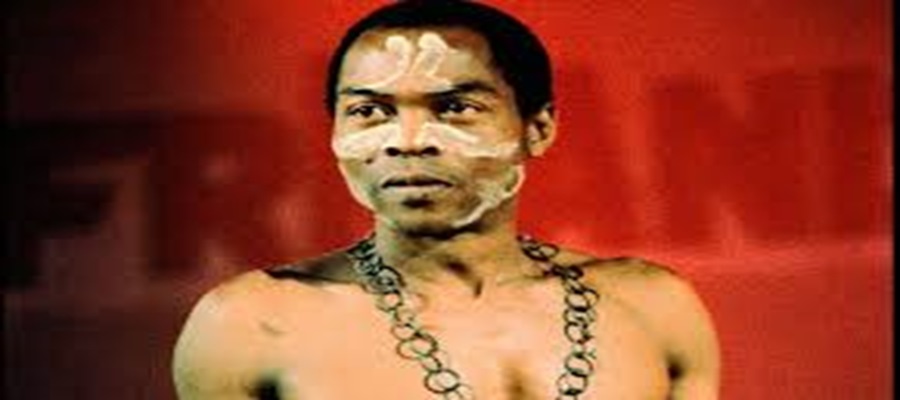
Fela Anikulapo-Kuti, simply known as Fela, legendary Nigerian musician, has made history as the first African artist to be inducted into the Rock & Roll Hall of Fame.

Fela
This is coming after he was posthumously honored with the 2026 Grammy Lifetime Achievement Award, becoming the first African artist to receive this prestigious special merit recognition.
Fela will be honoured in the early influence category this year, along with Queen Latifah, rapper MC Lyte, country rocker Gram Parsons, and Cuban singer Celia Cruz at this year’s Rock and Roll Hall of Fame event.
The honorees were revealed on Monday night in the US, during an airing of American Idol.
Sade Adu, Nigerian-born British singer, will be honoured in the performance category.
However, Shakira, Mariah Carey, Lauryn Hill, New Edition, and Pink, missed out on the final cut despite being nominated.
Over 1,200 artists, historians and music industry professionals voted to decide the honorees.
The induction ceremony will be held on 14 November at the Peacock Theatre in Los Angeles.

National Broadcasting Commission (NBC) is set to launch so-called FreeTV, with over 100 channels for news, sports, education, entertainment and children’s programming in multiple Nigerian languages.

The launch is scheduled for May 15.
Charles Ebuebu, director-general, NBC, who disclosed this, said the new platform will offer free-to-air access with no carriage fees, leveraging hybrid satellite and internet delivery via NigComSat-1R.
The new plan is not an upgrade, the NBC stressed. This is a rebuild, according to Ebuebu .
FreeTV will be true free-to-air – no encryption, no set-top box barrier.
Any DVB-T2/S2 television will work. A mobile app will extend reach to phones and tablets.
The platform will launch with over 100 national, regional and state channels across sports, news, children’s programming, education, entertainment and cultural content in Hausa, Yoruba, Igbo, Tiv, Ijaw, Edo, Fulfulde, Ibibio, Efik and Nupe – all in HD.
Crucially, the NBC has partnered with a Bulgarian firm, GARB (operating since 2006 and recognised by the European Broadcast Union), to deliver a 94 per cent-accurate audience measurement system using return-path data, app analytics, demographic panels, and Artificial Intelligence (AI).
To qualify broadcasters, must commit their channels, produce a minimum of 60 per cent local content, and promote FreeTV until January 2029.
After that, a regulated tiered rate card takes effect.
According to NBC, the strategic rationale is simple: build viewers first, monetise later.
The document further revealed that six regional production hubs in Lagos, Abuja, Port Harcourt, Enugu, Kano and Benin would function as local content factories, expected to generate 500 to 1,000 jobs per zone within two years.

Popular Nigerian artist Adekunle Gold has lent his support to the growing youth-driven movement behind The Gathering on 100, further amplifying conversations around what is fast becoming one of the most talked-about upcoming experiences among young Nigerians.

Adekunle Gold
Known for his music and his strong connection with youth culture and evolving creative expression, Adekunle Gold’s involvement signals a deeper alignment between the event and the kind of audience it is attracting, a generation that is bold, expressive, and constantly redefining what community looks like.
While details of his involvement remain understated, his visible support adds a new layer of support and cultural relevance to the movement. In a landscape where attention is currency, endorsements from artists of his stature often act as a signal, drawing more eyes, more curiosity, and ultimately, more participation, but beyond visibility, the significance lies in what it represents.
The new father has, over the years, built a reputation for embracing creativity in its many forms, from music to visual storytelling, fashion, and digital engagement. His brand has consistently resonated with young Nigerians navigating similar spaces of self-expression and identity.
From interactive experiences like live music sessions and open performance moments to fashion runways and content creation spaces, the event is designed to blur the lines between audience and participant. It invites attendees to move beyond observation and become part of the moment.
This is a concept that closely mirrors the kind of cultural shift Adekunle Gold has been part of, one where boundaries between creator and consumer continue to dissolve.
His support also reflects a broader trend within Nigeria’s entertainment industry, where artists are increasingly engaging with youth-led initiatives that go beyond traditional performances. Rather than simply appearing on stage, they are aligning with movements that foster community, creativity, and shared experience.
For fans and attendees, this adds another dimension to what The Gathering on 100 represents.
As registrations increase and conversations expand across social platforms, the movement is gradually taking shape through the collective interest of those drawn to it.
Head to gathering.com to register.

FG Investigates ‘Sharp Sharp’ Loan Operators over Alleged Privacy Violations

CISA Asks NDPC, Police to Act on Alleged Data Breach by NIPSS

Fela Makes History as First African to be Inducted into Rock and Roll Hall of Fame

Lawmakers Ask CBN to Suspend Payment to ZTE for Failed $460m CCTV Project

Ecobank Delivers Strong Results, Posts $801m in Pre-Tax Profit for 2025

Spotify’s Loud & Clear Report Reveals Over ₦60Bn Revenue for Nigerian Artists in 2025

Kuda MFB Increases Kuda for Her Business Grants to ₦10 Million

Canal+ to Cut Jobs as Part Sweeping Restructuring

Nigeria tops global rankings for USDT, USDC ownership

NBC Boss Urges Content Ceators to Participate in DSO




 Telecom3 days ago
SpaceX Hints at Home‑Built Chip Module for Starlink Mobile

 E-Financial2 days ago
Fidelity Surges Ahead in Recapitalisation Drive with ₦564bn Capital

 General News3 days ago
Teenager Hacks Celebrities Whatsapps, Sells Adult Content in Delta

 Telecom3 days ago
Digital Realty, IXPN Expand Peering Network with New Internet Exchange Point of Presence in Nigeria

 Telecom3 days ago
Elon Musk Accuses South Africa of Racism over Starlink Licence Block

 E-Financial3 days ago
Lawyers Sue CBN over One-Time BVN Phone Number Change

 E-Financial3 days ago
FG Slashes Import Duties on Cars, Rice, Palm Oil in 2026 Fiscal Policy

 News3 days ago
Meta Files Appeal over $25,000 Damages Awarded to Falana