

Broadcasting
Netflix, UNESCO Launch Groundbreaking Competition in Sub-Saharan Africa

Netflix and UNESCO have partnered to launch an innovative short film competition on ‘African Folktales, Reimagined’ across Sub-Saharan Africa.

Winners of the competition will be trained and mentored by industry professionals and provided with a US$75,000 production budget to create short films that will premiere on Netflix in 2022 as an “Anthology of African folktales”.
One key aim of this competition is to discover new voices and to give emerging filmmakers in Sub-Saharan Africa visibility on a global scale.
We want to find the bravest, wittiest, and most surprising retellings of some of Africa’s most-loved folktales and share them with entertainment fans around the world in over 190 countries.
The competition, which will be administered by Dalberg, will open on 14 October 2021 until 14 November 2021. Each of the 6 winners will receive a production grant of US$75,000 (through a local production company) to develop, shoot and post-produce their films under the guidance of industry mentors selected by UNESCO & Netflix to ensure everyone involved in the production is fairly compensated. In addition, each of the 6 winners will also receive $25,000.
UNESCO and Netflix both strongly believe in the importance of promoting diverse local stories, and bringing them to the world. They recognize that many emerging filmmakers struggle with finding the right resources and visibility to enable them to fully unleash their talents and develop their creative careers.
This competition aims to address these issues and enable African storytellers to take a first step towards showcasing their content to a global audience.
This partnership will also help create sustainable employment and encourage economic growth and it will therefore contribute to the achievement of the 2030 Sustainable Development Agenda, a series of targets established by the United Nations which aims to end global poverty in all its forms by the end of this decade.
This film competition will also help reduce inequalities by facilitating access to global markets and by guaranteeing dignified working conditions. All of these are key goals within the 2030 Agenda.
The competition is open to emerging filmmakers across Sub-Saharan Africa on the theme of “African Folktales, Reimagined.” Folktales have always been an important way of passing on culture, heritage, and values to future generations, while constantly inviting people to reimagine their relevance to our contemporary societies.
“This theme is inspired by African Union 2063 Agenda’s Aspiration 5, which celebrates African cultural identity, common heritage, values, and ethics. This competition aims to harness this important tradition with a modern outlook while leveraging new mediums of distributing artistic and creative content, like Netflix.
For the first round, applicants will be required to submit a synopsis of their concept (no more than 500 words) as well as links to a recent CV and a portfolio/ evidence of any past audiovisual work they have produced. Applications can be submitted via www.netflix-growcreative.com/unesco from October 14th at 16:00 CET and will close on November 14th, 2021 at 13:59 PM CET.
UNESCO comments: “It is important that the film sector acts to ensure the voices of Africa are heard, by supporting the emergence of diverse cultural expressions, putting forth new ideas and emotions, and creating opportunities for creators to contribute to global dialogue for peace, culture and development.” – Audrey Azoulay, Director-General, UNESCO
“The film sector must ensure that the creative talents of Africa are promoted, by supporting young talents and making sure that African filmmakers contribute to the international film industry.” – Ernesto Ottone R., Assistant Director-General for Culture, UNESCO.
Netflix comments: “Growing up, entertainment was how I connected with people. I fell in love with the stories and characters I saw on screen and experienced how storytelling has the power to inspire, which is why I’m excited about this partnership with UNESCO and the opportunities ahead.
Together we will promote local cultures and support the creative industries in telling stories that cross borders, reflect universal truths, and ultimately, bring us together.” – Ted Sarandos, Co-CEO and Chief Content Officer, Netflix.
“Africa has a rich storytelling heritage and a wealth of folktales that have been passed down for generations. When you marry these very local stories with Africa’s emerging talent, there’s no limit to fresh new stories to connect people with African cultures and bring the world that much closer to each other ” – Ben Amadasun, Director of Content in Africa, Netflix.



National Broadcasting Commission (NBC) is set to launch so-called FreeTV, with over 100 channels for news, sports, education, entertainment and children’s programming in multiple Nigerian languages.

The launch is scheduled for May 15.
Charles Ebuebu, director-general, NBC, who disclosed this, said the new platform will offer free-to-air access with no carriage fees, leveraging hybrid satellite and internet delivery via NigComSat-1R.
The new plan is not an upgrade, the NBC stressed. This is a rebuild, according to Ebuebu .
FreeTV will be true free-to-air – no encryption, no set-top box barrier.
Any DVB-T2/S2 television will work. A mobile app will extend reach to phones and tablets.
The platform will launch with over 100 national, regional and state channels across sports, news, children’s programming, education, entertainment and cultural content in Hausa, Yoruba, Igbo, Tiv, Ijaw, Edo, Fulfulde, Ibibio, Efik and Nupe – all in HD.
Crucially, the NBC has partnered with a Bulgarian firm, GARB (operating since 2006 and recognised by the European Broadcast Union), to deliver a 94 per cent-accurate audience measurement system using return-path data, app analytics, demographic panels, and Artificial Intelligence (AI).
To qualify broadcasters, must commit their channels, produce a minimum of 60 per cent local content, and promote FreeTV until January 2029.
After that, a regulated tiered rate card takes effect.
According to NBC, the strategic rationale is simple: build viewers first, monetise later.
The document further revealed that six regional production hubs in Lagos, Abuja, Port Harcourt, Enugu, Kano and Benin would function as local content factories, expected to generate 500 to 1,000 jobs per zone within two years.

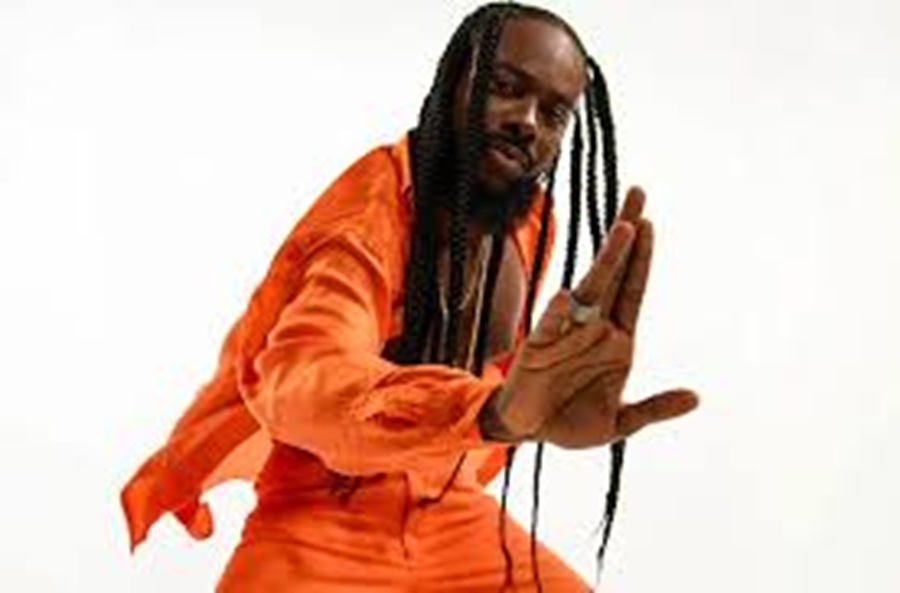
Popular Nigerian artist Adekunle Gold has lent his support to the growing youth-driven movement behind The Gathering on 100, further amplifying conversations around what is fast becoming one of the most talked-about upcoming experiences among young Nigerians.

Adekunle Gold
Known for his music and his strong connection with youth culture and evolving creative expression, Adekunle Gold’s involvement signals a deeper alignment between the event and the kind of audience it is attracting, a generation that is bold, expressive, and constantly redefining what community looks like.
While details of his involvement remain understated, his visible support adds a new layer of support and cultural relevance to the movement. In a landscape where attention is currency, endorsements from artists of his stature often act as a signal, drawing more eyes, more curiosity, and ultimately, more participation, but beyond visibility, the significance lies in what it represents.
The new father has, over the years, built a reputation for embracing creativity in its many forms, from music to visual storytelling, fashion, and digital engagement. His brand has consistently resonated with young Nigerians navigating similar spaces of self-expression and identity.
From interactive experiences like live music sessions and open performance moments to fashion runways and content creation spaces, the event is designed to blur the lines between audience and participant. It invites attendees to move beyond observation and become part of the moment.
This is a concept that closely mirrors the kind of cultural shift Adekunle Gold has been part of, one where boundaries between creator and consumer continue to dissolve.
His support also reflects a broader trend within Nigeria’s entertainment industry, where artists are increasingly engaging with youth-led initiatives that go beyond traditional performances. Rather than simply appearing on stage, they are aligning with movements that foster community, creativity, and shared experience.
For fans and attendees, this adds another dimension to what The Gathering on 100 represents.
As registrations increase and conversations expand across social platforms, the movement is gradually taking shape through the collective interest of those drawn to it.
Head to gathering.com to register.

Prof. Joash Amupitan, chairman, Independent National Electoral Commission (INEC), has urged broadcast organisations in Nigeria to exercise greater responsibility in the dissemination of information as the country prepares for the 2027 general elections.

Amupitan made the call on Wednesday, while addressing participants at the 81st General Assembly of the Broadcasting Organisations of Nigeria (BON), where he highlighted the growing influence of the media in shaping electoral processes.
He noted that the information environment has become increasingly significant in modern elections, warning that the spread of false or misleading information through broadcast channels could undermine public confidence in the electoral system.
According to the INEC chairman, media organisations must ensure strict compliance with the provisions of the Electoral Act 2026, particularly those relating to political broadcasting. Politics
He explained that the law requires equitable access to broadcast platforms for all registered political parties, stressing that fairness in media coverage is essential to maintaining a level playing field during elections.
“With 22 registered political parties, fairness in airtime allocation and coverage is a legal obligation,” Amupitan said.
The INEC chairman also cautioned broadcasters against airing content that contains abusive, inflammatory, or divisive language capable of inciting ethnic, religious, or sectional tensions.
Such broadcasts, he said, could threaten national unity and disrupt the electoral process if not properly managed.
Amupitan further reminded media organisations about the 24-hour cooling-off period mandated by law before election day, during which all political campaigns and advertisements must cease.
He explained that the measure is intended to provide voters with time to reflect on their choices without being influenced by last-minute campaign messaging.
While acknowledging the constitutional guarantee of freedom of expression, Amupitan emphasised that the right must be exercised within the limits of the law.
He noted that the airwaves are a public resource and must therefore be used responsibly to ensure fairness, balance, and equal access for all political actors.
The INEC chairman also pointed to the collaborative roles of INEC and the National Broadcasting Commission (NBC) in regulating political broadcasting, although he acknowledged that certain challenges persist.
These challenges, he said, include regulatory overlaps, gaps in enforcement, and the increasing convergence of traditional broadcast media with digital platforms, which has made monitoring political communication more complex.
Amupitan also expressed concern over perceived incumbency advantages in state-owned broadcast stations and the growing commercialisation of political airtime, warning that these practices could disadvantage smaller political parties. Politics
To address these concerns, he called for stronger collaboration between regulatory agencies, clearer guidelines on equal access to media platforms, and improved systems for fact-checking and verification.
He also advocated increased transparency in political advertising, including the disclosure of sponsorship and pricing structures.
Amupitan urged broadcasters to prioritise accuracy and professionalism in their operations, encouraging them to verify information before dissemination and play an active role in combating fake news.
He also called on the media to contribute to voter education and civic mobilisation, noting that public participation is vital to strengthening Nigeria’s democratic process.
Reaffirming the commission’s commitment to transparency, the INEC chairman advised media organisations to rely on official INEC communication channels for verified electoral information.
He added that the credibility of the 2027 general elections would depend not only on electoral logistics and technology but also on the integrity of the country’s information environment.

Meta Files Appeal over $25,000 Damages Awarded to Falana

Teenager Hacks Celebrities Whatsapps, Sells Adult Content in Delta

FG Unveils ePharmacy Platform to Regulate Digital Pharmaceutical Services

Elon Musk Accuses South Africa of Racism over Starlink Licence Block

SERAP Asks Tinubu to Probe Alleged N2.9Bn Fraud In NIGCOMSAT, NNRA

Spotify’s Loud & Clear Report Reveals Over ₦60Bn Revenue for Nigerian Artists in 2025

Kuda MFB Increases Kuda for Her Business Grants to ₦10 Million

Canal+ to Cut Jobs as Part Sweeping Restructuring

Nigeria tops global rankings for USDT, USDC ownership

NBC Boss Urges Content Ceators to Participate in DSO




 Broadcasting2 days ago
FG to Gift Nigerians over 100 Free TV Channels from May 15

 E-Financial2 days ago
CBN Dismisses Polaris Bank Liquidation Claim

 E-Financial2 days ago
AfDB Okays $200m for Nigeria’s Digital Backbone, Others

 General News2 days ago
FG New Approves Biometric Passenger Verification System for Airports Security

 E-Financial2 days ago
Nigeria’s Growth under Threat as Poverty Deepens, World Bank Warns

 News2 days ago
Experts Reveal a Steady Decline of High-severity Incidents Over the Years

 General News2 days ago
Breaking Barriers: Cassava Technologies Expands Digital Access Across Africa

 E-Business2 days ago
NESREA, ACMTI, Others Launch Carbon Utilisation Initiative in Nigeria