

Telecom
Nigerians Overpay for their Internet – Study

Surfshark recently released the Global Internet Value Index (IVi), which uncovers countries that are overpaying for their internet connection plan. Nigeria is in 109th place in the world with an index 44 times lower than the global average.

Oceania and Europe lead the world in internet value, while internet affordability in North America, South America, and Africa is below average. Globally, only 4 out of 10 people get their internet at fair prices, while the remaining 61% overpay for internet they get.
Global Internet Value index (IVi) is calculated by dividing each country’s internet speed by internet affordability to determine which countries are overpaying for their internet.
According to Surfshark’s data, Nigeria ranks 109th globally with an index of 0.0017, which is 44 times lower than the global average, meaning Nigerians are overpaying for the internet they get compared to other countries worldwide.
In terms of regional position, Nigeria ranks 16th with its index 56% lower than Africa’s average. Nigeria is in 12th place in Sub-Saharan Africa. Countries like South Africa and Ghana rank 70th and 105th respectively, both overpaying for the internet they get. Nigeria has a 90% lower index compared to South Africa and 26% lower index compared to Ghana.
“Internet Value index offers to look at internet connection from a practical perspective – whether we get what we pay for. Even economically affluent countries with relatively fast internet can overpay compared to others worldwide,” says Agneska Sablovskaja, Lead Researcher at Surfshark. “However, some countries may have slower internet but also pay a considerably lower price, which is then considered fair.”
4 out of 10 Africans get their internet at a fair price
Comparing internet value in Africa, 4 out of every 10 people can access the internet at a fair price. South Africa remains the outright leader, with Egypt ranking second, followed by Morocco. While the top-ranking African country, South Africa, is part of the Sub-Saharan Africa subregion, the Northern Africa subregion performs better overall, with the average index of its 4 countries being 2 times higher than Sub-Saharan Africa’s.
All Northern African countries have above-average internet value, while only 1 in 4 (26.3%) Sub-Saharan African countries do. Zimbabwe and Uganda are the lowest-ranking African countries, followed closely by Cameroon.
4 out of 10 people in Asia can access the internet at a fair price compared to the rest of the region. Israel takes the lead in Asia with the best internet value index, followed by Singapore and South Korea.
78% of European people get their internet at fair prices. Denmark takes the lead in Europe with an index nearly four times higher than the European average, closely followed by France. The three lowest-ranking countries: Bosnia and Herzegovina, Albania, and North Macedonia, are all located in Southern Europe.
In North America, 7 out of every 10 individuals can access the internet at a fair price. The United States outperforms Canada regarding internet value.
None of the countries that form part of the Latin American and the Caribbean subregion of North America have above-average internet value. 59% of South Americans get their internet at a fair price. Chile is South America’s leader in internet value, followed by Uruguay and Brazil.
Oceania’s internet value index is 2.5 times higher than the global average. Australia ranked 5th in the world, and New Zealand ranked 25th overall.
Methodology
This study ranks 117 countries and territories based on the Internet Value index (IVi), which is determined by fixed broadband internet and mobile internet speed-to-affordability ratios.
Pillars have four indicators directly influencing the quality to affordability aspect: 1) time to work to afford fixed broadband internet (hours). 2) time to work to afford mobile internet (hours). 3) median fixed broadband download speed (Mbps). 4) median mobile internet download speed (Mbps).


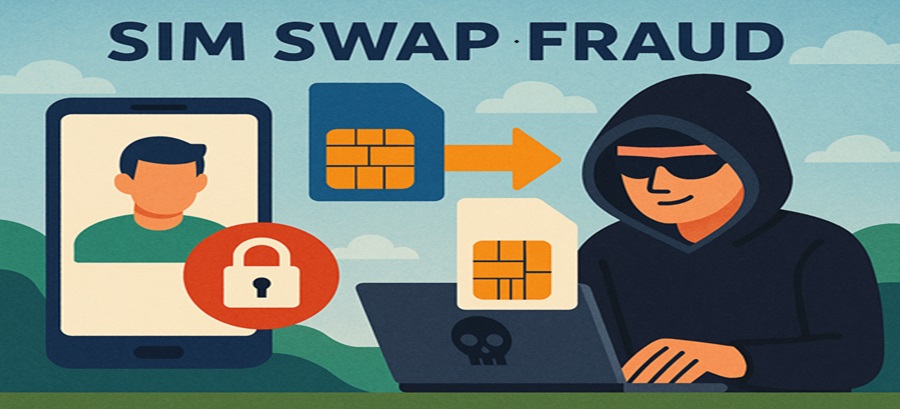
Titilayo Ibrahim, Nigerian businesswoman, has shared a harrowing experience of how she narrowly escaped imprisonment after a SIM card she purchased was linked to a N50 million kidnapping and murder case.

In an interview with BBC Yoruba shared on Facebook, Ibrahim narrated how a routine business transaction quickly turned into a terrifying ordeal.
According to her, the nightmare began on October 16, 2025, when a purported customer contacted her business line to purchase nightwear.
The caller, a woman, claimed her own phone was faulty and that she was using her husband’s device.
After selecting two pieces, the woman asked for directions for pickup. Ibrahim shared the location of her estate junction, but upon arrival, she was met by two men who identified themselves as police officers and immediately arrested her.
The officers accused Ibrahim of being connected to a major kidnapping operation.
They alleged that the phone number she was using had been involved in a January 2024 incident where a N50 million ransom was collected before the victim was brutally murdered.
Ibrahim desperately tried to explain that the number was innocent, stating that she had only purchased the SIM card in April 2025—months after the crime took place—and used it strictly for her MiFi device.
The officers, reportedly led by Inspector Dauda Adamu of the Force Intelligence Department (FID) in Abuja, claimed that one of the phone numbers linked to her National Identification Number (NIN) was tied to the crime.
They took her to the State Criminal Investigation and Intelligence Department, and she faced intense harassment and the threat of being detained in Akure and transferred to Abuja.
In a bid to clear her name, Ibrahim and the officers visited an Airtel office.
On October 17, 2025, the telecommunications company officially confirmed from their records that the disputed SIM was indeed purchased and activated in April 2025.
“Even after confirming it at the network office, they still didn’t believe me. They harassed me and almost sent me to prison for what I know nothing about,” Ibrahim recounted.
Despite the undeniable evidence from the network provider clearing her of any involvement, the police still confiscated her phones, took them to Abuja, and instructed her to report there.
Her revelation has sparked widespread outrage and concern online.
Many Nigerians expressed shock at the incident, pointing out the growing dangers and security risks associated with telecommunication companies recycling inactive phone numbers or the hazards of inadvertently purchasing pre-registered SIM cards.
The incident highlights the terrifying reality of how easily innocent citizens can become entangled in complex criminal investigations.

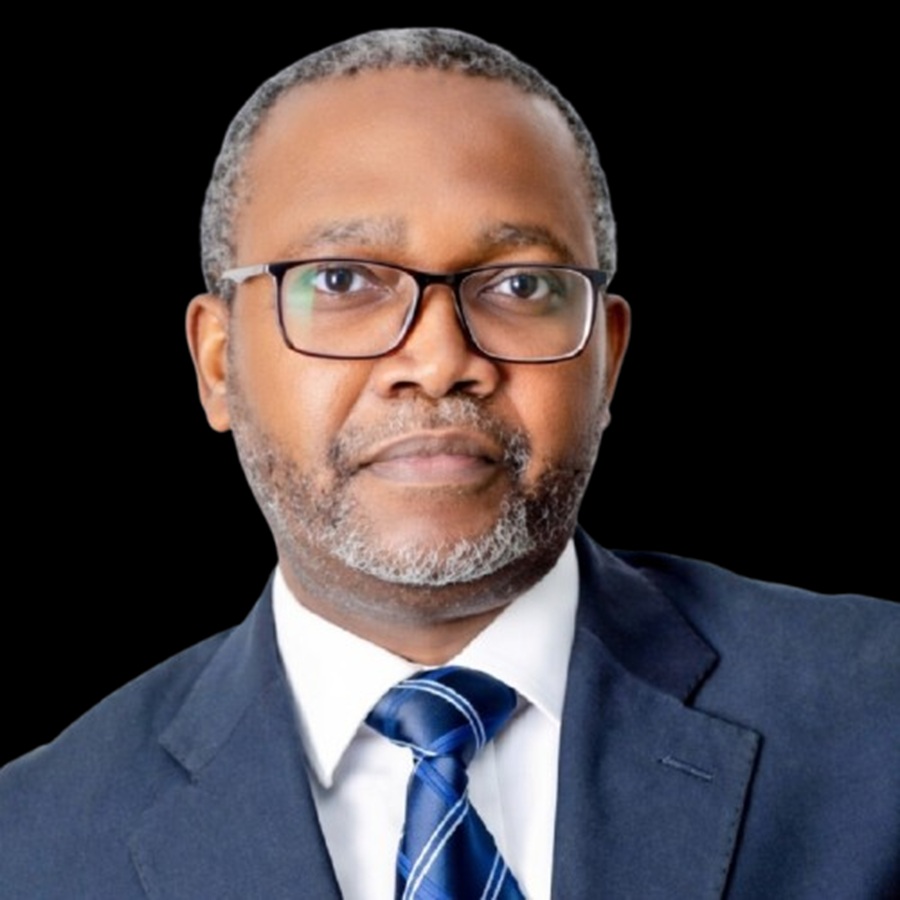
Ouranos Technologies Limited has announced the appointment of Mr. Tajudeen Ahmed as Chairman of the Board of Directors, effective 1 January 2026.

Ouranos Technologies is an enterprise technology solutions integrator, managed services provider, and innovation lab in West Africa, specialising in IT infrastructure, networking, cybersecurity, cloud computing, artificial intelligence (AI), and digital transformation solutions for organisations across banking and financial services, telecommunications, energy, manufacturing, and the public sector.
Commenting on the appointments, Mr. Mfon Okon, Managing Director of Ouranos Technologies Limited, also confirmed the appointment of Mrs. Omokunbi Adeoti and Mr. Olalekan Olabode as Non-Executive Directors, further strengthening the Board’s strategic oversight as the company continues its regional expansion and technology leadership.
These appointments mark a significant milestone in the governance evolution of Ouranos Technologies, as it deepens its focus on enterprise technology delivery, cybersecurity innovation, and strategic partnerships across Africa.
Strengthening Governance for the Next Phase of Growth
Mr. Tajudeen Ahmed brings over 25 years of leadership experience spanning consulting, banking, manufacturing, capital markets, and large-scale corporate strategy execution.
He holds a BSc. in Accounting from Ahmadu Bello University, Zaria, where he graduated as Best Student in both the Department and Faculty, and an MBA, with Distinction, from the University of Leeds, United Kingdom.
A Fellow of the Institute of Chartered Accountants of Nigeria (FCA), Mr. Ahmed has held senior leadership roles across several prominent institutions including Arthur Andersen / KPMG, Zenith Bank Plc, Skye Bank Plc, Variant Advisory Limited, and BUA Group, where he served as General Manager / Group Head, Business Development. During his tenure at BUA Group, he played a key role in the listing of BUA Foods Plc on the Nigerian Exchange (NGX) and in securing regulatory approvals for the Bundu Free Trade Zone in Port Harcourt.
He holds Fellowships of other reputable institutions, including National Institute of Credit Administration (FICA), Enterprise Risk Management Professionals (FERP), and Nigerian Leadership Initiative (FNLI); as well as memberships of the Chartered Institute of Directors Nigeria (M.CIoD), Chartered Institute of Bankers of Nigeria (ACIB and HCIB), and Institute of Chartered Secretaries and Administrators of Nigeria (ACIS). He currently serves on the Board of the Society for Corporate Governance Nigeria (SCGN).
Mr. Ahmed currently serves as Associate Director (Deal Origination) at Lead Capital Plc, where he continues to drive strategic business growth.
Experienced Leaders Join the Board
Joining the Board as Non-Executive Director, Mrs. Omokunbi Adeoti brings over 24 years of leadership experience in human capital strategy, governance, organisational transformation, and customer experience across Sub-Saharan Africa.
She currently serves as Chief People Experience Officer at Leadway Group, where she provides strategic oversight for human capital and customer experience across 11 business entities and over 4,000 employees (FTE & non-FTE) spanning insurance, pensions, health, hospitality, and asset management operations.
Mrs. Adeoti has led large-scale transformation initiatives including enterprise restructuring, HR digitisation, and group-wide customer experience optimisation, driving measurable improvements in organisational performance, employee productivity, and customer engagement.
She has also played a key role in mergers and integration programmes, as well as the deployment of enterprise HR systems, enabling operational efficiency and scalability across the Group.
A Fellow of the Chartered Institute of Personnel Management (FCIPM), Mrs. Adeoti is a member of several global professional bodies, including the HR Forbes Council and the Society for Corporate Governance Nigeria (SCGN). She has received multiple recognitions for her leadership impact, including Peak Performing Woman of the Year (2023 and 2024).
Also joining the Board is Mr. Olalekan Olabode, a seasoned finance and operations executive with over 18 years of multinational experience in financial management, strategic planning, and operational oversight across complex, capital-intensive industries.
Mr. Olabode is a distinguished Finance Executive with over 21 years of leadership at the intersection of maritime logistics, global supply chain, and corporate finance. He has held senior executive roles at prominent logistics operators where he built a reputation for turning financial complexity into strategic advantage.
He has a proven history of making high-stakes treasury decisions under pressure navigating foreign exchange volatility, managing interest rate exposure, and manoeuvring one of the most challenging currency environments in Africa.
His governance frameworks are not simply compliance exercises; they are systems architected for resilience, built on rigorous internal controls that protect value and enable bold decision-making.
What distinguishes Olalekan is his rare ability to align financial performance with long-term strategic intent translating numbers into narratives that drive boardroom conviction and organizational momentum.
He builds teams that outlast his tenure, embedding structures, accountability, and a culture of excellence that compounds over time. His investment in mentorship has produced measurable leadership depth across every organization he has led.
A Fellow of the ACCA (UK), Certified Supply Chain Professional, and Executive MBA candidate at the Kellogg School of Management, Northwestern University, Olalekan brings both the technical mastery and the executive presence to lead at the highest levels.
Corporate Governance and Legal Advisory
Supporting the Board’s governance structure is Ms. Margaret Akpoyoware (ACIS), who serves as Company Secretary.
A seasoned legal practitioner with extensive experience in corporate advisory, commercial transactions, litigation, and regulatory compliance, she previously practised with Chief Rotimi Williams Chambers and Olajide Oyewole & Co. before founding Nero’s Practice, a multidisciplinary law firm providing legal advisory services to corporate and institutional clients.
Ouranos Technologies to Drive Africa’s Digital Transformation
“The appointment of Mr. Tajudeen Ahmed as Chairman, alongside the addition of accomplished professionals such as Mrs. Omokunbi Adeoti and Mr. Olalekan Olabode to our Board, represents an important step in strengthening the governance and strategic leadership of Ouranos Technologies,” Mr Okon, Managing Director of Ouranos Technologies Limited, added.
“As organisations across Africa accelerate their digital transformation journeys, strong governance, strategic insight, and operational discipline become even more critical.
“The depth of experience our new Board members bring will support Ouranos Technologies in delivering innovative, secure, and scalable technology solutions for our customers across the region,” Mr Okon said.
The strengthened Board reflects Ouranos Technologies’ commitment to strong corporate governance, innovation, and sustainable growth.
With operations spanning Nigeria and other West African markets, Ouranos Technologies operates as an enterprise technology solutions integrator, managed services provider, and innovation lab, delivering solutions across IT infrastructure, networking, cybersecurity, cloud computing, artificial intelligence, and digital transformation for organisations across banking and financial services, telecommunications, energy, manufacturing, and the public sector.
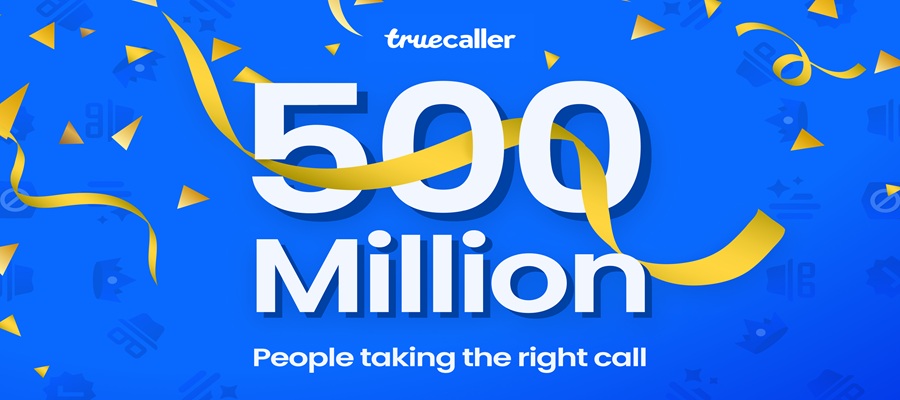
Truecaller, the leading global platform for safe and trusted communication, today announced that it has surpassed 500 million users worldwide, marking a significant milestone in the company’s mission to build trust in communication.

Truecaller
The platform continues to see significant user growth, adding over 50 million users in 2025, and has surpassed 150 million users outside of India as demand for protection against spam, scam and unwanted communication continues to grow globally.
Truecaller also crossed 4 million paying subscribers globally earlier in the year, further strengthening one of its key revenue streams.
Crossing the 500 million mark underscores how trust has become one of the most essential layers in digital communication today.
“This is an important milestone for us, but it also says something bigger about the world we live in,” said Rishit Jhunjhunwala, CEO of Truecaller.
“More and more people need help navigating spam, scams, and unwanted communication every day. Reaching 500 million users shows the scale of that need, and the trust people place in Truecaller to help make communication safer.
“Our commitment remains focused on continuously strengthening Truecaller with smarter technology and new capabilities that protect users before, during, and after every call or message.
“Ultimately, our aim is to build a safer, more trusted communication ecosystem for everyone. We now have our sights set on the next milestone: 1 Billion users.”
With half a billion people using the platform every month, Truecaller has evolved beyond just Caller ID. It has become an essential part of how communication works safely in the digital age; a daily-use trust layer that helps people verify identities, avoid fraud, and make informed decisions about who they interact with.
Today, Truecaller operates as a global digital utility platform, embedded into everyday communication habits for hundreds of millions of people. From identifying unknown callers to preventing fraud and enabling safer messaging, the platform has become a habitual, daily-use service that supports safer interactions across the phone ecosystem.
Despite serving more than half a billion users globally, the company remains relatively lean, with a team of approximately 470 employees building and operating the platform for users around the world.
The company will continue to report the average number of monthly and daily active users on a quarterly basis in connection with its interim financial reports

How Recycled SIM Card Linked to N50m Kidnapping Nearly Landed me in Jail – Businesswoman

Senate Gives Tinubu Nod to Borrow Fresh $6Bn

FG Earmarks $2Bn to Launch 2 Satellites in 2028, 2029

CBN Directs Banks, Fintechs to Complete Cybersecurity Audit Tool

FG Launches CLHEEAN to Streamline Access to Government Services

Spotify’s Loud & Clear Report Reveals Over ₦60Bn Revenue for Nigerian Artists in 2025

Madonna University Taps Tech Guru Adote for Strategic Board Role

China Threatens to Shut Nigeria’s Satellite Over $11.44m Unpaid Debt

Jumia Tech Week 2026 Begins with Tech Deals on Smartphones, Electronics, and Everyday Technology

FCCPC Bans Lagos ‘No Refund’ Policy, Vows Fines and Shutdowns for Traders




 E-Financial2 days ago
CBN bars large‑ticket loan defaulters from banking services in tough new crackdown

 General News2 days ago
ARN Rejects Medical Bill over Attempt to ‘Scrap’ Profession

 Telecom2 days ago
NIGCOMSAT Supports Startups Growth with the Launch of Accelerator 3.0

 News2 days ago
Meningitis Kills a Quarter Million People a Year -Study

 Telecom2 days ago
FG Unveils Digital Economy Research Fund Scheme

 News2 days ago
Stakeholder says AI is Crucial to Nigerian Data Centres Amid Persistent Grid Collapse
- General News2 days ago
Nigeria Advances Digital Governance as NITDA takes over NGEA Portal

 News1 day ago
Dangote Refinery Debunks Speculations on IPO