

General News
Henry Naiho Bags Outstanding ICT Solutions, Innovation and Youth Empowerment Personality of the Year Award


An IT egghead / expert who has contributed immensely to the development of the sector in Nigeria and beyond has emerged winner of outstanding ICT Solutions, Innovation and Youth Empowerment personality of the year award at this year’s Africa’s Beacon of ICT Merit and Leadership Award.

Henry Nwapali Ndidi Naiho emerged winner of the highly coveted African Beacon of ICT Merit and Leadership award of Outstanding ICT Solutions, Innovation and youth Empowerment Personality of the Year award in recognition of his outstanding contributions, mentorship and innovative support and contributions to the ICT space in Africa and Nigeria by African foremost and leading ICT paper.
The event held on Saturday 25th May at Four Points by Sheraton was themed: “Artificial Intelligence: The Good, The Complex and The Anticipated”.
While receiving the award Naiho said: “l dedicates this award to my family and the teeming youths that sees me as their role model and mentor. ‘’Your believe in me, is your calls and shout outs that fire me up the more. He said excitedly.”
Henry Naiho is an experienced technology business leader with strong IT and Telecommunications technical knowledge, UX/UI and entrepreneurial mindset,; he has over 26years cognate experience in ICT, with high expertise not limited these areas: Project, Programme & Portfolio Management, Customer and User Operations Management, ICT, Transmission, BSS, Software Development etc., Network Planning, Implementation, Operations & Maintenance, Stakeholder Engagement and Management, Team Build, Performance and Management, Business Processes, Analysis & Analytics.

He had an enviable work stint so far, here are some select positions with organizations, he was the Senior Project Manager (IT), Sasol Plant) South Africa, Group Lead, Technology Transformation & Operations, Userlytics Group, South Africa, Regional Operations Manager (South Africa & Africa Operations): Stratosat Datacom Pty Ltd, South Africa, Quality Management (Projects & Operations).
He was also at Zain Mobile Limited, West Africa (AKA Airtel Africa) as the Regional Manager, Transmission Network implementation & Operations. Regional Transmission Engineer, (Implementation, Operations & Maintenance): Globacom Limited, Nigeria. Naiho’s diverse academic background in physics, Tech-management and vendor-specific certifications, has equipped him with uncommon expertise to provide cutting-edge solutions to clients across various sectors.
His entrepreneurial spirit, driven by a desire to provide solutions to human needs, empower the youths which he said is fire in his bone, has led him to represent top brands like Ericsson, Huawei, Motorola, and Microsoft.
Through his brand, Naiho offers a range of services, including business processes, human capital development, business research, technology harnessing, and corporate sustainability solutions. He has continuously updated his skills to ensure his brand remains relevant, meeting and exceeding client needs for best satisfaction and experience. Naiho’s achievements are a testament to his dedication and expertise. He has implemented numerous solutions using technology to streamline business processes, improve efficiencies, and effectiveness.
He attributes his success to his ability to be resilient, tunnel vision, flexible, and adaptable, qualities he believes are essential for thriving in the industry.
According to him, “As a Fibre optics engineer, I have published research papers on Fibre optics resilient and solutions for survivability.
“ I have also obtained 5G certifications, demonstrating my commitment to staying up-to-date with the latest technologies.”
He added that his expertise in process improvements, operations management, and technology has made him a sought-after professional in his field.
His Counsel for Youths seeking a career in ICT: Naiho’s advice to youths seeking a career in this field is straightforward: “Pursue your passion, invest in continuous learning, and seek ways for continuous improvements.
“The industry offers opportunities for growth and development, and with dedication and hard work, you can build a successful career like mine.”
As a role model, Naiho’s career trajectory serves as an inspiration to youths, demonstrating that with hard work and determination, they can achieve their goals and build a successful career in the IT, Telecommunications, Quality, and Operations Management industry.
Speaking at a recent press conference, Naiho emphasized that the adoption of innovative technological solutions is no longer optional but essential for businesses seeking to enhance efficiency and maintain a competitive edge.
“Technology offers a plethora of tools designed to optimize business operations, eliminate bottlenecks, and improve overall efficiency,” said Naiho. “Organizations that fail to integrate these tools into their processes risk falling behind their more tech-savvy competitors.”
Naiho highlighted several key areas where technology can significantly impact business processes, including automation, data analytics, and cloud computing.
Automation, he noted, can take over repetitive tasks, freeing up employees to focus on more strategic activities. “By automating routine tasks, businesses can reduce human error, save time, and increase productivity,” he explained.
Data analytics is another crucial area where technology can drive substantial improvements. “Businesses today generate vast amounts of data. Properly analyzing this data can provide valuable insights into customer behavior, operational inefficiencies, and market trends,” Naiho pointed out.
He added that using advanced analytics tools can help businesses make more informed decisions and tailor their strategies to better meet customer needs and expectations.
Naiho also emphasized the importance of cloud computing in streamlining business processes. “Cloud-based solutions offer flexibility, scalability, and cost-efficiency. They enable businesses to access their data and applications from anywhere, facilitating better collaboration and continuity,” he said.
To maximize the benefits of these technologies, Naiho urged businesses to be adaptable and open to change.
“The key to leveraging technology effectively is to remain flexible and continuously seek ways to improve. This requires a culture that embraces change and encourages innovation,” he stated.
Also, Naiho called on regulatory bodies and the government to support the technological advancement of businesses by creating conducive policies and infrastructure.
“The government and regulators play a crucial role in fostering an environment that supports technological adoption. By engaging with industry stakeholders and aligning policies with technological advancements, they can help businesses thrive,” he remarked.
Naiho’s insights shed light on the imperative for businesses to leverage technology to streamline their operations.
His call to action serves as a timely reminder that embracing technological innovation is critical for achieving operational excellence and long-term success.
With a PhD (in view), Fellow of some prestigious institutions, Post graduate in Business Administration, Strategy, Management and Programme Management, and a B.Sc in Physics garnished with industry specific certifications in SAP, TOGAF Standard 9.2 complete, 5G Technology, Architecture and Protocols, 5G Planning and Design, 5G Open RAN and Private Networks, Design Thinking, User Research, User Experience Management, User Accessibility, Product Management, AWS Solutions Architect , ISO QMS 9001:2015, ISO OHAS 45001: 2018 and lots of other vendor specific (Ericsson, Huawei, Harris etc.).


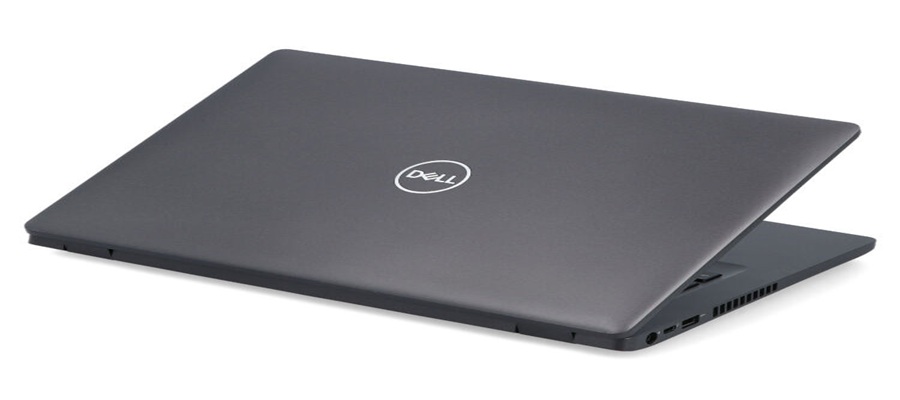
MENXTT TECH NG, a Lagos-based technology company, has launched an initiative to make quality Dell laptops more affordable for Nigerians through flexible payment plans and extended warranty support.

The company said the initiative was aimed at helping students, entrepreneurs, professionals and small businesses acquire reliable computing devices despite rising technology costs.
According to the company, customers can now purchase premium pre-owned Dell Latitude, Dell Precision and Dell Inspiron laptops at competitive prices, with selected models available under staggered payment arrangements.
The laptops, it said, are designed to meet the needs of users ranging from students and office workers to architects, engineers, software developers, graphic designers and video editors.
Speaking on the initiative, the Co-Founder of MENXTT TECH NG, Mr Anthony Emeka Nwosu, said access to quality technology should not be limited by financial constraints.
“A laptop is no longer a luxury; it is an essential tool for education, business and career development.
“Unfortunately, many people are forced to settle for unreliable devices because of the high cost of new laptops.
“At MENXTT TECH NG, we want to bridge that gap by providing durable Dell business laptops at affordable prices, backed by a full one-year warranty and flexible payment plans.
“We want every student, entrepreneur, freelancer and business owner to have access to technology that helps them succeed,” he said.
Nwosu explained that every laptop undergoes comprehensive testing before delivery and comes with a one-year warranty, an original charger, a complimentary laptop bag, Windows 11 operating system and Microsoft Office Suite pre-installed.
He added that the company, an authorised Bitdefender Antivirus reseller in Nigeria, also installs genuine Bitdefender security software on every system to protect customers against cyber threats.
According to him, customers requiring additional productivity tools can also have licensed Foxit PDF software installed on their devices.
Nwosu said the flexible payment option was introduced in response to prevailing economic realities, enabling customers to spread payments over an agreed period.
He noted that the arrangement would make it easier for students, startups and growing businesses to acquire quality computers without placing excessive pressure on their finances.
Beyond laptop sales, the company provides information technology consultancy, computer repairs, software licensing, cybersecurity solutions and digital transformation services to organisations across Nigeria.
He reaffirmed the company’s commitment to supporting Nigeria’s digital economy by making dependable computing devices and enterprise technology solutions more accessible to individuals and businesses.
According to him, the initiative reflects MENXTT TECH NG’s vision of combining affordability, quality products and professional after-sales support to help more Nigerians participate in the country’s expanding digital ecosystem. (NAN)


Ugo Nwokolo, Nollywood actor, has shared a controversial opinion on internet fraud, saying it has been keeping the nation’s economy afloat amid a tougher economic climate.

Ugo Nwokolo, Nollywood Actor
Nwokolo made the assertion in a video interview currently circulating on social media.
According to the actor, the cost of living and soaring house rent have made life unbearable for legitimate income earners.
He said high rent in major cities like Lagos and Abuja has edged out those earning N50,000 and N90,000 monthly.
Nwokolo said, “Personally, I think Yahoo has helped keep the economy afloat. Do you expect a civil servant to afford house rent of N3 million or N5 million in Abuja?”
The actor maintained that only the rich, including fraudsters, could meet up with the rising cost of living.
“If you go to Lagos now, the least you’ll see for a two-bedroom apartment is about N7 million or N8 million. Who is supposed to afford it? The civil servants? Of course, it’s the fraudsters,” he stressed.
However, he argued that he was not justifying crime but merely stating fact.
“I’m not justifying crime, but yes, Yahoo is helping the economy. How do you expect people to live in this kind of economy?” he said.

Aliko Dangote, Africa’s richest man, plans to dedicate one-third of his wealth to charity as part of his succession plan, Halima Dangote, his daughter, has revealed.

Aliko Dangote
Halima, a trustee of the Aliko Dangote Foundation, disclosed this in an interview with Bloomberg published on Tuesday, saying the billionaire had secured the support of his family to commit 33 per cent of his estate to philanthropy.
According to the Bloomberg Billionaires Index, Dangote’s net worth is estimated at $35.1 billion, meaning one-third of his current wealth would be worth about $11.7 billion if his fortune remains at that level.
Halima explained that her father views philanthropy as a key part of his legacy and has incorporated it into the family’s long-term succession plans.
She said Dangote had structured his estate to ensure that charitable giving continues across generations, particularly in areas such as healthcare and education.
“He sort of put all the structure in place whereby we focus a lot on health and education. He actually donated 25 per cent to the foundation. If you look at it, it is what we call in Sharia Code in Islam; it means he has donated 33 per cent of his whole inheritance to his foundation,” she said.
Halima added that Dangote believes giving back is central to the success of his businesses and the family’s values.
She said the billionaire asked her, her two sisters, and his mother to sign the agreement allowing 33 per cent of his inheritance to be dedicated to humanitarian causes.
The planned donation builds on Dangote’s longstanding philanthropic activities through the Aliko Dangote Foundation, which was established in 1994.
According to Halima, the foundation received an endowment of $1.25 billion about a decade ago and has since received an additional $700 million in funding.
She said about 70 per cent of the foundation’s spending goes to programmes in Nigeria, while 20 per cent supports projects across Africa, with the remaining funds directed to initiatives in other parts of the world.
The foundation’s interventions focus on healthcare, education, nutrition, and humanitarian support, including partnerships that contributed to the eradication of wild poliovirus in Africa.
Dangote’s planned charitable commitment adds to increasing global attention on billionaire philanthropy.
Although the proposed 33 per cent allocation is below the 50 per cent commitment associated with the Giving Pledge, it would rank among the largest philanthropic commitments announced by an African billionaire.
Earlier this year, Dangote was named among the world’s most influential philanthropists by TIME magazine’s inaugural TIME100 Philanthropy list, recognising the impact of the Aliko Dangote Foundation, which reportedly spends more than ₦50 billion annually on programmes across Africa.

Kaspersky Uncovers Cyber Threats Defining the First Half of 2026 in Nigeria, Others

MENXTT TECH NG Offers Affordable Dell Laptops with Flexible Payment Plans

ATU Summit Ends in Abuja with Landmark Declaration to Eradicate Continental Digital Divide

$40Bn Net Reserves, Record Wealth, Relentless Poverty: Who Is Nigeria’s Economy Serving Today?

Nwokolo, Nollywood Actor Claims Internet Fraud is “Keeping Economy Afloat’

NRC, Ponzi Scheme Collapses Resulting Loss of Billions of Naira

EFCC Busts NIS Visa Overstay Racket, Uncovers N700m in an Account

From Scarcity to Scale: What Africa Can Learn from India’s Agricultural Transformation

Tokenization, Blockchain Technology will Transform Financial Institutions – IMF

BON Establishes Six Ad Hoc Committees to Modernize Broadcasting




 Telecom2 days ago
Fact-Check: Elon Musk’s “Tesla Pi Phone” is Internet Rumor

 E-Financial2 days ago
Malpass, Ex World Bank Chief Raises Alarm over Nigeria’s Secretive Debt Structures

 Telecom2 days ago
How and Why Apps Deplete Data – ALTON

 E-Financial2 days ago
S&P Global Acquires Agusto & Co. to Strengthen Credit Ratings Across Africa

 News2 days ago
CIBN, ACAMB Push for Financial Inclusion, Women Empowerment

 Telecom2 days ago
Galaxy Backbone Soft Launches Government Service Portal to Simplify Access to Public Services

 E-Business2 days ago
NDPC Directs DCPMIs to Register with Agency or Face Legal Consequences

 Broadcasting2 days ago
Africa Prudential Posts N1.59bn Profit in H1 2026, Reaffirms Digital Growth Strategy