

Broadcasting
Unlocking Nigeria’s Digital Economy: What 2025 Means for Investors by Reuben Kalu


In recent years, Nigeria has made considerable strides in embracing the digital revolution. As 2025 unfolds, the nation’s digital landscape reveals a mix of tremendous growth, evolving technologies, and lingering challenges. Drawing insights from the latest “Digital 2025” global report by DataReportal, we examine how Nigeria is positioned to harness emerging digital trends and what the outlook means for individuals, businesses, and policymakers.

Internet Penetration: A Nation Going Online
The internet is fast becoming a lifeline for many Nigerians. According to recent trends, Nigeria, like much of Sub-Saharan Africa, is witnessing a steady increase in internet penetration. The “Digital 2024 October Global Statshot Report” already highlighted a surge in internet usage last year, and 2025 is expected to continue on an upward trajectory.
From urban hubs like Lagos and Abuja to emerging towns across the country, mobile internet access is enabling millions to connect, learn, and transact in ways that were unimaginable just a decade ago. This surge is largely driven by affordable smartphones, expanding mobile networks, and a youthful population eager to explore digital tools.
Social Media: A Digital Community on the Rise
Social media engagement in Nigeria continues to climb. The latest insights from DataReportal’s “Digital 2025: The State of Social Media” show that less than half of the connected population in Sub-Saharan Africa were using social media at the beginning of 2025. Still, the numbers are climbing, and Nigeria is a key player in this trend.
Platforms like WhatsApp, Facebook, Instagram, and TikTok dominate the social scene, not only for social interaction but also for business marketing, civic engagement, and education. Influencer culture, social commerce, and video content are reshaping how Nigerians consume and create information. Small businesses, in particular, are leveraging these platforms to reach wider audiences and scale faster than ever before.
The AI Wave: Nigeria’s Emerging Potential
Artificial Intelligence (AI) is no longer a far-off concept—it’s here, and it’s making waves. While the global spotlight is on AI’s transformative power, Nigeria stands at the threshold of an AI-driven future. According to DataReportal’s “AI Making Gains” section, the global adoption of AI tools is accelerating, and while Nigeria-specific data is limited, the implications are significant.
In Nigeria, startups and tech innovators are beginning to integrate AI into their products and services. Chatbots are enhancing customer service, AI-driven tools are streamlining data analysis, and educational platforms are adopting machine learning for personalized learning experiences. As digital literacy improves and AI tools become more accessible, we can expect broader adoption across industries like transportation, health and hygiene, fintech, and agriculture.
E-Commerce and Mobile Payments: The Rise of Digital Transactions
With a growing number of internet users and smartphones, e-commerce in Nigeria is thriving. Homegrown platforms like Jumia and Konga, alongside global entrants, are transforming how Nigerians shop. Whether it’s fashion, electronics, or groceries, consumers are embracing the convenience of online shopping.
At the heart of this revolution is mobile payments. From USSD codes to digital wallets and banking apps, cashless transactions are becoming the norm. This trend not only enhances transaction speed but also supports financial inclusion for underserved populations. The push towards a digital economy is evident, and with increased trust in payment systems, e-commerce growth is set to skyrocket.
Digital Infrastructure and Literacy: Bridging the Gap
Despite the progress, Nigeria still grapples with infrastructural and educational gaps. Internet accessibility in rural areas remains inconsistent, and electricity challenges hinder digital participation. Moreover, digital literacy is uneven, with many citizens unaware of the full potential of online tools.
To bridge this divide, stakeholders must invest in public-private partnerships. Government initiatives focused on expanding broadband coverage, coupled with community-based digital skills programs, can empower more Nigerians to participate in the digital economy.
Data Privacy and Cybersecurity: A Growing Concern
As digital adoption rises, so does the risk of cyber threats. Personal data protection, financial fraud, and online harassment are becoming more prevalent issues. For Nigeria to maintain momentum in its digital journey, there must be stronger emphasis on cybersecurity education and regulation.
The Nigeria Data Protection Commission (NDPC) is already taking steps in this direction, but more collaboration is needed between the government, private sector, and civil society to create a safe digital environment.
Opportunities Ahead: What This Means for Nigerians
For individuals, the digital transformation means access to better education, remote job opportunities, and faster communication. For entrepreneurs and businesses, it opens up new markets, smarter tools, and innovative business models. For the government, digital tools offer better citizen engagement, streamlined services, and improved transparency.
Youth, in particular, are set to benefit immensely. With the right training and exposure, Nigeria’s young population can drive tech innovation, develop world-class products, and position Nigeria as a global digital force.
A Digital Nigeria is Taking Shape
The digital outlook for Nigeria in 2025 is both exciting and transformative. With rising internet usage, growing social media communities, and increasing AI integration, Nigeria is clearly on the path to becoming a major player in the global digital economy.
But this future won’t build itself. It will require intentional investment, smart policies, and a collective effort from every sector of society. The opportunities are vast—and for those ready to embrace the digital leap, the rewards will be even greater.
As we navigate the rest of 2025 and look to the years beyond, one thing is certain: Nigeria’s digital journey is just beginning, and the best is yet to come.


MTN Group has begun rolling out MTN One TV, a new entertainment proposition designed to make digital video content more accessible, relevant, and flexible for customers across African markets.

Introduced in line with MTN’s Ambition 2030 strategy, MTN One TV brings together local storytelling, live channels, international programming, and market-specific viewing options tailored to how customers across the continent access and pay for digital entertainment.
The proposition is designed to give customers greater choice in how they watch content, with viewing models that may vary by market and can include free-to-view content, advertising-funded experiences, pay-as-you-watch access, and subscription offerings.
Depending on local availability, customers may also be able to pay through airtime, Mobile Money, and other locally supported payment methods, helping to reduce common barriers to streaming access.
Beyond enhancing customer experiences, MTN One TV creates new opportunities for African creators, broadcasters, advertisers, and ecosystem partners by helping connect content to wider audiences through MTN’s scale across connectivity, payments, and digital services.
By bringing together a broad mix of content experiences under a single proposition, MTN aims to support greater content discovery, broader audience reach, and sustainable growth across Africa’s digital entertainment ecosystem.
Anchored in MTN’s strategic platforms of Connectivity, Fintech, and Digital Infrastructure, MTN One TV forms part of the Group’s broader ambition to build digital experiences that create value for customers while enabling participation and growth across Africa’s digital economy.
“Entertainment is increasingly becoming an important gateway to digital participation,” said Selorm Adadevoh, MTN group chief commercial, strategy and transformation officer.
“Through MTN One TV, we are leveraging the scale of our connectivity, fintech, and digital capabilities to make relevant content more accessible while creating new opportunities for Africa’s creative and digital economies. This is aligned with our ambition to deliver digital solutions for Africa’s progress.”
MTN One TV is being introduced progressively across MTN markets through a phased rollout approach that reflects local market needs, existing services, and partnership opportunities.
Over time, MTN will bring together a combination of video capabilities, content partnerships, and customer experiences under the MTN One TV brand to create a more consistent and scalable entertainment proposition across its footprint.
Through MTN One TV, MTN continues to extend its role beyond connectivity by combining entertainment, payments, and digital services to deliver experiences tailored to the needs of African consumers.
The rollout supports MTN’s Ambition 2030 vision of leading digital solutions for Africa’s progress while expanding access to digital entertainment across the continent.

International Air Transport Association (IATA) has identified Nigeria as one of the most expensive countries in the world for airline operations, citing high taxes, charges and operational costs that continue to weigh heavily on local carriers.

IATA’s Regional Vice President for Africa and the Middle East, Kamil Al-Awadhi, disclosed this during the association’s Annual General Meeting held in Rio de Janeiro.
Al-Awadhi said that although Nigeria’s Minister of Aviation and Aerospace Development, Festus Keyamo, had been pursuing reforms aimed at improving the aviation sector, airlines operating in the country still faced enormous cost pressures.
According to him, the high-cost operating environment has continued to affect the profitability and competitiveness of Nigerian airlines, making it difficult for the industry to realise its full potential.
He noted that excessive taxes, regulatory charges and other operating expenses remained major obstacles to airline growth across the region, with Nigeria ranking among the most challenging markets from a cost perspective.
Al-Awadhi urged member states of the Economic Community of West African States to adopt a proposed 25 per cent reduction in aviation taxes and charges to ease the burden on airlines and passengers.
According to him, lowering taxes and charges would reduce airfares, stimulate passenger traffic and strengthen the competitiveness of carriers operating within West Africa.
He stressed that a more supportive policy environment was critical to unlocking the economic benefits of aviation, including increased trade, tourism and regional integration.
Industry stakeholders have consistently advocated lower taxes and regulatory fees, arguing that the current cost structure makes air travel less affordable and limits the growth of the sector.
IATA’s latest remarks add to calls for governments in West Africa to implement policies that will promote a more sustainable and competitive aviation industry across the region.
Broadcasting
NASENI Trains 50 Women in Kano on Renewable Energy Technologies Under She-Powers Initiative
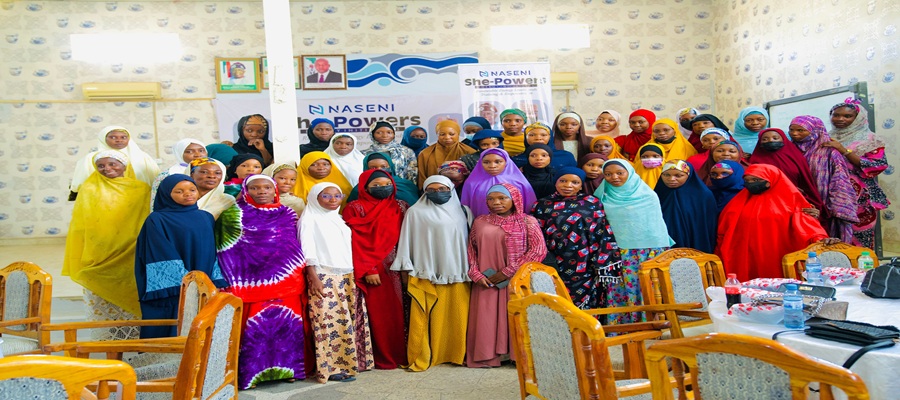
The National Agency for Science and Engineering Infrastructure (NASENI), under the leadership of its Executive Vice Chairman/CEO, Khalil Suleiman Halilu, has trained 50 women in Kano State on inverter and battery technologies through its She-Powers Energy Initiative.

The three-day programme, held at the Technology Incubation Centre, Farm Centre, Kano which ended yesterday, was designed to equip participants with practical renewable energy skills, promote women-led enterprises, and enhance sustainable livelihoods.
The initiative forms part of NASENI’s broader commitment to empowering women, creating economic opportunities, and expanding participation in Nigeria’s growing clean energy sector. It also aligns with the Renewed Hope Agenda of President Bola Ahmed Tinubu by supporting job creation, entrepreneurship, and inclusive economic development.
Through targeted interventions such as the She-Powers Energy Initiative, NASENI continues to demonstrate its commitment to leveraging technology and innovation to improve lives and drive sustainable development across the country.
Photos: Participants at the She-Powers Energy Initiative training organised by the National Agency for Science and Engineering Infrastructure (NASENI) held at the the Technology Incubation Centre, Farm Centre, Kano yesterday.

UK, Nigeria Launch £15m Growth Programme to Accelerate Economic Transformation

Haleon Introduces New Corporate Identity in Nigeria

NITDA Unveils Ambitious Strategy to Turn Southwest into Nigeria’s Next Innovation Powerhouse

Airtel Africa Foundation Publishes Inaugural Annual Report

Mobile Internet Gender Gap Widest in Africa – GSMA

CBN Extends PoS Geo-Fencing Enforcement Deadline to August 2026

Jumia Nigeria Records Strong Q1 2026 Growth as Technology-Led Strategy Drives Market Expansion

NCC Drafts New Rules for Virtual Mobile Operators

TD Africa, HPE Drive Conversations on the Future of Intelligent Networking

Anthropic Raises $65 Bn to Expand AI Research, Innovation




 E-Business2 days ago
Firm Discovered a New Corporate Phishing Technique using a Popular AI Web Development Platform

 Telecom2 days ago
No More Deleting and Reposting: Instagram Unveils Long-Awaited Profile Update

 Telecom2 days ago
Airtel Nigeria Launches Web Data Calculator to Give Customers Greater Visibility into Data Usage

 Telecom2 days ago
NCC Board Reviews Telecom Sector, Notes Progress in Network Expansion, Consumer Compensation

 Telecom2 days ago
All Set for 2026 Nigeria DigitalSENSE Forum and Awards: NLNG, IHS, and others rally support

 Telecom2 days ago
FG’s $10m Hello.cv Deal Sparks Outrage as Experts Question Snub of .ng Domain

 E-Financial2 days ago
America Borrows Power, Nigeria Borrows Survival

 General News2 days ago
MSMEs Paucity of Funds Receives Boost as Senate Backs Bill Seeking to Unlock Cash for them