

E-Financial
Ghana’s Economy Shows Signs of Revival, Fueled by a Surging Cedi

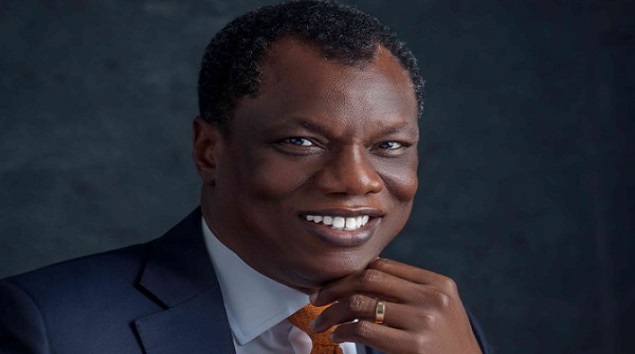
By Austin Kwesi Okere
On June 4, 2025, Bloomberg.com drew global attention with the headline: “World-Beating Cedi Slows Ghana Inflation to Three-Year Low.” Defying expectations, the cedi has appreciated over 42% against the U.S. dollar since January, making it the world’s best-performing currency this year. This rally has not only boosted investor confidence but also helped reduce inflation and restore economic momentum.

What’s Driving the Rally and Can It Be Sustained?
Early signs suggest the rally is rooted in more than market forces. Under President John Dramani Mahama, Ghana appears to be undergoing a significant shift in governance, with an emphasis on real economic growth and social development rather than short-term optics.
At the heart of this shift is Mahama’s eight-pillar economic strategy, which includes:
- Completing the IMF program with fiscal discipline,
- Reopening capital markets,
- Strengthening sovereign wealth and local government financing,
- Clearing arrears and improving public investment,
- Reforming public financial management,
- Boosting exports via the Ghana Exim Bank,
- Positioning Ghana as a regional trade hub, and
- Reviving infrastructure development.
These efforts are beginning to pay off. Ghana has indicated it will exit the IMF program as scheduled in May 2026. At a press briefing in Washington, IMF Communications Director Julie Kozack noted that Ghana had achieved its debt-to-GDP target of 55% three years early and surpassed its international reserves goal, reaching GH¢10.6 billion by April 2025. The cedi’s strength has also helped slash Ghana’s debt stock by about GH¢150 billion.
President Mahama, speaking to the Ghana National Association of Teachers, reaffirmed his focus on stability and inclusive prosperity. GDP growth reached 5.4% in the first quarter, reinforcing the view that the economy is back on a growth path.
Monetary Policy and Inflation Management
The Bank of Ghana has played a key role in managing inflation and currency stability. In March, it raised the benchmark interest rate by 100 basis points to 28%, a reduction from its 30% peak in 2023. From January to April 2025, it absorbed GH¢79.8 billion in liquidity – up 76.6% from the same period the previous year, demonstrating its commitment to macroeconomic stability.
These measures have had visible results: inflation fell to 18.4% in May, its lowest level in three years, down from 21.2% in April.
Everyday Impact: The Cedi’s Gains in Real Terms
The appreciation of the cedi is beginning to improve everyday life for Ghanaians. Industrial importers, for instance, are now able to buy machinery at significantly lower prices. One contractor, who paid GHS25,000 for a block molding machine last year, paid just GHS13,000 for the same model in June—a 48% price drop.
Fuel prices have dropped by about 15%, with some Oil Marketing Companies (OMCs) selling petrol for under GH¢12 per litre. This has led to a 15% reduction in transport fares, as announced by the Road Transport Operators Association in May.
Food and commodity prices are also falling.
The Food and Beverage Association of Ghana reports that the price of a bag of “Dubai” rice has dropped from GH¢460 to GH¢370, and a 50kg bag of imported rice that once sold for GH¢950 is now GH¢750. Cooking oil has fallen from GH¢1,000 to GH¢680 per gallon, and cement prices from GH¢120 to GH¢82 per bag.
In short, the stronger cedi is improving purchasing power, easing cost pressures, and lowering the cost of doing business.
What’s the Ideal Currency Level?
Despite the positive momentum, policymakers stress the need for balance. President John Dramani Mahama has underscored the importance of balance, cautioning that an overly strong cedi could harm exports. He suggests an optimal exchange rate range of 10 to 12 cedis per U.S. dollar – a level that supports both importers and exporters while preserving competitiveness.
Beyond interest rate adjustments, the sustained performance of the currency depends on broader structural and governance-related factors.
Three critical elements driving the cedi’s performance include:
- A government focused on real, inclusive growth;
- Reforms grounded in substance, not optics;
- Trustworthy, transparent governance.
This combination fosters domestic investment, reduces capital flight, and boosts economic confidence, setting off a cycle of growth and social cohesion.
Is the Cedi’s Rise a Temporary Spike or a Structural Shift?
Some analysts argue that Ghana’s currency rally reflects deeper structural improvements rather than a short-lived spike. Prof. Eric Oteng-Abayie of the Kwame Nkrumah University of Science and Technology points to several domestic drivers behind the rally.
The Bank of Ghana’s Gold4Oil and GoldBod programs have increased Ghana’s gold reserves by 40.6% between May 2024 and April 2025. A requirement that 20% of gold export proceeds be converted to cedis before accessing dollars has stabilized forex supply and bolstered reserves.
Meanwhile, the removal of distortionary taxes such as the E-levy and the planned phase-out of the COVID-19 levy, combined with prudent public spending, have strengthened fiscal credibility.
Ghana’s debt restructuring has also offered relief. With the next major external repayment not due until July 2025, foreign exchange pressure has eased. Complementing this, the central bank injected $490 million into the forex market in April 2025 to support the cedi.
External Factors Working in Ghana’s Favor
Global trends have also benefited Ghana. The U.S. dollar has weakened—dropping 10% on the DXY index—amid global trade tensions and fears of a slowdown. This shift has favored emerging market currencies like the cedi.
Record-high prices for Ghana’s key exports – gold at $3,400 per ounce and cocoa at $10,000 per ton – have significantly boosted foreign exchange inflows. The formalization of small-scale mining has further increased legal gold exports, strengthening Ghana’s external position.
Relations with Commercial Creditors Normalised:
Fitch Ratings has upgraded Ghana’s Long-Term Foreign-Currency Issuer Default Rating (IDR) to ‘B-‘ from ‘Restricted Default’ (RD), with Stable Outlook.
This was announced on their website on June 16, 2025. The upgrade of Ghana’s Long-Term Foreign-Currency IDR to ‘B-‘ from ‘RD’ reflects Fitch’s assessment that Ghana has normalised relations with a significant majority of external commercial creditors.
Ghana restructured its USD13.1 billon Eurobonds in October 2024. About USD2.6 billion of non-performing external debt still needs to be restructured. Of this, Fitch considers USD700 million to be commercial debt, representing 5% of total external commercial debt initially included in the restructuring perimeter. According to Fitch, “Ghana is negotiating with these outstanding commercial creditors, and we assess holdout risks as small.”
Can Ghana Sustain the Momentum?
While the outlook appears promising, the sustainability of this recovery will depend on disciplined policymaking, focused execution and the ability to maintain public trust. The early signs are encouraging, but in my view, “the jury is still out.”
Ghana’s case may well become a model for how transparent governance, strategic reforms, and global tailwinds can come together to drive economic revival – if the momentum can be maintained.
Austin Kwesi Okere is the Founder of CWG Plc and the Ausso Leadership Academy. In recognition of his contributions to business education and knowledge transfer across the continent, Austin was appointed to the Advisory Board of the Global Business School Network.


Incorporated Trustees of the Data Privacy Lawyers Association (DPLA), a group of legal experts and data privacy advocates and Etisang Solomon have filed a fundamental rights enforcement suit at the Federal High Court, Kaduna Judicial Division, against the Central Bank of Nigeria (CBN).

The suit, officially stamped by the court on April 8, 2026, seeks to nullify a CBN circular that restricts bank customers to a single lifetime amendment of phone numbers linked to their Bank Verification Numbers (BVN).
The circular titled “Addendum to the Revised Regulatory Framework for Bank Verification Number (BVN) Operations and Watchlist for the Nigerian Banking Industry,” was issued by the apex bank on March 12, 2026.
According to the provisions of clause (c) in that document, any amendment to phone numbers linked to a BVN shall be allowed only once, with the new provisions set to take effect from May 1, 2026.
Reacting to the CBN directive, legal experts and data privacy advocates argue that this timeline and the restriction itself violate multiple provisions of the 1999 constitution and the Nigeria Data Protection Act (NDPA).
They are seeking nine reliefs from the court, including declarations that the circular violates section 37 of the constitution regarding the right to privacy, Section 24(1)(e) and 34(1)(c) of the NDPA, along with orders nullifying the impugned clause, a perpetual injunction restraining the CBN from enforcing it, and a mandamus directing the CBN to review and amend the circular.
In an affidavit sworn on behalf of the applicants, Christopher Yange highlighted the practical dangers of the policy, noting that telecommunications providers frequently recycle, deactivate, or reassign numbers that have been lost or stolen.
He cited a report from the Foundation for Investigative Journalism (FIJ) to demonstrate that phone numbers are not static assets.
Furthermore, the legal experts and data privacy advocates also contend that if a customer’s number is compromised after their single permitted update, they would be permanently barred from correcting their financial records, leaving sensitive data such as transaction alerts and One-Time Passwords (OTPs) vulnerable to interception by third parties.
Olumide Babalola, Emmanuel Okpara, and Frank Ijege of Olumide Babalola LP, applicants’ counsel, in a detailed written address spanning over 12 pages, framed the case around three core legal issues.
They argued on the first issue that a phone number associated with a BVN transcends basic administrative data, serving instead as a vital conduit for financial security, including transaction notifications, OTPs, and authentication protocols.
To bolster this claim, they pointed to several legal precedents.
Among these was the 2021 Court of Appeal ruling in Digital Rights Lawyers Initiative v National Identity Management Commission (NIMC), which affirmed that constitutional privacy rights encompass the safeguarding of personal data.
Additionally, they referenced the 2025 decision in Omotayo versus Airtel Networks, where the Court of Appeal reiterated that the privacy of telecommunications and call records is protected under the constitution.
On the second issue,they argued that by permitting only a single update, the CBN essentially grants itself a permanent power of veto over a citizen’s right to correct their data, a move that directly contradicts the clear language of the law.
To support this claim, they referenced the 2024 High Court of Lagos ruling in Rebecca Temitope Bonje versus Guaranty Trust Bank Plc, which upheld the legal requirement for data precision and the right to rectification as mandated by the NDPA.
Concerning the third legal point, the applicants argued that the single-amendment restriction serves as a rigid, all-encompassing mandate.
They noted that it fails to consider valid circumstances like the loss or physical damage of a SIM card, switching service providers, the recycling of phone numbers, or moving to a new line for personal safety.
The legal team maintained that the apex bank could achieve its anti-fraud objectives through less restrictive measures, such as advanced identity checks, multi-factor authentication, or short-term account freezes for security verification, without compromising the fundamental rights of bank customers.
The affidavit further claims the CBN’s directive lacks good faith, citing a lack of public evidence or regulatory impact assessments.
It also highlights a failure to consult stakeholders across the banking, telecom, and data protection sectors, the absence of a structured appeal process for device loss or errors, and a general lack of alignment with the NDPA.
The lawsuit, pursues several key reliefs: a declaration that the circular is unconstitutional and breaches the NDPA; the nullification of clause (c) of the addendum; and a perpetual injunction against the phone number amendment limit.
Furthermore, it seeks a mandamus to compel the CBN to revise the circular in line with constitutional and data accuracy standards, alongside an order for the bank to implement a flexible and verifiable update framework.

Presidential Fiscal Policy and Tax Reforms Committee (PFPTRC) has dismissed reports claiming that Taiwo Oyedele, minister of State for Finance, admitted errors in Nigeria’s new tax laws.

Taiwo Oyedele, minister of State for Finance,
In a statement posted on Sunday via Oyedele’s X handle, the committee described the reports as “misleading” and a misrepresentation of the minister’s comments.
“Our attention has been drawn to misleading media reports claiming that the Honourable Minister of State for Finance, Mr. Taiwo Oyedele has ‘finally admitted errors in the new tax laws.’
“These publications misrepresent the Minister’s statements, falsely alleging that he urged Nigerians to await the outcome of a ‘legislative probe’, a process that has long been concluded and the gazetted copies certified by the National Assembly published since early January 2026,” the statement said.
It warned that such narratives could distort public understanding of the reforms.
The committee said the minister, while speaking at a fireside chat during the Nigerian Bar Association Section on Legal Practice conference in Lagos, highlighted early gains from the tax reforms.
According to the statement, these include an increase in the number of informal businesses seeking registration with the Corporate Affairs Commission, as well as a rise in the number of registered taxpayers from about 10 million to over 100 million nationwide.
It attributed the outcomes to provisions in the new tax laws, including exemptions for small companies and low-income earners, as well as tax relief on essential goods and services.
“These impressive results stem from the robust design and progressive nature of the new laws,” the committee said, listing measures such as exemptions on food, education, healthcare, transportation and rent, as well as the introduction of a Tax Ombud to protect taxpayers’ rights.
The committee noted that Oyedele also acknowledged that no law is perfect and emphasised the need for continuous stakeholder engagement to address any gaps through future amendments.
“He, however, emphasized that no law is perfect. Therefore, ongoing stakeholder engagement is essential to identify and address any errors or gaps for appropriate legislative updates through Finance Bills as part of a continuous improvement process,” the statement said.
It urged the public to disregard what it described as sensational reports and rely on official sources for accurate information.
“We urge members of the public to disregard sensational headlines and twisted narratives and rely exclusively on official sources and credible media organisations for accurate information regarding the tax reform and other government policies,” the committee added.
E-Financial
Quest Merchant Bank Unveils New Brand Identity, Signalling Next Phase of Strategic Growth

Quest Merchant Bank Limited has unveiled its new brand identity, marking a significant step in the Bank’s ongoing evolution following its recent name change.

The refreshed identity reflects the Bank’s strategic direction as it deepens its role as a trusted partner to institutions and investors, providing insight-driven financial solutions and a disciplined approach to supporting long-term value creation.
With a strong legacy of execution and a deep understanding of key sectors, the Bank continues to differentiate itself through measured decision-making, strong risk management, and the ability to navigate increasingly complex market environments. The new identity brings these qualities into sharper focus, while signalling a renewed emphasis on growth, innovation, and relevance in a changing financial landscape.
Quest Merchant Bank remains focused on supporting clients across their growth journey, helping to unlock opportunities, structure transactions effectively, and provide the clarity required to make confident financial decisions in dynamic conditions.
Commenting on the development, the Ag. Managing Director/CEO, Afolabi Olorode, stated: “Our new brand identity represents an important step in our journey as Quest Merchant Bank. It reflects both who we are and where we are headed, an institution grounded in experience yet firmly focused on the future. As we continue to evolve, our priority remains to provide our clients with the clarity, confidence, and strategic support they need to achieve their long-term objectives.”
The refreshed identity will be progressively reflected across the Bank’s touchpoints, aligning its visual presence with its strategic ambition and ongoing investments in innovation, digital transformation, and service delivery.
Quest Merchant Bank remains focused on reinforcing its position as a leading merchant bank, trusted by institutions and investors to unlock value and deliver sustainable financial outcomes.

Meta Files Appeal over $25,000 Damages Awarded to Falana

Teenager Hacks Celebrities Whatsapps, Sells Adult Content in Delta

FG Unveils ePharmacy Platform to Regulate Digital Pharmaceutical Services

Elon Musk Accuses South Africa of Racism over Starlink Licence Block

SERAP Asks Tinubu to Probe Alleged N2.9Bn Fraud In NIGCOMSAT, NNRA

Spotify’s Loud & Clear Report Reveals Over ₦60Bn Revenue for Nigerian Artists in 2025

Kuda MFB Increases Kuda for Her Business Grants to ₦10 Million

Canal+ to Cut Jobs as Part Sweeping Restructuring

Nigeria tops global rankings for USDT, USDC ownership

NBC Boss Urges Content Ceators to Participate in DSO




 Broadcasting2 days ago
FG to Gift Nigerians over 100 Free TV Channels from May 15

 E-Financial3 days ago
CBN Dismisses Polaris Bank Liquidation Claim

 E-Financial3 days ago
AfDB Okays $200m for Nigeria’s Digital Backbone, Others

 General News3 days ago
FG New Approves Biometric Passenger Verification System for Airports Security

 E-Financial3 days ago
Nigeria’s Growth under Threat as Poverty Deepens, World Bank Warns

 General News3 days ago
Breaking Barriers: Cassava Technologies Expands Digital Access Across Africa

 News3 days ago
Experts Reveal a Steady Decline of High-severity Incidents Over the Years

 E-Business3 days ago
NESREA, ACMTI, Others Launch Carbon Utilisation Initiative in Nigeria