

News
African Debt Issuance Raised $15.5Bn Proceeds for 2015

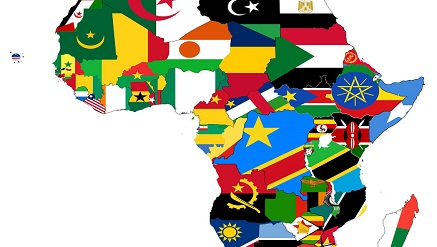
Thomson Reuters, the world’s leading source of intelligent information for businesses and professionals, has released the annual investment banking analysis for Sub-Saharan Africa.
According to estimates from Thomson Reuters / Freeman Consulting, Sub-Saharan African investment banking fees reached $476.4 million in 2015, 24% more than the value recorded during the same period of last year. Fees from completed M&A transactions totalled $174.5 million, a 96% increase from last year and the highest annual period since 2011.
Sneha Shah, managing director, Africa, Thomson Reuters, said: “The value of announced M&A transactions with any Sub-Saharan African involvement reached US$66.7 billion for 2015, 73% more than the value registered during 2014.”
“Sub-Saharan African equity and equity-related issuance totaled $3.9 billion during the fourth quarter of 2015, a 93% sequential increase in value from the third quarter of 2015. Sub-Saharan African debt issuance raised a total of $15.5 billion in proceeds for 2015, a 22% decline compared to last year, and the lowest annual period since 2012,” she added.
In respect to investment banking fees, fees from debt capital markets underwriting also increased 41% year-on-year to reach $63.0 million. Syndicated lending fees fell 21% from over a year ago to US$108.1 million.
Equity capital markets underwriting fees grew 14% to US$130.8 million, and accounted for 27% of the overall Sub-Saharan African investment banking fee pool.
Rand Merchant Bank earned the most investment banking fees in Sub-Saharan Africa for 2015, a total of $48.5 million for a 10.2% share of the total fee pool.
Rand Merchant Bank also topped the completed M&A fee rankings during 2015. Java Capital (Proprietary) Ltd took the lead for ECM underwriting with 14.4% share of the ECM fee pool.
Deutsche Bank took first place for DCM underwriting with 13.2% share of the total DCM fees. Standard Chartered ranked first place for syndicated loans fees and captured 11.1% of the loans fee share.
As for M&A deals, outbound activity increased 13% compared to 2014 and reached US$6.7 billion in deal value.
South Africa’s overseas acquisitions accounted for 74% of Sub-Saharan African outbound M&A activity, while acquisitions from Mauritius and Seychelles companies accounted for 19% and 4%, respectively.
Inbound M&A significantly grew by 283% year-on-year to US$41.1 billion, the highest annual period in any given year. Domestic and inter-Sub-Saharan African M&A reached US$11.9 billion, down 32% from last year.
The Consumer Products & Services industry was the most active sector with $24.0 billion worth of deals, and accounted for 36.0% of Sub-Saharan African involvement M&A.
The largest deal with Sub-Saharan African involvement in 2015 was the $22.6 billion reverse takeover transaction of Steinhoff International Holdings NV facilitated by an offer from Genesis International Holdings NV. Goldman Sachs topped the 2015 announced Any Sub-Saharan African Involvement M&A League Table with US$15.9 billion and captured 23.8% market share.
In respect to Equity Capital Markets, Sub-Saharan African ECM activity was up by 37% year-on-year to reach US$9.3 billion in 2015. This is the highest annual period for the region’s ECM activity since 2007.
Ten initial public offerings raised $544.5 million and accounted for 6% of the ECM activity in the region, while follow-on offerings and convertibles accounted for 81% and 13% market share, respectively.
Naspers Ltd raised US$2.5 billion from a follow-on offering in December, the largest equity offering in the region so far this year. Citi took first place in the 2015 Sub-Saharan African ECM ranking with a 21% market share.
As for Debt Capital Markets, South Africa was the most active issuer nation with $5.5 billion in bond proceeds which accounted for 35% of market activity, followed by Ivory Coast with 28% market share worth US$4.3 billion in proceeds. The Republic of Angola offered the largest bond issuance for the region this year with its $1.5 billion sovereign debt in the form of Eurobonds. Deutsche Bank took the top spot in the Sub-Saharan African bond ranking for 2015 with a 19% share of the market.


The Federal Government has received a major boost in its drive to strengthen teacher education and digital learning, as the Government of Japan, through the UNESCO International Institute for Capacity Building in Africa (IICBA), donated ICT equipment and learning materials to 15 teacher training institutions across Nigeria.

Speaking at the official handover ceremony held at the Federal Ministry of Education in Abuja, the Minister of State for Education, Prof. Suwaiba Said Ahmad, described the intervention as a significant contribution to the country’s efforts to improve teacher quality, digital literacy and inclusive education.
She said the donation forms part of a regional initiative launched in 2024 by UNESCO-IICBA, the Government of Japan and the African Union to strengthen teacher training and promote continuous access to safe, quality education for girls in West Africa.
According to the minister, the project, which covers Nigeria, Burkina Faso, Cameroon, Chad, Mali and Mauritania, aligns with the Federal Ministry of Education’s priorities under the Renewed Hope Agenda, particularly in the areas of equity, quality education, digital transformation and inclusion.
“Teachers remain the backbone of every education system. No education reform can succeed without well-trained, motivated and digitally empowered teachers,” Ahmad said, noting that the equipment would modernise teacher training institutions and improve access to digital learning resources.
The beneficiaries comprise 15 federal and state colleges of education spread across Nigeria’s six geo-political zones, including the Federal College of Education, Kontagora; Federal College of Education, Zaria; Federal College of Education (Technical), Gombe; Federal College of Education, Yola; Federal College of Education (Technical), Asaba; Federal College of Education (Special), Oyo.
Others are Federal College of Education (Technical), Umunze; College of Education, Zuba, FCT; Isaac Jasper Boro College of Education; Enugu State College of Education (Technical); Sa’adatu Rimi College of Education, Kano; Adamu Augie College of Education, Argungu; Shehu Shagari College of Education, Sokoto; Adamawa State College of Education, Hong and Taraba State College of Education, Zing.
The donated items include 65 laptop computers, 71 tablets, four desktop computers, five interactive smart boards, 19 all-in-one desktop computers, 14 projectors, 15 printers and 15 backup hard drives.
Ahmad said the facilities would enhance both pre-service and in-service teacher training by promoting innovation, digital competence and learner-centred teaching approaches, while preparing educators for the demands of a technology-driven world.
The event also featured a national consultation on school safety and infrastructure security, with participants discussing strategies for creating safer and more inclusive learning environments.
The minister stressed that safe schools remain critical to achieving quality education, particularly for girls and other vulnerable learners, adding that the ministry would continue to prioritise policies and programmes aimed at strengthening school security.
She further highlighted the ministry’s focus on Technical and Vocational Education and Training (TVET), Science, Technology, Engineering and Mathematics (STEM), girl-child education, quality assurance, data management and digital transformation as key pillars for improving educational outcomes nationwide.
Ahmad also disclosed plans to implement new interventions aimed at empowering female teachers and school leaders in crisis situations through mobile-based learning platforms, as well as programmes designed to integrate out-of-school children into formal education.
She commended UNESCO-IICBA, the Government of Japan, the African Union and other development partners for supporting teacher education in Nigeria and urged beneficiary institutions to utilise the equipment responsibly to improve learning outcomes and build a more resilient education system.
“The equipment will enhance digital literacy among our pre-service teachers and boost the attainment of education goals in Nigeria,” she said.
In their separate remarks, the Director of the UNESCO International Institute for Capacity Building in Africa (IICBA), Dr. Quentin Wodon, and the Chargé d’Affaires of the Embassy of Japan in Nigeria, Hitoshi Kozaki, reaffirmed their commitment to supporting efforts aimed at improving teacher education and expanding access to quality learning opportunities across Nigeria and the West African region.
They noted that the donation of ICT equipment to the beneficiary colleges of education reflects the shared commitment of UNESCO, the Government of Japan and their partners to strengthening the capacity of teacher training institutions, particularly in the area of digital learning.
According to them, equipping teachers with modern technological skills is critical to improving learning outcomes and ensuring that education systems are responsive to the demands of the 21st century.

African electric vehicle (EV) platform Spiro has raised $215 million in equity to scale electric mobility and energy infrastructure across the continent.

The funding is backed by institutional investors including Impact Fund Denmark and Equitane.
The investment will accelerate the expansion of Spiro’s battery-swapping network, industrial footprint and next-generation EV infrastructure across high-growth African markets, the company said.
This funding comes as economies in the region aim to reduce dependence on imported fuel, reinforce energy and industrial sovereignty, and modernise urban transport systems.
Driven by rising fuel costs, growing demand for affordable transportation and increasing policy support for clean energy, investors are backing scalable EV platforms poised to support Africa’s next phase of urban and industrial growth.
Building on support from long-standing institutional partners such as the Fund for Export Development in Africa, Spiro’s latest equity round draws capital from Europe and Africa, reflecting growing global confidence in scalable infrastructure-led business models in emerging markets.
With operations in seven African countries—Kenya, Rwanda, Uganda, Togo, Benin, Nigeria and Cameroon—and plans to expand local production and enter new markets such as the Democratic Republic of Congo and Ethiopia, Spiro is building one of Africa’s most advanced EV and battery-swapping ecosystems.
Its industrial footprint includes manufacturing plants in Kenya, Rwanda and Uganda, alongside a battery recycling facility in Nigeria.
“This past year marked a defining strategic milestone for Spiro. Across seven active markets, our deployment of 100,000 electric vehicles and 2,500 smart-swap stations has made sustainable mobility an affordable, everyday reality,” said Gagan Gupta, founder of Spiro and chairman of Equitane.
“Spiro has become a major driver of local industrialisation, value creation and manufacturing across African markets, providing 6,000 sustainable direct and indirect jobs. Supported by our global investors, we are entering our next growth chapter to deliver clean, cost-effective energy and transport alternatives to millions of riders across the continent.”
Lars Bo Bertram, CEO of Impact Fund Denmark, added: “We are investing in Spiro and bringing Danish pension capital into one of Africa’s most promising growth markets because we see potential for significant commercial growth in Spiro and electric mobility across Africa, as well as measurable climate impact. That is exactly the type of investment we want to make.”

Federal Government on Tuesday distributed Information and Communication Technology (ICT) equipment and materials to 15 federal and state colleges of education across the country to strengthen teacher training, promote digital literacy and improve access to quality education.

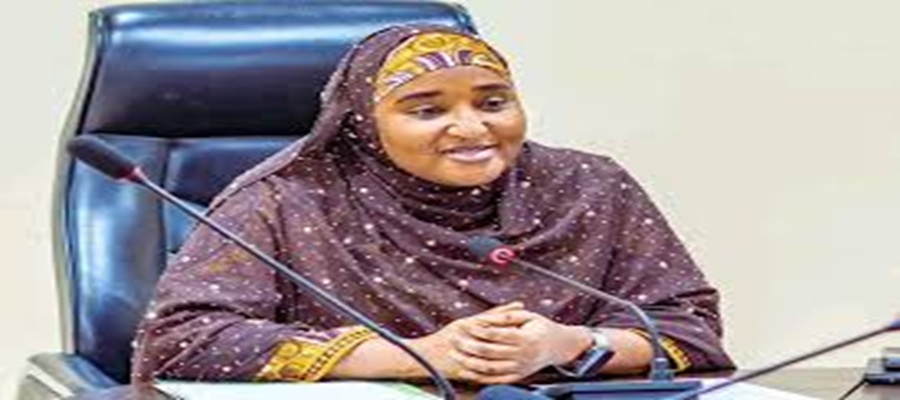
Prof. Suwaiba Ahmad, Minister of State for Education
The intervention was facilitated through support from the Government of Japan and the United Nations Educational, Scientific and Cultural Organisation International Institute for Capacity Building in Africa (UNESCO-IICBA) under the project titled, “Capacity-building of Teachers to Promote Continuous and Inclusive Access to Safe and Quality Education for Girls in West Africa.”
Speaking at the handover ceremony in Abuja, the Minister of State for Education, Prof. Suwaiba Ahmad, described the initiative as a significant contribution to Nigeria’s education sector and one that aligns with the ministry’s strategic priorities.
Ahmad commended UNESCO-IICBA, the Government of Japan and the African Union for launching the regional project in March 2024, saying it reflected a shared commitment to strengthening teacher preparation systems and expanding educational opportunities, particularly for girls.
According to her, the project, which covers Burkina Faso, Cameroon, Chad, Mali, Mauritania and Nigeria, is in line with the Federal Ministry of Education’s priorities under the Renewed Hope Agenda.
“Teachers remain the backbone of every education system. No education reform can succeed without well-trained, motivated and digitally empowered teachers,” she said.
The minister said the ICT resources would enhance both pre-service and in-service teacher training through improved access to digital learning content, innovative teaching methods and learner-centred instructional approaches.
She noted that the beneficiary institutions include Federal College of Education, Kontagora; Federal College of Education, Zaria; Federal College of Education (Technical), Gombe; Federal College of Education, Yola; Federal College of Education (Technical), Asaba; Federal College of Education (Special), Oyo; Federal College of Education (Technical), Umunze; College of Education, Zuba; Isaac Jasper Boro College of Education; Enugu State College of Education (Technical); Sa’adatu Rimi College of Education, Kano; Adamu Augie College of Education, Argungu; Shehu Shagari College of Education, Sokoto; Adamawa State College of Education, Hong; and Taraba State College of Education, Zing.
According to Ahmad, the equipment distributed includes 65 laptop computers, 71 tablets, four desktop computers, five interactive smart boards, 19 all-in-one desktop computers, 14 projectors, 15 printers and 15 backup hard drives.
She added that the event also provided an opportunity to discuss school safety and infrastructure security.
“Safe schools are essential to achieving quality education, especially for girls and vulnerable learners.
“We must continue to ensure that our institutions remain secure, supportive and conducive spaces for teaching and learning,” she said.
The minister reiterated the government’s commitment to Technical and Vocational Education and Training (TVET), Science, Technology, Engineering and Mathematics (STEM), out-of-school children education, girl-child education, quality assurance and digital transformation.
She also disclosed plans for additional interventions aimed at empowering female teachers and school leaders through mobile-based learning platforms and integrating out-of-school children into formal education.
Speaking at the event, Mr Hitoshi Kozaki, Chargé d’Affaires of the Embassy of Japan, reaffirmed his country’s commitment to supporting educational development in Nigeria.
“I want to thank Nigeria for the collaboration that we have had for many years. I really hope that this project makes a difference for the future and the institutions represented here,” he said.
Kozaki said Japan’s partnership with African countries was built on mutual respect and local ownership, stressing that development efforts should be driven by the priorities of beneficiary nations.
He urged the institutions to make effective use of the ICT resources to improve teacher preparation and expand learning opportunities, especially for girls.
Also speaking, the Director of UNESCO-IICBA, Quentin Wodon, commended Nigeria’s commitment to education reforms and active participation in international education programmes.
Wodon stressed the importance of promoting female leadership in schools, noting that studies had shown positive learning outcomes when women occupied leadership positions.
“If there was one thing I would love Nigeria to do, it would be to see whether we could launch some kind of programme to encourage more women to become school leaders. It is really important,” he said.
He added that teachers in Nigeria remained critical to efforts aimed at improving learning outcomes and advancing inclusive education across Africa.

PalmPay Young Star Awardee Hopes to Become a Governor

Japan, UNESCO Boost Digital Learning in 15 CoEs with Donation of ICT Equipment

Kaspersky Reveals Credential Abuse Techniques Rank as Attackers’ Most Effective Tactic

Aba to Host MTN’s “The Gathering” with Pitchathon Offering ₦5 Million Prize Pool for Emerging Startup Founders

DisCos Generate N597.6bn Revenue in Q1 2026 Amid Ongoing Power Supply Challenges

MTN, VDT, Zoracom, Digital Realty Back 2026 Girls in ICT Campaign

Vitel Wireless Partners Fintechs to Expand Access to Services

CPN Begins Crackdown on Quack IT Professionals, Vows Tougher Action against Cybercrime

Nigeria Hit by 24.1m Data Breaches – Surfshark

FG to Launch Nationwide Free Digital TV Platform June 17




 E-Business3 days ago
AI and IoT Hold the Key to Nigeria’s Economic Future – NCC

 Telecom2 days ago
Legend Internet Reports Losses despite N505m Revenue

 Broadcasting3 days ago
Good News for DStv Users: Watch over 160 Channels Without Paying Extra

 News3 days ago
Easybuy Partners WAWUAfrica to Upskill 10 Million Youths and Women, Boosting Nigeria’s Economic and Financial Inclusion

 E-Business3 days ago
Kaspersky Reports on the Aspects of SOC Effectiveness to Consider for Blind Spot

 Telecom3 days ago
Flutterwave Announces Massive Staff Shake-Up, Promotes Over 100 Employees

 News3 days ago
Quest Merchant Bank Reports Strong FY2025 Performance @ 11TH AGM

 E-Business2 days ago
INEC Probes Claims of Leaked Voter Data from CVR System