

E-Financial
Blockchain to Reinvent African Economies, Ecosystems, Organizations

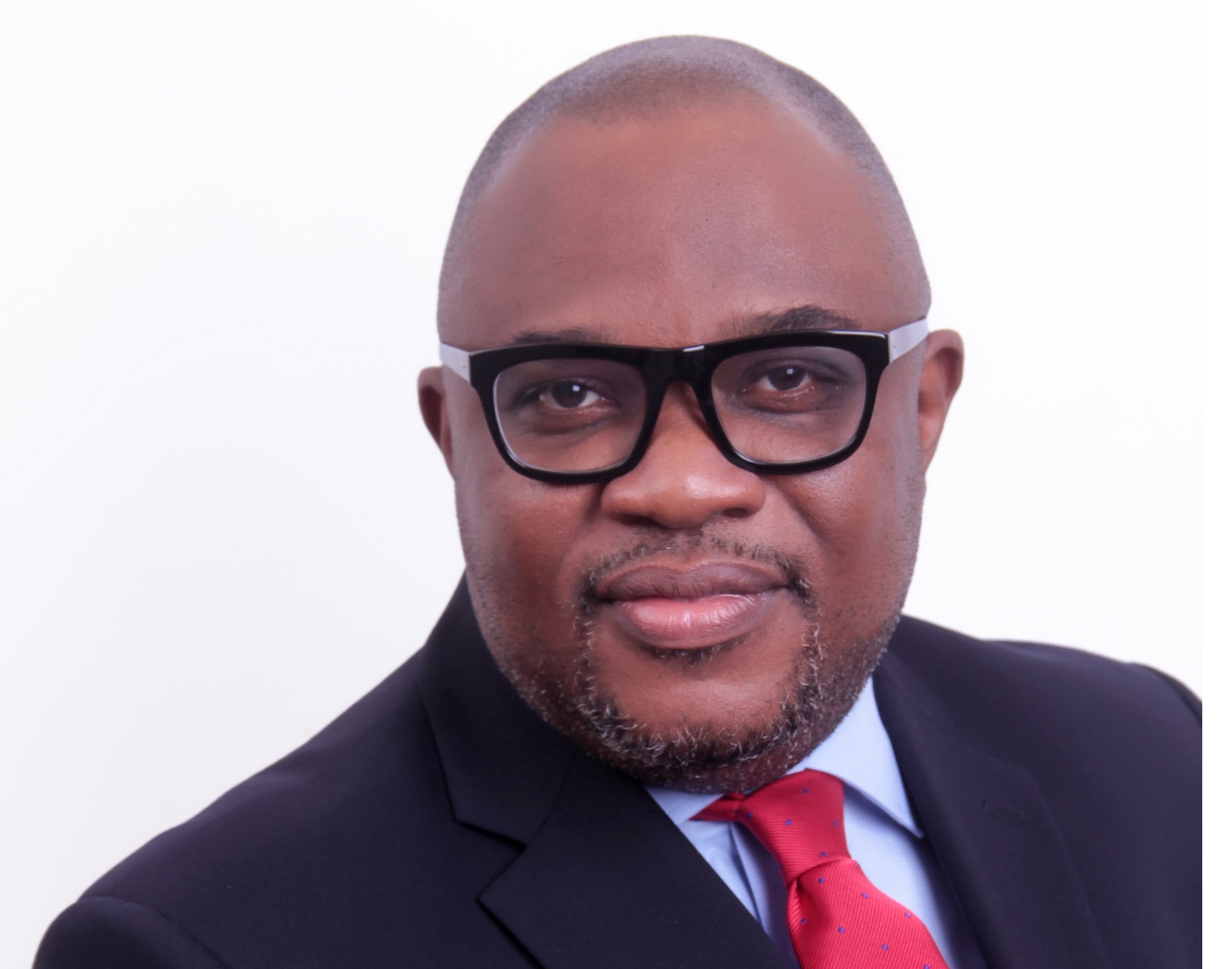
By Dipo Faulkner
In today’s fast emerging economic zones, technology adoption can be a journey of faith into the unknown, riddled with the conflicting priorities of modern societies, bouts of human and institutional inertia and not to forget, legal and regulatory considerations.
Having grown up in Nigeria, I have first-hand experience on how complex or excruciatingly difficult real estate transactions can be.
I stand to be corrected but the multibillion-dollar property and real estate sector, a key sector of the Nigerian economy, is largely driven by paper-based systems and processes, and the industry could do better with the aid of information technology. Advanced technology solutions will help tidy things up, and make transparency, trust and peace of mind a permanent feature of dealings in the sector.
Every document or financial transaction that needs to be exchanged, settled, confirmed, validated or signed has a similar element of friction. It is obvious that when these sorts of bottlenecks are eliminated, significant economic value is unlocked.
In any property deal, the number of participants that are required to be involved from realtors, banks, insurance companies, brokers, land registries, government tax authorities, and other intermediaries is incredible, not to mention the ever-present danger that the seller of the property may not be the actual owner of the property being sold.
In any case, I suspect this is not a problem unique to Nigeria. The respected Peruvian economist Hernando De Soto believes that up to five billion people worldwide suffer from lack of title to their property. He reckons that this global scenario results in more than $20 trillion of capital that is outside of the traditional financial services ecosystem.
Banks have a key role to play in this dynamic. Their functional and statutory obligations mean they must galvanize social harmony, business investment and economic value for their diverse stakeholders.
I am aware that Nigerian banks and financial institutions across Africa have consistently sought for ways to resolve key sector issues like this one. But before supporting economic activities, these banks must ensure that their product and service delivery value chains are driven by a creative workforce and technology innovation.
Also, I know from my interactions with chief technology officers in the financial services sector that their ongoing investments in technology systems has helped the sector to build operational resilience into their systems even they begin contemplating adopting new concepts and practices like blockchain.
Designed to inject the trust element in technology-enabled transactions, blockchains are built on shared ledgers where participants write transactions in near real-time to an unbreakable chain that becomes a permanent record of an asset or transaction. This is viewable by all parties in the transaction. Blockchain thus allows businesses to work together in a new way resulting in lower cost, faster transactions and less risk.
In this way, blockchain can be used by individuals who want to complete transactions involving multiple parties.
Large organizations may also want to use blockchain to collaborate across organizational silos. Ecosystems could tap blockchain to handle complex transactions across different jurisdictions, or governments may want to use it in the service of citizens.
This will have a profound impact, bringing wholesale change to organizations, ecosystems and economies. My personal view, also echoed by other experts, is that blockchain technology will do for transactions what the internet did for information — and in the relatively near future.
My thoughts on this subject seem to have been authenticated by two recent studies released by IBM’s Institute for Business Value (IBV) which found that banking and financial markets are adopting commercial blockchain solutions much faster than initially expected.
15% of banks and 14% of financial market institutions globally interviewed by IBM plan to adopt full-scale, commercial blockchain solutions in 2017. And within the next three years, 65% of banks expect to have blockchain solutions in production.
Consider how assets from cars to contracts, art to corporate bonds — even identity-based assets, such as health, product provenance, or tax records — can be shared, exchanged or transferred on a blockchain platform with greater efficiency and privacy.
As transaction costs plummet and the way organizations are governed matters more and more, blockchains will create a new distributed form of business governed and managed transparently through smart contracts that include agreed upon by-laws.
In the emerging blockchain economy, the role of third-party intermediaries to broker trust and/or to reconcile will increasingly be called into question as we reinvent new processes that eliminate the need for such reconciliation and intermediation.
While blockchains can powerfully improve businesses’ efficiency, trust and value, executives must carefully evaluate where blockchains can be used to gain improved efficiency and support new business models. I would therefore recommend that businesses answer these three questions:
- How fast should we move? Early movers in the blockchain adoption race may have an advantage as they are setting business standards and creating new models that will be used by future adopters of blockchain.
We’re also finding that these early adopters are better able to anticipate disruption, fighting off new competitors along the way.
- How can we scale across business networks? Once blockchain technology has scaled across multiple participants, they can anticipate achieving the kind of network effects that can drastically reduce the frictions that curb growth.
- How can we innovate with new revenue models? As new entrants and business models emerge, banks may be forced to defend current revenue streams or move to where the money will flow next.
New revenue models must anticipate the potential for disruption in areas core to the business today and in the future.
As the market evolves, blockchain technology may add at least one new revenue stream; and so, the potential to monetize reference data looms large.
My take is that African businesses, especially banks and non-bank financial institutions, will be the first set of enterprises to get on board the blockchain train, and fervently exploring the potential uses of blockchain technology.
Beyond banking and real estate, other economic sectors including manufacturing, retail and government agencies will pick and choose lessons from these trailblazers, recalibrating their needs and expectations as they gradually adopt blockchain technology.
In other climes, the Japan Stock Exchange and London Stock Exchange Group are two of the leading bourses collaborating with IBM to explore blockchain to manage risk and bring additional transparency to global financial markets.
Dipo Faulkner is the country general manager, IBM Nigeria.


Nigeria’s banking sector is losing an estimated N2.5 trillion in annual earnings due to the Central Bank of Nigeria’s high Cash Reserve Ratio (CRR) policy, according to a new report by Chapel Hill Denham.

The investment banking and research firm said the policy continues to impose significant constraints on bank profitability by requiring lenders to keep a large portion of customer deposits with the Central Bank without earning returns on them, effectively locking away funds that could otherwise support lending and income generation.
In its report titled “The Nigerian Banking Paradox: High Returns, Deep Discounts,” Chapel Hill Denham noted that although Nigerian banks rank among the highest return-on-equity performers in Africa, they remain undervalued compared to peers, largely due to regulatory constraints and macroeconomic uncertainty.
The firm identified the CRR regime as a key structural factor limiting the sector’s earnings potential, arguing that it reduces balance sheet efficiency and restricts credit creation to the real economy.
According to the report, banks are still required to pay interest on deposits while a significant portion of those funds remains sterilised at the apex bank.
Chapel Hill Denham stated that the current policy framework, which evolved in response to past financial sector instability and exchange rate pressures, may now be exerting a heavier drag on growth and profitability than originally intended.
“Our analysis reveals that Nigerian banks operate under a uniquely restrictive regulatory perimeter,” the report said, adding that the structure suppresses reported returns despite underlying profitability strength.
The report also compared Nigeria’s reserve requirements with other jurisdictions, noting that the country’s CRR remains significantly higher than several African and emerging markets.
While South Africa operates a 2.5 per cent CRR, Kenya maintains 4.25 per cent, Ghana 15 per cent, and Egypt 16 per cent, with Morocco reported to have reduced its reserve ratio to zero.
Analysts at the firm said a moderation of Nigeria’s CRR from 50 per cent to 30 per cent could release up to N8 trillion into the banking system and potentially boost annual pre-tax profits by about N800 billion.
They added that investors currently price Nigerian banks on the assumption that the tight monetary stance will persist, limiting valuation upside despite strong earnings performance.
At its February 2026 meeting, the Monetary Policy Committee of the Central Bank of Nigeria retained the CRR for Deposit Money Banks at 45 per cent, while Merchant Banks remained at 16 per cent, and public sector deposits outside the Treasury Single Account framework at 75 per cent, as part of efforts to sustain tight monetary conditions and manage liquidity pressures.

Lagos State Government has sanctioned 15 money lending firms over violations of operational guidelines and practices considered harmful to residents.

Ibrahim Layode, commissioner for Home Affairs, disclosed this during the 2026 Ministerial Press Briefing held in Ikeja.
Layode said the affected firms were penalised for engaging in sharp practices contrary to regulations guiding money lending operations in the state.
According to him, the government remains committed to enforcing strict compliance within the sector to curb fraudulent financial activities and protect Lagos residents from exploitation.
“The firms were sanctioned to ensure strict adherence to guidelines and to protect Lagosians from sharp practices by financial firms,” he said.
The commissioner described money lending as an important part of the economy, noting that it provides quick and accessible credit facilities to petty traders and small-scale business owners who often face difficulties obtaining loans from commercial banks due to stringent requirements.
“Moneylending business is one of the vital parts of the economy which allows people in the small-scale industry and petty traders to have stress-free access to quick loans to finance their businesses,” Layode said.
He explained that the Ministry of Home Affairs is responsible for processing applications, issuing and renewing licences for money lenders, as well as monitoring and supervising their operations across the state.
Layode added that the ministry regularly organises stakeholders’ forums to expose operators to global best practices and improve professionalism within the industry.
“We also conduct stakeholders’ forums for moneylender operators in order to bring them up to speed on the latest world best practices,” he said.
The commissioner further disclosed that the ministry collaborates with federal regulatory agencies, including the Federal Competition and Consumer Protection Commission (FCCPC) and the Special Control Unit Against Money Laundering (SCUML), to ensure compliance with financial and consumer protection regulations.
According to him, the ministry also profiles and monitors money lending firms to protect residents from fraudulent operators and dubious schemes.
“In addition, the Ministry registers, profiles and monitors the viability of such companies with a view to ensuring that while the money lenders are in business, the general public is also protected from being scammed by fraudulent people of questionable characters,” Layode said.
He noted that licensed money lenders have contributed significantly to the growth of micro and small businesses in Lagos by providing alternative sources of financing outside the conventional banking system.
“This partnership has greatly assisted small-scale business owners in Lagos to keep their petty businesses afloat without having to contend with high interest rates and clauses of the big commercial banks,” he added.
Layode revealed that between 2025 and 2026, the ministry received 112 new applications from money lending operators, while 214 existing licences were renewed.
On naturalisation and special immigrant status applications, the commissioner said the ministry, in collaboration with the Federal Ministry of Interior, continued to process applications from foreign nationals seeking Nigerian citizenship or permanent residency.
He explained that naturalisation is granted to foreigners who have resided continuously in Nigeria for at least 15 years and have established investment interests in their states of residence.
“The objective of the exercise is to grant citizenship rights to foreigners who have lived in the country continuously for fifteen years and above with investment interests in their states of residence,” he said.
Layode added that special immigrant status is granted to foreign nationals married to Nigerian citizens to promote integration and economic development.
According to him, applicants undergo screening and verification processes involving the Nigerian Immigration Service, Department of State Services, Nigeria Police, Lagos State Ministry of Justice and the Lagos State Internal Revenue Service.
He disclosed that 68 applications for naturalisation and special immigrant status were received during the period under review, while 20 applicants were screened and cross-examined for onward transmission to the Federal Ministry of Interior for final approval.

First Bank of Nigeria Limited, in partnership with Visa, has launched its multicurrency Visa Signature card, a premium offering designed for Nigeria’s affluent segment, as well as the Naira Visa Debit Card aimed at extending accessible, reliable electronic payment capabilities to a broader segment of the Nigerian population.

According to First Bank, the Signature card offers an exclusive portfolio of lifestyle benefits, global travel privileges, and curated merchant offers through Visa’s worldwide acceptance network, giving high-spending Nigerians a product built around how they live.
Commenting on FirstBank’s ambition for its premium cardholders, Chuma Ezirim, group executive, eBusiness & Retail Products, FirstBank, said Visa Signature is crafted to meet those expectations and lifestyle privileges that empower customers to live without boundaries.
“At FirstBank, we are dedicated to creating financial solutions that reflect the evolving lifestyles of our customers. We understand that our premium customers aspire to experiences that reflect their global outlook.
“Visa Signature is crafted to meet those expectations, offering access to exclusive experiences, global connectivity, and lifestyle privileges that empower our customers to live without boundaries. We remain focused on creating value and reinforcing our position as the partner of first choice for Nigerians at home and abroad.”
Highlighting the strategic importance of the FirstBank partnership, Andrew Uaboi, vice president and Cluster head, West Africa, Visa, noted “Nigeria’s affluent consumers are among the most active and globally connected spenders on the continent. Visa Signature is designed to serve that profile with the depth of benefits and the breadth of acceptance they deserve. We are delighted to work with FirstBank in making this available to the Nigerian market.”
Ezirim explained that through Visa Global benefits and Visa Destination offers, the Signature cardholders gain access to preferential rates, premium experiences, and priority services across hundreds of partner merchants, hotels, airlines, and destinations around the world. The card which is multicurrency in nature supports both domestic and cross-border transactions, ensuring seamless payment experiences.
Also speaking on the launch of the Naira Visa Debit Card, Ezirim said the card is “designed to make life easier for our customers, whether they are paying for groceries, settling utility bills, or shopping online. By extending reliable electronic payment access across Nigeria, we are helping more people transition confidently from cash to digital payments, supporting the nation’s cashless policy and empowering communities with greater financial inclusion.”
On his part, Uaboi, noted that “a strong payments ecosystem works for everyone. The Naira Visa Debit Card extends reliable electronic payment access to everyday Nigerian consumers, and this in addition to the cards in our portfolio continues to demonstrate what a truly comprehensive card portfolio looks like for the Nigerian market. Visa is proud to power this offering with FirstBank.”

Xenophobic Attacks: Anonymous Nigeria Threatens to Leak South African Stolen Data

WHO Says Ebola Outbreak Worse than Reported

Chapel Hill Denham Says Banks Lose N2.5 Trillion Annually to High CRR in New Report

Lagos Sanctions 15 Money Lending Firms for Operational Violations

FirstBank, Visa Launch Multicurrency Signature, Naira Debit Cards

MTN, VDT, Zoracom, Digital Realty Back 2026 Girls in ICT Campaign

Vitel Wireless Partners Fintechs to Expand Access to Services

Kaspersky Discovers Vulnerability in Qualcomm Snapdragon Chips that can Lead to Data Loss & Device Compromise

Bank Customers to Pay N1,500 for ATM Card Issuance, Replacement – CBN

FCCPC Licenses 5 Firms for Airtime, Data Lending as Telcos Step Aside




 General News2 days ago
World Bank Blocks Social Media Comments from Nigerians over Loan Backlash

 Telecom2 days ago
NITDA, FMCIDE Deepen Collaboration on Nigeria’s Digital Transformation

 Telecom2 days ago
Nigerians Lose N12.5bBn to Telecom-Related Financial Crimes – PwC

 E-Business2 days ago
Jumia Nigeria Records Strong Q1 2026 Growth as Technology-Led Strategy Drives Market Expansion

 General News2 days ago
LG Electronics Strengthens Household Energy Efficiency in Nigeria with Advanced Inverter Refrigerator Solutions

 Telecom2 days ago
NITDA Showcases Nigeria’s Startup Framework as Model for Angola

 News2 days ago
Only 1 in 3 Families Fully Secure their Devices, Kaspersky Study Reveals

 Telecom2 days ago
Upperlink, ICANN, Others Rally Global Participation for UA Day 2026