

News
Nigeria: A Chance for Re-Awakening

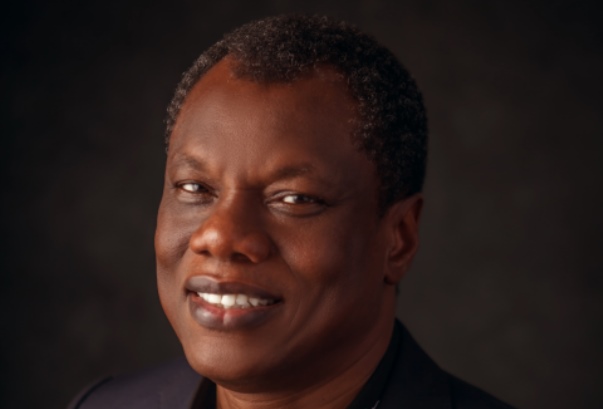
By Austin Okere
By March 2020, it had become very clear that COVID-19 was a global pandemic. The news media was awash with a shock announcement by the Central Bank of Nigeria on her exchange rate policy; “In what can be regarded as an unexpected yet positive move, the Central Bank of Nigeria (CBN) on Friday moved the official exchange rate from N307/US$1 to N360/US$1.

At the Investors and Exporters Window (I & E), the CBN also adjusted the NGN peg upwards by 5.7%, as it raised its intervention rate to N380 from N366.” this caption was Dateline Mar 24, 2020 on Nairametrics.com.
I wrote this article three years ago on January 20, 2017, after a sharp drop in Oil prices – and surprised how relevant it is even today. What was our experience as a country, what did we learn from it and how is it that we have once again been caught desperately unawares?
Why can’t we fix our educational system and send our children to schools here? And fix our hospitals and treat our sick here, instead of our notoriety as big spenders on medical tourism?
Nigerians are gradually coming to terms that the cheese has indeed moved this time. The days of lucre and easy money, fuelled by petrodollars are far behind us; no thanks to shale oil and other sources of energy.
The aimless swagger has been replaced by a renewed sense of purpose and the need to produce in order to survive. No wonder Agriculture seems to be the only game in town these days. To borrow from the words of Pravin Gordhan, Finance Minister of South Africa, it is now Agri-Cool. All manner of yesterday’s nose thumpers now proudly call themselves farmers; it is beginning to have a nice ring and tone to it.
Unlike other oil boom and busts, it seems that this particular bust is here to stay. We seem to be in a stalemate. If we cut production to shore up prices, the shale producers will seize the opportunity to increase their own production and drive the prices right down. Not to talk of the conscious global effort towards cleaner renewable energy, and the significant improvement in its technology and adoption. COP 21 in Paris cemented the commitment to clean environment and green energy.
Time there was not too long ago in Nigeria, when first class and business class seats on commercial airlines were filled way before economy seats, and private jets littered all our airports.
But how did we get here and how did we subsequently fall from such deluded Olympian heights? The recurrent mistake we keep making as a nation is failing to anticipate and plan for our oil windfalls. There have been many boom opportunities since Nigeria joined the Organisation of Petroleum Exporting Countries (OPEC) in 1971; Oil prices increased by 400% in six short months after the Yom Kippur War following the Arab Oil Embargo. Crude prices doubled from $14 in 1978 to $35 per barrel in 1981 following the Iran/Iraq war.
The price of crude oil spiked in 1990 with the uncertainties associated the Iraqi invasion of Kuwait and the ensuing Gulf War – the so called ‘Gulf War windfall’ under then Head of State Ibrahim Babangida. The report of the panel of enquiry headed by the eminent Dr. Pius Okigbo in 1994 was critical of the government’s role in mismanaging the $12.4b windfall. Perhaps most of it had gone with the wind.
Data from the U.S. Energy Information Administration shows that the latest windfall happened between February 2011 and August 2014, under the Goodluck Jonathan presidency, when oil prices were much in excess of $100 per barrel. Another golden opportunity was squandered, characterised by organised kleptocracy of epic proportions as has now come to light.
There is a saying in my native Igbo culture that an abomination that endures for long enough becomes part of the culture. Corruption came close to achieving this status in Nigeria.
Our inflated egos were matched with the adventure into GDP rebasing in 2014 which put Nigeria as the largest economy in Africa, overtaking poster boy South Africa. Alas this new status, propped up by an artificial exchange rate sustained by huge foreign reserves did not last. As the reserves dwindled, partial reality in the foreign exchange rate has wiped away close to half of the estimated $510b GDP, and along with it our bragging rights.
I say ‘partial reality in the foreign exchange rate’, because I still feel that a differential of over 60% between the official rate and the parallel rate to the dollar seems to suggest that one of the rates is way off the mark. The acute shortage of the ‘Official Dollar’ seems to suggest that the parallel rate is closer to the mark.
The thing about the market is that you can distort it for a while, but you cannot hold it back for long. The market is like water; it will always find its level.
The earlier we let this happen the better for our economy. Within the period of a decade, I have witnessed the British pound at close to £1 to $1.9 and now as low as £1 to $1.22; and yet the British government is not scrambling to shore up the pound by all means (including expensive subsidy of the currency).
It should be understood that such distortions open huge arbitrage opportunities for those with access, which distract from productive pursuit. Rent seeking from allocation of dollars creates a new crop of overnight billionaires akin to those created during the era of petroleum subsidy. In the long run, it blows no good wind.
I have always argued that more important than the exchange rate, is the stability of the rate, which removes uncertainty, and attracts investment.
As it is, we are inadvertently inviting more pressure on the naira because even locals are saving their money in dollars, albeit at zero interest rates. And why not? They have figured out that even at the relatively high interest rates on treasury bills and fixed deposits, savings are halved in real terms due to the fast deteriorating exchange rate of the naira.
We have to understand that the exchange rate is an indicator of the perception of performance, and opportunity in the economy. To shore it up you have to do the hard work of better economic management.
Removing the alert on the dashboard of your car that tells you that the oil level is low puts out the irritating light, but does not guarantee that the engine will not knock further down the road.
There is now a fervent glamour for buying Nigerian and growing what we eat. About time too. According to the Minister of State for Agriculture, Heineken Lokpobiri, Nigeria spends about $22bn annually on food imports. How can a country with a huge population of over 170 million people (a viable consumer market by any standard), squander such a whopping amount on imported food, and in the process export much needed jobs in the agriculture value chain? This is despite the huge fertile landmass and favourable climate?
It is no different in the Education and Health sectors. It was estimated that Nigerians studying in British and American Universities spent over N137billion on tuition and living expenses in 2014.
There were also about 71,000 Nigerian students who paid tuition fees in excess of N160billion in Ghana during the same period (these may have easily doubled in the past year due to the deteriorating foreign exchange rate). And yet the Nigerian Government’s total budget for education in 2017 is N540b (a paltry $1.1b against South Africa’s $22b)
Why can’t we fix our educational system and send our children to schools here? And fix our hospitals and treat our sick here, instead of our notoriety as big spenders on medical tourism?
I understand that luxury shop owners in Dubai and London are asking loudly ‘where are the Nigerians?’ Well, the Nigerians are at home, confronting the new realities of basic survival. You only have to look into the eyes of the average Nigerian to glean the pain of adjustment. This difficult period is too painful to waste. We must seize the opportunity of this painful reality check, for a reawakening and realignment towards doing the right thing. As Maria Robinson said “Nobody can go back and start a new beginning, but anyone can start today to make a new ending”. Let us begin today to write the ending we want for our country.
Austin Okere is the Founder of CWG Plc, the largest ICT Company on the Nigerian Stock Exchange & Entrepreneur in Residence at CBS, New York. Austin also serves on the Advisory Board of the Global Business School Network, and on the World Economic Forum Global Agenda Council on Innovation and Intrapreneurship. Austin now runs the Ausso Leadership Academy focused on Business and Entrepreneurial Mentorship



Nigerian Army has warned that terrorist and criminal groups were increasingly exploiting cyberspace to recruit members, raise funds, coordinate attacks and spread propaganda, describing the trend as a growing threat to Nigeria’s national security.

Lt.-Gen. Waidi Shaibu, chief of Army Staff (COAS), raised the alarm on Tuesday at the 2026 Nigerian Army Cyber Warfare School Seminar in Abuja.
Represented by Maj.-Gen. Jeremiah Manjang, deputy chief of Special Services and Programmes, the Army Chief said cyberspace has evolved into a strategic battlefield where both state and non-state actors operate with unprecedented speed, making security threats more complex and difficult to counter.
He noted that hostile actors no longer require physical presence to disrupt critical infrastructure, compromise sensitive information, manipulate public opinion or undermine national security through anonymous cyber attacks.
According to him, terrorism, insurgency, banditry, kidnapping, separatist agitations, organised crime, misinformation and disinformation are increasingly being enabled, coordinated and amplified through digital platforms and cyber networks.
“The reality is that terrorist and criminal groups now exploit cyberspace for recruitment, propaganda, fundraising, intelligence gathering, attack coordination and concealment of illicit financial transactions. This demands a proactive and coordinated national response,” he said.
Shaibu said the changing nature of security threats had compelled the Nigerian Army to strengthen its cyber capabilities to effectively address complex, asymmetric and technology-driven challenges.
He called for stronger cyber intelligence capabilities driven by artificial intelligence (AI), machine learning and advanced data analytics to improve early warning systems, threat detection and predictive security analysis.
The COAS also advocated deeper collaboration among government institutions, the military, law enforcement agencies, academia and the private sector, stressing that cybersecurity can no longer be handled by a single institution.
He emphasised the need for sustained investment in indigenous cyber capabilities, research, technological innovation and human capacity development to protect Nigeria’s digital sovereignty and enhance national resilience against emerging threats.
Shaibu further stated that integrating cyber capabilities into conventional military operations would strengthen surveillance, intelligence gathering, geospatial analysis, command-and-control systems, situational awareness and overall operational effectiveness.
Earlier, Brig.-Gen. Jacob Bawa, commandant of the Nigerian Army Cyber Warfare School, said the seminar was organised to deepen cybersecurity awareness, strengthen cyber resilience and promote collaboration among security stakeholders.
Bawa noted that Nigeria’s increasing reliance on digital technologies has exposed critical infrastructure, including telecommunications, power systems, financial institutions and government databases, to cybercriminals, terrorists and hostile state actors.
He said the Cyber Warfare School was established as a centre of excellence for cyber warfare training, education and research.
According to him, participants at the seminar would examine cyber resilience, threat intelligence, incident response, cyber warfare and emerging technologies with a view to developing practical recommendations for strengthening Nigeria’s cybersecurity architecture.
Also speaking, Abdulhakeem Ajijola, cybersecurity expert, warned that national security now depends significantly on the protection of digital systems, noting that artificial intelligence is transforming military operations, command structures and the protection of critical infrastructure.
Ajijola urged Nigeria to develop sovereign cyber capabilities, warning that excessive dependence on foreign-controlled software, platforms and artificial intelligence systems could undermine national resilience, operational continuity and independent decision-making during periods of crisis.
He stressed that while technology should be deployed to strengthen national sovereignty, responsibility for operational decisions must remain with human commanders.

Verve International, Africa’s payment cards and digital solutions brand, is strengthening its global acceptance footprint through strategic partnerships with leading digital platforms, reinforcing its role as a key enabler of digital payments and financial inclusion across the continent.

Verve has established a strong presence in more than 13 African countries, including Kenya, Uganda, The Gambia, Senegal, Sierra Leone, Benin Republic, the Democratic Republic of Congo, Rwanda, and several other markets across the continent.
This growing reach reflects Verve’s commitment to delivering secure, convenient and innovative payment solutions that empower consumers, businesses and financial institutions while advancing financial inclusion and economic participation across Africa.
As digital payments continue to transform economies across Africa, Verve remains focused on developing solutions that address local payment needs while supporting broader participation in the digital economy.
Through collaborations with banks, fintechs, merchants and payment service providers, Verve continues to drive financial inclusion and enable seamless payment experiences for millions of consumers across the continent.
Speaking on Verve’s growth trajectory and expanding reach, Vincent Ogbunude, Managing Director, Verve International, said: “Verve’s continued expansion across Africa reflects our commitment to building payment solutions that empower individuals, businesses and economies to thrive.
“Today, our presence across more than 13 African countries demonstrates the strength of our partnerships, innovation and ambition to be the preferred payment brand for Africans wherever they are.
“As digital commerce continues to evolve, we are expanding access to global opportunities through strategic partnerships with leading technology and digital platforms, while introducing innovations such as contactless payments and enhanced digital payment capabilities. Together, these efforts are enabling more seamless, secure and convenient payment experiences for consumers across Africa and beyond.”
Complementing its growing reach across Africa, Verve continues to expand its global acceptance footprint through partnerships with some of the world’s most recognised technology, e-commerce and digital service brands.
Today, Verve cardholders can conveniently make payments for products, services and subscriptions on platforms including Google, Spotify, Netflix, Facebook, YouTube Premium, Adobe, AliExpress, Temu and Flywire, among others.
These partnerships are helping bridge the gap between African consumers and the global digital marketplace by providing secure and convenient access to education, entertainment, travel, e-commerce, productivity tools and business solutions from virtually anywhere in the world.
Verve’s growth strategy is underpinned by continued investment in payment innovation. Through capabilities such as contactless payments, tokenisation and digital wallet integrations, Verve isenhancing convenience, security and user experience across physical and digital channels.
As Verve strengthens its position across existing markets and explores new growth opportunities, the company remains committed to driving financial inclusion, accelerating digital commerce and delivering innovative payment solutions that enable consumers and businesses to participate confidently in an increasingly connected world.
With an expanding presence across Africa, growing acceptance on global digital platforms and continued investment in innovation, Verve is helping connect millions of consumers to opportunities within and beyond the continent while shaping the future of Africa’s digital payments landscape.

Federal government has said that more than 32 million students have been captured on the Federal Government’s Digital National Education Information Management System (DNEMIS), ahead of the official launch of the platform on Wednesday, July 1.

The DNEMIS, is part of efforts to replace paper-based and fragmented education records with a single digital database.
Mr. Adebayo Onigbanjo, national project coordinator of the Special Programmes Operations and Implementation Unit in the Office of the Minister of Education, disclosed this on Monday in Abuja at a press conference.
Onibanjo said that the digital platform would transform education administration through technology and data-driven decision-making.
He said DNEMIS is the core platform of the Nigerian Education Data Infrastructure (NEDI), an initiative under the Nigeria Education Sector Renewal Initiative (NESRI), established to provide accurate, integrated and timely education data for planning, budgeting, policymaking and service delivery.
According to Onigbanjo, the platform replaces the fragmented data systems that have long constrained effective planning in the education sector.
“For many years, education planning relied on fragmented systems, inconsistent reporting structures and limited access to reliable data. DNEMIS changes that by ensuring that every learner, every school, every teacher and every investment in education is captured within a system that supports evidence-based decision-making,” he said.
He described education data as a strategic national asset, noting that the platform would strengthen transparency, accountability and governance across the sector.
Onigbanjo said the availability of reliable data would also support government efforts to tackle Nigeria’s out-of-school children challenge by enabling authorities to monitor enrolment, identify dropout patterns and target interventions where they are most needed.
“If you don’t measure, you can’t get a good sense of what the data is. Today, we already have 32 million students on the platform, and that gives us an indication of where learners are.
“We are also understanding their journey from when they start school and when they drop out. That gives us insight into their challenges and where investments need to go. Every school becomes visible, every student gets counted, every teacher is known, and every government expenditure in education becomes trackable. To a greater extent, this will stop wastage,” he said.
He added that the ultimate goal is to provide government with complete visibility into every learner’s educational journey, from enrolment through graduation, to improve learning outcomes and policy decisions.
Addressing concerns over data privacy, Onigbanjo said the platform was developed using globally recognised digital architecture with robust safeguards to protect personal information.
He explained that sensitive data would be masked while secure digital identity profiles would allow authorised users to access relevant information without exposing personal details.
Also speaking, Abubakar Isah, national coordinator, Nigerian Education Data Infrastructure (NEDI), said the system fully complies with Nigeria’s data protection regulations and international data security standards.
“We recognise the importance of data protection. We are complying with the country’s data protection rules and taking every necessary precaution to ensure that this data is secure,” he said.
Isah noted that while schools and state governments would have access to their respective data, communities, alumni associations and development partners would be able to access selected non-sensitive information to support school improvement and strengthen public accountability.
Earlier, Miss Mojoyin Adebajo, special adviser to the Minister of Education on Digital Communications and E-Learning, described DNEMIS as a major milestone in Nigeria’s digital education transformation.
She said the platform, developed on the globally recognised DHIS2 infrastructure, would digitise the Annual School Census and provide reliable information on schools, teachers, learners and education infrastructure across the country.
Adebajo added that Wednesday’s event would also witness the unveiling of the Public DNEMIS Portal, which will provide researchers, journalists, civil society organisations, development partners and members of the public with access to selected official education data through an interactive online platform.
She said the initiative underscores the Federal Ministry of Education’s commitment to promoting transparency, strengthening evidence-based planning and leveraging technology to improve educational outcomes nationwide.

Court Asks CBN, NIBSS to Seek Settlement in N98.5Bn Patent Suit

World Bank Approves Fresh $1.25Bn Loan for Nigeria

WhatsApp Usernames Spark Privacy Fears

Report Reveals More than Half of Users Encountered Fraud or Scams Online

Airtel Nigeria CEO Urges Adoption of Intelligent Technology Platforms to Accelerate National Growth

Mobile Internet Gender Gap Widest in Africa – GSMA

London Strengthens Global Investment Ties with Africa @ First Ever London-Africa Business Summit

FG Targets Alleged N3tn Capital Flight, Opens Airtime Credit Market to Nigerian Fintechs

Japan, UNESCO Boost Digital Learning in 15 CoEs with Donation of ICT Equipment

African Electric Vehicle Platform Raises $215m to Scale Electric Mobility in Nigeria, Others




 E-Financial2 days ago
Wema Bank Suspends Telegram Operations over Scams

 E-Financial2 days ago
NDIC Says 281m Depositors Protected against Bank Failure

 E-Financial2 days ago
NAICOM Moves to Deepen Penetration Through Licensing of a New Insurtech

 Telecom2 days ago
NCC Ranked Among Nigeria’s Top 3 Best-Performing Federal Agencies

 E-Business2 days ago
Kaspersky Reveals Malware Attacks on SMBs Disguised as AI Services Surged by Five Times in 2026

 Telecom2 days ago
Womenovate, MTN Foundation Lead Charge for Inclusive Tech at Women in Technology and Engineering Summit

 Telecom2 days ago
WhatsApp Unveils Major Privacy Upgrade That Lets You Hide Your Phone Number

 General News2 days ago
EVC NCC, Aminu Maida, to Lead Speakers @ Business Journal Fintech & Financial Inclusion Roundtable 2026