

News
AfDB Launches 2018 Edition of the African Economic Outlook Today

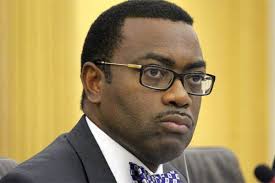
The African Development Bank is launching the 2018 edition of its yearly flagship report, the African Economic Outlook (AEO), today January 17, 2018 at its headquarters in Abidjan. As a leading African institution, the Bank is the first to provide headline numbers on Africa’s macroeconomic performance and outlook.
The African Economic Outlook bridges a critical knowledge gap on the diverse socio-economic realities of African economies through regular, rigorous, and comparative analysis.
It provides short-to-medium term forecasts on the evolution of key macroeconomic indicators for all 54 regional member countries, as well as analysis on the state of socio-economic challenges and progress made in each country.
It presents the African Development Bank staff economists’ analyses of African economic development during the previous year and near term. It has become the main flagship report for the African Development Bank, as well as reference material for those interested in Africa’s development, including researchers, investors, civil society organizations, and development partners.
The January release will provide a rigorous and comprehensive analysis of the state of African economy, country profiles with key recent developments and prospects for each country, while a set of Regional Economic Outlooks for Africa’s five sub regions will be soon. These self-contained, independent reports, will focus on priority areas of concern for each sub region and provide analysis of the economic and social landscape.
In addition to the main AEO report, there will be issues of pressing current interest. Also for the first time this year, the Bank’s country economists will prepare shorter Regional Economic reports to be released in late January. As before, a full set of updated growth projections will be released in May for the Annual Meetings.
Given a rapidly changing Africa and international economic order, the Bank has revamped the report to enhance its policy relevance while ensuring that it serves the Bank’s operations well. A few changes are evident.
To facilitate advocacy and policy dialogue, the 2018 AEO has been shortened to a maximum of four chapters and about 180 pages, plus the 54 Country Notes, down from more than 300 pages.


Forty startups across the continent raised more than $272 million in funding last month through deals worth at least $100,000. The figure marks a clear rise from $174 million in January and is slightly above the $254 million monthly average recorded over the past year.

Despite the rebound, most of the money went to only a few companies. Six startups accounted for about 80 percent of the total funding raised in February, highlighting how capital in Africa’s tech sector remains concentrated in larger ventures.
Among the biggest deals was Spiro, a Benin-based electric mobility company, which secured $57 million in debt financing across two transactions. Egyptian online grocery platform Breadfast raised $50 million in a pre-Series C round, while ride-hailing platform GoCab in Côte d’Ivoire announced $45 million in combined debt and equity funding.
Other significant deals included Terra Industries in Nigeria, which added $22 million to a previously announced funding round, education group Enko Education in South Africa with $22 million in debt, and South African fintech lender Lula, which secured $21 million from Dutch development finance institution FMO.
Equity investments accounted for 54 percent of the capital raised in February, while debt financing made up about 45 percent, showing that startups are increasingly turning to alternative funding structures as venture capital remains cautious.
From a regional perspective, West Africa attracted the largest share of funding, bringing in 53 percent of the total, followed by North Africa with 24 percent and Southern Africa with 21 percent.
Egypt led the continent with $64 million in funding, followed by Benin with $57 million, Côte d’Ivoire with $45 million, and South Africa with $44 million.
One notable shift was the sharp drop in East Africa’s share of funding, which fell to just three percent in February. The region had previously dominated Africa’s startup ecosystem, accounting for 34 percent of total funding in 2025.
With February’s rebound, African startups have now raised more than $446 million in the first two months of 2026, slightly ahead of the $417 million recorded during the same period in 2025.
The figures suggest that while investor activity has stabilised after a slow January, the continent’s startup funding environment remains uneven and heavily dependent on a small number of large transactions.

By Blaise Udunze
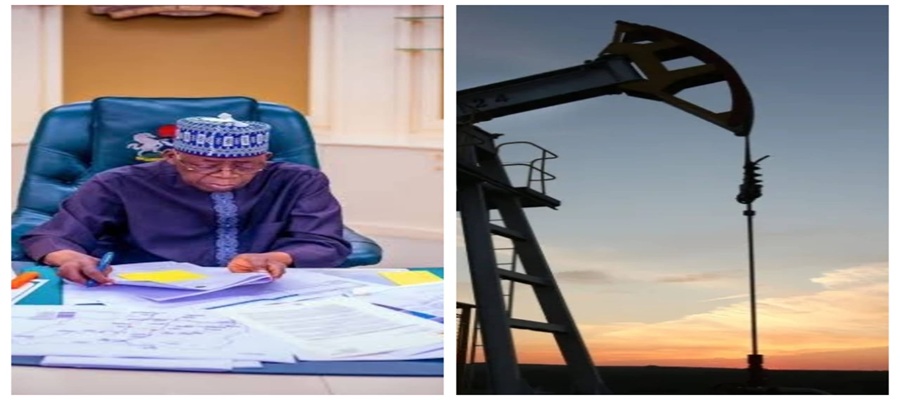
The past recurring conflicts on other continents and the current developments in the Middle East are a clear reminder to the world that energy markets are deeply linked to conflict and uncertainty, as experienced across the globe today. The rise in geopolitical tensions with Iran, Israel, and the United States has led to a sudden increase in global crude oil prices. Some individuals may question what business the war has with Nigeria. Economically, yes, as one of Africa’s major oil producers, Nigeria finds itself in a delicate position amid the current global situation. Since it can gain financially when global crude oil prices skyrocket and this is so because the same increase can create economic challenges locally. The price of Brent crude has jumped to $109.18 per barrel, crossing the $100 mark for the first time in more than five years.

The country is getting a temporary fiscal boost, knowing fully well that prices now surpass the benchmark used in the 2026 national budget. The high oil prices gain is further amplified by two major domestic policy shifts, as the first is the removal of fuel subsidy projected to free nearly $10 billion annually for public investment, and a new Executive Order by President Bola Tinubu aimed at boosting oil and gas revenues flowing into the Federation Account by eliminating wasteful deductions allowed under the Petroleum Industry Act. The combination of these developments could significantly increase government revenue over the next few years, but history shows that such windfalls, if not well managed, often go toward short-term spending rather than creating lasting national wealth.
Moreover, our lingering concern today is that Nigeria as a country has experienced this pattern before and it often brings instability. One of such examples is the 2022 Ukraine conflict, when oil prices spiked above $100 per barrel.
Obviously, during such a period, countries that export oil will suddenly receive a large and sudden increase in revenue from the sale of crude oil. The truth is that if such a windfall is managed well, it can be used to build stronger and diversify their economies beyond oil. Unfortunately, Nigeria has always told a different story as these opportunities were frequently lost to weak fiscal discipline, rising recurrent expenditure, and limited investment in productive assets. The global conflict, in its real sense, could become an opportunity, even though there are risks inherent. Just like any prudent country, Nigeria can use any short-term benefits (like higher oil revenues) to strengthen its economy for the future.
At the heart of this opportunity lies the need for disciplined fiscal management, if the government will tread in line with this call. It is now time for the policymakers to understand that extra money from oil prices should not be wasted, as it has become a tradition to spend through the regular government expenditures. It is high time the government saved and invested the extra funds it gained wisely rather than spend it all immediately. Nigeria’s fiscal vulnerability has often been exposed whenever oil prices fall or global demand weakens. Establishing strong buffers through sovereign savings mechanisms can protect against such volatility. A significant portion of the windfall should therefore be directed into strengthening the country’s sovereign wealth structures and stabilization funds. This resonates with our subject matter: Can Nigeria convert Oil Windfall into Economic Strength? This rhetorical question is directed to those at the helm of affairs because, by saving during periods of high prices, Nigeria can build reserves that help sustain public spending during downturns without excessive borrowing.
Closely linked to fiscal buffers is the issue of public debt. Nigeria’s debt servicing obligations have continued to rise in recent years and the current development might be the answer. The debt has continued to place pressure on government revenues and limit fiscal flexibility. Alarming is the fact that the public debt is projected to have surpassed N177.14 trillion by the end of 2026, which is driven by the budget deficit in the 2026 Appropriation Bill.
The truth is that one sensible response to the current situation would be to use some of the unexpected revenue from higher oil prices to pay off loans (debts), especially those with high interest costs. This would reduce future financial burdens on the government and help it spend on development later. The fact is that debt reduction, if the government can quickly address it, also signals fiscal credibility to investors and international financial institutions, thereby strengthening the country’s macroeconomic reputation.
Beyond fiscal stability, Nigeria must recognize that oil windfalls provide a rare opportunity to accelerate strategic infrastructure investment. In today’s world, infrastructure remains one of the most critical constraints on Nigeria’s economic growth. The cost of doing business in Nigeria has been a serious palaver, and it has continued to discourage and scare investment. This is informed by various structural deficiencies, such as inadequate electricity supply and congested transport corridors, as well as weak logistics networks. The question again, can Nigeria convert Oil Windfall into Economic Strength? This is because the truth is not unknown to leaders but they have continued to deliberately stay away from the fact that channeling windfall revenues into transformative infrastructure projects can therefore yield long-term economic dividends.
Power sector development should be a top priority. Reliable electricity remains the backbone of industrial productivity and economic expansion. Over the years, a well-known fact is that despite various reforms, Nigeria continues to struggle with an epileptic power supply that forces businesses to rely heavily on expensive diesel generators and has posed a double challenge that comes with noise and atmospheric pollution. The nation is tired of the regular audio investment, but strategic investment in power generation, transmission, and distribution infrastructure would significantly reduce operating costs for businesses that translate into manufacturing and encourage new investment across multiple sectors in the country.
Transportation infrastructure also deserves sustained attention, and if nothing is done, the mass commuters will reap nothing but pain. Nigeria’s highways, rail networks, and ports require large-scale modernization to support efficient trade and mobility. The unexpected extra income from high oil prices, if used carefully for long-term national benefit, can be used to build transport networks that move food and goods from farms and factories to markets and ports. Businesses today are very much dependent on transportation; hence, improved logistics not only facilitates domestic commerce but also strengthens Nigeria’s position as a regional economic hub in West Africa.
Another critical area for deploying oil windfalls is economic diversification. The over-emphasised dependence of Nigeria on crude oil exports has long exposed the economy to external shocks.
Any rise or fall in global oil prices has an immediate impact on Nigeria’s government revenue since oil exports are a major source of government income, foreign exchange availability, and macroeconomic stability follow suit. To break this cycle, Nigeria must invest aggressively in sectors capable of generating sustainable non-oil income and abstain from the unyielding roundtable discussion of diversification without implementation.
With vast arable land and a large labor force, Nigeria has the capacity to become a global agricultural powerhouse; hence, this is to say that agriculture offers enormous potential in this regard. However, productivity remains constrained by limited mechanization, inadequate irrigation, and poor storage facilities. If the government intentionally invests in modern agriculture and the systems that support it, the country can produce more food, create jobs via agricultural value chains (from production to processing, storage, transportation, and marketing), while earning more from agricultural exporting.
Manufacturing and industrial development represent another pathway to long-term economic resilience, but this sector has been starved of any tangible investment. Unlike Nigeria, countries that successfully convert natural resource wealth into sustainable prosperity typically invest heavily in industrial capacity. The government should be deliberate in using the extra revenues from the high oil prices to invest in building industrial zones, strengthening hubs, and encouraging the transfer of technologies that will fast-track the production of goods within Nigeria, instead of relying on imports. The unarguable point is that the moment Nigeria invests in industries and production of goods locally instead of buying them from other countries, it becomes better able to manufacture and export products that have higher economic value.
One critical aspect that calls for concern is that strengthening Nigeria’s foreign exchange reserves represents another important avenue for deploying excess oil revenues. The truth which applies to every economy, is that adequate reserves enhance the country’s ability to stabilize its currency during external shocks and support the operations of the Central Bank of Nigeria in maintaining monetary stability, and this part must not be treated with kid gloves. Given Nigeria’s history of foreign exchange volatility, this is another opportunity to know that building strong reserves can significantly improve investor confidence and macroeconomic resilience.
Human capital development must also remain central to any long-term strategy for managing oil windfalls. A country’s greatest asset is not merely its natural resources but the productivity and innovation of its people and in Nigeria, more attention has been placed on the former. For so long, Nigeria’s budget allocation has told this story, as the government has been glaringly complacent in investing in quality education, healthcare systems, technical training, and research institutions, which can unlock enormous economic potential. If the government aligns with the necessities, Nigeria’s youthful population represents a demographic advantage that can only be realized through sustained investment in human development.
Investment from the higher oil prices should be channeled to the educational sector and more emphasis should be placed on science, technology, engineering, and vocational skills that align with the demands of a modern economy. Strengthening universities, technical institutes, and research centers can foster innovation, entrepreneurship, and technological advancement. Similarly, improving healthcare infrastructure enhances workforce productivity and reduces the economic burden of disease. Will the government ever shift reasonable investment to these sectors?
Another strategic use of all the categorized oil windfalls is the expansion of social protection systems that shield vulnerable populations during economic shocks. What is unbeknownst to the government is that while infrastructure and industrial investments drive long-term growth, social protection programs help ensure that economic gains are broadly shared. Helping the poor, creating jobs for young people, and supporting small businesses can make society more stable and grow the economy from the ground up.
Lack of transparency and accountability has been anathema that has hindered the progress of growth in Nigeria. The right implementation will ultimately determine whether Nigeria successfully transforms this oil windfall into lasting prosperity. Public trust in government fiscal management has often been undermined by corruption, waste, and non-transparent financial practices. Once there are clear frameworks for managing windfall revenues, this becomes essential. Also, if it is monitored by neutral institutions that are not controlled by politicians, while information about spending is made available to the populace, the media, and the National Assembly supervises how the funds are spent, it will translate to what benefits the country instead of short-term political interest.
A section of the economy that calls for action is the need to improve the efficiency of government institution capacity within agencies responsible for revenue management, budgeting, and project execution. It is a well-known fact that when government institutions are strong and effective, public money is less likely to be wasted, stolen, or misused and investments produce measurable economic outcomes. This institutional strengthening should include digital financial systems, procurement transparency, and improved project monitoring mechanisms.
Nigeria’s policymakers must immediately put in place clear fiscal rules governing the use of oil windfalls. This will help define how excess revenues are distributed between savings, infrastructure investment, debt reduction, and social programs and this will also help Nigeria prevent the politically driven spending patterns that have historically undermined effective resource management.
Another question confronting Nigeria is not whether oil prices will rise again in the future, but whether the country will finally break the cycle of squandered windfalls. It is to the country’s advantage that the current crisis has pushed oil prices above the budget benchmark, creating a temporary revenue advantage, but it must be noted that temporary advantages become transformative only when they are guided by deliberate policy choices and long-term vision.
Nigeria possesses immense economic potential. With a large domestic market, abundant natural resources, and a vibrant entrepreneurial population, the country is well-positioned to achieve sustained growth. This potential requires disciplined management of national wealth, particularly during periods of resource windfalls.
The common saying that a word is enough for the wise is directed to policymakers to understand that, if managed wisely, the current surge in oil revenues could strengthen fiscal buffers, modernize infrastructure, diversify the economy, and invest in human capital. The obvious here is that the investments would not only protect Nigeria against future oil price volatility but also lay the foundation for a more resilient and prosperous economy.
The lesson from global experience, as it has always been, is that resource windfalls do not automatically translate into national prosperity. Nigeria’s leaders must understand that, without exception, countries that succeed are those that convert temporary commodity gains into permanent economic assets. Nigeria now stands at such an intersection, which requires turning crisis-driven oil gains into strategic investments; the nation can transform a moment of geopolitical turbulence into an opportunity for lasting economic resilience and national wealth.
Blaise, a journalist and PR professional, writes from Lagos and can be reached via: [email protected]
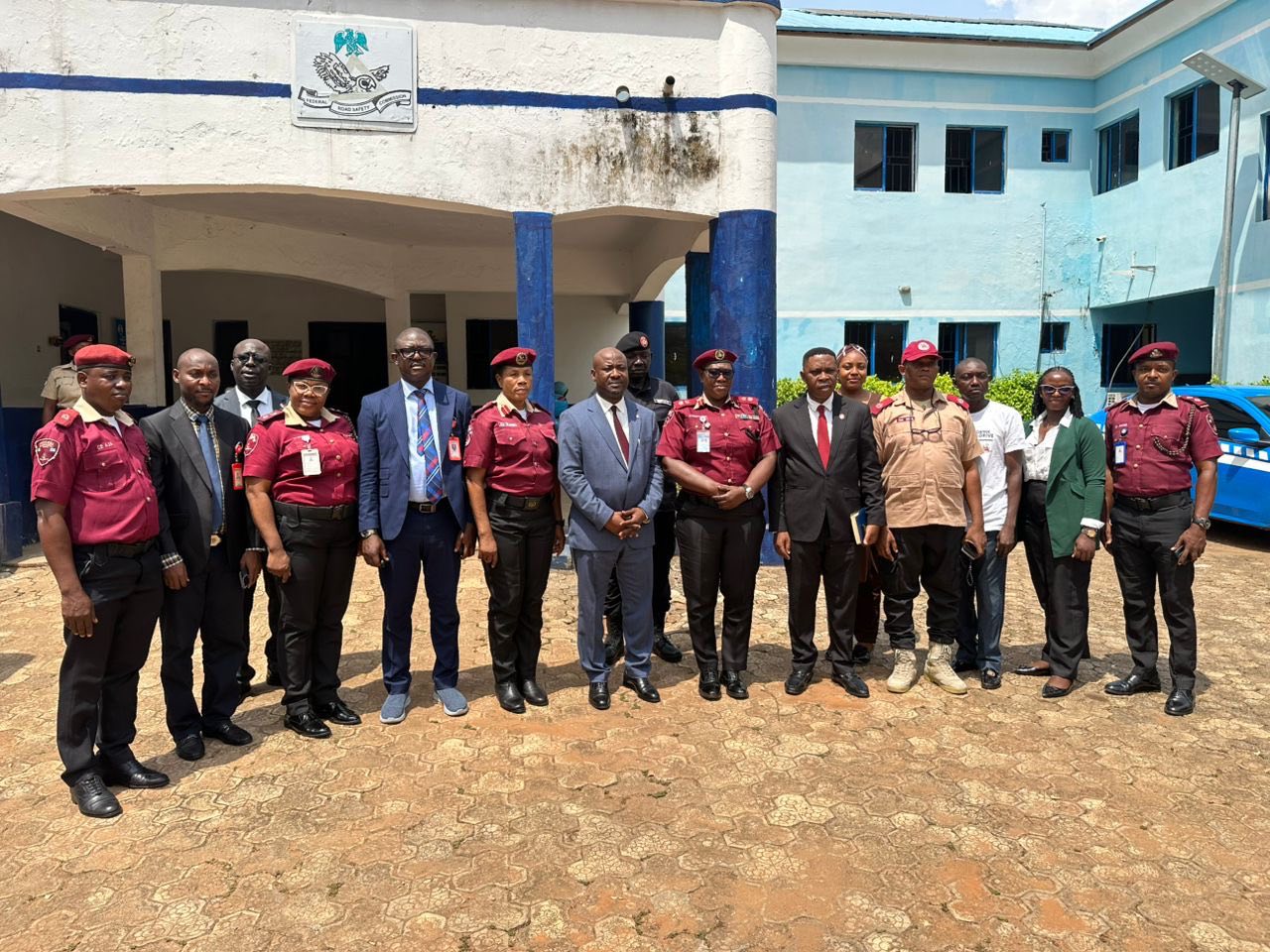
In a strategic drive to bolster inter-agency and institutional synergy against economic and financial crimes, the Anambra Zonal Directorate of the Economic and Financial Crimes Commission (EFCC) has launched courtesy visits and awareness campaigns targeting key law enforcement agencies, judicial bodies, and traditional institutions in Anambra State.

On March 5, 2026, Acting Zonal Director ACE I Ofen-Imu Atiba Sunday led a delegation to: State Director of the Department of State Services (DSS), C. Anukposi; State Commandant of the Nigeria Security and Civil Defence Corps (NSCDC), Akachia Godwin; State Comptroller of the Nigeria Immigration Service (NIS), Umerah Timothy Nwanegbo; State Sector Commander of the Federal Road Safety Corps (FRSC), Bridget Asekhauno; State Commandant of the National Drug Law Enforcement Agency (NDLEA), Onubogu Charles Orakwue; and His Majesty, Igwe Chidubem Iweka, Eze Iweka III (Eze Ogalagidi), Eze Obosi and Chairman of the Anambra State Traditional Council, along with his cabinet.
The Acting Zonal Director stressed that combating corruption demands sustained cooperation among institutions and community leaders to boost intelligence gathering, prevention strategies, and enforcement. “Collaborative efforts among stakeholders, including community leaders, are essential to safeguarding Nigeria’s economic stability and future,” he declared.
Highlighting crime trends in the Directorate’s jurisdiction—covering Anambra and Imo States—Sunday noted that public sector corruption, land and property fraud, tax fraud, advance fee fraud, cybercrime, bank fraud, and open market abuses dominate.
Responses were uniformly positive. DSS State Director Anukposi pledged robust support, underscoring intelligence sharing and joint operations to counter threats to national security and economic stability.
NSCDC Commandant Godwin lauded the EFCC’s proactive stance, citing ongoing collaboration on illegal bunkering, vandalism of public assets, and oil theft.
NIS Comptroller Nwanegbo affirmed readiness to partner on border control, migration monitoring, and intelligence against transnational financial crimes.
FRSC Sector Commander Asekhauno hailed the EFCC’s push for accountability, urging use of the Corps’ database and sustained rule-of-law partnerships for national development.
NDLEA Commandant Orakwue committed to tackling criminal networks linking drug trafficking, money laundering, and economic crimes.
At the Eze Obosi’s palace, the monarch welcomed the EFCC’s outreach, decried corruption’s toll on communities, and vowed Traditional Council backing to instill ethics and integrity. He promised to rally other leaders for grassroots anti-corruption sensitization.

Meta to Charge Location Fees on Ads to Six Countries from July 1, 2026

Tizeti Tests Ad-Funded Internet Access Model in Nigeria and Ghana

Court Orders Final Forfeiture of N81.1m Sterling Bank Fraud Funds

NCC Orders Telcos to Report Cyberattacks Within 4 Hours from 2027

FG Mulls Age Restriction for Kids on Social Media

Dr. Cairo Ojougboh Foundation Bolsters Nigeria’s Education Drive with ₦2.7m Student Support

Kaspersky Brings more Transparency to Threat Detection with New Hunt Hub

Kaspersky Discovers New Phishing Campaign Exploiting Google Tasks Notifications to Steal Corporate Credentials

esentry 2025 Report Shows Healthcare, Financial Services and Telecoms as Staging Grounds for Increased Cyberattacks in Africa

AfDB, UNDP Launch $10Bn AI Initiative for Africa




 Telecom2 days ago
Dimension Data Nigeria Seals N20bn Bond Deal to Bridge Digital Infrastructure Gap

 Telecom2 days ago
First Batch of Nigerian Undergraduates Emerged in Airtel Africa Foundation Scholarships Programme

 E-Business2 days ago
CBN Affirms Alpha Morgan Bank’s Capitalisation

 General News1 day ago
Zedvance Hits ₦96bn Lending Milestone, Eyes ₦250bn Target in 2026

 E-Financial2 days ago
Polaris Bank Marks IWD2026 with Renewed Pledge to Women’s Empowerment

 Broadcasting1 day ago
Madonna University Taps Tech Guru Adote for Strategic Board Role

 General News2 days ago
Mojisola Sayo-Kazeem Reflects on Leadership, Opportunity, Women in Tech @ IWD

 General News2 days ago
Experts Weigh Blockchain Option for Nigeria’s Elections Process