

Telecom
CBN May Be Shooting Itself with MTN Witch-Hunt- Expert

Tunji Andrews, a Lead Economist at Time, Trade and Commodities (TTAC), has said that the Central bank of Nigeria (CBN) may not be making the best decision after all with the harassment and heavy fines on MTN Nigeria.
Andrews was reacting in a letter as the debate over the tax compliance of MTN and the alleged illegal transfer of equity through four banks continued to dominate the tabloids.
He wrote “The findings were brought to public knowledge when the letters sent by CBN to the four banks in question were released to the public.

These accusations have caused serious turmoil for MTN and its operations, so much so that Paul Theron – Veteran TV host and CEO of Vestact, a financial asset management company, has called out the Nigerian government in a statement saying “You could expect this kind of behavior from really third-string countries, but Nigeria is supposedly a country that takes itself seriously — it doesn’t seem to be consistent at all.”
The letters revealed by the CBN detailed a number of transactions which may have violated foreign exchange laws, especially those regarding the repatriation of MTN assets via what has been called “illegal” CCIs (Certificates of Capital Importation).
What this means in layman’s terms is that MTN transferred some of its assets from its country of origin to Nigeria, courtesy of a couple of banks and CBN is looking into the situation to validate if this process complied with its foreign exchange policies.
These accusations have seriously hurt the market share of the telco giants, as recent reports show a plunge in the company’s share price with about $3 billion knocked off from its market capitalisation, after tumbling by 14 percent to a nine-year low of 2,030.76 NGN.
It is safe to say the last 2 weeks have been less than pleasant for MTN Nigeria, and CEO Rob Shuter has decried the “peculiar and coincidental timing” of what appears to be a regulatory assault on its business in the country, but also reinforced MTN’s stance in proving its innocence of all allegations.
The first part of this bizarre saga is how such high-level information has been able to become so public. Considering the media coverage that has followed this story, one may have confused this for a gossip feature. The “confidential” letters sent to these banks were rather unusually released to the public and the CBN further corroborated the story by tweeting about the investigations.
The second interesting aspect of this story is how quickly the story has developed. From rumors and leaks to outright fines and even debiting of bank accounts, the speed with which this story has taken a turn for the worse, particularly for the banks, has been rather uncharacteristic of our usual tepid government.
To provide a quick retrospective look and to put this into proper context, let’s look back at how the story has evolved since the CBN released those letters.
The regulator immediately asked MTN to refund the sum of $8.1 billion dollars which it claims may have been illegally repatriated by the telecommunication company. While the 4 banks (Stanbic IBTC, Diamond Bank, Standard Chartered and CitiBank) were slapped with hefty fines ranging from NGN 250 million to NGN 2.4 million dollars.
MTN on its part expressed its innocence explaining that the MTN Group and the original shareholders injected a total of $402, 625,419 into MTN Nigeria between 2001 and 2006 in the form of loans and equity. These initial inflows were the basis for the issuance of various legacy CCIs obtained from Authorized Dealers in accordance with regulations. All of these, including the inflow of capital, has long been confirmed by the CBN.
The subject of “illegally” obtained CCIs has also been addressed. The reality is that the CCI process is essentially in place both for the protection of investors as well as to provide the CBN with documentary evidence for monitoring capital inflows and outflows.
Although over time the CCIs have been reissued, consolidated and reconstituted to reflect the changing MTN capital and shareholding structure, the amount of NGN 402,625,419, has remained the same.
One aspect of the changing capital structure was the conversion of shareholder loans to preference shares, meaning the latest transfer of equity is in no way a violation of the law.
Section 15 (5) of the Foreign Exchange (Monitoring and Miscellaneous Provisions) Act 1995, states that, “The repatriation referred to in subsection (4) – which deals with foreign exchange imported into Nigeria and its remittance – of this section shall be communicated by an authorized dealer to the Central Bank, within fourteen days of the repatriation and the Central Bank shall furnish same to the Minister on a monthly basis for information and statistical purposes only.”
According to this law, this means that the dispute should be between the four banks and the CBN, not MTN, but once again, the brand’s name has been dragged through the mud without a proper investigation into the issue.
Even after all parties expressed their innocence and provided substantial proof, the attorney general, reprimanded MTN again and slapped the company with $2.0 billion fine.
The fine is due to alleged lack of tax compliance by the telco and this comes after the company has revealed its books detailing an assessment of the full period in question. The numbers indicate that the total payments made to the tax authorities in regard to these foreign imports and payments in aggregate are $700 million and also detailed the valid reasons for the differences between the actual payments and the Attorney general’s assessment.
Through it all, the brand has remained calm and consistent with CEO Rob Shuter quoted by Bloomberg as saying that, “We have a proud history of being a major partner to the people of Nigeria and notwithstanding our current difficulties are firmly resolved to continue to do so”.
One of the key talking points about this story is how MTN has once again become the scapegoat in yet another episode of what many are calling a witch-hunt. The banks who were involved in this saga have been relegated to a sub-plot in a story which MTN is front and center and continually being labeled a villain.
This would have been somewhat justifiable if the facts actually added up; but all indications suggest that the CBN may not have done proper investigations before name-dropping these brands.
On MTN’s side of the story, the telecommunications giant has been open with their books, revealing their tax payments over the course of their operations in Nigeria, and even detailing their $18 billion-dollar investment in the country since it began operations. This is in addition to the N2 trillion paid in taxes and levies since it began operation in Nigeria.
This is particularly worrying considering the latest revelations of dwindling foreign investment in Nigeria. In recent years, Nigeria’s FDI has been struggling. It reached a mediocre $981mn in 2017, a far cry from its previous peak of $5bn in 2008.
The plummeting FDI situation is worsened by a poor investment climate characterized by overly stringent or impromptu government policies, bureaucratic bottlenecks for securing permits, and a weak legal framework.
MTN is one of our most successful foreign investors and instead of encouraging the multi-national company, it seems like the government is hell-bent on frustrating the company.
MTN has been slammed with fine after fine for some rather ludicrous reasons. Such punishments cannot be encouraging for would-be investors, many of whom already hold the notion that they are regarded as cash cows for exploitation by African governments.
It is also noteworthy that Nigeria’s GDP hasn’t been impressive of late; the country has suffered a yearly dip since 2014 when it peaked at $568.5 billion. Even with the 0.82 percent increase 2017, the nation’s gross domestic output is still suffering from the inconsistency of oil prices. The real take away from these numbers is, looking at how much MTN has paid in taxes and levies (in excess of 2 trillion Naira), and realising just how big a contributor they are to Nigeria’s GDP.
MTN has directly and indirectly, provided 500,000 jobs in Nigeria and has contributed immensely to the economy and it’s somewhat bizarre that such a huge company is being dragged in the mud before an appropriate investigation is even carried out.
If MTN is guilty of these crimes then, by all means, they should face the penalty, but considering just how much facts have been provided by the telecom giant, they seem pretty convinced of their innocence.
Furthermore, neither the CBN nor the attorney general has provided a direct response to the facts provided by MTN, making this whole ordeal even more worrisome.
The reasoning for this inexplicable witch-hunt is up for anyone’s guess. This may be due to a lack of oversight by the government or to protect private interests. However, the fact still remains, if the government and its policies continue to deter foreign investors, it is only a matter of time before we lose these multinationals.
In a bid to protect its assets and investors against further action from the Attorney General of the Federation and the Central Bank of Nigeria, MTN on Monday, September 10th filed for an injunctive relief with the Federal High Court in Lagos.

In a statement issued by the company, Tobe Okigbo, MTN Nigeria’s Corporate Relations Executive was quoted as saying;
“MTN Nigeria Communications Limited (MTN Nigeria) continues to categorically and unequivocally deny all charges related to the Central Bank of Nigeria (CBN) and Attorney General of the Federation (AGF) investigations into the company’s CCIs and unpaid taxes respectively.
“The simple reality is that MTN Nigeria has never repatriated dividends on the CCIs referenced by the CBN and that MTN is fully compliant with Nigerian tax law.
“In order to protect MTN Nigeria’s assets and shareholder rights within the confines of the law, we have applied today in the Federal High Court of Nigeria for injunctive relief restraining the CBN and the AGF from taking further action in respect of their orders, while we continue to engage with the relevant authorities on these matters.”
Only time will tell how this story will eventually end; but if history has taught us anything, it is that MTN will persist through this just like they have in previous occasions or maybe, just maybe this may be the straw that breaks the camel’s back.
* Tunji Andrews, a Lead Economist at Time, Trade and Commodities (TTAC), writes from Lagos.


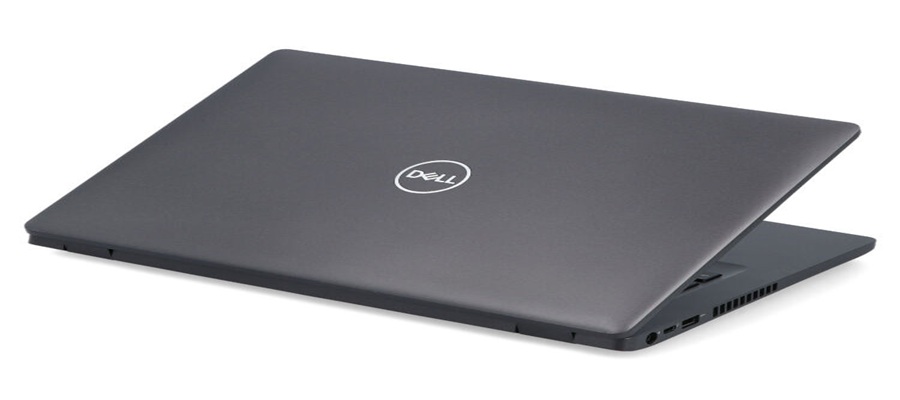
MENXTT TECH NG, a Lagos-based technology company, has launched an initiative to make quality Dell laptops more affordable for Nigerians through flexible payment plans and extended warranty support.

The company said the initiative was aimed at helping students, entrepreneurs, professionals and small businesses acquire reliable computing devices despite rising technology costs.
According to the company, customers can now purchase premium pre-owned Dell Latitude, Dell Precision and Dell Inspiron laptops at competitive prices, with selected models available under staggered payment arrangements.
The laptops, it said, are designed to meet the needs of users ranging from students and office workers to architects, engineers, software developers, graphic designers and video editors.
Speaking on the initiative, the Co-Founder of MENXTT TECH NG, Mr Anthony Emeka Nwosu, said access to quality technology should not be limited by financial constraints.
“A laptop is no longer a luxury; it is an essential tool for education, business and career development.
“Unfortunately, many people are forced to settle for unreliable devices because of the high cost of new laptops.
“At MENXTT TECH NG, we want to bridge that gap by providing durable Dell business laptops at affordable prices, backed by a full one-year warranty and flexible payment plans.
“We want every student, entrepreneur, freelancer and business owner to have access to technology that helps them succeed,” he said.
Nwosu explained that every laptop undergoes comprehensive testing before delivery and comes with a one-year warranty, an original charger, a complimentary laptop bag, Windows 11 operating system and Microsoft Office Suite pre-installed.
He added that the company, an authorised Bitdefender Antivirus reseller in Nigeria, also installs genuine Bitdefender security software on every system to protect customers against cyber threats.
According to him, customers requiring additional productivity tools can also have licensed Foxit PDF software installed on their devices.
Nwosu said the flexible payment option was introduced in response to prevailing economic realities, enabling customers to spread payments over an agreed period.
He noted that the arrangement would make it easier for students, startups and growing businesses to acquire quality computers without placing excessive pressure on their finances.
Beyond laptop sales, the company provides information technology consultancy, computer repairs, software licensing, cybersecurity solutions and digital transformation services to organisations across Nigeria.
He reaffirmed the company’s commitment to supporting Nigeria’s digital economy by making dependable computing devices and enterprise technology solutions more accessible to individuals and businesses.
According to him, the initiative reflects MENXTT TECH NG’s vision of combining affordability, quality products and professional after-sales support to help more Nigerians participate in the country’s expanding digital ecosystem. (NAN)

National Information Technology Development Agency (NITDA) has called for stronger collaboration among government, industry, academia and technology professionals to accelerate digital innovation and drive inclusive economic growth in Nigeria.

Dr. Aristotle Onumo, Director, Stakeholder Management and Partnerships, representing the Director General of NITDA, delivers a goodwill message at the 20th International Conference on Technology and Computing (RISE 2026) in Jos, reaffirming the Agency’s commitment to fostering digital innovation, strategic collaboration, and a technology-driven future for Nigeria.
The agency made the call at the 20th Nigeria Computer Society (NCS) International Conference 2026, held in Jos, Plateau State, where stakeholders examined strategies for leveraging emerging technologies to strengthen national development.
Speaking on behalf of the Director-General of NITDA, Mr Kashifu Inuwa, the agency’s Director of Stakeholders Management and Partnerships, Dr Aristotle Onumo, said Nigeria’s digital transformation would depend on sustained investment in innovation, digital skills, research and strategic partnerships.
According to him, collaboration across the public and private sectors is essential to translate emerging technologies into practical solutions capable of improving governance, creating jobs and enhancing the country’s global competitiveness.
Onumo said NITDA remained committed to implementing its Strategic Roadmap and Action Plan through initiatives that promote digital literacy, research and development, innovation ecosystems, cyber sovereignty and emerging technologies.
He added that the agency was expanding opportunities for innovators, entrepreneurs and startups through platforms designed to encourage collaboration, investment and technology-driven enterprise.
“We are transforming Digital Nigeria into the nation’s foremost innovation platform where policymakers, investors, startups, researchers and technology companies can collaborate to accelerate economic growth and digital transformation,” he said.
He urged innovators, startup founders and technology professionals to participate actively in the forthcoming Builders Summit by showcasing indigenous solutions capable of addressing Nigeria’s development challenges.
Declaring the conference open, the Governor of Plateau State, Mr Caleb Mutfwang, described digital technology as a critical driver of governance and economic development.
Mutfwang said his administration had adopted digital solutions to improve public service delivery, modernise government operations and enhance internally generated revenue.
He also identified technology as a key enabler for agricultural transformation, increased productivity and improved food security, urging participants to ensure that deliberations at the conference translate into practical outcomes for national development.
Earlier, the President of the Nigeria Computer Society (NCS), Prof. Muhammad Sirajo, said the conference was organised to strengthen collaboration among policymakers, researchers, regulators, technology professionals and industry leaders.
Sirajo said the conference, with the theme “Harnessing Digital Innovation and Emerging Technologies for Inclusive Growth and Economic Renaissance (RISE 2026),” focused on exploring how innovation could accelerate Nigeria’s socio-economic development.
He identified artificial intelligence, blockchain, cloud computing, cybersecurity and robotics as among the technologies shaping the future of economies across the world.
According to him, Nigeria’s youthful population and expanding digital ecosystem provide a strong foundation for building a globally competitive economy through sustained investment in digital infrastructure, innovation and skills development.
The conference attracted government officials, regulators, academics, development partners, technology professionals and private-sector stakeholders to deliberate on policies and innovations aimed at accelerating Nigeria’s digital transformation and inclusive economic renaissance.
Telecom
Hon. Minister Dr. Kingsley T. Udeh and ASUS To Unveil First of a Kind Flagship Store in West Africa


In a landmark moment for Nigeria’s technology retail sector, the Honourable Minister of Innovation, Science and Technology, Dr Kingsley Tochukwu Udeh SAN, will on Monday, August 3rd, commission a landmark ASUS Flagship Store in partnership with Nigeria’s leading e-commerce group Konga. The state-of-the-art facility is widely regarded as the first initiative of its kind in West Africa.

The commissioning will witness the visit of senior executives from the world-renowned technology brand to Nigeria, including EMEA General Manager, Mr. Aaron Tsai, alongside other. One of the purposes of their visit is to reinforce the strategic partnership with Konga and solidify the collaboration between both organisations, further demonstrating ASUS’ commitment to the Nigerian market.
The event is expected to also bring together key stakeholders from government, the technology industry, business community, and the media for what promises to be a defining moment in the evolution of technology retail in the region.
The development comes as Konga continues to accelerate its strategic partnerships with some of the world’s leading technology brands.
For years, Nigerian consumers have demanded more than just access to genuine technology products. They have increasingly sought immersive experiences, expert guidance, after-sales support, and greater confidence when making technology investments. The next chapter in this journey appears to address many of these expectations in a bold and innovative way.
The forthcoming announcement is expected to bring together global innovation in a manner that reflects the changing realities of today’s technology consumer. It also reinforces the growing confidence that leading international technology companies continue to place in Nigeria as one of Africa’s most strategic digital markets.
Industry analysts note that partnerships of this nature are becoming increasingly important as consumers place greater emphasis on authenticity, hands-on product experiences, technical support, and trusted purchase channels. Beyond selling devices, the future of technology retail lies in building complete customer experiences.
As anticipation builds for Monday, one thing is certain: the ASUS-Konga partnership promises to set new standards for tech retail in West Africa, elevating customer experience and reinforcing Nigeria’s digital transformation narrative.

Police Uncover Fake Diplomatic Number Plate Syndicate in Abuja

Davido Shares Past Suicidal Thoughts, Drops Oriadé Album

Gavi Okays $500m for Vaccines, PHCs in Nigeria

82% of Organizations Concerned about AI Risks Even as Adoption Accelerates – Survey Reveals

The Journey to Financial Freedom: Priscilla, a PalmPay Agent Now Owns a Store

NRC, Ponzi Scheme Collapses Resulting Loss of Billions of Naira

EFCC Busts NIS Visa Overstay Racket, Uncovers N700m in an Account

From Scarcity to Scale: What Africa Can Learn from India’s Agricultural Transformation

Tokenization, Blockchain Technology will Transform Financial Institutions – IMF

BON Establishes Six Ad Hoc Committees to Modernize Broadcasting




 E-Financial2 days ago
Access Bank Debunks Shutdown Report, Vows Action against Perpetrators

 E-Business2 days ago
Kaspersky Uncovers Cyber Threats Defining the First Half of 2026 in Nigeria, Others

 General News2 days ago
MENXTT TECH NG Offers Affordable Dell Laptops with Flexible Payment Plans

 Telecom2 days ago
ATU Summit Ends in Abuja with Landmark Declaration to Eradicate Continental Digital Divide

 Telecom2 days ago
Hon. Minister Dr. Kingsley T. Udeh and ASUS To Unveil First of a Kind Flagship Store in West Africa

 E-Financial2 days ago
$40Bn Net Reserves, Record Wealth, Relentless Poverty: Who Is Nigeria’s Economy Serving Today?

 E-Financial2 days ago
CBN Orders N19Bn Refunds to Customers as Complaints Rise

 General News2 days ago
EFCC Arraigns 4 over Alleged $5.3m Fraud Scheme