

Broadcasting
E-Commerce: How Konga Saved My Family During the Peak of COVID-19

Nigeria has fared fairly well with the COVID-19 pandemic, especially when compared with its counterparts in other parts of the world and against the backdrop of some worrisome predictions which pegged the country’s shabby public health care system as a potential source of concern.

India, for instance, is battling a terrible resurgence of the pandemic while the UK and others are only just lifting some severe restrictions.
Till date, Nigeria has recorded a little over 2,000 deaths, which for a country of an estimated 180 million people, represents a very good figure. For many, divine providence is one of the reasons that Nigeria has remained fairly immune from the sad tales being told by other countries who have racked up huge casualties since the pandemic began its rampaging run across the globe. This is so because the Nigerian primary, secondary and tertiary health care systems, as highlighted earlier, fall short of the standards that obtain globally. Moreso, the predilection of many to flout basic preventive measures, such as wearing of face masks, observing social distance and improvement of personal hygiene is well known in this part of the world; with many Nigerians attending parties and other gatherings even at the height of the pandemic and the social status of the majority meaning that public transportation systems are often crammed with passengers and open air markets filled to the brim, with scant regard for the principles of physical distancing.
The foregoing, however, does not mean that we did not suffer some of the ravaging effects of the pandemic. A number of prominent Nigerians, many of them with underlying ailments, lost their lives to the COVID-19 pandemic, despite the efforts of some of the best hospitals in Nigeria and beyond to save them.
Many families also lost loved ones, especially after one or two of their members had the misfortune of contracting the dreaded virus.
The above would have been the fate of my family but we have Konga to thank for seeing us through one of the darkest periods of our life. One Tuesday morning in June 2020, we had woken up to my husband coughing and sneezing heavily. This was in the middle of the government-imposed lockdown. My husband and I, both white-collar professionals, had been taking stringent measures to guard against being infected with COVID-19. At the first hint of trouble, all our kids had been withdrawn from schools and were being home-schooled by their teachers virtually.
Also, my husband and I had started alternating the days we went to the office. Both of us, by virtue of our positions at our respective places of work, could not work from home totally. Therefore, we selected the days on which we went to work, which did not exceed thrice in a week. In addition, we made sure we strictly observed all laid-down measures to prevent infection. We even stopped our official drivers at the time in order to reduce the possibility of contracting the virus from exposure to them. Our home was fumigated and all visitors were barred.
So, when my husband woke up with that recurring cough and sneezes, we dismissed it as a potential case of common cold. However, when it got worse upon his return from the office that day, we feared the worst. Our fears were confirmed after a couple of days when his test result came back positive for COVID-19. Before then, I had started isolating myself and the kids from him, solely as a preventive measure but that seemed like a measure too late.
After three days, I lost all sense of taste and smell, which had also been identified by the Nigeria Centre for Disease Control (NCDC) as a symptom of COVID. Consequently, I submitted myself as well as our kids for sampling. Of the family of seven, five of us tested positive to the virus, leaving only two of the kids negative at the time.
It was a shattering discovery and one of the most depressing periods of my life. But we could not keep wallowing in self-pity. We had to take action. Immediately, my husband and I took the decision to protect the two kids who had managed to evade contracting the virus. One of our relatives who resided close by in Lekki had come to pick up the two kids after another round of tests which confirmed their negative status.
The next couple of weeks proved to be arguably the hardest and most nerve-racking I have faced as a mother and care-giver. We had reached out to the NCDC hotline to notify them of our status but we were told at the time that bed spaces at the isolation centres were a bit limited. Consequently, we were given a list of medications to be taken on a daily basis, while being asked to hold on for an update on our evacuation to the isolation centre.
But that was the beginning of our worries.
Barely 24 hours after discovering our positive COVID-19 status, a power surge wreaked havoc in the house, damaging the large TV set in the living room and a few other appliances. Our depression levels went up a notch as the TV set was one of our major sources of keeping up with developments in the outside world.
In view of our status, we could not risk going out to the markets in order to limit the chances of infecting others. Our supplies were running dangerously low, however, and we needed to replenish them. We also needed to get the medications recommended by the NCDC. The youngest member of the family, my two-year-old toddler, also had some special dietary needs and other requirements which we urgently needed to source.
Having being exposed to e-Commerce, my husband and I had reached out to one of the players in the market and explained our plight.
It seemed, however, that informing them of our COVID-19 status was a mistake. We were told by the agent who picked up the call that they would get back to us shortly. It was after we had waited nearly 18 hours without a feedback and placed another call – which was dropped abruptly after we repeated our request – that we realized we were in trouble.
At this stage, our little baby was almost down to the last tin of food and his diapers were already exhausted. He had resorted to crying for long hours. For the rest of the family, we were also on the verge of starvation. We could not get a family member or friend to source the items as news of our COVID-19 status had spread and many were keeping their distance from us, as was expected.
My husband and I were confused and at our wit’s end.
Suddenly, my husband had a brain-wave and recalled seeing a Konga advert on TV, urging Nigerians to stay safe by observing all laid-down COVID-19 preventive measures. I must confess, at this juncture, that prior to that moment, we had never shopped with Konga, even though a couple of our relatives had often talked up the company and their services.
My husband decided to take a chance and placed a call through to the Konga call centre after checking up the number online. The soothing but professional voice of the call centre representative at the other end of the line was a relief. Shelistened to our story and proceeded to reassure us that our request would be given special attention. The agent took down our orders which was a fairly long list. There were food supplies, diapers, disinfectants, antibiotics and other items for the baby, while the rest of the family required groceries, a bag of rice, FMCG products, cooking oil, a laptop for one of our kids, the medications recommended for us, as well as a new TV set to replace the damaged one and a UPS. She also took down our address and contact details.
Barely a few minutes afterwards, my husband’s phone rang again.
On the line was a young man who introduced himself as Prince Nnamdi Ekeh, co-CEO of Konga. He had proceeded to empathise with my husband over our condition and promised to personally deliver the items. We were dumbfounded! Even when we pressed to pay online due to the fear of being disappointed a second time, he assured us not to worry, adding that we can pay on delivery.
True to his words, Prince Ekeh called up my husband in the evening at about 6pm, notifying him that he was at our Ajah residence. Could this be true? We almost fell over ourselves in the rush to get outside. Outside, we saw a young man, fully kitted in Personal Protective Equipment (PPE), complete with goggles and gloves, with a Konga-branded vehicle parked on our front porch. We were over the moon with delirium.
While keeping the recommended distance, he proceeded to drop all of the ordered items and handed over a delivery note which we cross-checked. All of the items we ordered were intact and Konga even added a free bottle of hand sanitizer to the items.
Never in my wildest imagination did I expect such quick, thoughtful and professional service from an e-Commerce company led by Nigerians. To cap it all, our needs were delivered by the CEO of the company! A lot of people are quick to write off Nigeria or Nigerians as good-for-nothing, but I am inspired to share this experience as a way of boldly declaring that right here in this country, there are people and corporate organizations delivering great service.
Before we allowed him leave, my husband, myself and the kids showered prayers on Prince Ekeh and Konga. It is hard for this business not to succeed as it is evident that Konga is blessed already.
Two weeks after that incident, my entire family started feeling better from the effects of the COVID-19. Two rounds of test afterwards, we were all certified negative and returned to our normal lives after welcoming back our two estranged kids.
I have followed the massive strides of Konga in the e-Commerce sector till date and I can see one of the best businesses to emerge out of Nigeria. Even with all that Konga is doing in the market today, I believe more is yet to come. Lest I forget, my entire family and I are loyal customers of Konga and I have also succeeded in converting most of my friends, colleagues and other relatives.
Without Konga, my family and I would have probably been victims of COVID-19. God will continue to lift this great company to bigger heights!
My very civilized man of God advised me to make this testimony public in appreciation of God’s favours and I am happy I have finally done this. I held back the family’s real name for privacy sake.
Mrs. X, a Chartered Accountant and mother of five, writes from Lagos



Drone
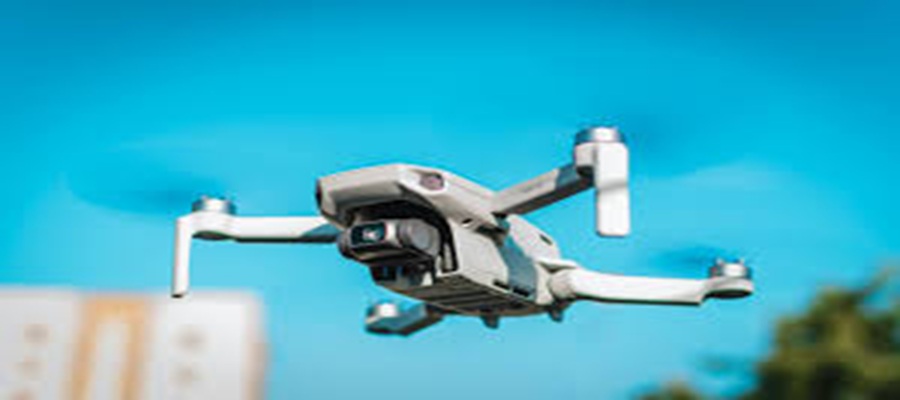
The US Department of Homeland Security (DHS) will invest $115 million in counter-drone technology to safeguard the 2026 FIFA World Cup and events marking America’s 250th independence anniversary, creating a dedicated office for rapid drone system deployment.
Homeland Security Secretary Kristi Noem described drones as “the new frontier of American air superiority,” stressing the need to counter threats from drug cartels using unmanned aircraft for smuggling and surveillance, alongside incidents like a 2025 NFL stadium drone flight and 2024 New Jersey sightings.
The funding supports 11 World Cup host cities expecting over one million visitors, building on FEMA’s $250 million grants to those states and addressing risks heightened by cartels’ advancing tech, including a reported FBI tracking plot in Mexico.
DHS has conducted over 1,500 counter-drone missions since 2018, with the new Program Executive Office accelerating acquisitions amid President Trump’s border security push.
Broadcasting
Youth Talent Takes Center Stage as T2 Ignites High-Octane Rap Battles @ Carnival Calabar

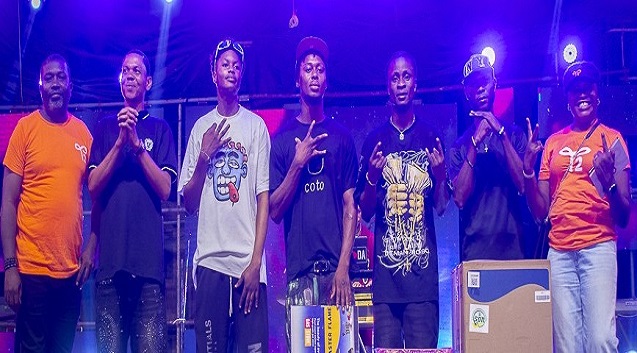
The energy at the Carnival Calabar Music Concert reached a new high as T2 introduced a first-ever rap battle platform, giving young Nigerians an electrifying stage to showcase their talent, creativity, and self-expression while competing for exciting prizes.

Held at the U.J. Esuene Stadium, the activation blended pulsating music, vibrant culture, and youthful energy into a dynamic celebration that kept thousands of carnival-goers fully engaged from start to finish.
Eight fearless contestants stepped into the spotlight, going bar for bar in an intense lyrical showdown. Rappers fused local languages, pidgin, and sharp punchlines, creatively weaving the T2 brand into their verses.
Anchored by the energetic hosting duo MC Double I and MC Princess, the rap battles thrilled over 16,000 attendees, including the Governor of Cross River State, Senator Bassey Otu, delivering an unforgettable showcase of youth talent and cultural expression.
With prizes including fridges, gas cookers, sound systems, and airtime top-ups, the competition remained fierce throughout the night. After two high-energy rounds narrowed the field to a five-man final duel, Emmanuel Eye emerged as the overall winner, taking home the grand prize — a fridge.
“I never expected this at all,” Emmanuel said. “I came to the concert like anyone else, and hearing about the T2 rap battle was a surprise. When I got the chance to perform, I just went for it. Being named the overall winner is amazing, and I’m grateful to T2 for creating this platform to showcase our talent.”
Beyond the stage performances, T2’s presence added a digital layer to the carnival experience. As part of its role as Digital Technology Partner of Carnival Calabar, the brand introduced the MyT2 App as a lifestyle companion, while also enabling line reactivations, airtime top-ups, and instant rewards for hundreds of attendees, blending technology seamlessly into the live celebration.
Commenting on the activation, Chinelo Manefo, Specialist, Events and Sponsorship at T2, said:
“The energy from both the rappers and the crowd was incredible. This platform reflects exactly what T2 aims to create — a celebration of youth, creativity, and culture, enhanced by technology that connects people and experiences. Seeing the audience so immersed shows how music and performance can empower the next generation.”
The Carnival Calabar Music Concert, headlined by Tiwa Savage, Timaya, and top local performers, was further energized by T2’s interactive rap battle platform. By blending music, culture, youth expression, and digital innovation, T2 reinforced its commitment to championing Nigeria’s next generation, giving young creatives a stage to shine while enriching how they experience the festival.
Broadcasting
Aig-Imoukhuede Foundation Wrapped Up 2025 with Real Change in Governance, Health, Media Across Africa
Aig-Imoukhuede Foundation has announced its 2025 achievements, marking a year of accelerated impact, systemic reforms and innovation in public leadership and service delivery across Africa.

Aig-Imoukhuede Foundation
A statement issued on Wednesday in Lagos said the foundation strengthened governance, improved primary healthcare, drove digital transformation and elevated media’s role in promoting public sector accountability.
It said the AIG Public Leaders Programme (PLP) trained 72 public sector leaders from Nigeria, Egypt, Tanzania, Cameroon, Zambia, Malawi and Kenya—its fastest growth to date—bringing the alumni network to 309.
These alumni are driving 237 reform projects to enhance public institutions, from faster decision-making to greater transparency, with nine promoted to higher roles for their contributions.
On civil service modernisation, the foundation accelerated digitalisation at the Office of the Head of the Civil Service of the Federation (OHCSF), streamlining 19 processes and achieving a 75 per cent increase in work speed through automated workflows.
It also trained over 400 officials from the Federal Ministry of Justice, Federal Civil Service Commission and Federal Ministry of Innovation, Trade and Investment in digital skills to support the FCCSIP 25 initiative and ongoing digital rollouts.
In healthcare, the Adopt-A-Healthcare-Facility Programme renovated four primary healthcare centres in Edo State, boosting antenatal visits by 73 per cent, immunisation coverage over 100-fold and fully vaccinating 554 children, while supporting 6,788 patients.
The foundation recognised 18 outstanding public servants with ₦500,000 each via the Emily Aig-Imoukhuede Endowment Awards and received a partnership award from the OHCSF for civil service reform efforts.
To empower media, it trained 50 journalists from top Nigerian media houses in impact storytelling, data analysis, visual and ethical reporting to better inform citizens on public sector changes.
Over five years (2021–2025), the foundation invested £2.6 million in PLP, saved ₦2.38 billion for the public sector through capacity building, trained 1,500+ civil servants, upskilled 660 digitally, trained 40 permanent secretaries and awarded 33 scholarships driving seven policy changes.
Other milestones include digitising 5,000 files, automating 333 processes, a 61 per cent efficiency gain, 60 per cent digital file creation at OHCSF, 128 excellence awards, 116 process reforms, 23 advocacy projects, 25 capacity initiatives, 18 podcasts, four healthcare articles, three policy papers, 23 adopted PHCs (four renovated) and 878+ fully immunised children aged 0–9 months.
Executive Vice Chair, Mr Aigboje Aig-Imoukhuede, said: “2025 was a year of real, measurable impact. From training hundreds of public servants to improving healthcare, helping ministries go digital, and equipping journalists to tell stories that matter, our work is making governments work better for citizens and communities across Africa.”

SEC Hikes Minimum Capital Requirements for Market Operators After a Decade

Study Shows Blocks in Telegram are Pushing the Underground Out

Galaxy Backbone Marks Two Decades of Powering Nigeria’s Digital Evolution

NGX Unveils Net-Zero Plan for Greener Capital Market

Galaxy Backbone Marks 20 Years, Tops FG Website Scorecard

Banks quietly move to enforce new ₦50 transfer levy from Jan. 1

FIRS says NIN, CAC Numbers to Serve as Tax IDs from 2026

FIRS Declares NIN, CAC Numbers as Tax IDs from 2026

US Begins Partial Visa Ban on Nigerians January 1

Galaxy Backbone Tops FG’s Website Performance Ranking




 E-Financial2 days ago
Paystack Expands Beyond Payments into Banking

 E-Financial2 days ago
SEC Partners Police in Nationwide Crackdown on Ponzi Schemes, Crypto Frauds

 E-Business2 days ago
Nigeria Targeted with 4,622 Cyber-attacks Per Week in December 2025

 General News2 days ago
EFCC to Use Space Technology to Boost Asset Tracking, Investigations

 E-Financial2 days ago
FG Halts Tax Guidelines Amid Uncertainty Over Final Laws – Oyedele

 E-Financial2 days ago
Paystack Buys Microfinance Bank, Enters Nigeria Banking Arena

 News2 days ago
FG Directs Banks, Fintechs to Remit VAT on Service Fees

 General News2 days ago
How to Stay Safe Online During Sales Periods