

E-Financial
Ghana’s Economy Shows Signs of Revival, Fueled by a Surging Cedi

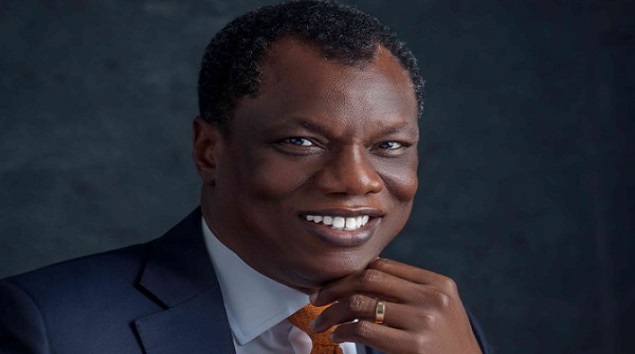
By Austin Kwesi Okere
On June 4, 2025, Bloomberg.com drew global attention with the headline: “World-Beating Cedi Slows Ghana Inflation to Three-Year Low.” Defying expectations, the cedi has appreciated over 42% against the U.S. dollar since January, making it the world’s best-performing currency this year. This rally has not only boosted investor confidence but also helped reduce inflation and restore economic momentum.

What’s Driving the Rally and Can It Be Sustained?
Early signs suggest the rally is rooted in more than market forces. Under President John Dramani Mahama, Ghana appears to be undergoing a significant shift in governance, with an emphasis on real economic growth and social development rather than short-term optics.
At the heart of this shift is Mahama’s eight-pillar economic strategy, which includes:
- Completing the IMF program with fiscal discipline,
- Reopening capital markets,
- Strengthening sovereign wealth and local government financing,
- Clearing arrears and improving public investment,
- Reforming public financial management,
- Boosting exports via the Ghana Exim Bank,
- Positioning Ghana as a regional trade hub, and
- Reviving infrastructure development.
These efforts are beginning to pay off. Ghana has indicated it will exit the IMF program as scheduled in May 2026. At a press briefing in Washington, IMF Communications Director Julie Kozack noted that Ghana had achieved its debt-to-GDP target of 55% three years early and surpassed its international reserves goal, reaching GH¢10.6 billion by April 2025. The cedi’s strength has also helped slash Ghana’s debt stock by about GH¢150 billion.
President Mahama, speaking to the Ghana National Association of Teachers, reaffirmed his focus on stability and inclusive prosperity. GDP growth reached 5.4% in the first quarter, reinforcing the view that the economy is back on a growth path.
Monetary Policy and Inflation Management
The Bank of Ghana has played a key role in managing inflation and currency stability. In March, it raised the benchmark interest rate by 100 basis points to 28%, a reduction from its 30% peak in 2023. From January to April 2025, it absorbed GH¢79.8 billion in liquidity – up 76.6% from the same period the previous year, demonstrating its commitment to macroeconomic stability.
These measures have had visible results: inflation fell to 18.4% in May, its lowest level in three years, down from 21.2% in April.
Everyday Impact: The Cedi’s Gains in Real Terms
The appreciation of the cedi is beginning to improve everyday life for Ghanaians. Industrial importers, for instance, are now able to buy machinery at significantly lower prices. One contractor, who paid GHS25,000 for a block molding machine last year, paid just GHS13,000 for the same model in June—a 48% price drop.
Fuel prices have dropped by about 15%, with some Oil Marketing Companies (OMCs) selling petrol for under GH¢12 per litre. This has led to a 15% reduction in transport fares, as announced by the Road Transport Operators Association in May.
Food and commodity prices are also falling.
The Food and Beverage Association of Ghana reports that the price of a bag of “Dubai” rice has dropped from GH¢460 to GH¢370, and a 50kg bag of imported rice that once sold for GH¢950 is now GH¢750. Cooking oil has fallen from GH¢1,000 to GH¢680 per gallon, and cement prices from GH¢120 to GH¢82 per bag.
In short, the stronger cedi is improving purchasing power, easing cost pressures, and lowering the cost of doing business.
What’s the Ideal Currency Level?
Despite the positive momentum, policymakers stress the need for balance. President John Dramani Mahama has underscored the importance of balance, cautioning that an overly strong cedi could harm exports. He suggests an optimal exchange rate range of 10 to 12 cedis per U.S. dollar – a level that supports both importers and exporters while preserving competitiveness.
Beyond interest rate adjustments, the sustained performance of the currency depends on broader structural and governance-related factors.
Three critical elements driving the cedi’s performance include:
- A government focused on real, inclusive growth;
- Reforms grounded in substance, not optics;
- Trustworthy, transparent governance.
This combination fosters domestic investment, reduces capital flight, and boosts economic confidence, setting off a cycle of growth and social cohesion.
Is the Cedi’s Rise a Temporary Spike or a Structural Shift?
Some analysts argue that Ghana’s currency rally reflects deeper structural improvements rather than a short-lived spike. Prof. Eric Oteng-Abayie of the Kwame Nkrumah University of Science and Technology points to several domestic drivers behind the rally.
The Bank of Ghana’s Gold4Oil and GoldBod programs have increased Ghana’s gold reserves by 40.6% between May 2024 and April 2025. A requirement that 20% of gold export proceeds be converted to cedis before accessing dollars has stabilized forex supply and bolstered reserves.
Meanwhile, the removal of distortionary taxes such as the E-levy and the planned phase-out of the COVID-19 levy, combined with prudent public spending, have strengthened fiscal credibility.
Ghana’s debt restructuring has also offered relief. With the next major external repayment not due until July 2025, foreign exchange pressure has eased. Complementing this, the central bank injected $490 million into the forex market in April 2025 to support the cedi.
External Factors Working in Ghana’s Favor
Global trends have also benefited Ghana. The U.S. dollar has weakened—dropping 10% on the DXY index—amid global trade tensions and fears of a slowdown. This shift has favored emerging market currencies like the cedi.
Record-high prices for Ghana’s key exports – gold at $3,400 per ounce and cocoa at $10,000 per ton – have significantly boosted foreign exchange inflows. The formalization of small-scale mining has further increased legal gold exports, strengthening Ghana’s external position.
Relations with Commercial Creditors Normalised:
Fitch Ratings has upgraded Ghana’s Long-Term Foreign-Currency Issuer Default Rating (IDR) to ‘B-‘ from ‘Restricted Default’ (RD), with Stable Outlook.
This was announced on their website on June 16, 2025. The upgrade of Ghana’s Long-Term Foreign-Currency IDR to ‘B-‘ from ‘RD’ reflects Fitch’s assessment that Ghana has normalised relations with a significant majority of external commercial creditors.
Ghana restructured its USD13.1 billon Eurobonds in October 2024. About USD2.6 billion of non-performing external debt still needs to be restructured. Of this, Fitch considers USD700 million to be commercial debt, representing 5% of total external commercial debt initially included in the restructuring perimeter. According to Fitch, “Ghana is negotiating with these outstanding commercial creditors, and we assess holdout risks as small.”
Can Ghana Sustain the Momentum?
While the outlook appears promising, the sustainability of this recovery will depend on disciplined policymaking, focused execution and the ability to maintain public trust. The early signs are encouraging, but in my view, “the jury is still out.”
Ghana’s case may well become a model for how transparent governance, strategic reforms, and global tailwinds can come together to drive economic revival – if the momentum can be maintained.
Austin Kwesi Okere is the Founder of CWG Plc and the Ausso Leadership Academy. In recognition of his contributions to business education and knowledge transfer across the continent, Austin was appointed to the Advisory Board of the Global Business School Network.


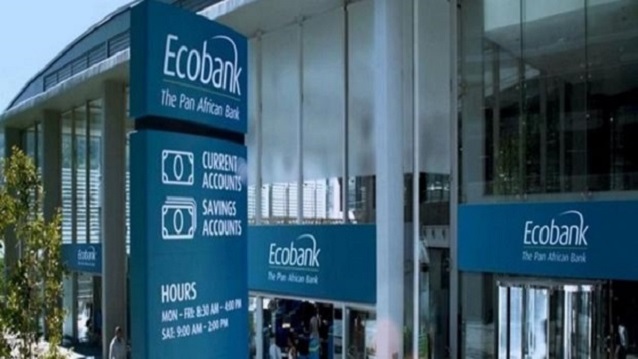
Ecobank Transnational Incorporated (ETI) has joined the trillion-naira exclusive club of firms, marking its first entry in its two decades of being listed on the Nigerian Exchange.

The Pan-African lender saw its valuation surge more than the N1 trillion mark on Monday, January 5, 2026. As of the close of trade on Monday, January 12, the stock had gained 7.4 percent, with its share price hitting N45. ETI has accrued 23 percent over the past four-week period alone, making it the 40th best on NGX.
“Ecobank Transnational Inc. is currently the 23rd most valuable stock on the NGX with a market capitalisation of N 1.07 trillion, which makes up about 1.02 percent of the Nigerian Stock Exchange equity market,” according to African Stock Exchange data, a market analytics platform.
This historic feat follows the early repayment of $245 million of Ecobank’s $300 million Eurobond issuance to bondholders who validly tendered their notes ahead of the February 2026 maturity date.
This must have led to an improved confidence in the bank’s operation, which gained 61 percent a year ago despite the sell-off that rattled the bank’s stock in 2025.
More Nigerian lenders are seeing their market capitalisation cross the N1 trillion mark, suggesting renewed investor confidence in the sector that’s undergoing a recapitalisation exercise.
GTCO remains the most capitalised, with its valuation reaching N3.62 trillion as of January 12, followed by Zenith Bank, First Bank of Nigeria, United Bank for Africa, Access Bank, and Stanbic IBTC with N2.75 trillion, N2.16 trillion, N1.94 trillion, N1.23 trillion, and N1.7 trillion, respectively. By crossing N1 trillion, Ecobank now sits among the country’s biggest lenders within the trillion-naira club.
Fidelity Bank, on April 4, 2025, saw its market value shoot above N1 trillion, making it the first tier-2 bank to cross the threshold. However, it slipped below the mark on May 20 following a Supreme Court ruling that pressured its share price. The bank’s valuation currently stands at N957 billion.
The membership of the exclusive club of listed companies with at least N1 trillion valuation has increased to 24, compared to 17 a year earlier, according to data from the Nigerian Exchange Limited.
The top five members include BUA Foods with a market cap of N14.38 trillion, MTN Nigerian Communications with N12.70 trillion, Dangote Cement with N10.71 trillion, Airtel Africa with N8.53 trillion, and BUA Cement with N6.2 trillion.
Wema Bank Plc has launched the upgraded version of its flagship digital banking platform, ALAT by Wema. Designed as the next phase in digital banking, the upgraded version of ALAT delivers a smarter, faster, and more intuitive experience, reinforcing Wema Bank’s leadership in technology-driven financial services.

Tagged ALAT: The Evolution, the upgraded version represents a significant advancement in how customers interact with their bank.
It enables seamless banking through intelligent features such as voice banking (called SAW), which allows customers to carry out banking activities using natural voice commands, reducing friction and improving accessibility.
It also introduces Tap and Pay for quick, secure, and convenient contactless transactions, alongside uptime prediction that enhances transparency, reliability, and confidence around service availability.
Together, these innovations are designed to simplify everyday banking while anticipating customer needs in real time, reinforcing Wema Bank’s commitment to trust, efficiency, and customer-centric digital experiences.
While announcing the upgraded version of the ALAT Banking app, Moruf Oseni, Managing Director and Chief Executive Officer of Wema Bank, said, “ALAT: The Evolution is more than an upgrade. It is a clear demonstration of our commitment to redefining digital banking in Africa.
“By understanding the future of banking and listening closely to our customers, we have upgraded ALAT by Wema to a digital banking platform that is smart, intelligent and dependable. This evolution reinforces our promise to deliver innovation that genuinely enhances how people live, work, and transact everyday.”
He added that migrating to the upgraded app is seamless. “Existing customers can simply visit the Google Play Store or Apple App Store to update their existing ALAT app and sign-in with their existing login details (All their account information and transaction history remain intact on their profile and they will also gain access to new features that make banking faster, more intuitive, and more reliable).
For new customers, all they have to do is visit the Google Play Store or Apple App Store to download ALAT by Wema app and click the Get Started icon to onboard seamlessly.
Speaking on the technology in the upgraded ALAT by Wema, Olusegun Adeniyi, Chief Digital Officer at Wema Bank, explained, “With ALAT: The Evolution, we set out to enhance not just functionality but the overall banking experience.
“By integrating voice banking, contactless payments, and predictive reliability, we are delivering a platform that is built on powerful technology and responds intelligently to customer needs. This upgrade reflects our long-term digital vision to create a digital bank that is adaptive, intuitive, and consistently available.”
Built on speed, intelligence, and user-centric design, ALAT: The Evolution redefines everyday banking through intuitive features such as voice-enabled transactions, contactless payments, and predictive service reliability. Designed to anticipate customer needs in real time, the platform delivers a smarter, more seamless, and dependable digital banking experience that reflects Wema Bank’s vision for the future of finance.
With the upgraded version of ALAT, Wema Bank continues to strengthen its position as a digital-first institution, delivering innovative solutions that empower individuals and businesses to bank with confidence in an increasingly digital economy.


Nigeria Deposit Insurance Corporation (NDIC) has declared a second liquidation dividend of ₦24.3 billion for depositors of Heritage Bank Limited (in liquidation) whose account balances exceeded the statutory insured limit of ₦5 million at the time of the bank’s closure.

Heritage Bank’s operating licence was revoked by the Central Bank of Nigeria (CBN) on June 3, 2024, after which the NDIC was appointed liquidator in line with the Banks and Other Financial Institutions Act (BOFIA) 2020 and the NDIC Act 2023.
In a statement signed by Hawwau Gambo, head of the Communication and Public Affairs Department, the Corporation said “the second liquidation dividend would be paid at a rate of 5.2 kobo per ₦1.00 on outstanding uninsured balances. This brings the total liquidation dividend paid so far to 14.4 kobo per ₦1.00.
“The NDIC has now declared a second liquidation dividend of ₦24.3 billion. This amount, derived from debt recovery, sale of physical assets, and realisation of investments, will be applied to the payment of uninsured balances for depositors with funds exceeding the ₦5 million insured limit. The second liquidation dividend is payable at a rate of 5.2 kobo per ₦1.00 on outstanding balances, in accordance with Section 72 of the NDIC Act 2023. This brings the cumulative liquidation dividend declared to date to 14.4 kobo per ₦1.00”.
The NDIC recalled that it had earlier paid a first liquidation dividend of ₦46.6 billion in April 2025, representing 9.2 kobo per ₦1.00, following the reimbursement of insured deposits of up to ₦5 million per depositor from its Deposit Insurance Fund.
According to the Corporation, the second tranche was made possible through sustained recovery of debts and continued asset disposal.
“This payment is in furtherance of our statutory responsibility to ensure that depositors of closed banks are reimbursed promptly as assets are realised,” the NDIC said.
The Corporation explained that payments would be made automatically to eligible depositors using existing records. Depositors who have already received their insured deposits and the first liquidation dividend will have their alternative bank accounts credited automatically through their Bank Verification Numbers (BVN).
However, depositors without alternative bank accounts or BVNs, as well as those who have not claimed their insured deposits or the first liquidation dividend, were advised to visit the nearest NDIC office nationwide or complete the e-claim form on the Corporation’s website for verification and processing.
The NDIC noted that liquidation dividends are paid only to depositors with balances above the insured limit and are sourced from asset sales and recoveries. Other creditors and shareholders will be considered only after all depositors have been fully reimbursed and subject to the availability of funds.
The Corporation assured the public that the ₦24.3 billion payment represents only the second liquidation dividend, adding that further payments would be made as additional assets are realised and outstanding debts recovered.
Depositors were advised to contact the NDIC Claims Resolution Department at any of its offices nationwide or through the Corporation’s official email addresses and helplines for further enquiries.

Ecobank Joins Trillion-naira Club for the First Time in 20 Years

PalmPay, Premier Cool to Reward 10,000 Nigerians with ₦100m in “10k for 10k Campaign”

Nigerian Terra Industries Secures $11.8m for Expansion

Kaspersky Warns Telecom Threats from 2025 will Carry into 2026 as New Technology Adds New Risk

SHELT Named in Prestigious 2025 MSSP 250 List for Cybersecurity Excellence

Banks quietly move to enforce new ₦50 transfer levy from Jan. 1

FIRS says NIN, CAC Numbers to Serve as Tax IDs from 2026

Nigeria Takes the Lead in the Global WSIS+20 Digital Agenda

PalmPay Launches N400 Million World Travel Carnival, Rewarding Users with Free Global Trips

Nigeria Police Arrest Okitipi, Nigerian Allegedly Linked to Microsoft 365 Hack




 General News2 days ago
Ministry of Finance Leads FG-Backed Deal to Deliver Quality Homes and Boost Agriculture in Niger State

 News2 days ago
SERAP Sues INEC Over Alleged ₦55.9Bn Election Funds Diversion

 E-Financial2 days ago
NDIC Declares Second Liquidation Dividend for Heritage Bank Depositors

 Telecom2 days ago
FG Plans to Invest $460m World Bank Loan in Fibre Infrastructure

 News2 days ago
AI Founders and Developers to Converge in Lagos for AI in Action 2026 conference

 News2 days ago
FG Inaugurates N40Bn CCTV Control Centre for Third Mainland Bridge

 General News2 days ago
Tax Reforms Panel Rejects KPMG’s Critique of New Laws

 Telecom1 day ago
X Suspends Twitter Account for Rules Violation