

News
Nigeria’s Future is Mobile- Experts

Experts in mobile communications technology have stressed the need for educators in Nigeria to be up to speed with modern reality if the country would meet her millennium develop goals (MDGs) target and beyond.
After a thorough analysis of Nigeria’s market leadership position in the Middle East and Africa (MEA), in only about a decade since mobile telephony was introduced, various speakers at the conference tagged “MobileWeb West Africa” agreed that the country’s education system was not in sync with present reality.
Alex Dadson, managing director, Qualcomm West Africa, who spoke to Nigeria CommunicationsWeek exclusively stated that the education system in Nigeria would need a general overhaul to meet the market reality.
Dadson stated that multinational ICT firms usually have to retrain local graduates to fit into the workplace because of the gap between what is taught in the Universities and the work-place environment.
And as a practical demonstration of filling-in-gap, the leading global US chipset manufacturers organized a special training workshop for about 30 young Nigerian application developers at the MobileWeb conference.
It also introduced a new product into the market called Augmented Reality.
Dadson stated that Augmented Reality. is a special app that identifies images and augment the users’ experience in the mobile ecosystem.
Tunde Kehinde, a young and leading under 30 mobile online entrepreneur concurred with Dadson that Nigeria’s education system need major innovative overhaul to meet market reality.
“I attended primary and high school in Nigeria, but went abroad for post secondary education. Yes, there is a need for some major overall in our education curricula to fit into the advancing technological trend,” said Kehinde.
Kehinde’s Jumia is rated ahead of Amazon and eBay in global search engines from Nigerian searches for online shopping.
He believes Nigerian have the capacity to excel, but need the education to match their counterparts in other markets across the globe.
Several other experts also spoke on the emerging mobileweb space as next big thing in online entrepreneurship.
Elo Umeh, CEO of Twinpine Mobile Advertising reiterated that mobile web advertising is design as a veritable tool for big multinationals and local SMEs to explore and promote their businesses to their prospective clients.
Umeh, added that busineses can set value at the long run, for money invested to the business, by advertising on mobile platforms which relate to return on investment.
Specifically, he stated that this is done by showcasing products and services to both prospective and existing customers. Mobile web advertising is possible through website posters, SMS platforms on mobile phones.
The Twinpine executive stressed that their big push is a 30 million customer target by 2014, with services cutting across all sectors of the Nigerian economy including news, entertainment, gossips and sports.
Mrs. Harey Oyindamola Ogundeyi, industry manager, Google, stated that there was a huge market to be discovered in mobile branding opportunities for brands to reach their customers.
These platforms include the use of mobile video (which is in vogue) amongst music lovers, through mobile phones or the internet.
She noted that this can be harnessed by using it at people’s convenience, either at home, work or on the move, describing it as a unique feature.
Ogundeyi stressed further that this devices has created a platform of opportunities of freedom for people to part into civilized world. She declared that the platform makes “advertising on the net easy, through the process of search and display.”
Olusegun Martins, head technology at Insight Communication, shared similar views with Mrs. Ogundeyi.
He noted that the modern day technological advancement and innovation means mobile users are connected to various sectors of activities on the World Wide Web (www), for gathering and dissemination of information.
Martins added that this technological techniques makes brands a believable character, in any story message it delivers to its audience. He added (unscientific) that well over 25 percent on Nigerian mobile phone users are on the smartphones segment, turns it into life companionship.
“This trend enables people to sleep and wakeup with their phones even at night and early hours of the morning.”
Martins describes the emerging lifestyle “as emotional connection, media hub, shopping companies and personal assistance tools to life.”
Mr. Deepanker Rustagi, general manager, VCconect.com X-rayed the importance of the mobile web platform in helping to develop the small medium entrepreneur to grow their business by assisting them to design good strategies, to enable their prospective customers, which will go a long way, for them to have value for their investments.



As smart devices with artificial intelligence (AI) tools, and always-on services become part of everyday life, the cybersecurity habits many people formed a few years ago may no longer be enough.

From AI-powered scams to social media trends that encourage users to upload personal details, the way people interact online is changing quickly. Ensuring that you stay secure now requires small, deliberate actions in your daily digital behaviour. Experts from Kaspersky, a global cybersecurity and digital privacy company, share the below advice to stay safe online.
- Be cautious with verification requests. Many scams now mimic legitimate verification processes, asking users to confirm accounts, update payment details, or approve login attempts. Because people are used to frequent security prompts, it is easy to respond automatically. Pause before sharing verification codes or personal information and independently verify requests through official websites or by contacting service providers directly.
- Cultivate healthy AI usage habits. AI agents, chatbots and multimedia-generating apps can be convenient and entertaining, but uploading high-resolution photos or personal information carries privacy implications. Facial images can function as biometric identifiers, and once shared with an online service, be it AI or a social network, control over how that data is stored or reused may be limited. Before using AI tools, review privacy policies, minimise the personal information they provide, and avoid uploading sensitive documents or confidential content.
- Do your homework on AI. For parents, the rise of AI assistants introduces another dimension. While AI tools can help in making education interactive and gamified, children may turn to AI tools for homework support or entertainment without fully understanding how their data is used or how to evaluate responses critically.
Open conversations about responsible AI use, privacy awareness, and the importance of not oversharing personal information can help children build safe digital habits from an early age.
- Audit your online subscriptions. Reducing digital exposure is another simple but often overlooked step. Over time, unused subscriptions, dormant accounts, and forgotten apps accumulate personal data and payment details. Regularly reviewing subscriptions, deleting unused accounts, and checking which apps have access to personal information can significantly reduce risks of this data being leaked.
- Secure your devices and home. Device longevity and smart home security also play an important role. Older devices that no longer receive security updates may contain unpatched vulnerabilities.
Ensure that smartphones, laptops, routers, and smart home devices are running the latest firmware and are protected with strong passwords and multi-factor authentication. Changing default passwords on connected devices and securing home Wi-Fi networks are essential steps in protecting both personal data and physical spaces.
As technology and AI becomes more integrated into daily life, security is less about dramatic measures and more about consistent, informed habits.
“Technology evolves quickly, and our online behaviour should keep pace,” says Brandon Muller, Technical Expert for the Middle East and Africa region at Kaspersky. “Take time to review privacy settings, app permissions, and connected third-party services, removing anything that is no longer needed. By being more deliberate about what we share, how we verify requests, and how we manage our devices, we can significantly reduce exposure to modern cyber risks while enjoying all the benefits of new technologies.”

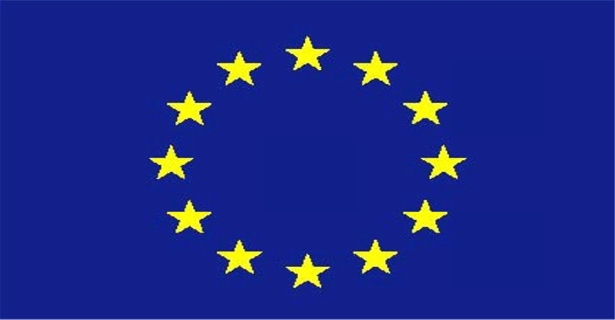
European Union has unveiled a €290 million investment package for Nigeria, targeting key sectors including digital infrastructure, healthcare manufacturing, agriculture, and migration management.

The announcement was made during the eighth Nigeria–EU ministerial dialogue in Abuja, co-chaired by Yusuf Tuggar and Kaja Kallas. European officials said the funding, part of the EU’s Global Gateway strategy, is designed to strengthen Nigeria’s economy and deepen bilateral cooperation.
The digital sector received the largest allocation, with €131 million set aside to expand connectivity and improve digital services. The initiative aims to deploy about 90,000 kilometres of fibre-optic cable, providing internet access to roughly 33 million Nigerians.g
The programme will also support digital public infrastructure and develop Nigeria’s tech talent pipeline. In the healthcare sector, the European Investment Bank and the Bank of Industry Nigeria signed a €50 million financing agreement to boost local manufacturing of pharmaceuticals, vaccines, diagnostics, and medical devices.
Managing Director of BoI, Olasupo Olusi, described the deal as transformative, saying: “This partnership marks a pivotal step in Nigeria’s journey from being a major importer… to becoming a competitive producer.” EIB Vice-President Ambroise Fayolle added: “We support national health security while improving the resilience of supply chains.”
Another €85 million agreement will support agricultural value chains, particularly cocoa and dairy production, with funding aimed at improving productivity and supporting smallholder farmers and agribusinesses.
EU Commissioner Jozef Sikela said the investment would help Nigeria reduce reliance on imports and scale local production capacity.
The package also includes €16 million for migration management, focusing on reintegration of returnees and efforts to combat human trafficking. Kallas emphasised the broader significance of the partnership, stating: “In the current geopolitical context, the European Union is keen to enhance its partnership with Nigeria.”
Officials noted the investments align with continental goals such as the African Union target of producing 60 percent of vaccines locally by 2040, and the African Continental Free Trade Area framework for regional trade.
The EIB also revealed it has invested over €2.3 billion in Nigeria since 1978, supporting infrastructure, climate resilience, innovation, and small business development.

As part of a joint initiative with AFRIPOL, Kaspersky provided cybersecurity training courses for law enforcement representatives from 23 African countries, unfolding the fundamentals of Security Operations Center (SOC) activities and advanced threat hunting techniques.

As cyberthreats continue to grow in scale and complexity, strengthening the technical capabilities of law enforcement agencies has become an important priority worldwide. Through knowledge-sharing programmes, technology companies can contribute practical expertise gained from real-world cyber investigations and threat analysis.
Such collaboration helps equip law enforcement professionals with the skills and tools needed to investigate digital crimes more effectively and strengthen cybersecurity capabilities.
From November 2025 to March 2026, around 40 African officers from 23 countries* received “Security Operations and Threat Hunting” training, provided as part of the cooperation agreement between Kaspersky and AFRIPOL signed in 2024. During the training, African officers gained practical knowledge of Security Operations Center (SOC) activities and modern cyber-defence practices.
The programme covered key aspects of threat detection and incident investigation, including how to identify malicious activity in Windows and Linux environments, analyse attacker tactics, techniques and procedures (TTPs) and use threat intelligence to uncover advanced threats.
As part of the training, a series of online Q&A sessions were organised, providing participants with the opportunity to engage directly with experts and course authors from Kaspersky’s Security Services team. These sessions allowed attendees to clarify complex topics, discuss practical cases and receive additional insights, reinforcing the learning experience and ensuring a deeper understanding of key cybersecurity concepts.
“Cybercrime today is highly sophisticated, borderless and constantly evolving, which means no single organisation can tackle it alone. This is why cooperation and knowledge sharing between the private cybersecurity sector and law enforcement agencies are so critical. Our long-standing collaboration with AFRIPOL demonstrates the value of this approach.
“Over the years, Kaspersky and AFRIPOL have worked together to better understand the cyberthreat landscape across Africa and to support international efforts aimed at disrupting cybercrime. By continuing to invest in training and capacity building, we aim to support law enforcement professionals with the expertise they need to investigate digital crimes effectively and contribute to building a safer and more trusted digital environment for everyone,” says Yuliya Shlychkova, Vice President, Public Affairs, at Kaspersky.
“Strengthening the capabilities of law enforcement agencies is essential to effectively address the growing complexity of cybercrime across the African continent. Initiatives such as this training programme play an important role in equipping officers with the practical skills needed to investigate cyber incidents, analyse digital evidence and respond to emerging threats.
“Cooperation with partners from the private cybersecurity sector, such as Kaspersky, helps law enforcement agencies stay informed about the latest threat trends and investigative approaches.
“We highly value this collaboration and the opportunity it creates to further develop the cybercrime response capabilities of AFRIPOL member countries,” says Dr Mohammed Benaired, Head, Training and Capacity Building Division at AFRIPOL.
In 2024, to further enhance global efforts to combat cyber offenses, Kaspersky and AFRIPOL signed a cooperation agreement in preventing and fighting cybercrime.
Covering a period of five years, the document formalises and facilitates cooperation between the company and the law enforcement agency in sharing threat intelligence data on the latest cybercriminal activities and entails the provision of assistance and know-how in information security analysis.
Kaspersky Expert Training is used by numerous organisations and academic institutions to advance their skills in battling against cybercrime. Since the inception of this online training programme, Kaspersky experts have trained more than 3,000 specialists from 50 countries around the world.
Providing their expertise with 12 educational courses, they share their insights on advanced tactics and strategies in Reverse Engineering, Threat Hunting, Incident Response and more – each divided by the level of students’ experience.

Mobile Money Transactions Accounted for $2 trillion in 2025

MoneyMaster Enhances App, Rewards Users with Data and Airtime Bonuses

Nigeria, Finland Sign Cybersecurity Pact

Firm Shares Tips for Updating Your Digital Habits for an AI-driven World

EU Pumps €290m into Nigeria’s Digital, Health, Agri Sectors

Kaspersky Discovers New Phishing Campaign Exploiting Google Tasks Notifications to Steal Corporate Credentials

esentry 2025 Report Shows Healthcare, Financial Services and Telecoms as Staging Grounds for Increased Cyberattacks in Africa

AfDB, UNDP Launch $10Bn AI Initiative for Africa

MultiChoice Suspends Yearly DStv Price Hike as Canal+ Pushes Growth

Spotify’s Loud & Clear Report Reveals Over ₦60Bn Revenue for Nigerian Artists in 2025




 E-Financial3 days ago
DLM SPV PLC Lists ₦9.00bn AAA-Rated Medium-Term Notes on FMDQ Exchange, Sets Benchmark in Corporate Bond Market

 News3 days ago
Metaverse Collapses, Horizon Worlds Shuts Down on Quest

 E-Financial2 days ago
CBN Directs IMTOs to Open Naira Settlement Accounts

 Telecom3 days ago
Legend Internet, Spectranet in Merger Talks

 Telecom2 days ago
Nigerians Lose N12.5Bn to AI-Driven Scams- PwC

 General News2 days ago
Court Remands Hacker for Allegedly Stealing N3.09Bn from FCMB

 News3 days ago
NITDA Reaffirms Commitment to Advancing Creative Economy with Digital Initiatives

 E-Financial3 days ago
SEC Issues Six-Week Ultimatum to Market Operators to Submit Recapitalisation Plan