

General News
NITDA Takes IT Projects Clearance Campaign to Office of Accountant General, Others


In line with President Bola Ahmed Tinubu’s Renewed Hope Agenda to enhance governance for effective service delivery, and with NITDA asserting its mandate as the clearing house for all government Information Technology, (IT) projects, the Agency has taken the campaign on the imperative of scrutinizing IT projects of the Federal Public Institutions to the Office of the Accountant General of the Federation, Office of the Auditor General of the Federation and Bureau of Public Procurement.

The visit focused on the presentation of NITDA’s Reviewed IT Project Clearance Guidance Document—an updated framework designed to standardise the planning, funding, and execution of IT projects in line with national digital economy goals.
The document, a revision of the 2018 Guidelines for Clearance of IT Projects, emphasises cost-effectiveness, regulatory compliance, and transparency, reinforcing NITDA’s role as the clearing house for all government IT initiatives under the National Information Technology Development Act (2007.)
During these visits, NITDA’s Director General emphasised that the Agency cannot work in isolation to achieve the Renewed Hope Agenda of transforming the economy digitally. “And we need to explore how we can strengthen our partnerships and collaborations in line with the President’s agenda.”
He averred that there is need to be more focused and intentional in the implementation of IT projects if the country wants to maintain its leading position in Africa. “56 percent IT projects failed to deliver on what were promised because we go for latest technology, and failure to design before building the technology and lack of consideration for the business value proposition we are trying to deliver with the projects, he decried.
Inuwa informed his hosts that in order to safeguard against that, NITDA has reviewed the IT Clearance Guideline because experience has shown that most Ministries, Departments and Agencies build IT projects based on the proposal submitted to them by the contractors who would design the projects, implement them and operate them which give no room for accountability and transparency and that has led to the failure of many IT projects.
“We are building a digitised government service; and government is one. We need to work together, work harmoniously, the same way IT system works to deliver these services. For us to achieve this, we need to be more intentional in the way we design, and implement. And if we continue to design and implement in silos, they will never worked together, he warned.
He maintained that the idea behind the reviewed guideline is to ensure that IT projects are designed in line in line with the mindset of interoperability in order for Ministries Departments and Agencies, (MDAs) to explore shared services and follow the best practices and standard.
“The guideline will guide MDAs on how to design, operate and how to maintain system because building of these systems is beyond technology but people, processes and key components of that are paramount.
According to the Director General, the proposed guideline has three steps of IT projects implementations which are; the Solution Design, the Implementation and Quality Assurance steps. He added that going forward; contractors are required to get license and certified employees on these three steps for their companies before government’s IT projects could be awarded to them.
“These measures are designed to eliminate corruption, prevent duplication, and ensure that government IT initiatives are structured to create meaningful change—fostering efficiency, equity, and fairness in public service.”
At the Bureau of Public Procurement, the Director General, Dr. Adebowale Adedokun stressed the significance of standardising IT Project Bidding Documents. He remarked, “It is disheartening that organisations misuse IT projects to siphon public funds—resources that could otherwise be channeled towards impactful initiatives that can transform the country.
He disclosed that MDAs come with IT projects that were adopted without standardisation and guideline “but with this new guideline our decision should pave ways for the development of the IT sector of the country.”
While describing the meeting as crucial to eradicate corruption in the implementation of IT projects, he noted that because most IT projects component are intangible, official leverage them to siphon public fund, adding that the Bureau has developed a standard bidding document for the IT procurement.
He said, “We have huge responsibility with NITDA to avoid corruption, duplication of IT projects and ensure transparency and accountability in the award of IT projects for the Federal Public Institutions. It is disheartening that we are consuming resources that can be deployed to meet other needs of the country and we need to stop this and say no to wastage.”
He tasked NITDA to reconsider service-wide procurement of licenses of organisations like Microsoft, Oracle and others, and also develop a template for IT Price Intelligence which the Bureau can rely on for costing. “We are not IT experts, if NITDA can help us with data on the prices of IT related products which can serve as benchmark for pricing, it will go a long way in our review.
Dr Adedokun equally canvassed for capacity building for the government’s staff in IT cadre so they would not be outsmarted by contractors.
Both NITDA and BPP agreed to constitute a working committee that would work out modalities for the realisation of the entire intended plan and sign a Memorandum of Understanding on its implementation.
At the Office of the Auditor General of the Federation, the Auditor General of the Federation, Shaakaa Kanyitor Chira, remarked that NITDA needs to be commended for its thoughtfulness for bringing the guideline forward for its review and inputs.
He assured that once the policy becomes operational, the Office of the Auditor General will conduct a performance audit to assess whether it is effectively contributing to the betterment of the country.
Similarly, the Accountant General, Shamseldeen Ogunjimi, commended NITDA’s efforts to standardise IT project implementation and expressed readiness to support the integration of the clearance guidelines into financial processes.
By presenting the Reviewed IT Project Clearance Guidance Document, NITDA aims to ensure that the AGF’s financial oversight aligns with its vision of a digitally transformed public sector. The collaboration is expected to enhance service delivery, curb inefficiencies, and position Nigeria as a leader in technology-driven governance.
It could be recalled that NITDA, in 2018 unveiled the Guideline for IT Project Clearance and the Agency has been able to save over N300 billion for the country in its effort at clearing IT project.



Meta Description: Tired of ad payment failures? Discover the most reliable virtual cards in Nigeria for running Facebook, Google, and TikTok ads without interruptions.
One of the biggest challenges digital marketers face in Nigeria today is finding a payment method that actually works for ad platforms.
Issues like frequent transaction failures, unexpected restrictions, and constantly changing bank policies can interrupt your campaigns at the worst possible time, making it hard to stay consistent.
That’s why many marketers are now turning to virtual cards, which offer a more stable, globally accepted way to handle online payments without the usual stress.
If you’re currently dealing with failed payments or need a more reliable way to run ads, this article will walk you through the most reliable virtual card options in Nigeria and help you choose what works best.
7 Best Virtual Cards You Can Use in Nigeria for Running Ads
Choosing the right virtual card for running ads in Nigeria isn’t just about availability; it’s about transaction success rate, global acceptance, funding speed, fees, and overall reliability.
To make things easier, the table below highlights how Cardtonic, Wallets Africa, CashBuddy, Snappypay, Pouchers, Bitmama, and Flip by Fluidcoins compare across key features that matter for running ads effectively.
| Platform | Best For | Price range | Supported Countries | Notable Features |
| Cardtonic | Reliable ad payments | $1.5-$5 (card creation) | Nigeria, Ghana (2+) | Easy card creation, quick funding, widely accepted |
| Wallets Africa | Basic virtual card use | $2-$5 (est.) | 10+ African countries | wallet + virtual card system |
| CashBuddy | Simple payments | $2.50 | Nigeria (primary) | straightforward card access, bill pay |
| Snappypay | Quick transactions | N/A | Nigeria & select regions | Fast setup, easy online spending |
| Pouchers | Flexible funding | $2 | Nigeria & limited global | Direct wallet to ads support |
| Bitmama | Crypto-based payments | Free issuance | Multiple countries (10+) | crypto funding + global spending |
| Flip by Fluidcoins | Fast crypto payments | $1.30 | Multiple Countries (10+) | Crypto payment focus |
1. Cardtonic:
Cardtonic is often regarded as one of the best virtual cards in Nigeria for running ads because it combines convenience, reliability, and ease of use in a way that suits both individuals and businesses.
When you’re paying for ads on platforms like Facebook, Instagram, Google, or TikTok, one of the biggest concerns is whether your payment method will work smoothly without constant declines or interruptions. That is where Cardtonic comes in, as it gives users access to a virtual dollar card designed for international payments, making it a practical choice for ad spending.

What makes the platform even more appealing is that it also offers contactless cards, which let you make payments quickly and securely without swiping or inserting the card. This feature adds an extra layer of convenience for users who want fast transactions, whether online or at supported payment terminals.
What truly makes Cardtonic stand out is how it brings together accessibility, smooth funding, and reliable international payment support in one place.
So, if you are looking for a reliable platform for ad payments, Cardtonic is one option that clearly deserves a spot on the list.
2. Wallet Africa:
Wallets Africa is meant for users who want more than just a card to pay for ads. It works better as an all-in-one financial platform, which makes it useful for business owners, freelancers, and marketers who like managing payments from one place.

Beyond offering virtual cards, the platform is built around sending money, spending online, and handling digital transactions across Africa, so it feels broader than a tool meant for one single purpose.
That broader structure is really where Wallets Africa plays its role. For someone running ads regularly, it can be convenient to have a platform that supports both wallet functions and card payments instead of jumping between different apps.
It is less about being flashy and more about giving users a practical setup for online spending, especially when you want your ad payments to sit within a wider money management system.
3. Cashbuddy:
CashBuddy feels more like a platform for users who value simplicity and speed. Its offering goes beyond virtual cards into other digital payment services, but the virtual card side is positioned around secure dollar and naira card access for global payments.
That makes it useful for advertisers who want something straightforward for campaign payments without dealing with too much complexity.

Where CashBuddy plays its role best is in accessibility. It fits users who may not need an advanced financial ecosystem but just want a platform that helps them get a working card and handle international payments with less stress.
So while some platforms lean into broader wallet features or multicurrency tools, CashBuddy feels more like the practical option for getting started and keeping things easy to manage.
4. Snappypay:
Snappypay has a slightly different appeal because it presents itself strongly around smooth online payments and virtual dollar cards that can be used across many platforms.

That makes it a natural fit for people who run ads often and do not want a card that feels limited to only one or two use cases. The platform also combines its virtual cards with other digital payment services, which adds to the convenience for users already handling several online expenses at once.
What makes Snappypay useful in this list is that it feels built for everyday digital spending. If Wallets Africa comes across as more ecosystem-driven and CashBuddy feels more basic and direct, Snappypay sits in the middle as the platform for users who want a smoother, more flexible payment experience for ads, subscriptions, and other online transactions without overcomplicating the process.
5. Pouchers:
Pouchers is one of the more ad-friendly options here because it explicitly positions its virtual dollar card for payments on platforms like Meta and for running ads.
That makes its role in this list much clearer. Instead of leaving users to guess whether the card may work for ad spend, the platform directly presents that use case as one of its strengths, which gives it more relevance for marketers and business owners.

Another thing that makes Pouchers different is its multicurrency and stablecoin angle, which gives it a more modern, borderless feel compared with platforms that are built mainly around local wallet operations.
So, for users whose work already involves international payments, online tools, and ad platforms, Pouchers plays its role as the flexible option that is shaped more around digital commerce than traditional payment habits.
6. Bitmama:
Bitmama plays a more specialized role because it is better known for combining crypto and borderless payments. That already sets it apart from the more conventional platforms on this list.

For advertisers or freelancers who are already comfortable moving money through digital assets, Bitmama can feel like a more flexible option, especially when international transactions are part of their normal workflow.
This makes it less of an everyday beginner platform and more of a fit for users who like operating in a more global, digital-first payment environment.
So while a platform like CashBuddy may appeal to someone looking for a simple starting point, Bitmama feels more suited to users who want ad payments to sit within a wider international or crypto-enabled setup. That difference gives it a distinct place on the list.
7. Flip By Fluidcoins:
Flip by Fluidcoins leans into the crypto-powered side of digital payments, positioning itself as a faster, more lightweight option for users who want flexibility with cross-border transactions.

Its strength is not in trying to cover everything, but in serving a more niche group of users who already understand digital finance and need a smoother way to handle international payments, especially for ad spending.
What sets it apart is its modern, alternative approach. It focuses less on traditional banking features and more on giving users fewer restrictions when moving funds globally.
For advertisers in that space, it works best as a flexible, niche solution rather than a full all-in-one financial platform.
Frequently Asked Questions About Virtual Cards For Running Ads in Nigeria
- Which Virtual Card is Best For Running Ads in Nigeria?
The best dollar virtual card in Nigeria for running ads is Cardtonic. It’s widely trusted for its reliability, smooth international payments, and ease of use, making it a practical choice for managing ad spend without interruptions.
- Can I Use a Virtual Card to Pay for Google Ads, Facebook Ads, or TikTok Ads?
Yes, you can. Most virtual cards issued by platforms in Nigeria, like Cardtonic, Pouchers, or CashBuddy, are accepted on major advertising platforms, including Google, Facebook, and TikTok.
- How Do I Fund a Virtual Card for Advertising Campaigns in Nigeria?
Funding a virtual card is usually straightforward. Most platforms allow you to load funds from your local bank account, Naira wallet, or even crypto wallets in some cases. Simply log into your virtual card account, choose the funding method, enter the amount, and confirm. Once the funds reflect, you can start running ads immediately.
- Are Virtual Cards Secure For Paying International Ad Platforms?
Yes, virtual cards are designed to be secure. They often include features such as temporary card numbers, spend limits, and the ability to block or freeze the card instantly if needed.
- How Fast Can I Get a Virtual Card and Start Running Ads Online?
You can usually get a virtual card almost instantly after signing up and completing the KYC verification process. Platforms like Cardtonic or Snappypay issue cards immediately, so you can fund the card and start running ads within minutes.
Conclusion
Running ads on platforms like TikTok, Facebook, or Google from Nigeria can be challenging without a reliable payment method. That’s why virtual cards offer a convenient and secure solution, allowing you to fund your campaigns quickly and manage payments without interruptions.
Whether you’re looking to pay for TikTok ads, Google Ads, or other online campaigns, platforms like Wallets Africa, CashBuddy, Snappypay, Pouchers, Bitmama, and Flip by Fluidcoins all offer options to suit different needs.
For those who want a combination of reliability, ease of use, and smooth international payments, Cardtonic is highly recommended for managing your ad spending efficiently.

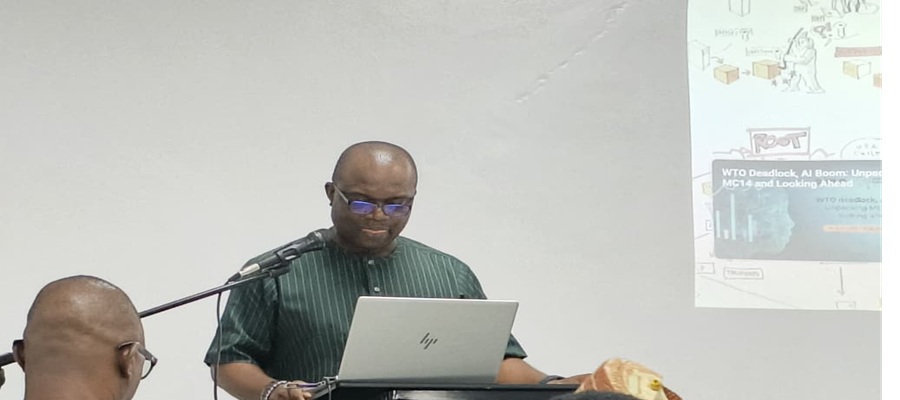
Adesola Akinsanya, President of the Nigeria Internet Registration Association, has called on the media to lead a nationwide campaign for the urgent adoption of the .ng domain to strengthen Nigeria’s digital identity.

Adesola Akinsanya, President of the Nigeria Internet Registration Association (NiRA)
Akinsanya made the call during the .ng Media Advocacy and Capacity Building Initiative held on Thursday at the association’s secretariat in Lagos.
He said the media had a strategic role to play, not only in reporting developments but also in shaping national priorities and influencing public understanding of digital infrastructure.
“The media does not just report events; it sets the agenda. We need you to lead the campaign for the urgent adoption of .ng and help Nigerians understand why it matters,” he said.
Akinsanya emphasised that Nigeria’s digital identity must be deliberately constructed and protected, noting that domain names remain a critical component of national presence in the global digital ecosystem.
According to him, many Nigerian businesses and institutions continue to operate on foreign domains such as .com and .org, thereby placing their digital assets outside the country’s jurisdiction.
“Thousands of Nigerian organisations are effectively operating on rented digital land, where control, security, and governance are subject to foreign regulations,” he said.
He explained that the .ng domain, managed by NiRA under the global coordination of the Internet Corporation for Assigned Names and Numbers, represents an important layer of Nigeria’s digital infrastructure.
He described domain names as digital real estate that determine visibility, credibility, and economic value creation within the digital economy.
The NiRA president warned that reliance on foreign domains contributes to a trust deficit, economic leakage, and increased security vulnerabilities.
“In an era where users are increasingly concerned about authenticity, locally identifiable domains provide stronger assurance and alignment with national systems,” he said.
Akinsanya added that while technological improvements such as DNS Security Extensions are strengthening the .ng ecosystem, widespread adoption remains essential.
He noted that the initiative was designed to bridge the gap between technical complexity and public understanding, particularly in areas such as internet governance, cybersecurity, and domain infrastructure.
According to him, Nigeria’s competitiveness in the global digital economy will depend on the alignment of infrastructure, adoption, and narrative.
He reaffirmed NiRA’s commitment to strengthening digital infrastructure and promoting the use of the .ng domain, while calling for sustained collaboration with the media.
“The story of Nigeria’s internet is still being written. Whether it reflects dependence or sovereignty will depend on the narratives we promote,” he said.
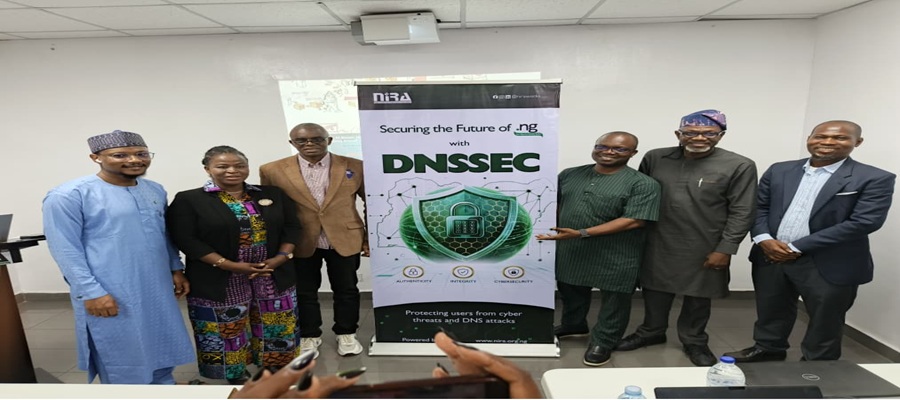
Nigeria has unveiled Domain Name System Security Extensions (DNSSEC) on its .ng domain, marking a major step toward strengthening national cybersecurity and enhancing trust in the country’s digital ecosystem.

NiRA
The deployment was carried out by the Nigeria Internet Registration Association, the body responsible for managing Nigeria’s country code top-level domain.
The development places Nigeria among countries adopting advanced technologies to secure their internet infrastructure and support a resilient digital economy.
DNSSEC is an internet security protocol designed to protect users from cyber threats such as redirection to fraudulent websites, by adding cryptographic verification to the domain name system.
Speaking at the unveiling, the President of NiRA, Adesola Akinsanya, described the deployment as a defining moment for Nigeria’s internet ecosystem.
“The successful deployment of DNSSEC on the .ng domain represents a major milestone. As more services move online, it is critical to ensure a secure and trusted digital environment for citizens, businesses, and government,” he said.
Akinsanya added that the initiative aligns with global best practices and underscores Nigeria’s commitment to building a secure and competitive digital economy.
He noted that strengthening trust in the .ng domain would create an enabling environment for innovation, investment, and growth in digital services.
According to him, a secure domain name system is fundamental to the development of the digital economy.
The NiRA president also urged organisations, particularly those operating critical services, to adopt DNSSEC as part of their cybersecurity frameworks.
The initiative is expected to benefit sectors such as financial services, telecommunications, e-commerce, and government platforms by offering enhanced protection against cyber threats including phishing and data interception.
Institutions regulated by bodies such as the Central Bank of Nigeria and the Nigerian Communications Commission are among those expected to gain from the improved security framework.
The deployment also aligns with Nigeria’s broader digital transformation agenda supported by agencies such as the National Information Technology Development Agency and the Office of the National Security Adviser.
The Chief Operating Officer of NiRA said the .ng domain had been fully signed and was currently in a monitoring phase to ensure stability and optimal performance.
He added that a phased rollout would allow accredited registrars and domain owners to adopt DNSSEC protection for their individual domains.
“This deployment is the result of extensive planning and collaboration. Our focus now is to ensure seamless adoption across the ecosystem,” he said.
NiRA called on businesses and organisations to leverage the new capability and embrace the .ng domain as a secure and trusted digital identity.
The association said it would continue to work with stakeholders to drive awareness, build capacity, and accelerate adoption nationwide.

MTN Suspends Data, Airtime Borrowing Service over New FCCPC Lending Rules

Nigeria Customs Deploys AI to Cover Revenue Leaks

Top 7 Reliable Virtual Cards for Running Ads in Nigeria

Nokia, Orange Partner on AI-native 6G Networks

NDPC Issues Critical Advisory as Hackers Target Nigeria’s Key Digital Systems

Kuda MFB Increases Kuda for Her Business Grants to ₦10 Million

Canal+ to Cut Jobs as Part Sweeping Restructuring

Nigeria tops global rankings for USDT, USDC ownership

NBC Boss Urges Content Ceators to Participate in DSO

NITDA Takes Over National Digital Architecture System




 General News3 days ago
Guinness Nigeria Surpasses ₦1Trillion Market Capitalisation, Signalling Strong Investor Confidence and Sustained Value Creation

 News3 days ago
CISA Asks NDPC, Police to Act on Alleged Data Breach by NIPSS

 Telecom3 days ago
Amazon Satellite to Challenge Starlink in Africa with Globalstar Acquisition

 E-Financial3 days ago
FG Investigates ‘Sharp Sharp’ Loan Operators over Alleged Privacy Violations

 News2 days ago
Lagos Targets Vulnerable Residents in Expanded Social Register

 News3 days ago
Kaspersky Reports Online Scam Exposure Remains Widespread Despite High Levels of Self-assurance

 Broadcasting3 days ago
Fela Makes History as First African to be Inducted into Rock and Roll Hall of Fame

 News3 days ago
Tinubu Tasks NRS to Restore Public Trust Amid Fiscal Changes