

General News
Over 250,000 Cyberattacks Disguised as Anime – Report


From Naruto to Attack on Titan, cybercriminals are increasingly using anime and other Gen Z favourites as bait. In a new report covering Q2 2024 – Q1 2025, Kaspersky has found over 250,000 cyberattacks disguised as popular anime among other shows and streaming platforms favoured by a younger audience.

To help Gen Z recognise these and other cyber risks, Kaspersky is launching “Case 404” — an interactive cybersecurity game, teaching how to protect their digital lives.
For many members of Generation Z, streaming is more than a pastime, it’s a way of life that provides connection to the characters, worlds and fandoms that define their identity.
From anime to nostalgia-fueled movie marathons, Gen Z’s connection to on-screen worlds runs deep. This unique attachment creates a security paradox: the more emotionally invested the viewer, the easier it is to trick them, and Gen Z’s enthusiasm is proving dangerously exploitable.
This is extremely evident in anime culture. Over 65% of Gen Z regularly watch anime, making them the most anime-engaged generation in history. For our analysis, Kaspersky’s experts selected five popular anime titles among Gen Z: Naruto, One Piece, Demon Slayer, Attack on Titan and Jujutsu Kaisen.
Kaspersky found 251,931 attempts to deliver malware or unwanted files disguised under the names of these anime titles. Cybercriminals are tapping into the trust and affection Gen Z has for these series, often using bait like “exclusive episodes”, “leaked scenes”, or “premium access”.
Among anime titles, Naruto took the top spot, despite first airing more than two decades ago. Over the reported period, it was used as bait in 114,216 attempted attacks. Demon Slayer followed with 44,200 attack attempts.
Its meteoric rise in recent years, amplified by viral moments and a growing global fanbase, made it a natural target for cybercriminals looking to ride the wave of hype. Meanwhile, Attack on Titan — a long-standing favourite — ranked third with 39,433 detected attempts to distribute malicious content.
Apart from anime, Kaspersky also analysed five iconic films and series that continue to resonate with Gen Z: Shrek, Stranger Things, Twilight, Inside Out 2, and Deadpool & Wolverine.
These films and shows alone accounted for 43,302 attack attempts with a pronounced spike in attention to these titles from cybercriminals at the beginning of 2025. This is primarily connected to the rise of attacks on Shrek, with over 36,000 attempts in total and a sharp spike in March 2025, double the monthly average for 2024.
Platforms like Netflix, Amazon Prime Video, Disney+, Apple TV Plus and HBO Max have reshaped movies, series, and anime watching into an immersive, on-demand experience that caters to Gen Z’s love of personalised content and global storytelling. However, this has also created fertile ground for cybercriminals.
Kaspersky detected 96,288 attempts to distribute malicious or unwanted files disguised as the names of these major streaming platforms. Unlike seasonal trends, streaming platforms offer a continuous flow of content, from highly anticipated premieres to hidden gems that viewers discover months or even years after release.
When examining which streaming services were most frequently used by cybercriminals, Netflix stood out by far, involved in 85,679 attack attempts and associated with over 2.8 million phishing pages imitating its branding.
Cybercriminals take advantage of the constant traffic, broad global reach, and frequent subscription-based activity. They mimic login pages, share “free trial” links, or spoof password reset emails with full knowledge of how central Netflix is to Gen Z’s digital routine.
As Gen Z’s daily life becomes inseparable from streaming platforms, fandom spaces, and social media communities, cyberthreats evolve to mirror their interests. To meet this challenge, Kaspersky has launched an interactive online game, “Case 404”, designed specifically for Gen Z. “Case 404” invites players to become cyber-detectives and solve immersive cybercrime cases.
Through this digital adventure, Kaspersky is not just highlighting risks but empowering Gen Z to develop their mindset and skillset to stay safe in an increasingly vulnerable online world. As a reward for completing the game, participants receive a discount on Kaspersky Premium, giving them trusted tools they need to navigate the digital world safely.
“As the world of entertainment continues to evolve, so do the tactics used by cybercriminals to exploit popular content, whether through fake downloads or fraudulent merchandise offers.
“From beloved anime like Naruto and Demon Slayer to the latest blockbusters like Inside Out 2, scammers have found new ways to take advantage of Gen Z’s affinity for digital culture and streaming platforms. With the rise of these cyberthreats, it’s more important than ever for young users to stay vigilant and understand how to protect themselves online,” comments Vasily Kolesnikov, security expert at Kaspersky.



African Development Bank Group (AfDB) has approved a €6.5 million investment in the Saviu II venture capital fund to boost technology start-ups across Francophone West and Central Africa.

The Bank Group will contribute €4.5 million as equity investment and an additional €2 million as a first-loss hedging tranche on behalf of the European Commission under the Boost Africa Programme.
The investment is expected to strengthen early-stage financing for innovative businesses with strong technological and digital components, particularly in French-speaking countries.
Saviu II, the second investment vehicle managed by Saviu Partners, plans to invest between €500,000 and €3 million in about 20 seed-stage or early institutional fundraising start-ups. The fund will primarily target B2B technology-oriented companies with scalable models.
At least 60 per cent of the fund’s commitments will focus on French-speaking countries in West and Central Africa, including Côte d’Ivoire, Cameroon, Benin, Senegal, Togo, Burkina Faso and Mali.
The fund may also co-invest in promising East African technology firms seeking expansion into Francophone markets.
In addition, Saviu II will dedicate a special funding envelope for pre-seed investments, mainly through minority equity stakes, often in collaboration with incubators, venture studios and other ecosystem partners.
Industry observers say the AfDB’s backing is expected to de-risk early-stage investment and crowd in more private capital into Africa’s growing digital economy.
Saviu Partners previously launched Saviu I in 2018 with a capitalization of €10 million.
The first fund invested in 12 start-ups, mainly based in French-speaking West Africa, offering not just funding but hands-on support in business development, recruitment, international expansion and fundraising.

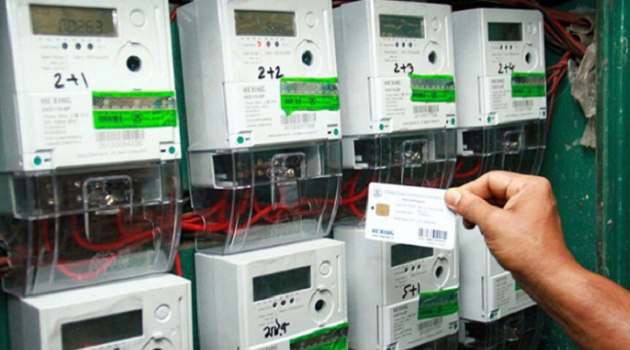
Nigerian Electricity Regulatory Commission (NERC) has ruled in favor of electricity consumers, directing distribution companies (DisCos) to refund ₦20.33 billion in outstanding costs for meters bought under the Meter Asset Provider (MAP) framework.

NERC
Signed on February 27, 2026, by Musiliu Oseni, chairman,NERC and Dafe Akpeneye, commissioner Order No. NERC/2026/025 amends a 2023 directive.
It requires DisCos to disburse the funds via energy credits over 12 months starting March 1, 2026, addressing years of slow refunds.
As of December 31, 2025, DisCos owed this amount due to delays in reimbursing prepaid customers who funded their own meters.
DisCos must automate credits for the full MAP meter cost upon activation, disbursed monthly over 120 months based on the customer’s tariff—credits cannot offset legacy debts.
Prepaid customers will receive a monthly token by the 4th day equivalent to the reimbursement value; for arrears, they’ll get two tokens per month.
Postpaid customers will see a distinct credit line on bills subtracted from totals, with two line items monthly for arrears.
NERC mandates monthly reports on reimbursement values using an approved template, plus dedicated email channels for complaints with resolution status included.
The order aims to end delays, improve notifications, and boost sector trust. DisCos must accelerate arrears recovery over 12 months without further excuses.
This follows NERC’s February 2026 compliance review, amid ongoing power sector challenges highlighted by Power Minister Adebayo Adelabu.
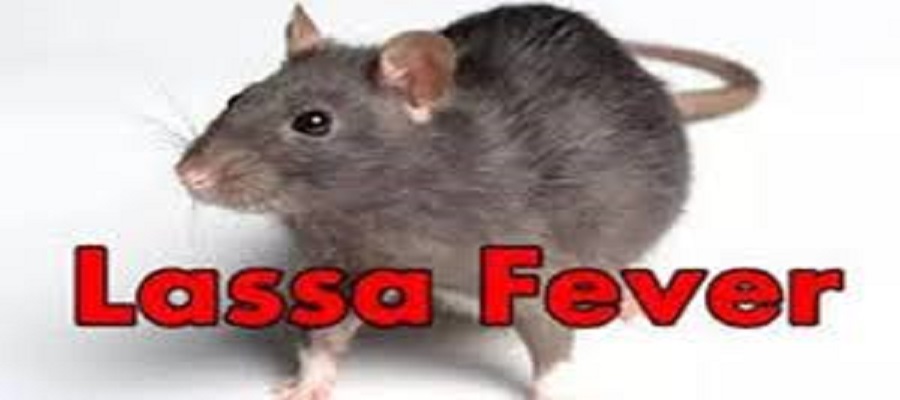
Nigeria Centre for Disease Control and Prevention (NCDC) has raised alarm over ravage of Lassa fever cases across 18 states and 67 Local Government Areas (LGAs) of the country.

Dr Jide Idris, director-general of NCDC, in statement yesterday, said that Bauchi, Ondo, Taraba, Edo and Benue accounted for more than 80 per cent of confirmed cases recorded during the 2026 peak transmission season.
Idris, described as particularly worrisome the growing infections among healthcare workers, with 28 confirmed cases and three deaths reported so far this season.
NCDC attributed the sustained transmission and rising fatalities to operational gaps at the state level, urging urgent action to strengthen outbreak response and control measures.
According to Idris, field investigations showed most transmissions were occurring in known endemic areas, but weak implementation of established response frameworks had contributed to the continued spread and higher case fatality rate.
He said that gaps identified include infections in general outpatient and maternity settings, poor adherence to Infection Prevention and Control (IPC) protocols, and inadequate pre-positioning of Personal Protective Equipment (PPE).
He added that delayed patient presentation due to financial barriers, inconsistent activation of State Incident Management Systems, weak contact tracing, persistent stigma and poor isolation centre standards were also driving transmission.
Idris emphasised that outbreak response implementation and health service delivery fell primarily under state governments within Nigeria’s federal structure, urging them to strengthen accountability and resource allocation.
He called on affected and high-risk states to urgently activate and closely monitor their Incident Management Systems, ensuring timely coordination and efficient outbreak response at all levels of healthcare delivery.
He also urged the immediate release of response funds, strict enforcement of Infection Prevention and Control (IPC) compliance in public and private health facilities, and continuous availability of PPE and other critical supplies.
The NCDC boss also advocated accelerated financial protection mechanisms to reduce late presentation and high fatality rates, alongside institutionalised rodent control and environmental sanitation measures under a One Health approach.
He advised healthcare workers to maintain a high index of suspicion and adhere strictly to IPC guidelines.
He also urged the public to keep environments clean, prevent rodent entry into homes, store food safely and seek early medical care when symptoms appeared.
Idris noted that Lassa fever was treatable, with improved outcomes when detected early, adding that Nigeria was also responding to other epidemic-prone diseases including Cerebrospinal Meningitis, Diphtheria, Mpox and Cholera.
He reiterated NCDC’s toll-free emergency line, 6232, for reporting suspected cases and obtaining further information

NAICOM Signs MoU with BPP to Deepen Insurance Compliance in Public Procurement

FG Approves GIS-enabled Digital Postcode to Tackle Logistics Gaps, Boost E-commerce

Firm Enhances its Security Awareness Platform with SCORM and PDF Support

AfDB Approves €6.5m for Tech Startups

GSMA, African Operators, Others to Launch Low-cost 4G Devices

Dr. Cairo Ojougboh Foundation Bolsters Nigeria’s Education Drive with ₦2.7m Student Support
Kaspersky Brings more Transparency to Threat Detection with New Hunt Hub

NDPC Commits to Balancing Data Privacy, Protection Information

OADC Lagos Reinforces Commitment to Local Data Hosting and Digital Transformation @ NDPC’s National Privacy Week Summit

PwC Reveals AI Scaling Gap Slows Africa’s Digital Transformation




 Telecom2 days ago
Sunil Bharti Mittal Conferred GSMA Lifetime Achievement Award for Transforming Global Telecommunications

 Telecom2 days ago
Why Digital Trust Matters: Secure, Responsible AI for African SMEs?

 General News2 days ago
Krishnan Exits Africa Data Centre to Embark on Professional Chapter

 E-Business2 days ago
Jumia Tech Week 2026 Begins with Tech Deals on Smartphones, Electronics, and Everyday Technology

 E-Financial1 day ago
NRS Targets N40trillion in Tax, Royalty Revenue in 2026

 Broadcasting2 days ago
NCAA Orders Overland Airways to Refund VAT Charged on 2025 Tickets

 Telecom2 days ago
House Probes Fintech Regulation via Public Hearing on New Commission Bill

 E-Financial1 day ago
SEC Revokes Registration of Kensington Agro Trading Limited