

Broadcasting
The Integration of Artificial Intelligence in Cybersecurity: Shaping the Future of Threat Detection and Response

By Ebuka Francis Onuchukwu
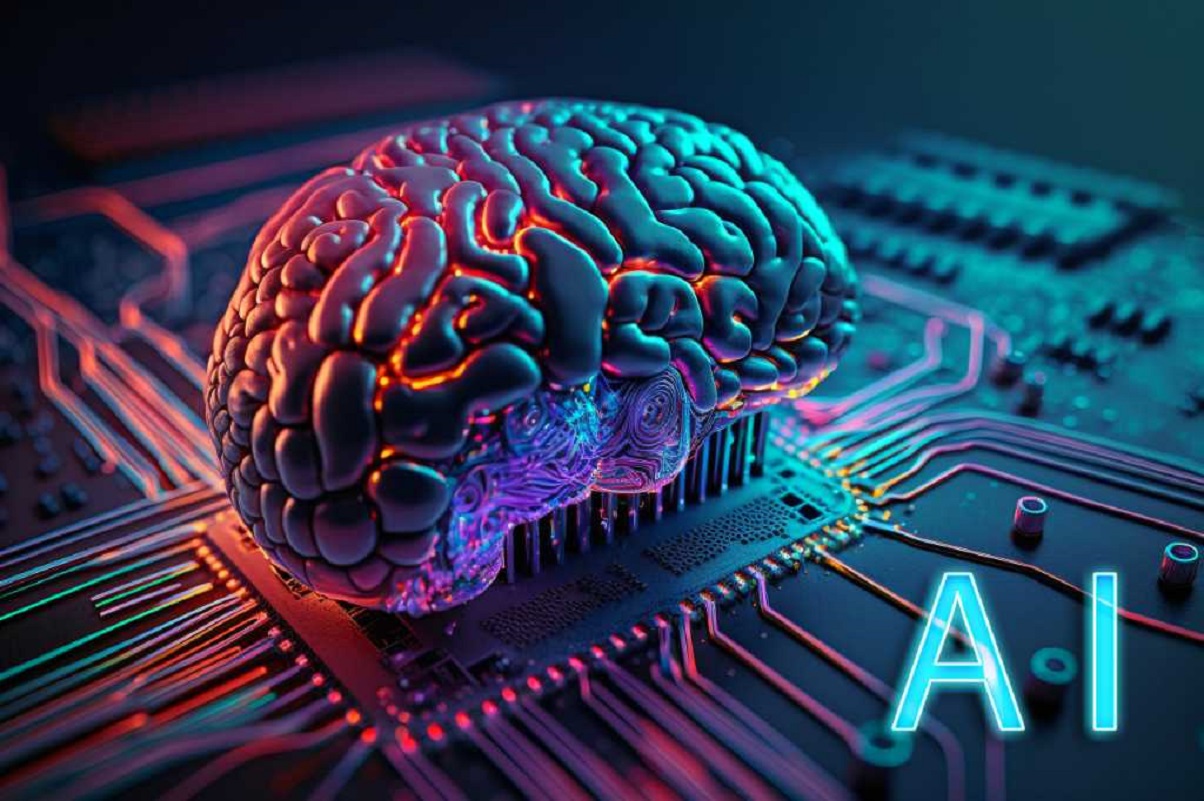
In an increasingly digital world, where data is the new currency, the complexity of cyber threats continues to evolve at an alarming pace. As organizations race to protect sensitive information and infrastructure, traditional methods of cybersecurity, while essential, are no longer enough. The next frontier in the fight against cybercrime is the integration of Artificial Intelligence (AI) into cybersecurity frameworks, promising to reshape the landscape of threat detection, prevention, and response.

As we stand at the intersection of technology and security, AI has emerged as a crucial ally, offering organizations unparalleled abilities to predict, detect, and respond to threats in real-time. This article explores the role AI is playing in advancing cybersecurity and outlines its potential to revolutionize the way we secure digital ecosystems.
AI: A Game-Changer in Cybersecurity
Artificial Intelligence has shifted from being a futuristic concept to an indispensable tool for various industries, and cybersecurity is no exception. With the volume of cyber threats increasing exponentially, AI’s ability to process and analyze vast amounts of data at incredible speeds is helping security teams stay one step ahead of cybercriminals.

Traditional cybersecurity measures, such as firewalls and antivirus software, rely heavily on known signatures and predefined rules to identify threats. However, in today’s dynamic landscape, attackers are deploying increasingly sophisticated techniques, often bypassing these defenses. AI, by contrast, employs machine learning algorithms to learn from new data continuously. This enables AI systems to identify anomalies and detect previously unknown threats, improving the overall resilience of a cybersecurity framework.
AI-Powered Threat Detection
One of the most significant contributions of AI in cybersecurity is in the realm of threat detection. Traditional systems can take hours—or even days—to identify and respond to a breach. AI, however, works in real-time. By analysing data patterns, network traffic, and user behaviour, AI can flag irregular activities almost instantly. This capability is particularly critical when dealing with zero-day attacks, where new vulnerabilities are exploited by attackers before a patch or solution is available.
Advanced AI models like deep learning and neural networks are increasingly being used to analyse vast sets of unstructured data, such as emails, system logs, and network traffic, to detect potential threats. AI-driven tools can identify unusual behaviour, such as unauthorized access or changes in patterns, and trigger alarms for further investigation. These systems also adapt over time, learning to distinguish between legitimate actions and malicious activities more accurately.
Predictive Analytics: Anticipating Cyber Threats
AI is not just reactive—it is predictive. Through predictive analytics, AI systems can anticipate future attacks based on historical data and trends. By monitoring threat actors’ behaviour and mapping attack vectors, AI algorithms can identify patterns that signal the likelihood of a breach or attack. This empowers organizations to be proactive in their defenses, mitigating potential risks before they escalate into full-blown incidents.
Incorporating AI in cyber threat intelligence (CTI) platforms allows organizations to leverage real-time data feeds and apply machine learning to anticipate and prioritize threats. These systems can correlate past events with current indicators of compromise (IoCs), enabling security teams to focus on the most significant risks rather than being overwhelmed by false positives or low-risk anomalies.
Automated Response: AI and Incident Management
Another major advantage of integrating AI into cybersecurity is the automation of incident response. With cyberattacks happening in real time, human response teams may struggle to mitigate the threat fast enough. AI, equipped with automated response capabilities, can step in to neutralize attacks as they unfold.
For instance, Security Orchestration, Automation, and Response (SOAR) platforms powered by AI can automatically block malicious IP addresses, isolate compromised endpoints, or even revert infected systems to their pre-attack state. This ability to respond within milliseconds can be the difference between a minor breach and a full-scale attack.
Additionally, AI can manage repetitive tasks, such as reviewing logs, monitoring systems, and flagging potential threats, freeing up human analysts to focus on more complex and strategic aspects of cybersecurity. As AI continues to evolve, we may see it take over even more sophisticated incident management tasks, accelerating the time to detect and respond.
nhancing Cybersecurity with AI-Powered User Behaviour Analytics (UBA)
User Behavior Analytics (UBA) is another area where AI is making significant inroads. By analysing how users typically interact with a system, AI can identify deviations from the norm that may signal a security threat, such as an insider attack or compromised credentials.
For example, if an employee’s credentials are used to access sensitive data at an unusual time or from an unexpected location, AI algorithms can automatically flag this behaviour as suspicious. This proactive approach helps identify insider threats, which are notoriously difficult to detect using conventional methods.
Challenges and Ethical Considerations
While AI brings tremendous benefits to cybersecurity, it is not without challenges. AI-powered attacks are becoming more prevalent, with cybercriminals also leveraging AI to create more sophisticated attacks, such as AI-generated phishing emails that are nearly indistinguishable from legitimate ones. As security teams integrate AI into their defenses, adversaries are not far behind in using the same technologies to their advantage.
Moreover, ethical considerations must be addressed, particularly regarding privacy. As AI systems analyse vast amounts of data, organizations must ensure that privacy regulations, such as GDPR, are adhered to, and that data is handled transparently and securely.
The Future of AI in Cybersecurity
The integration of AI in cybersecurity is still in its early stages, but its potential is vast. In the coming years, we will likely see more sophisticated AI systems that can autonomously manage entire cybersecurity ecosystems. These systems will not only detect and prevent cyberattacks but also predict and neutralize threats before they occur, bringing us closer to autonomous cybersecurity.
Furthermore, as AI continues to evolve, its integration with blockchain technology, quantum computing, and edge computing could further enhance its capabilities, providing more secure environments for businesses and consumers alike.
Conclusion
The integration of AI into cybersecurity represents a significant technological advancement, offering organizations the tools they need to stay ahead of ever-evolving cyber threats. With AI, security teams can process massive amounts of data, detect emerging threats in real-time, and respond to incidents more effectively than ever before.
As we move into a more connected and digital future, the collaboration between AI and cybersecurity will be pivotal in shaping the defense mechanisms of tomorrow. Embracing AI not only enhances our current security posture but also sets the foundation for a more resilient digital infrastructure that can defend against the complex threats of the future.
Author:
Ebuka Francis Onuchukwu is a renowned cybersecurity, digital forensics and IT infrastructure expert recognized with multiple prestigious awards and honours across Nigeria, Ghana, Cotonou, Mali, Sierra Leone, and other African nations. Known for his ground-breaking federal government projects that have revolutionized the technology industry in Nigeria, mentorship, published articles and webinars. Ebuka is currently pursuing his Master’s in Cybersecurity and Digital Forensics in United Kingdom. His influence in advancing the tech space continues to inspire innovation across Africa.



David Adedeji Adeleke, known professionally as Davido, has shared his past suicidal thoughts as he dropped Oriadé, his sixth studio album yesterday.

Davido
Davido said he chose the date on purpose as it marks exactly 15 years since he began his professional music career.
Oriadé is a Yoruba word combining “Ori,” meaning destiny, and “Adé,” meaning crown.
It translates to “the crowned head.” The album has 13 tracks and features Black Sherif, Aya Nakamura, Leon Thomas, Mayorkun, and Llona.
It follows his 2025 project, 5ive, which reached number two on the Billboard World Albums chart.
Davido also announced an international tour to support the new record.
In the days leading up to the release, Davido gave interviews that revealed personal details about his past and his current life.
Speaking to Vibe Magazine on Thursday, he described a 2014 incident in Ghana that left him feeling suicidal.
He said he invited a woman back to his hotel room after a show, and she later posted a photo of him sleeping online.
He said the fallout overwhelmed him.
“My daddy was calling me. My sisters were calling me. If I saw the balcony that day, I would have jumped,” he said.
He said he was young at the time and did not fully understand the consequences of his actions.
He described the experience as a turning point that changed how he thinks about privacy and fame.
In the same interview, he explained why he often dresses down in public despite his wealth.
He recalled a trip to the South of France where he went out in shorts and slippers without his watch.
“I’ve been on jets, I’ve been flying, I’ve been in all these places since I was a baby. I’ve been seeing money since I was a baby. So all these things don’t really excite me,” he said.
He added that he sometimes prefers to drive a Toyota to the supermarket in Atlanta instead of one of his luxury cars.
In a separate livestream with Davrel, Davido spoke about how his life has changed since marrying his wife, Chioma, and becoming a father.
He said his home no longer holds the large crowds it once did.
“I can no longer have 100 people in my house like before,” he said.
He said he speaks to Chioma every day regardless of his schedule.
He also disclosed that he spends between $200,000 and $300,000 a month on himself, not including costs for his wife, children, jewelry and cars.
He said the amount is lower when he is in the United States, where he described his lifestyle as quieter.

Africa Prudential Plc has reaffirmed its commitment to digital transformation, revenue diversification and sustainable growth after reporting a strong financial performance for the first half of 2026.

Dr Catherine Nwosu
The company made this known during its H1 2026 Investor Call, which brought together institutional investors, shareholders, investment analysts, regulators and other stakeholders to review its financial performance and strategic outlook.
Dr Catherine Nwosu, managing director and Chief Executive Officer of Africa Prudential, said the company’s performance reflected the resilience of its business model and the effectiveness of its long-term growth strategy despite prevailing macroeconomic challenges.
According to the company’s financial results, gross earnings rose by 27 per cent year-on-year to N4.28 billion, from N3.34 billion recorded in the corresponding period of 2025.
Profit before tax increased by 22 per cent to N2.41 billion, while profit after tax grew by 18 per cent to N1.59 billion.
The company also reported a 27 per cent rise in net operating income to N4.21 billion, while total assets increased by 13 per cent to N46.53 billion.
Shareholders’ funds equally rose by 13 per cent to N12.52 billion, reflecting continued financial strength.
Management attributed the performance to sustained growth in its core registrar business, increased corporate action activities in the Nigerian capital market, improved treasury earnings and rising adoption of its technology-driven solutions.
The company said it was steadily transforming from a traditional share registrar into a broader technology and business solutions provider serving Nigeria’s capital market ecosystem.
During the interactive session, investors sought clarification on the sustainability of earnings, particularly as interest rates are expected to moderate.
Responding, Nwosu said the company was deliberately expanding its recurring fee-based revenue streams to reduce dependence on treasury income.
“Interest rates influence our treasury income positively, but that is why we are deliberately diversifying our revenue streams.
“Our strategy is to grow recurring fee-based business lines such as our digital solutions, Know Your Customer (KYC) services, Annual General Meeting (AGM) technology, probate services and the SabiVest mobile app.
“Over time, this will reduce our reliance on interest income and create a more balanced and resilient earnings mix,” she said.
Nwosu noted that increasing capital market activities had created stronger demand for seamless digital investor experiences, improved operational efficiency and enhanced compliance solutions.
She said the company would continue investing in technology-enabled products capable of delivering long-term value to shareholders while strengthening its competitive position.
According to her, Africa Prudential has identified five strategic priorities for the second half of 2026.
The priorities include driving sustainable growth across its core registrar and emerging business lines, accelerating technology-led product innovation, strengthening brand leadership, investing in talent development and deepening corporate governance.
She said the investor engagement demonstrated the company’s commitment to transparency, accountability and regular engagement with shareholders and the investment community.
Africa Prudential reaffirmed its commitment to leveraging innovation, operational excellence and sound financial management to sustain growth and strengthen its leadership position in Nigeria’s capital market.


Gugu Gumede and S’Dumo Mtshali, the power couple in Netflix’s telenovela, The Polygamist, will be guest on this week’s edition of African Voices, which is sponsored by Globacom on Cable News Network (CNN).

The 22-episode sitcom focuses on the misadventures of an adulterous spouse who unknowingly entangles his family in the difficulties of polygamy.
The film depicts a series of intrigues, betrayals, and other events that shattered the harmony of a once-perfect marriage.
The fictional couple in Johannesburg are interviewed by the programme’s anchor, Larry Madowo, for a 30-minute show in which they discuss their personal experiences and the difficulties they have in the film industry, such as coping with popularity and typecasting and advocating for more actor protections.
Gumede, a 34-year-old South African who attended the American Academy of Dramatic Arts in Los Angeles to study acting, portrayed Joyce Gomora in the telenovela.
In addition to her part in The Polygamist, Gumede has portrayed Mamlambo, a prophetess on “Uzalo”, the most watched television program in South Africa, and Mandisa in “Generations”, one of the country’s most popular series.
Mtshali, a 43-year-old South African actor who portrayed Jonasi Gomora, gained notoriety in 2010 after competing in and winning the SABC1 reality program, “Class Act”. In the same year, he landed his first major part in the drama series “Intersexions” on SABC1.
Among other films, he has starred in “Inside Story” (2011), “Avenged” (2013), “iNumber Number: Jozi Gold” (2023), “Back of the Moon”, and “The Four of Us” (2025).
This special double-cast episode will feature on DSTV channel 401 on Saturday at 8a.m. It will be repeated same day at 11a.m., Sunday at 3.30a.m.,6p.m., Monday at 3a.m. and 5.45p.m. as well as on Tuesday,5.45p.m.
The repeats continue next week Saturday at 7.30a.m., 11a.m.;Sunday 3.30a.m., 6p.m.,and on Monday at 3a.m.

Police Uncover Fake Diplomatic Number Plate Syndicate in Abuja

Davido Shares Past Suicidal Thoughts, Drops Oriadé Album

Gavi Okays $500m for Vaccines, PHCs in Nigeria

82% of Organizations Concerned about AI Risks Even as Adoption Accelerates – Survey Reveals

The Journey to Financial Freedom: Priscilla, a PalmPay Agent Now Owns a Store

NRC, Ponzi Scheme Collapses Resulting Loss of Billions of Naira

EFCC Busts NIS Visa Overstay Racket, Uncovers N700m in an Account

From Scarcity to Scale: What Africa Can Learn from India’s Agricultural Transformation

Tokenization, Blockchain Technology will Transform Financial Institutions – IMF

BON Establishes Six Ad Hoc Committees to Modernize Broadcasting




 Telecom2 days ago
Clydestone Ghana Sues MTN Over Mobile Money

 News2 days ago
IHS Nigeria Donates Business-Support Equipment to Empower People with Disabilities in Abuja Community

 News2 days ago
Africa Prudential Unveils Digital Growth Strategy

 E-Business2 days ago
Kaspersky Uncovers New Mirage Kitten Malware Used in Cyber-espionage Campaign Across Africa, Others

 E-Financial2 days ago
CBN Fines Banks N430m for Ignoring Customers’ Complaints

 E-Financial2 days ago
Afreximbank Raises $1.5b in Largest-ever Bond Issuance

 E-Financial2 days ago
SEC Begins Full e-Registration for Capital Market Operators

 E-Financial2 days ago
Elon Musk Launches Invite-only X Money with Visa Debit Card