

Telecom
Tips on Robotics & Smart Systems Network Design for Space Crews and Robots


By Andrew Aroh
Crew cooperation will always be vital in any manned space exploration mission even if some of those crewmember are not human.
With a current mandate to return human explorers to the Moon, push on to Mars, NASA researchers are developing better robots who will work alongside humans on future missions.

If we are able to really focus on robot perception and manipulation we can have robots manipulation. We can have robots build habitats on the Moon.
The goal of using robots in Conjunction with human astronauts on lunar and planetary missions is to freeup the living members of the crew for exploration and science.

For example, once, two astronauts aboard the International Space Station spent the bulk of their time just maintaining the orbital facility. Thus, humans, could end up spending a massive amount of time just dealing with upkeep. We can’t afford to do that because that would mean needing more humans to be there, eating food, breathing air, etc.
- At Ames Research Center, Scientists and Engineers have constructed an indoor laboratory designed to mock a manned Moon or Mars base, with an inner control room looking out over simulated lunar surface where humans and robots will cooperate to build structures, test equipment and use digging tools. Researchers will use the site to test their systems with NASA’s wheeled Humanoid-Link automation Robonaut and other robots.
The test will lead to space flying assistants capable of taking instruction from human astronauts, responding in a human-Link manner or even offering suggestions and asking for help when needed.
- Streamlining Communications between humans and robots is a first step towards building a better space team. Human beings use very colloquial language.
However, robots are not first-class citizens and they won’t necessarily understand every word.
- Researchers are focusing on enhancing Robot Spatial reasoning skills to ease routine tasks such as handling tools and equipment and allow automations to understand hand signals and gesture on their own during communications with human astronauts. The goal is to develop smoother human robot cooperation.
- Note that Ames researchers have developed intelligent computer software called mobile agents to work as data management bridge between human astronauts, rover and base computer during planetside extravehicular activity.
What we do is give the (robotic-assist) another computer running the agent system. It brings the robot into the voice network and it can speak to astronauts.
- INSTILLING ROBOTIC INSTINTS:
- One of the major challenges facing robot – human cooperation is safety. When you have robots and humans working side-by-side, there have to be safeguards. It’s not just a piece of software anymore.
- A spacesuit-clad astronauts working in the vacuum of space or on the lunar surface is already in a potentially dangerous situation, and in addition of a robot working in close quarters could prove disastrous, if the automation is not equipped with measures to prevent injury or accidental damage. The robot should never endanger the human being.
- Lunar and Mars robots also must be able to Multitask, not only to adapt to their surroundings, but also to increase utility.
- We need robots that can be team players and switch to different role as needed.
- You want robots that can see an object once and recognize it in the future, robots that dig through regolith, and robots that can create oxygen on the moon.
- CONDITIONING HUMANS FOR ROBOTS
- Changing how humans and robots interact does not solely depend on developing better machinery and ever-more sophisticated machinery. Humans will have to adjust too.
It will be a challenge for humans to work down specific robots level.
Humans tend to either decide that the robot is sort of perfect and can trust it, or the robot is unbearably stupid and should not be used.
- Built in responses to indicate confusion and understanding in a robot can act as audio cues for human operators to adjust their directions.
- Developing the proper metal models for human to use when addressing robot helpers can be reinforced through field tests.
- Tens of small field trials and up to four major simulations will likely be required to fully prepare robotic astronauts ready for a space mission.
- But the automations won’t fully supplant human explorers.
Explorers as scientists are always going to want to have situations where they want to scrap that rock, or hand-drill that sample. They will not always have to go to a robot to get the first-hand experience.
By Andrew Aroh is President of SSPI Nigeria



The 2026 FIFA World Cup, Africa Cup of Nations (AFCON), Iran-Israel conflict, and the controversy involving social media activist VeryDarkMan and businessman Blord dominated Google searches by Nigerians between January and July.

This is contained in a review of anonymised Google Trends data released on Friday, which ranked the major stories that generated the highest search interest in Nigeria during the period.
The World Cup recorded the highest search volume, with Nigerians following the Super Eagles’ campaign, major matches, entertainment performances and developments throughout the tournament.
The data showed that searches around the tournament far exceeded those recorded for other major events during the seven-month period.
The Super Eagles’ AFCON semi-final defeat to Morocco also generated significant search interest, with “Nigeria vs Morocco” among the leading individual searches.
Senegal eventually won the AFCON title after defeating Morocco in the final on Jan. 18.
The 2026 Winter Olympics in Milan-Cortina, Italy, also attracted substantial interest from Nigerians in February, including searches around ice hockey and other events.
Google Trends data further showed increased searches around Iran and the Strait of Hormuz following the escalation of tensions in the Middle East.
Searches including “Iran news,” “Israel Iran war” and “Strait of Hormuz meaning” featured prominently as Nigerians sought information on the conflict and its possible impact on global oil prices.
The Strait of Hormuz is a major global oil transit route, carrying about one-fifth of the world’s oil supply.
The controversy involving cryptocurrency entrepreneur Blord and social media activist VeryDarkMan also maintained strong search interest for several months.
The saga peaked around Blord’s arrest and subsequent remand in Kuje prison in April, followed by his release on bail 16 days later.
Searches for “Who is Blord” also featured prominently, indicating growing interest among Nigerians seeking background information on the businessman.
The death of celebrities also generated significant search activity during the period.
Afro-fuji singer Destiny Boy, who died in January at the age of 22, remained in the news amid investigations into his death and an autopsy.
The death of American actor Eric Dane, known for his roles in Grey’s Anatomy and Euphoria, also generated substantial searches in February.
Similarly, the reported death of Nollywood actor Alexx Ekubo in May, at the age of 40, generated renewed search interest in June during his burial ceremonies.
Political and legal developments were also among the major subjects searched by Nigerians.
Former Minister of Power, Saleh Mamman, who was sentenced to 75 years in prison over an alleged N33 billion fraud, generated significant interest following his arrest by the Economic and Financial Crimes Commission (EFCC) in Kaduna in May.
The political crisis involving Mudashiru Obasa and his return as Speaker of the Lagos State House of Assembly also featured prominently.
Globally, Nigerians showed strong interest in the release of millions of pages of documents relating to the late American financier Jeffrey Epstein.
Meanwhile, internet culture accounted for some of the lighter moments in the search rankings.
The Gen Z meme “67” became one of the most searched terms in January, generating curiosity among older Nigerians over its meaning.
The trend originated from a U.S. rap song and became popular among young people, with the phrase often used without a specific meaning.
In April, the case involving Opeyemi Awodoyin, an OPay customer who reportedly received N100,000 in error and declined to return the money, also attracted widespread online interest and public debate.
The reported hantavirus outbreak aboard a cruise ship further prompted Nigerians to search for information about the disease in May.
Celebrity-related stories also featured prominently in the rankings.
Veteran broadcaster Frank Edoho’s confirmation of his divorce and subsequent allegations involving his former wife generated considerable search interest in May.
In July, music promoter Sam Larry survived a road crash on the Lagos-Calabar Coastal Road which reportedly claimed the life of his bodyguard, leading to renewed online discussions around the late singer Mohbad.
In the entertainment sector, Wizkid and Asake’s “Jogodo” dominated searches around January, while Asake’s album generated renewed interest in May.
The 2026 Grammy Awards also attracted substantial search traffic, with Nigerians searching for winners and other developments from the ceremony.
Bad Bunny’s Super Bowl halftime performance also generated significant interest, while films including Mortal Kombat 2 and Christopher Nolan’s The Odyssey featured among popular entertainment searches.
Footballer Zadok Yohanna’s reported €28 million transfer to Brighton also attracted attention, particularly among Nigerian football followers.
Commenting on the findings, Taiwo Kola-Ogunlade, Communications and Public Affairs Manager, West Africa, Google, said search data provided an insight into issues commanding Nigerians’ attention.
“Search data is the most honest record of national attention we have, because nobody performs for a search bar,” he said.
According to him, Nigerians did not only consume major stories but actively searched for explanations and context surrounding them.
The rankings were based on peak monthly search interest in Nigeria between January and July 2026, with related queries grouped together.
The top 25 trending searches during the period included the FIFA World Cup 2026, 2026 Winter Olympics, AFCON Nigeria vs Morocco, Iran and the Strait of Hormuz, Blord, Alexx Ekubo, “67”, Destiny Boy, Erling Haaland and France’s World Cup campaign.
Others were the Grammy Awards 2026, Epstein files, hantavirus, Saleh Mamman, Obasa impeachment saga, Sam Larry, Shakira and Burna Boy’s World Cup performance, Zadok Yohanna, Eric Dane, Opeyemi Awodoyin, Bad Bunny’s Super Bowl halftime show, Frank Edoho, Mortal Kombat 2, The Odyssey and “Jogodo” by Wizkid featuring Asake.
Google Trends provides access to an anonymised sample of search requests made to Google and categorises the information to show collective search interest across regions and over time.
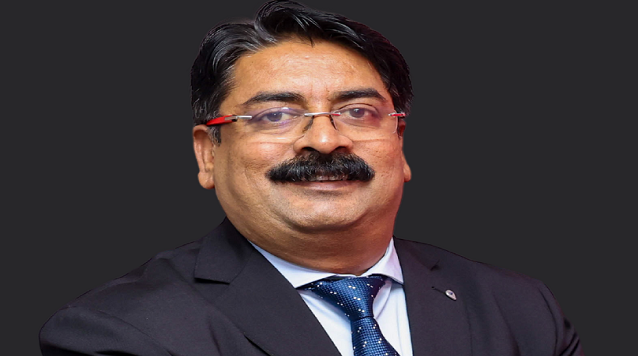
Airtel Nigeria is approaching the 18,000-cell-site mark as the telecommunications operator accelerates network deployment across the country, adding more than 1,000 new sites annually and extending high-speed mobile connectivity deeper into rural communities.

The expansion places Airtel as an operator making one of the largest sustained infrastructure commitments to Nigeria’s digital economy, with the company’s network now spanning all 774 Local Government Areas in the country.
More than 99 percent of Airtel Nigeria’s sites are 4G-enabled, with the company continuing to add new capacity and upgrade existing infrastructure as demand for mobile connectivity rises. Airtel Africa’s latest annual report said the Nigerian operation added more than 1,050 new sites during its 2025-26 financial year.
The pace represents a significant increase from the approximately 15,000 sites Airtel operated two years ago. By early 2026, the operator had crossed 17,000 sites, after adding about 2,000 sites in two years.
The current expansion has also taken the network further into locations that have historically been underserved by telecommunications infrastructure. These communities include Kukawa, Borno State; Okomu-Udo, Edo State; Chimbi, Niger State; Orile Ijaiye, Oyo State; Kopii, Benue State; and Aran-Orin, Kwara; among others.
Airtel has previously said a significant portion of its network investments is targeted at deep rural communities, small towns and the fringes of major cities. At a media roundtable in February, Chief Executive Officer, Dinesh Balsingh, said the company intended to maintain the large scale of network expansion during 2026.
“Everyone has the right to digital connectivity, including people in deep rural markets and small communities,” Balsingh said.
The impact of the growth extends beyond the ability to make calls or browse the internet. Wider network availability gives families more reliable access to one another, enables businesses to communicate with customers and suppliers, and supports access to digital banking, education, healthcare and government services.
For farmers in remote areas, mobile connectivity can provide access to current crop prices, weather information, market information and agricultural advisory services. For small businesses, reliable mobile data supports payments, customer acquisition, logistics and digital commerce. For communities, connectivity can improve access to health and social services and help residents participate more fully in the digital economy.
Airtel’s network strategy is also increasingly focused on improving the experience delivered through the infrastructure already in place. In 2025, the company upgraded capacity on about a quarter of its existing sites, deploying higher-capacity radios and moving portions of its backhaul from microwave to fibre.
The operator has also reported a continued addition of spectrum to strengthen its spectrum position. Since November 2025, it has added 20MHz spectrum, which is on track for full integration on all sites this quarter.
Balsingh said the company’s investment programme was designed to improve coverage, capacity and resilience, with the benefits ultimately reflected in the quality of service experienced by customers.
“We have invested with discipline and clarity to strengthen our network nationwide. Those investments are now translating into measurable improvements in performance, customer experience and reach, including in underserved communities,” he said.
Third-party measurements have also continued to provide evidence of changing network performance in Nigeria. Ookla’s Speedtest Global Index, for example, reported a median mobile download speed of 97.74 Mbps for Nigeria in June 2026.
For Airtel, the network expansion not only extends the geographical footprint; but also increases the speed, capacity and stability available to existing customers.
Director of Marketing, Ismail Adeshina, said the company’s network investments were ultimately aimed at making connectivity more useful in the everyday lives of Nigerians, as increasing numbers of consumers, families and businesses depend on mobile services for communication, commerce and access to essential services.
Airtel’s infrastructure programme is also contributing to the wider development of Nigeria’s digital economy.
“With mobile connectivity increasingly serving as the platform for financial services, commerce, education, healthcare, agriculture and enterprise, expanding the physical network effectively increases the number of Nigerians able to participate in those activities,” Adeshina said.
National Information Technology Development Agency (NITDA) is calling for a unified, cross-sector push to translate the framework of the Nigerian Startup Act (NSA) into practical benefits for local entrepreneurs and investors.

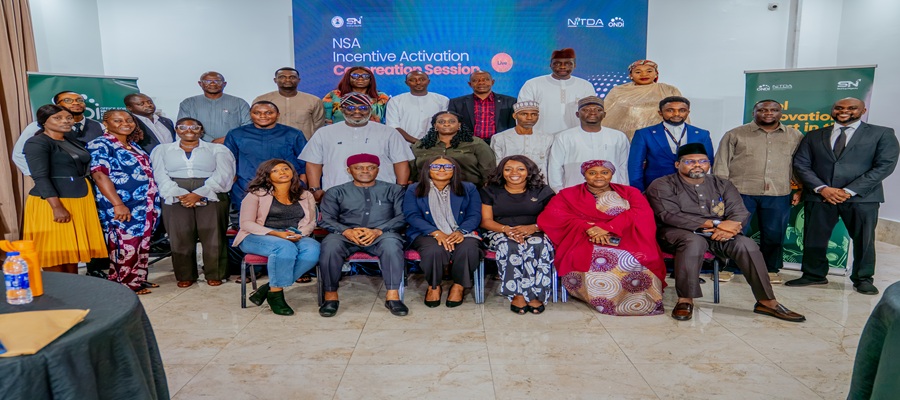
The Director-General of the National Information Technology Development Agency (NITDA), Kashifu Inuwa, CCIE, represented by the National Coordinator, Office for Nigerian Digital Innovation (ONDI), Ms Victoria Fabunmi, in a group photograph with participants from various Ministries, Departments and Agencies (MDAs) at the Nigerian Startup Act (NSA) Incentives Activation Co-Creation Workshop in Abuja.
Speaking at the NSA Incentives Activation Co-Creation Session in Abuja, organised by NITDA’s subsidiary, the Office for Nigerian Digital Innovation (ONDI), the NITDA boss stressed that while enacting the legislation was a historic milestone, its ultimate success will be measured by its tangible impact on everyday tech ventures.
Delivering remarks on behalf of NITDA Director-General Kashifu Inuwa, ONDI National Coordinator Victoria Fabunmi emphasised that Nigeria must now transition from policy design to operational delivery.
Inuwa noted that while early structural achievements such as setting up the Startup Consultative Forum and launching the digital startup portal have established vital channels for dialogue, the true test of the law lies in whether founders can easily access the relief and resources promised to them.
He said the establishment of the Startup Consultative Forum and its governance structures had created an important platform for sustained engagement among stakeholders, but stressed that the real test of the legislation would be its impact on businesses operating within the innovation ecosystem.
According to him, government agencies, private-sector actors and other ecosystem stakeholders must work collectively to remove institutional bottlenecks and ensure that startups can access the opportunities created by the Act.
Inuwa said the participating institutions possessed different mandates, resources and policy instruments that, if properly coordinated, could significantly improve the operating environment for Nigerian startups.
“We want to go to the next level. We want to be able to say that the actors in our ecosystem have been able to benefit significantly from the legislation that has been passed, and it wouldn’t happen without everyone sitting in this room,” he said.
He urged stakeholders to shift attention from the mere existence of the legislation to its practical implementation, particularly the activation of incentives designed to promote investment, innovation and enterprise growth.
The DG noted that the implementation of the NSA involved institutions across several sectors, including trade, finance, communications, innovation, digital economy, science and technology.
He said bringing these institutions together was necessary to identify gaps, clarify responsibilities and develop workable mechanisms for delivering the incentives to intended beneficiaries.
Inuwa also urged stakeholders to embrace continuous engagement and feedback, noting that the success of the Act would depend largely on the ability of implementing institutions to work together and respond to the evolving needs of the startup ecosystem.
He said recommendations from the session would contribute to ongoing efforts to strengthen the implementation framework and create an environment where Nigerian startups could scale, attract investment and compete effectively in global markets.
In a context-setting presentation, “Operationalising the Incentive Provisions of the Nigerian Startup Act,” Ms Elma Andah, Acting Lead, Strategy, Research and Analytics at ONDI, said the Act provides more than 31 incentives distributed across six major categories.
She identified the categories as tax and fiscal incentives, regulatory support, funding access, exports and trade, ecosystem enablers, and training and capacity building.
Andah explained that implementing the incentives required the participation of more than 15 government institutions, making inter-agency coordination central to the success of the legislation.
She said the Nigerian Startup Act, signed into law on October 19, 2022, was designed to promote innovation, improve access to funding, strengthen collaboration and position Nigeria as a leading technology and innovation-driven economy in Africa.
According to her, Nigeria’s startup ecosystem has continued to demonstrate significant potential, with more than 3,000 startups and several globally recognised technology companies.
She added that Nigerian startups attracted about $410 million in funding in 2024, despite the challenging economic environment.
Andah highlighted several areas of progress under the Act, including engagements with states on adoption, the operational startup support engagement portal, improved startup labelling timelines, the Startup Consultative governance framework, the Startup Investment Seed Fund framework and ongoing efforts to operationalise the regulatory sandbox framework.
She, however, stressed that the interconnected nature of the incentives meant that no single institution could deliver them independently.
“No single institution can deliver all these incentives alone. Implementation requires coordination across more than 15 MDAs,” she said.
Using practical examples, Andah explained that a startup seeking funding could simultaneously require tax incentives, while an enterprise seeking to export its products might need regulatory approvals. Investors seeking tax credits could also depend on access to the startup labelling system.
She consequently challenged participating institutions to clearly establish ownership of the incentives assigned to them, strengthen coordination, simplify access procedures and introduce effective monitoring and accountability mechanisms.
The session therefore provided stakeholders with an opportunity to identify implementation gaps and develop practical approaches for ensuring that the incentives contained in the Startup Act are accessible to startups, investors, innovation hubs and other beneficiaries.
The outcome, stakeholders noted, is expected to support a more coordinated implementation of the NSA and strengthen its contribution to Nigeria’s innovation, investment and economic development objectives.

SEC Clears Blockchain for Accelerated Regulatory Incubation Programme

Union Bank Secures Global Payment Data Security Certification

NLNG, NCDMB Boost Engineering Research with Innovation Centre

Organizations Face New Attacks via Unpatched TrueConf Videoconferencing Servers, Kaspersky Warns

Leadway Unveils Multi-generational Insurance Plan for Nigerian Families

EFCC Busts NIS Visa Overstay Racket, Uncovers N700m in an Account

Fact-Check: Elon Musk’s “Tesla Pi Phone” is Internet Rumor

NBC Tasks Broadcasting Stations over 2028 DSO Global Deadline

Glo Sponsored African Voices to Feature Netflix’s “The Polygamist” Stars

NBC, INEC, Plan Joint Broadcast Monitoring Framework ahead of 2027 Elections




 News2 days ago
NCAA to Introduce RFID Technology to Tackle Missing Luggages

 General News2 days ago
Nigeria Not Making Progress in Fiscal Transparency –US

 Telecom2 days ago
GSMA Industry Services Unveils Circularity Services to Help Operators Reduce E-Waste and Unlock Value

 Telecom2 days ago
MTN Nigeria Unveils Y’ello Street Museum to Mark 25 Years of Connectivity

 News2 days ago
Firm Urges MSMEs to Increase Digital Payments Adoption for Growth

 E-Financial2 days ago
SEC Directs Operators to Subscribe to NigSac Alerts, Freeze Terrorists-Linked Funds

 E-Financial2 days ago
AFC Raises $430m in Digital Bond to Deepens Digital Financial Infrastructure

 E-Business2 days ago
Cyber Resilience a Critical Priority for Manufacturing Amid Rapid Digitalization – Report Shows