

Broadcasting
The Integration of Artificial Intelligence in Cybersecurity: Shaping the Future of Threat Detection and Response

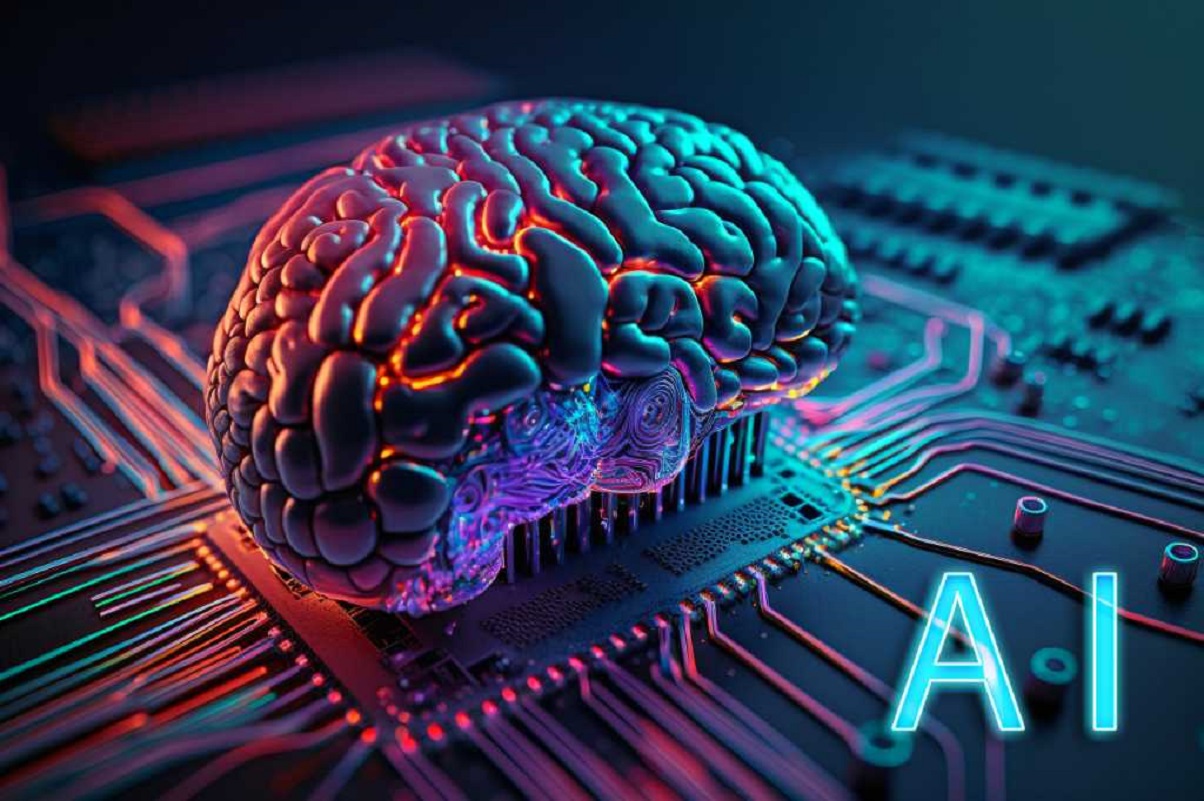
By Ebuka Francis Onuchukwu
In an increasingly digital world, where data is the new currency, the complexity of cyber threats continues to evolve at an alarming pace. As organizations race to protect sensitive information and infrastructure, traditional methods of cybersecurity, while essential, are no longer enough. The next frontier in the fight against cybercrime is the integration of Artificial Intelligence (AI) into cybersecurity frameworks, promising to reshape the landscape of threat detection, prevention, and response.

As we stand at the intersection of technology and security, AI has emerged as a crucial ally, offering organizations unparalleled abilities to predict, detect, and respond to threats in real-time. This article explores the role AI is playing in advancing cybersecurity and outlines its potential to revolutionize the way we secure digital ecosystems.
AI: A Game-Changer in Cybersecurity
Artificial Intelligence has shifted from being a futuristic concept to an indispensable tool for various industries, and cybersecurity is no exception. With the volume of cyber threats increasing exponentially, AI’s ability to process and analyze vast amounts of data at incredible speeds is helping security teams stay one step ahead of cybercriminals.
Traditional cybersecurity measures, such as firewalls and antivirus software, rely heavily on known signatures and predefined rules to identify threats. However, in today’s dynamic landscape, attackers are deploying increasingly sophisticated techniques, often bypassing these defenses. AI, by contrast, employs machine learning algorithms to learn from new data continuously. This enables AI systems to identify anomalies and detect previously unknown threats, improving the overall resilience of a cybersecurity framework.
AI-Powered Threat Detection
One of the most significant contributions of AI in cybersecurity is in the realm of threat detection. Traditional systems can take hours—or even days—to identify and respond to a breach. AI, however, works in real-time. By analysing data patterns, network traffic, and user behaviour, AI can flag irregular activities almost instantly. This capability is particularly critical when dealing with zero-day attacks, where new vulnerabilities are exploited by attackers before a patch or solution is available.
Advanced AI models like deep learning and neural networks are increasingly being used to analyse vast sets of unstructured data, such as emails, system logs, and network traffic, to detect potential threats. AI-driven tools can identify unusual behaviour, such as unauthorized access or changes in patterns, and trigger alarms for further investigation. These systems also adapt over time, learning to distinguish between legitimate actions and malicious activities more accurately.
Predictive Analytics: Anticipating Cyber Threats
AI is not just reactive—it is predictive. Through predictive analytics, AI systems can anticipate future attacks based on historical data and trends. By monitoring threat actors’ behaviour and mapping attack vectors, AI algorithms can identify patterns that signal the likelihood of a breach or attack. This empowers organizations to be proactive in their defenses, mitigating potential risks before they escalate into full-blown incidents.
Incorporating AI in cyber threat intelligence (CTI) platforms allows organizations to leverage real-time data feeds and apply machine learning to anticipate and prioritize threats. These systems can correlate past events with current indicators of compromise (IoCs), enabling security teams to focus on the most significant risks rather than being overwhelmed by false positives or low-risk anomalies.
Automated Response: AI and Incident Management
Another major advantage of integrating AI into cybersecurity is the automation of incident response. With cyberattacks happening in real time, human response teams may struggle to mitigate the threat fast enough. AI, equipped with automated response capabilities, can step in to neutralize attacks as they unfold.
For instance, Security Orchestration, Automation, and Response (SOAR) platforms powered by AI can automatically block malicious IP addresses, isolate compromised endpoints, or even revert infected systems to their pre-attack state. This ability to respond within milliseconds can be the difference between a minor breach and a full-scale attack.
Additionally, AI can manage repetitive tasks, such as reviewing logs, monitoring systems, and flagging potential threats, freeing up human analysts to focus on more complex and strategic aspects of cybersecurity. As AI continues to evolve, we may see it take over even more sophisticated incident management tasks, accelerating the time to detect and respond.
nhancing Cybersecurity with AI-Powered User Behaviour Analytics (UBA)
User Behavior Analytics (UBA) is another area where AI is making significant inroads. By analysing how users typically interact with a system, AI can identify deviations from the norm that may signal a security threat, such as an insider attack or compromised credentials.
For example, if an employee’s credentials are used to access sensitive data at an unusual time or from an unexpected location, AI algorithms can automatically flag this behaviour as suspicious. This proactive approach helps identify insider threats, which are notoriously difficult to detect using conventional methods.
Challenges and Ethical Considerations
While AI brings tremendous benefits to cybersecurity, it is not without challenges. AI-powered attacks are becoming more prevalent, with cybercriminals also leveraging AI to create more sophisticated attacks, such as AI-generated phishing emails that are nearly indistinguishable from legitimate ones. As security teams integrate AI into their defenses, adversaries are not far behind in using the same technologies to their advantage.
Moreover, ethical considerations must be addressed, particularly regarding privacy. As AI systems analyse vast amounts of data, organizations must ensure that privacy regulations, such as GDPR, are adhered to, and that data is handled transparently and securely.
The Future of AI in Cybersecurity
The integration of AI in cybersecurity is still in its early stages, but its potential is vast. In the coming years, we will likely see more sophisticated AI systems that can autonomously manage entire cybersecurity ecosystems. These systems will not only detect and prevent cyberattacks but also predict and neutralize threats before they occur, bringing us closer to autonomous cybersecurity.
Furthermore, as AI continues to evolve, its integration with blockchain technology, quantum computing, and edge computing could further enhance its capabilities, providing more secure environments for businesses and consumers alike.
Conclusion
The integration of AI into cybersecurity represents a significant technological advancement, offering organizations the tools they need to stay ahead of ever-evolving cyber threats. With AI, security teams can process massive amounts of data, detect emerging threats in real-time, and respond to incidents more effectively than ever before.
As we move into a more connected and digital future, the collaboration between AI and cybersecurity will be pivotal in shaping the defense mechanisms of tomorrow. Embracing AI not only enhances our current security posture but also sets the foundation for a more resilient digital infrastructure that can defend against the complex threats of the future.
Author:
Ebuka Francis Onuchukwu is a renowned cybersecurity, digital forensics and IT infrastructure expert recognized with multiple prestigious awards and honours across Nigeria, Ghana, Cotonou, Mali, Sierra Leone, and other African nations. Known for his ground-breaking federal government projects that have revolutionized the technology industry in Nigeria, mentorship, published articles and webinars. Ebuka is currently pursuing his Master’s in Cybersecurity and Digital Forensics in United Kingdom. His influence in advancing the tech space continues to inspire innovation across Africa.



Fela Anikulapo-Kuti, simply known as Fela, legendary Nigerian musician, has made history as the first African artist to be inducted into the Rock & Roll Hall of Fame.

Fela
This is coming after he was posthumously honored with the 2026 Grammy Lifetime Achievement Award, becoming the first African artist to receive this prestigious special merit recognition.
Fela will be honoured in the early influence category this year, along with Queen Latifah, rapper MC Lyte, country rocker Gram Parsons, and Cuban singer Celia Cruz at this year’s Rock and Roll Hall of Fame event.
The honorees were revealed on Monday night in the US, during an airing of American Idol.
Sade Adu, Nigerian-born British singer, will be honoured in the performance category.
However, Shakira, Mariah Carey, Lauryn Hill, New Edition, and Pink, missed out on the final cut despite being nominated.
Over 1,200 artists, historians and music industry professionals voted to decide the honorees.
The induction ceremony will be held on 14 November at the Peacock Theatre in Los Angeles.

National Broadcasting Commission (NBC) is set to launch so-called FreeTV, with over 100 channels for news, sports, education, entertainment and children’s programming in multiple Nigerian languages.

The launch is scheduled for May 15.
Charles Ebuebu, director-general, NBC, who disclosed this, said the new platform will offer free-to-air access with no carriage fees, leveraging hybrid satellite and internet delivery via NigComSat-1R.
The new plan is not an upgrade, the NBC stressed. This is a rebuild, according to Ebuebu .
FreeTV will be true free-to-air – no encryption, no set-top box barrier.
Any DVB-T2/S2 television will work. A mobile app will extend reach to phones and tablets.
The platform will launch with over 100 national, regional and state channels across sports, news, children’s programming, education, entertainment and cultural content in Hausa, Yoruba, Igbo, Tiv, Ijaw, Edo, Fulfulde, Ibibio, Efik and Nupe – all in HD.
Crucially, the NBC has partnered with a Bulgarian firm, GARB (operating since 2006 and recognised by the European Broadcast Union), to deliver a 94 per cent-accurate audience measurement system using return-path data, app analytics, demographic panels, and Artificial Intelligence (AI).
To qualify broadcasters, must commit their channels, produce a minimum of 60 per cent local content, and promote FreeTV until January 2029.
After that, a regulated tiered rate card takes effect.
According to NBC, the strategic rationale is simple: build viewers first, monetise later.
The document further revealed that six regional production hubs in Lagos, Abuja, Port Harcourt, Enugu, Kano and Benin would function as local content factories, expected to generate 500 to 1,000 jobs per zone within two years.

Popular Nigerian artist Adekunle Gold has lent his support to the growing youth-driven movement behind The Gathering on 100, further amplifying conversations around what is fast becoming one of the most talked-about upcoming experiences among young Nigerians.

Adekunle Gold
Known for his music and his strong connection with youth culture and evolving creative expression, Adekunle Gold’s involvement signals a deeper alignment between the event and the kind of audience it is attracting, a generation that is bold, expressive, and constantly redefining what community looks like.
While details of his involvement remain understated, his visible support adds a new layer of support and cultural relevance to the movement. In a landscape where attention is currency, endorsements from artists of his stature often act as a signal, drawing more eyes, more curiosity, and ultimately, more participation, but beyond visibility, the significance lies in what it represents.
The new father has, over the years, built a reputation for embracing creativity in its many forms, from music to visual storytelling, fashion, and digital engagement. His brand has consistently resonated with young Nigerians navigating similar spaces of self-expression and identity.
From interactive experiences like live music sessions and open performance moments to fashion runways and content creation spaces, the event is designed to blur the lines between audience and participant. It invites attendees to move beyond observation and become part of the moment.
This is a concept that closely mirrors the kind of cultural shift Adekunle Gold has been part of, one where boundaries between creator and consumer continue to dissolve.
His support also reflects a broader trend within Nigeria’s entertainment industry, where artists are increasingly engaging with youth-led initiatives that go beyond traditional performances. Rather than simply appearing on stage, they are aligning with movements that foster community, creativity, and shared experience.
For fans and attendees, this adds another dimension to what The Gathering on 100 represents.
As registrations increase and conversations expand across social platforms, the movement is gradually taking shape through the collective interest of those drawn to it.
Head to gathering.com to register.

FG Carpets W/Bank, Denies Alleged Diversion of Federation Revenue

Lagos Unveils Cybersecurity Guidelines to Tackle Rising Digital Threats

FG Borrows N100Bn from Unclaimed Dividends, Dormant Bank Accounts

CitiTrust Heads to Appeal Court over Alleged Ponzi Scheme

IHS Nigeria, Ilorin Innovation Hub Showcase 19 High Growth Startups

NBC Boss Urges Content Ceators to Participate in DSO

NITDA Takes Over National Digital Architecture System

DLM SPV PLC Lists ₦9.00bn AAA-Rated Medium-Term Notes on FMDQ Exchange, Sets Benchmark in Corporate Bond Market

FG Shifting Focus to “Meaningful Connectivity” to Drive Inclusion – Minister

Jury Finds Meta, Google Liable for Woman’s Social Media Addiction




 Telecom3 days ago
Airtel Nigeria Suspends Airtime and Data Credit Services

 E-Financial3 days ago
Court Suspends Enforcement of FCCPC’s Reform on Loan Apps

 Telecom3 days ago
FCCPC Denies Banning Airtime Borrowing, Blames Cartel for Misinformation

 E-Financial3 days ago
FG Rules Out Borrowing from IMF’s $50Bn Support Fund

 E-Financial3 days ago
CBN Introduces Overnight Financing Rate to Compete with US, EU

 General News3 days ago
AfriStakes Unveils Platform to Connect SMEs with Investors

 News3 days ago
NITDA, CAC Activate Cybersecurity Measures Amid System Concerns

 General News3 days ago
Nigeria’s Human Capital Key to Global Competitiveness – NITDA DG