

Broadcasting
BBA3: More than just a reality show

By Sunday, November 23, the curtain will be drawn on Big Brother Africa season 3 (BBA3). Described as “the biggest show on earth”, the Big Brother reality show has a global appeal with variants of this epic reality TV hosted in several countries of the world. The African edition, which premiered in 2003, had a second season in 2007. The third season, which began on Sunday, August 24 when DStv subscribers across Africa watched the live screening of the unveiling of BBA3 housemates stepping into the Big Brother House situated in Johannesburg, South Africa, winds down on November 23 when the winner is expected to be announced.
Prior to the BBA3 debut in Nigeria, a serious debate raged over whether the show should be made available to Nigerians or not. Analysts and commentators argued for and against the programme. Some of the issues bordered on the value of the show and what lessons it hoped to impart to its numerous followers across the continent. While some believed the Big Brother show has got the potential to bring Africa together by acting as a potpourri of cultures, some others believed otherwise, citing the voyeurism-focused aspect of its production, which they claimed, tends to corrupt young minds. Rave reviews of the two previous editions dwelt so much on sexuality of the housemates and their unrestricted liberty to alcohol, cigarette, etc, points which threatened to take away the immense credit Big Brother reality show has as a fusion of African cultures and a barometer to measure our response to one another across the continent as one big African family.
Undaunted by the clamour to ban BBA3, a spirited campaign to sustain the show was mounted by those who enjoyed the “reality” in reality shows being served spontaneously and uncensored. This set of people did many opinion articles to tackle those who agitated against the show, believing that the latest season will pull surprises given its “wild, wicked and wacky” label prior to the debut.
These supporters argued that Nigeria has got more problems to contend with than bothering herself with a mere entertainment program on pay-TV, which is accessible to only a handful of Nigerians who could afford the ‘high’ subscription rate out of a population of about 150 million. Nevertheless, both the enthusiast and the doubters looked forward to incidents that would help strengthen their position or crush the opposition’s argument once the show kicked off.
Over 80 days in the BBA3 House now, media reports have confirmed that the lessons to be derived from the show are many. There has been an opportunity for cultural exchange; a quick reminder of the BBA1 Ugandan housemate, Gaetano Juko Kagwa, who was swapped with a Briton, Cameron Stout, from the Big Brother UK House. Gaetano spent four days in UK, an experience which he relished deeply. In the current season, Zimbabwean Munya Chidzonga swapped places with Finnish Johan Grahn, giving viewers an insight into the Finnish way of life while Munya went to Finland to showcase African culture.
These supporters of BBA had also argued that the Big Brother Africa reality show is the only show currently in the continent that connects all African nations 24/7. They said, though it allows us a sneak peek into the various low and high turns in the lives of the individuals chosen to ‘represent’ Africa, as is true with reality shows, it is discovered that these are human beings like all of us with flesh and blood, who might make mistakes and might seek a chance to correct the mistakes as they move on with their lives outside the Big Brother House. Of course, not all housemates would spend a total of 91 days in the house but most of these ordinary Africans have turned celebrities overnight, and now have to summon courage to take their individual careers and dreams to the next level.
The intrigues in the BBA3 House so far have led to a new wave of interest in the show, as viewers now ask, “whether Big Brother Africa is a mere reality show or a long-lasting training ground for the participants who have been drilled through weekly creative tasks to gauge team work and individual talent?” Big Brother introduced a number of dynamics this season to rev up excitement in both housemates and viewers. The anxiety started mounting right from the first day until all those considered real threats were being gradually evicted from the show. Even at that, viewers’ excitement has been sustained by the quality of programming and content, as Big Brother tasked housemates on global warming, the future of Africa, United Nations’ effort at peace-keeping, sustaining African tradition and value system, parenting, honing individual skills, intergalactic exchange conference, etc.
Overall, viewers have declared the current edition as an unusual expedition for both participants and viewers through comments in the papers and on the Internet. Many who had expected the show this season to concentrate on voyeurism as a selling point have been thoroughly disappointed. Shifting the shower hour to 11:00pm in Nigeria as opposed to the initial 5:00am became necessary to avoid controversy. Yet, that what was considered an integral feature of BBA1 and BBA2 had been tacitly cut out and did not affect the quality of the show so far is a testimony to the fact that the Big Brother reality show is not really about sex but people.
Nigerians were privileged to watch homeboy Uti Nwachukwu play the game with fellow Africans for over 40 days. While some felt he did not fare well, especially when he broke things in the house after Lucille’s eviction, a large number of followers expressed satisfaction that Uti did not disgrace Nigeria in the BBA3 House. He paraded himself as the real ‘big brother’ Nigeria is to other African countries.
Unlike many other reality shows, the Big Brother has brought a lot of innovation into reality television. Reality television, as reality show is also known, is a genre of television programming which presents purportedly unscripted dramatic or humorous situations, documents actual events, and usually features ordinary people instead of professional actors. The term ‘reality television’ started to gain currency in Africa since 2000 with the first season of Big Brother US, although the genre has existed in one form or another since the early years of television dating back to the 1940s. Big Brother Africa show came to inspire many other reality TV shows across the continent.
The Big Brother it was that introduced the cinema verite feel of many of today’s reality shows. It adapted and finetuned the concept of putting strangers together in the same environment for an extended period of time (91 days in the case of BBA) and recording the drama that ensued. It interspersed events on screen with after-the-fact confessionals during a daily Diary Session. Big Brother added to reality television template the idea of competition and elimination, in which contestants battle against each other and are removed from the show through weekly eviction until only one winner emerges. The Big Brother has had a global impact, having been successfully syndicated in dozens of countries across the world. The Nigerian version dubbed Big Brother Nigeria (BBN) held in 2006.
Analysts of reality television have critically observed that viewers of reality television watch the show because of its ability to provide schadenfreude – satisfaction or pleasure felt at someone else’s misfortune or humiliation. They argued that viewers do not watch reality television for precious insight into the human condition but for those awkward scenes that make us feel a smidge better about our own little unfilmed lives.
BBA3 viewers have derived immense pleasure through housemates’ scheming, which helps generate tension in the House. Big Brother adds to the intrigue by introducing twists and changing the rules of the game as he pleases. Some say they have gained a lot from the various tasks assigned the housemates. Some of the tasks stretched their imagination, compelling viewers to rate the housemates and judge them based on their cooperation with one another, establishing an age-old wisdom that team work is a critical factor necessary for survival in life. Viewers are quick in identifying those who are team players and those who are not.
BBA3 housemates danced together, cooked together, shared traditional African folklore together, just the way we love it African-style. These hitherto total strangers tried conscientiously to tolerate each other in the rather unusual environment Big Brother had confined them in. It was a total package; the Big Brother reality show is a lifetime lesson in endurance, patience, tolerance, determination and focus.
BBA reality show affords viewers an insight into the minds of other viewers in distant places, availing them of an opportunity to interact on regular basis on the Oboma network where you can make friends and boost your chances for future social and economic partnerships. The show has justified its rating by giving viewers more than they desired, and in spite of the whittling down of instantaneous actions with new rules and restrictions for the housemates, Nigerians (both on the right and the left wings of the argument for its ban) became the eventual winners when the ‘sanity’ the newly-introduced rules have brought to bear on the screening of the current edition is considered.
The current BBA3 is a great improvement in terms of intrigue, which brings us back to the “wild, wicked and wacky” slogan of this edition. Right from the word go, the 12 housemates made it point-clear they were in the house for the ultimate prize. Though alliances were quickly formed, it was part of the strategies to prevent housemates from nominating each other, especially when a bond of friendship had been tacitly signed.
Nigerian housemate, Uti Nwachukwu (the third BBA3 housemate to be evicted) bestrode the house like the lord of the manor, commanding respect from all other mates. He bullied, cajoled and did pull a few other stunts to register his presence and personality. For all his efforts, he got the Ghanaian Mimi terrified to the point that she sought relief in getting him out of the house at all cost. She eventually achieved her aim.
With just a few days to go in the BBA season 3, viewers have begun to analyze how truly “wild, wicked and wacky” the show has been. And how truly it has been reflective of Africa’s mood towards one another. Whether as a people, our much-touted unity in diversity is a ruse or reality? Through the housemates, we are reminded that Africa is not just about 12 countries, only that these 12 countries are the ones that have representatives in the show. Other African nations support with their comments and votes, thus affirming we are one big family.
Viewers now seem to have a clear indication of who the eventual winner of the $100,000.00 cash prize might be. Angolan Ricco remains the only one on whom every African is willing to stake their money. The young man has been nominated repeatedly without being evicted. His mates who got evicted told Africans he is a strong character without pretensions. Africa loves him and they have demonstrated this love repeatedly by returning him to the House every time he came up for eviction.
Though they range in size, age and character, the housemates, each with his or her uniqueness, have consistently reminded us of our diversity and the need to find unity, peace and economic prosperity in the things that join us together as one people with a common African destiny. BBA3 has been more than a reality show, it is a statement confirming Africa’s destiny as one indivisible entity which must rise together against all odds and emerge soon as world’s super-power.


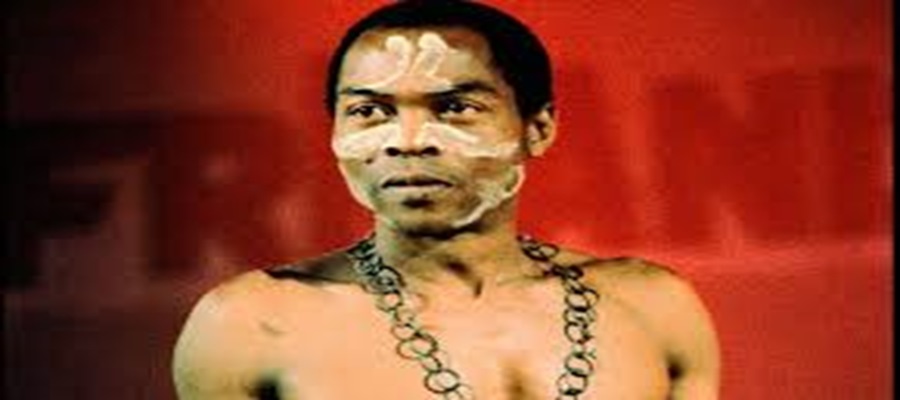
Fela Anikulapo-Kuti, simply known as Fela, legendary Nigerian musician, has made history as the first African artist to be inducted into the Rock & Roll Hall of Fame.

Fela
This is coming after he was posthumously honored with the 2026 Grammy Lifetime Achievement Award, becoming the first African artist to receive this prestigious special merit recognition.
Fela will be honoured in the early influence category this year, along with Queen Latifah, rapper MC Lyte, country rocker Gram Parsons, and Cuban singer Celia Cruz at this year’s Rock and Roll Hall of Fame event.
The honorees were revealed on Monday night in the US, during an airing of American Idol.
Sade Adu, Nigerian-born British singer, will be honoured in the performance category.
However, Shakira, Mariah Carey, Lauryn Hill, New Edition, and Pink, missed out on the final cut despite being nominated.
Over 1,200 artists, historians and music industry professionals voted to decide the honorees.
The induction ceremony will be held on 14 November at the Peacock Theatre in Los Angeles.

National Broadcasting Commission (NBC) is set to launch so-called FreeTV, with over 100 channels for news, sports, education, entertainment and children’s programming in multiple Nigerian languages.

The launch is scheduled for May 15.
Charles Ebuebu, director-general, NBC, who disclosed this, said the new platform will offer free-to-air access with no carriage fees, leveraging hybrid satellite and internet delivery via NigComSat-1R.
The new plan is not an upgrade, the NBC stressed. This is a rebuild, according to Ebuebu .
FreeTV will be true free-to-air – no encryption, no set-top box barrier.
Any DVB-T2/S2 television will work. A mobile app will extend reach to phones and tablets.
The platform will launch with over 100 national, regional and state channels across sports, news, children’s programming, education, entertainment and cultural content in Hausa, Yoruba, Igbo, Tiv, Ijaw, Edo, Fulfulde, Ibibio, Efik and Nupe – all in HD.
Crucially, the NBC has partnered with a Bulgarian firm, GARB (operating since 2006 and recognised by the European Broadcast Union), to deliver a 94 per cent-accurate audience measurement system using return-path data, app analytics, demographic panels, and Artificial Intelligence (AI).
To qualify broadcasters, must commit their channels, produce a minimum of 60 per cent local content, and promote FreeTV until January 2029.
After that, a regulated tiered rate card takes effect.
According to NBC, the strategic rationale is simple: build viewers first, monetise later.
The document further revealed that six regional production hubs in Lagos, Abuja, Port Harcourt, Enugu, Kano and Benin would function as local content factories, expected to generate 500 to 1,000 jobs per zone within two years.

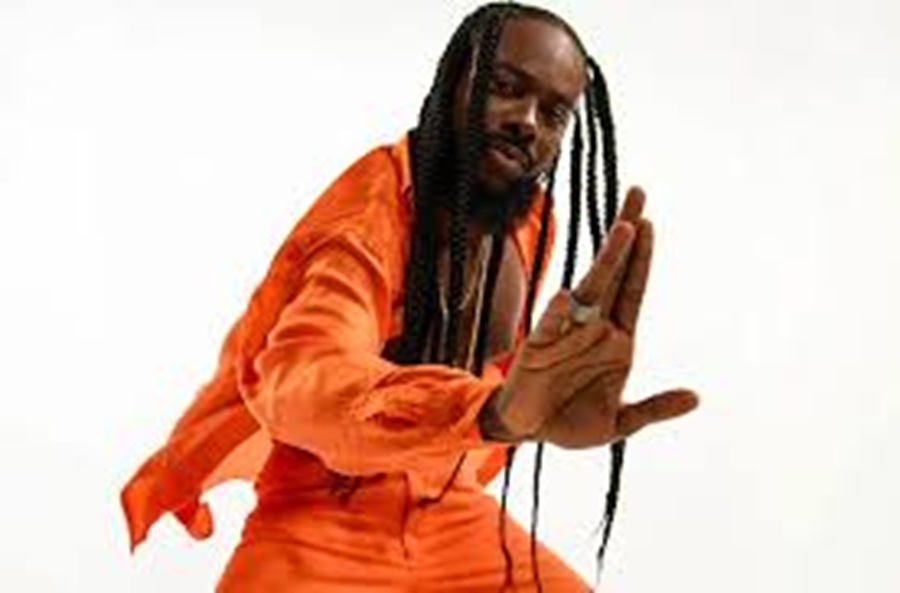
Popular Nigerian artist Adekunle Gold has lent his support to the growing youth-driven movement behind The Gathering on 100, further amplifying conversations around what is fast becoming one of the most talked-about upcoming experiences among young Nigerians.

Adekunle Gold
Known for his music and his strong connection with youth culture and evolving creative expression, Adekunle Gold’s involvement signals a deeper alignment between the event and the kind of audience it is attracting, a generation that is bold, expressive, and constantly redefining what community looks like.
While details of his involvement remain understated, his visible support adds a new layer of support and cultural relevance to the movement. In a landscape where attention is currency, endorsements from artists of his stature often act as a signal, drawing more eyes, more curiosity, and ultimately, more participation, but beyond visibility, the significance lies in what it represents.
The new father has, over the years, built a reputation for embracing creativity in its many forms, from music to visual storytelling, fashion, and digital engagement. His brand has consistently resonated with young Nigerians navigating similar spaces of self-expression and identity.
From interactive experiences like live music sessions and open performance moments to fashion runways and content creation spaces, the event is designed to blur the lines between audience and participant. It invites attendees to move beyond observation and become part of the moment.
This is a concept that closely mirrors the kind of cultural shift Adekunle Gold has been part of, one where boundaries between creator and consumer continue to dissolve.
His support also reflects a broader trend within Nigeria’s entertainment industry, where artists are increasingly engaging with youth-led initiatives that go beyond traditional performances. Rather than simply appearing on stage, they are aligning with movements that foster community, creativity, and shared experience.
For fans and attendees, this adds another dimension to what The Gathering on 100 represents.
As registrations increase and conversations expand across social platforms, the movement is gradually taking shape through the collective interest of those drawn to it.
Head to gathering.com to register.

MTN Suspends Data, Airtime Borrowing Service over New FCCPC Lending Rules

Nigeria Customs Deploys AI to Cover Revenue Leaks

Top 7 Reliable Virtual Cards for Running Ads in Nigeria

Nokia, Orange Partner on AI-native 6G Networks

NDPC Issues Critical Advisory as Hackers Target Nigeria’s Key Digital Systems

Kuda MFB Increases Kuda for Her Business Grants to ₦10 Million

Canal+ to Cut Jobs as Part Sweeping Restructuring

Nigeria tops global rankings for USDT, USDC ownership

NBC Boss Urges Content Ceators to Participate in DSO

NITDA Takes Over National Digital Architecture System




 General News3 days ago
Guinness Nigeria Surpasses ₦1Trillion Market Capitalisation, Signalling Strong Investor Confidence and Sustained Value Creation

 News3 days ago
CISA Asks NDPC, Police to Act on Alleged Data Breach by NIPSS

 Telecom3 days ago
Amazon Satellite to Challenge Starlink in Africa with Globalstar Acquisition

 E-Financial3 days ago
FG Investigates ‘Sharp Sharp’ Loan Operators over Alleged Privacy Violations

 News2 days ago
Lagos Targets Vulnerable Residents in Expanded Social Register

 News3 days ago
Kaspersky Reports Online Scam Exposure Remains Widespread Despite High Levels of Self-assurance

 E-Financial3 days ago
Ecobank Delivers Strong Results, Posts $801m in Pre-Tax Profit for 2025

 Broadcasting3 days ago
Fela Makes History as First African to be Inducted into Rock and Roll Hall of Fame