

News
Airtel Africa to Pay N276Bn Dividend despite N133Bn Loss


Airtel Africa is to pay N276 billion as 2023 final dividend despite posting a net loss of $89m (N133bn) for the year ending March 31, 2024.

This was contained in the corporate notice with the Nigerian Exchange Group (NGX), with the group announcing 3.57 US Cents per share for FY 2023/2024.
It also fixed 1,485.99/$ as the exchange rate for the 2023 final dividend.
The group, a leading pan-African provider of telecommunications and mobile money services, with a presence in 14 countries across Africa, had earlier paid an interim dividend of 2.38 US Cents per share at an exchange rate of N858.24/$ in December 2023.
The payment of dividends by Airtel Africa was greeted with applause from shareholders coming at a time most companies in the telecommunication sector, foods and beverages, among others were not paying dividends.
The corporate filing also indicated that the final dividend is payable on 26 July 2024 to shareholders on the register as of close of business on 21 June 2024.
According to the company, shareholders that hold their shares on the London Stock Exchange may elect to receive their dividend payment in GB pounds or U.S. dollars.
The statement added, “The closing date for the dividend currency election to the Company’s Registrars Coronation Registrars Limited in Nigeria is 8 July 2024.
“Shareholders holding their shares on the NSE who do not indicate their currency of choice before 8 July 2024 will receive their dividends in Nigerian naira.”


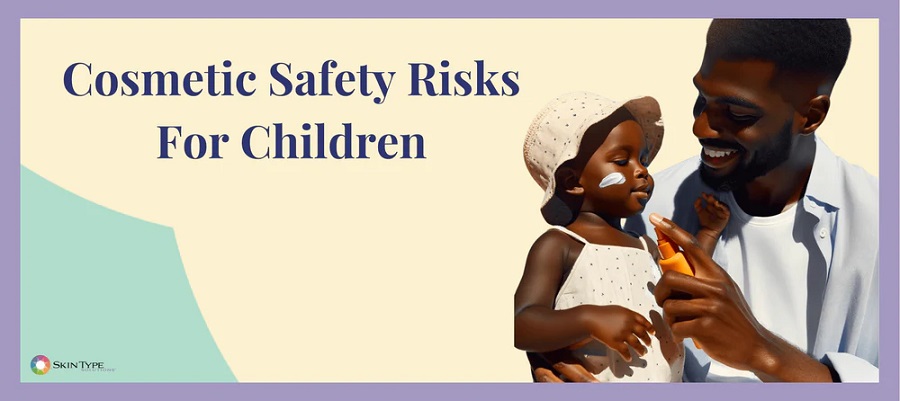
Cosmetic products are widely used in Nigeria, but many consumers remain unaware of the chemicals they may contain.

Federal government has therefore approved the first national policy on cosmetics safety and health after nearly two decades of stalled attempts.
The policy was launched at the Sixty sixth National Council on Health in Calabar.
It establishes a clear system to regulate how cosmetic products are manufactured, imported, sold, used and disposed of.
The new policy supports major government priorities.
It aligns with the National Strategic Health Development Plan II, the National Chemical Safety Policy and the National Environmental Health Action Plan.
It also advances the Nigeria Health Sector Renewal Investment Initiative and strengthens the country’s commitments under the International Health Regulations and the Minamata
Convention on Mercury.
By improving regulation and surveillance, the policy strengthens health security, protects consumers and supports economic diversification.
It also responds to state level priorities, since implementation will take place across all thirty six states and the Federal Capital Territory.
Everyday products, real health risks
Cosmetics are part of daily life for millions of Nigerians, but many people do not know what is inside the products they use.
Amina Yusuf, a shop attendant in Tarauni local government area, Kano State, said she developed skin irritation after using a product sold as a “natural toning oil”.
“I thought it was safe because it was called organic,” Yusuf said. “But my skin became sensitive, and small cuts took longer to heal.”
A health worker later explained that the product likely contained harmful chemicals.
In Kura local government area, community members described how some traders repackage creams without labels. One resident said a neighbour developed rashes after using a mixture bought at a weekly market.
“People buy what they can afford,” she said.
“Most of us do not have access to formally regulated shops.”
In Sabon Gari market, Kano State, an expectant mother, Gloria Okafor, learned during an antenatal visit that a cream she used for stretch marks might contain heavy metals.
“I was careful with food and medicine during pregnancy,” Okafor said. “I never imagined body cream could be a risk.”
These experiences reflect wider challenges: limited consumer awareness, informal distribution systems and economic pressures that make unregulated products common.
The scale of the problem
Recent national and global assessments highlight both the scale and the safety concerns within Nigeria’s cosmetics sector.
Nigeria’s cosmetics industry has grown into a dynamic and increasingly sophisticated sector, with a market valuation exceeding US$ 7.8 billion¹.
Globally, the cosmetics market is valued at over US$ 429.2 billion², presenting both economic opportunity and regulatory challenges, particularly in low and middle income countries (LMICs) such as Nigeria.
Since 2022, Nigeria has registered close to 9 000 cosmetic products that meet national regulatory requirements under the oversight of the National Agency for Food and Drug Administration and Control³, reflecting strengthened compliance efforts.
However, toxicological evidence remains concerning. Globally, over 100 known carcinogens and at least 15 endocrine disrupting chemicals have been identified in cosmetic formulations². In Nigeria, a study conducted in Anambra State found lead contamination in 62% of tested cosmetic products, with concentrations ranging from 0.10 to 42.12 mg/kg⁴ (exceeding the World Health Organization permissible limit of 10 mg/kg). Additional investigations in Ibadan and Lagos confirmed cadmium, lead and nickel levels above international safety limits in personal care products⁵⁻⁶.
These findings underscore the urgent need for strengthened surveillance, consumer awareness and enforcement to protect public health.
Why regulation matters
Studies in Nigeria have found high levels of lead, cadmium and other harmful substances in some cosmetic products.
These chemicals can cause kidney problems, skin damage and complications during pregnancy.
Market surveillance efforts in Kurmi market, Kano Municipal local government area, reveal widespread mislabelling and repackaging practices.
According to Audu Tanimu, National Agency for Food and Drug Administration and Control officer, “Some products are intentionally labelled to avoid suspicion, but laboratory testing shows restricted substances. Enforcement efforts are ongoing, yet informal supply chains continue to complicate traceability.”
Turn the vision to reality
After years of Nigeria’s vision to develop a cosmetic policy, World Health Organization (WHO) worked with the Federal Ministry of Health and Social Welfare, the National Agency for Food and Drug Administration and Control, the Nigeria Economic Summit Group, state governments, Resolve to Save Lives (RTSL), civil society and industry groups in 2025 to turn this into reality.
It provided technical guidance, reviewed evidence, supported meetings with partners and helped strengthen surveillance and reporting systems.
This support built on years of collaboration to improve chemical safety and International Health Regulations core capacities.
This work was supported by funding from the Foreign, Commonwealth and Development Office (FCDO) and RTSL.
What will change
The new policy introduces three main areas of action:
- Regulatory oversight and governance — A unified national system will ensure all cosmetic products meet safety and quality standards and improve coordination across agencies.
- Cosmetics vigilance and health intelligence — A national early warning system will help detect harmful products faster and support quicker public health responses.
- Strengthening the cosmetics value chain — The policy supports safer manufacturing and responsible trade. It also aligns with African Continental Free Trade Area opportunities, helping local industries grow while protecting workers and consumers.
These changes are expected to reduce exposure to harmful chemicals, lower the number of cosmetic related health complications and improve consumer confidence.
A collective effort
Implementation will begin across all states and the Federal Capital Territory.
The Federal Ministry of Health and Social Welfare, the National Agency for Food and Drug Administration and Control, the Nigeria Economic Summit Group, state governments, civil society and private sector actors will lead the rollout. WHO and Resolve to Save Lives will continue supporting government efforts to strengthen surveillance, raise awareness and promote safer markets.
This milestone reflects the combined efforts of government, regulators, communities and partners working toward a shared goal: protecting Nigerians from harmful exposures and strengthening national health security.
A call to action
- Political and financial commitment from government counterparts at all levels to prioritise implementation of the policy.
- Consumers should choose labelled and registered cosmetic products to safeguard their health.
- Industry actors should follow national safety standards.
- Health workers play a critical role in identifying cosmetic related health effects early and responding appropriately.
- Everyone should help raise awareness about the health effects of cosmetics and protect communities from preventable harm.

Mobile phones used by food vendors may be a hidden source of harmful microorganisms that can contaminate food, a recent study has revealed.

Published in the 2026 edition of the International Journal of Pathogen Research, the research analysed 20 phones from ready-to-eat food vendors, 10 smartphones and 10 button phones, collected between January and June 2025.
Laboratory tests detected a range of bacteria, including Bacillus, Staphylococcus, Klebsiella, Pseudomonas, Streptococcus, Escherichia, and Corynebact.
Bacillus and Staphylococcus were most common on button phones, each making up 25.6% of isolates, while Staphylococcus dominated smartphones at 37%.
Fungal organisms were also found, including Aspergillus, Candida, Mucor, and Rhizopus species.
Mucor was most prevalent on button phones, whereas Aspergillus and Rhizopus were more common on smartphones.
The study showed that button phones carried a higher microbial load than smartphones, and some of the microorganisms exhibited resistance to certain antibiotics, underscoring their public health significance.
Researchers said contamination is likely linked to frequent phone use after handling food or touching surfaces without proper hand hygiene.
They warned that mobile phones can act as fomites, objects that carry and transmit infectious agents, allowing microbes to transfer from hands to food.
The study urges food vendors to adopt safer practices, including regular handwashing, disinfecting phones, and avoiding mobile phone use while preparing or serving food.
Experts say the findings highlight the need for public awareness and hygiene education, noting that everyday devices like mobile phones may play a larger role in spreading infections than previously recognised, particularly in food service settings.


Easybuy, Africa’s leading smartphone and electronics financing provider and a pioneer in the continent’s Buy Now Pay Later (BNPL) sector, has announced plans to recruit up to 10,000 new business developers across Nigeria in a bold expansion move expected to accelerate job creation and deepen financial inclusion.

Operating through thousands of partner stores in Nigeria, Ghana, Ivory Coast, Senegal, and Tanzania, the company enables millions of customers to access mobile phones and home appliances through flexible ‘pay small small’ installment financing.
Set to run throughout 2026, the Easybuy Sales Talent Program is a revolving initiative designed to unlock income opportunities for thousands of talented Nigerians from sales professionals and young graduates to stay-at-home mothers, POS operators, and SIM registration agents. The program offers participants a structured monthly base pay alongside the potential to earn hundreds of thousands, and even a Million Naira in commissions, while working from the comfort of their mobile phones.
“This win-win partnership with Nigerians, on whose support we’ve come this far, reflects our continuous investment in people. Selected applicants of the Easybuy Sales Talent Program would be empowered with training and the opportunity to become financially independent,” said Jessica Ugwuoke, Chief Executive Officer, Newedge Finance Limited. “Like everything we do at Easybuy, this Sales Talent Program is driven by our vision of equal financial access for an easier life for everyone.”
The Easybuy Sales Talent Program is positioned as a strategic response to Nigeria’s unemployment challenge, targeting the country’s young, vibrant population.
According to the National Bureau of Statistics (NBS), youth unemployment stood at 6.5% among Nigerians aged 15–24 in Q2 2024, a figure analysts expect to remain a pressing concern into 2026. By creating structured earning pathways, Easybuy is aligning commercial expansion with measurable social impact, thereby setting a new benchmark for corporate social responsibility in emerging markets.
Beyond creating income opportunities for Nigerians, the Easybuy Sales Talent Program is structured to drive measurable economic impact, boosting household earnings, expanding consumer spending, and strengthening micro-entrepreneurship nationwide. As Nigeria’s unemployment rate is forecasted by Trading Economics to hover between 4.8% and 5.0% through 2027–2028, the initiative positions Easybuy not just as a market leader, but as a catalyst for sustainable economic growth.
Built on a powerful partnership with millions of its users, Easybuy has emerged as a leading BNPL provider in Africa. Since launching its Lagos operations in 2019, the company has helped drive rapid sector growth, with the BNPL market projected to expand from $1.42 billion in 2024 to more than $2.61 billion by 2030, according to the 2025 State of Enterprise Report. Backed by a nationwide network of over 2,000 sales agents and over 4500 partner stores, Easybuy is strategically positioned to accelerate market expansion and capture significant share in the years ahead.
As part of its sustained investment in human capital, Easybuy will equip participants with structured sales training, digital tools, and clear income pathways designed to accelerate financial independence. Anchored on the company’s vision of expanding equal access to finance across Africa, the Sales Talent Program reinforces Easybuy’s long-term growth strategy, building a pipeline of high-performing sales professionals while scaling inclusive economic opportunity nationwide via serving more underserved customers and communities.
Interested applicants can submit their CVs via the careers section of the Easybuy website, or create a TikTok video explaining why they are the ideal fit for the Program, using hashtags #EasybuySalesTalent and #MillionNairaChallenge, and upload the video link at https://easybuy.global/ng/careers/sales-talent-program.
Also, the creators of the weekly top 10 most-viewed videos will qualify for offer discussions. Easybuy welcomes applicants from diverse backgrounds and locations who are ready to build high-growth careers in sales.

Court Freezes Bank Accounts of Petrocam, Founder over Alleged N9Bn Zenith Bank Debt

FG Approves First National Policy on Cosmetic Safety, Health

FCCPC Says Telcos, Energy Firms Lead Consumer Complaints in Nigeria

Microsoft Expands Africa AI Push while DeepSeek Gains Users

Mobile Phones Used by Food Vendors Could Spread Infections- Experts

Dr. Cairo Ojougboh Foundation Bolsters Nigeria’s Education Drive with ₦2.7m Student Support

Kaspersky Brings more Transparency to Threat Detection with New Hunt Hub

Kaspersky Discovers New Phishing Campaign Exploiting Google Tasks Notifications to Steal Corporate Credentials

esentry 2025 Report Shows Healthcare, Financial Services and Telecoms as Staging Grounds for Increased Cyberattacks in Africa

AfDB, UNDP Launch $10Bn AI Initiative for Africa




 Telecom2 days ago
China Threatens to Shut Nigeria’s Satellite Over $11.44m Unpaid Debt

 Telecom2 days ago
US Court Dismisses All Claims Against Binance in Major Anti-Terrorism Lawsuit Victory

 Telecom2 days ago
TikTok Pumps $200k into AI Media Literacy for Sub-Saharan Africa at Nairobi Summit

 General News2 days ago
More Nigerians Emerge Millionaires in Week 9 of NIVEA’s Consumer Campaign

 E-Business2 days ago
NITDA, Nkenne AI Seek to Localise AI for Nigerians

 E-Business1 day ago
FG Moves to Strengthen Children’s Online Safety

 Telecom2 days ago
NCC Orders Telcos to Report Cyberattacks Within 4 Hours from 2027

 E-Business2 days ago
Meta to Charge Location Fees on Ads to Six Countries from July 1, 2026