

General News
AppsFlyer Gives Insight into Global E-Commerce Trends for 2023


By Sue Azari
It is no secret that over the past few years the e-commerce industry has been constantly and rapidly evolving, with COVID-19 playing a significant role.

Many retailers have experienced highs as a result of the pandemic, with consumers taking advantage of the convenience of shopping for pretty much anything right from the comfort of their living room; whilst others such as offline retailers suffered, due to their lack of a digital footprint when lockdown was introduced.
Judging by recent trends, global retail e-commerce sales will continue to soar in 2023, showcasing the adaptability of e-commerce, which has gone through tremendous change over the past 30 years.
As we look ahead to 2023, and the challenges e-commerce retailers have faced post pandemic – from economic uncertainty to supply chain issues – it’s not all doom and gloom, as with great challenges come great opportunities.
The future looks particularly bright for e-commerce retailers that are placing customers at the forefront and creating better customer experiences, as well as staying on top of ever evolving e-commerce trends.
Here are some of the most notable e-commerce trends to look out for in 2023:
- The rise and rise of Mobile Commerce
Mobile commerce has been on the rise within the e-commerce industry for some time now, thanks to the pandemic.
According to AppsFlyer benchmark data, total mobile app installs on the African continent grew by 17% in the first part of 2022 compared to early 2021. As consumers are increasingly shopping for and purchasing products using mobile devices like phones and tablets, mobile commerce sales are expected to rise significantly in 2023, and beyond.
It is rapidly becoming the preferred channel for shopping, and we’re now seeing more traditional retailers join in the trend, prioritising mobile as an alternative channel for delivering exceptional customer experiences, for both new and existing customers.
For the future, e-commerce retailers need to focus on mobile first solutions such as mobile payment options like Apple and Google pay.
- Omnichannel E-Commerce coming into play
After two years of predominantly online shopping, consumers are ready for in-store experiences again. Although mobile commerce is thriving more than ever, post pandemic has seen a slight shift in consumers reverting back to offline shopping, with retailers now expanding their number of stores, and pure online retailers opening up physical pop-stores.
Many consumers have missed being able to physically go into a store and select an item. To reinforce this, the role of the store has changed, with retailers opting for the more experiential and inspirational in-store experiences moving forward into the new year, Shoprite being a prime example of this, already implementing the use of AI in their South African stores, with the aim of enhancing the customer journey through the store.
A major challenge which arose with stores reopening post pandemic was the convergence of online and offline experiences. Having said this, some retailers are taking the necessary measures to bridge that gap, and are finding ways to incorporate online into the in-store experience.
As post pandemic in-store shopping continues to grow, many brands have turned to the use of apps to enhance in-store shopping experiences.
These apps are able to give in-store associates access to customer account details to provide better service, and ensure in-store inventory is reflected in real-time online, all in a bid to create a more natural shopping experience online for customers.
Brands are becoming increasingly reliant on more channels for customers to shop, and it is important they have good visibility across each channel.
- The impact of Social Commerce
The astronomical growth of social commerce will undoubtedly continue in 2023. The global social commerce market is set to reach a whopping $604.5 billion by 2027. With social media attracting high engagement levels from a wide audience who typically spend almost 2.5 hours on these platforms per day, it makes it much easier for e-commerce retailers to capture and build closer connections with customers amidst the economic downturn.
Another advantage of social commerce is that it offers a frictionless journey between inspiration and purchase. Until very recently, consumers would have to seek out their inspiration on social media, then head back to a website for purchase. Today, social media is now a one-stop shop, streamlining the experience and minimising the risk of drop offs.
- Re-commerce breaking through the clutter
Environmentally-friendly products can influence today’s consumer’s choices. As sustainability is increasingly becoming an essential factor in the consumer’s decision making process, re-commerce will play a much bigger role when it comes to 2023 e-commerce trends.
Consumers are now willing to spend more on sustainable products for health and fitness, and general environmental good, as taking care of the planet and environment is no longer just a marketing stunt or a nice-to-have.
It is paramount that e-commerce retailers take this into consideration in a way that will still be profitable to them. E-commerce retailers can gain a competitive edge in 2023 by choosing greener products and packaging, and adopting more and more environmentally sound practices.
- Personalisation key to brand loyalty
Today’s consumer demands a more personalised shopping experience from their favourite brands, therefore personalisation is expected to be a big trend in 2023. Most consumers crave a brand that knows them well enough to offer up personalised shopping experiences.
Personalisation works best when e-commerce retailers use the customer’s touch points and journey data to boost customer engagement and loyalty. This means engaging them on the channels they prefer, and supporting them throughout their entire customer journey with personalised offers.
The latest e-commerce trends are adopting new technologies and unprecedented business practices, which in turn show that customer experience is heading towards being an always-on 2023 e-commerce trend. E-commerce retailers should look to adopt some of these trends in order to stay ahead of the competition next year, and beyond.
Sue Azari is E-Commerce Lead at AppsFlyer



Okpi Bernard Adaafu, a legal practitioner, has dragged the federal government of Nigeria before the Federal High Court in Abuja, challenging the legality of a controversial health data sharing agreement between Nigeria and the United States of America.

The suit names the President of Nigeria, the Attorney-General of the Federation and Minister of Justice, the Federal Ministry of Health and Social Welfare, the Senate President of Nigeria, and the Speaker of the Nigerian House of Representatives as defendants.
In the originating summons filed before the court, Adaafu is asking the court to determine whether the bilateral health cooperation Memorandum of Understanding signed between Nigeria and the United States violates the constitutional rights of Nigerian citizens, particularly their rights to privacy and protection of personal data.
According to court documents, the agreement, signed on December 19, 2025, permits the collection and transfer of sensitive health information of Nigerians to the United States.
The data reportedly includes medical records, blood samples, pathogen testing information, and DNA or genetic sequencing data.
The plaintiff argued that while only a summarized version of the agreement has been made public, a related Specimen Sharing Agreement allegedly obliges Nigeria to provide biological samples and related data to the United States within five days of request and could remain in force for up to 25 years.
He contended that such an arrangement, if implemented, would violate the National Health Act 2014, which guarantees the confidentiality of patients’ medical records, as well as the Nigeria Data Protection Act 2023, regulating the processing and cross-border transfer of personal data.
The suit further argued that the agreement breaches Section 37 of the Constitution of the Federal Republic of Nigeria 1999, which guarantees the privacy of citizens.
Adaafu also raised concerns about statements suggesting that the programme would provide substantial support to Christian faith-based healthcare institutions.
According to him, the inclusion or perceived emphasis on religious affiliation within a national healthcare framework is unnecessary, constitutionally questionable, and capable of triggering avoidable social tension in a multi-faith society such as Nigeria.
He argued that healthcare interventions funded through international cooperation must remain neutral, inclusive, and accessible to all Nigerians regardless of religion, ethnicity, or social background.
Another issue raised in the suit is the alleged exclusion of the National Assembly of Nigeria from the process.
The plaintiff maintained that international agreements with significant national implications must undergo legislative scrutiny and approval before implementation.
Among the reliefs sought, Adaafu asked the court to issue an order prohibiting discriminatory agreements based on religion, ethnicity, or other protected characteristics.
He also requested a declaration that the agreement violates both the National Health Act 2014 and the Nigeria Data Protection Act 2023.
In addition, the plaintiff is seeking an order suspending the implementation of the agreement, which is scheduled to commence on April 1, 2026.
Explaining the reason for filing the suit, Adaafu said he decided to approach the court because of the potential implications of the agreement on the privacy, sovereignty, and constitutional rights of more than 200 million Nigerians.
He noted that the issues raised in the suit deserve public awareness and national discourse, stressing that transparency and accountability are necessary in matters involving citizens’ sensitive medical and genetic information.

Nigeria’s leading instant noodle brand, Indomie, is backing a cross-country cycling journey by 15-year-old autism advocate Kanyeyachukwu Tagbo, who is embarking on a Guinness World Record-bound ride from Enugu to Lagos to raise awarenessabout autism and promote inclusion.

Tagged “Journey of Possibility, #RideWithKanye,” the expedition will see the young cyclist travel across several Nigerian cities as he advocates for greater understanding and support for individuals living with Autism Spectrum Disorder and their families.
The initiative represents an official attempt to set a milestone with Guinness World Records as the youngest autistic individual to complete a cross-country cycling journey.
The ride is scheduled to conclude in Lagos on World Autism Awareness Day, reinforcing the global call for empathy, acceptance, and opportunity for people on the autism spectrum.
Speaking on the brand’s involvement, Temitope Ashiwaju, Group Corporate Communications and Events Manager, said the initiative reflects Indomie’s enduring commitment to celebrating courageous Nigerian children and amplifying stories that inspire hope.
“At Indomie, we believe every child deserves the opportunity to dream boldly and achieve extraordinary things,” he said. “Kanyeyachukwu’s journey is a powerful reminder that determination and talent can transcend limitations. We are proud to support his mission to inspire understanding, acceptance, and hope for individuals living with autism.”
Kanyeyachukwu first captured national attention when he was recognised at the Indomie Heroes Awards, an initiative by Indomie that celebrates courageous Nigerian children who have demonstrated exceptional bravery, resilience, and impact in their communities.
Since receiving the recognition, he has continued to use advocacy, creativity, and public engagement to reshape perceptions about autism and inspire conversations around inclusion.
Through the “Journey of Possibility,” Kanyeyachukwu hopes to demonstrate that individuals on the autism spectrum possess extraordinary potential when given the opportunity and support to thrive.
As a key supporter of the initiative, Indomie will provide branded cycling kits and support materials for cyclists accompanying him throughout the route, alongside financial support and brand activations at designated stops along the journey.
These engagements will include community interactions aimed at educating the public, encouraging dialogue, and fostering broader participation in autism advocacy.
To ensure the young cyclist’s safety and well-being throughout the expedition, a dedicated safety, medical, and logistics team will accompany the ride.
Host communities along the route are also expected to organise welcome receptions and awareness activities as the team passes through their cities.
The journey will culminate in a celebratory reception in Lagos, bringing together supporters, advocates, community leaders, and partners to mark the completion of the ride and reinforce the call for greater awareness and inclusion for people on the autism spectrum.
Through initiatives like the Indomie Heroes Awards and its support for the “Journey of Possibility, #RideWithKanye,” Indomie continues to champion young Nigerians whose courage, determination, and achievements demonstrate the limitless possibilities that emerge when children are empowered to pursue their dreams.

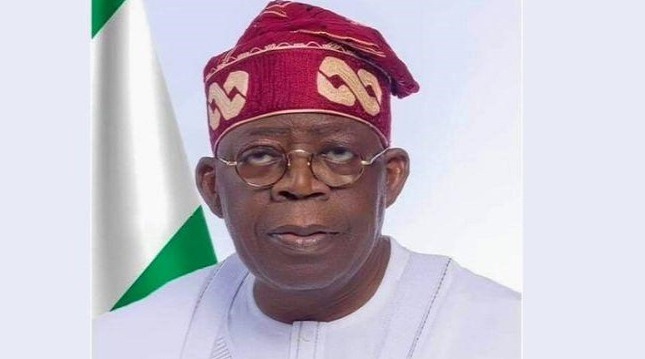
President Bola Ahmed Tinubu has vowed government backing for the Nigerian media’s evidence-led push against Big Tech’s anti-competitive practices, content scraping for AI, and economic pressures like high tariffs threatening press survival.

Tinubu
Speaking at an interfaith dinner with the Nigerian Press Organisation (NPO) delegation at the State House on Friday, Tinubu called the press an “indispensable partner” in fostering economic stability, press freedom, and social cohesion.
He promised to tackle “digital cannibalisation” and review the tariff exemption list to zero-rate media essentials like newsprint, plates, chemicals, and broadcast equipment—currently hit with 5-10% duties—mirroring exemptions for educational materials.
“You have the government’s full support, because we know how important your work is to the sustenance of democracy,” Tinubu assured leaders including NPO President Lady Maiden Alex-Ibru, Aremo Olusegun Osoba (Vanguard), Sam Amuka (THISDAY/ARISE), Prince Nduka Obaigbena, Dr John Momoh (Channels TV), and heads of NPAN, NGE, GOCOP, NUJ, and NTA.
NPAN Deputy President Frank Aigbogun, speaking for NPO, accused Big Tech firms like Meta and Google of breaching paywalls to train AI models, costing local media 70% of revenue—hundreds of millions of dollars—plus jobs. He urged directing the FCCPC to probe these issues.
Information Minister Mohammed Idris noted ongoing government engagement with Big Tech: “We will not allow anybody to come here, reap from our economy, and go away without giving back.” Vice President Kashim Shettima and senior aides attended.
The pledge follows NPO’s January letter highlighting existential threats from Big Tech to Nigerian media.

Crypto Transactions Hit $96Bn in Nigeria -SEC

PwC Warns Nigeria Telcos of AI Fraud Risks

Lawyer Drags FG Court over Controversial Health Data Sharing Agreement with US

Elumelu Tags Elon Musk, Disowns AI-Generated Scam Video

FG Determined to Protect Rights, Privacy Online- NITDA

Kaspersky Discovers New Phishing Campaign Exploiting Google Tasks Notifications to Steal Corporate Credentials

esentry 2025 Report Shows Healthcare, Financial Services and Telecoms as Staging Grounds for Increased Cyberattacks in Africa

AfDB, UNDP Launch $10Bn AI Initiative for Africa

Mutual Benefits Assurance Settles ₦5.9bn Claims in January 2026

MultiChoice Suspends Yearly DStv Price Hike as Canal+ Pushes Growth




 Telecom3 days ago
VDT Communications Achieves Two Prestigious Certifications ISO /IEC 27001:2022, ISO/IEC 27032:2023 Reinforcing its Leadership in Broadband Service Provision

 E-Financial2 days ago
CBN Rolls Out New Rules for Safer Instant Payments, More Customer Control

 News2 days ago
NIMMME Inaugurates Engr. Michael Orekyeh as 13th National Chairman in Abuja

 Telecom2 days ago
MTN Nigeria Races Ahead in Fibre Broadband Market

 E-Financial2 days ago
CBN Tightens BVN Rules to Curb Fraudulent Banking Transactions

 E-Financial2 days ago
Nova Bank Appoints Jude Anele as Managing Director/CEO

 E-Business2 days ago
Tech Expert Unveils BAT-BOT AI App to Curb Fake News ahead of 2027 Elections

 Broadcasting13 hours ago
Spotify’s Loud & Clear Report Reveals Over ₦60Bn Revenue for Nigerian Artists in 2025