

Telecom
Danbatta Reiterate Commitment To Cost Based Pricing For Data Services

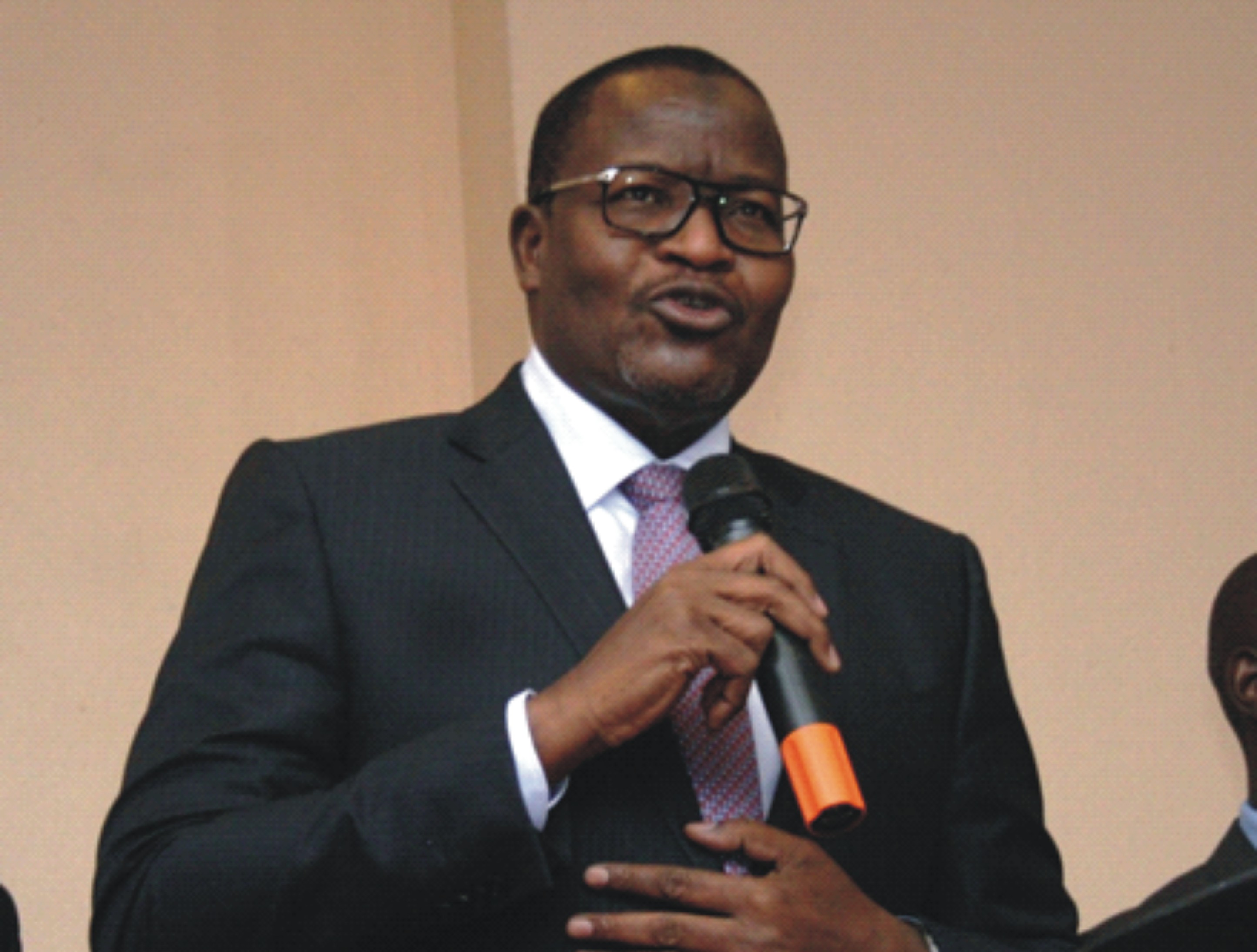
Prof. Umaru Garba Danbatta, Executive Vice Chairman, Nigerian Communications Commission has restated that the Commission will not rest on its oars in ensuring that subscribers gets affordable and accessible broadband services at a price, in line with international best practices
Danbatta said this at the “Stakeholders’ Forum on the study for the determination of cost based pricing for retail broadband and data services” held on Tuesday in Lagos.
He noted that, Nigerian Telecommunications industry has undoubtedly recorded significant growth over the years and the impact and benefits that come with this growth cuts across every segment of the Nigerian economy and the lives of its citizenry.

“Whilst the Commission is happy with this phenomenal growth recorded in the industry, especially in active voice subscriptions, we believe that the next critical phase is to ensure that everyone – wherever they live, and whatever their circumstances – have access to the benefits of broadband and this can only happen with the pervasive deployment of broadband infrastructure and services across the country considering the potential of broadband as a key enabler of national productivity, economic growth and development, social inclusion and cultural enrichment” he stated
He added that, affordability and accessibility of broadband services however is largely determined by the prices that are charged for those services.
Therefore ensuring that prices charged for retail broadband and data services are cost based in line with international best practice is critical to the deployment and uptake of broadband and data services in Nigeria.
Danbatta stated that, in line with the Commission’s mandate of creating an enabling environment and promoting fair competition in the telecoms industry and in line with the strategic objectives of the National Broadband Plan, it has therefore become imperative to develop a proper pricing structure for broadband in Nigeria.
This will not only ensure the affordability and availability of Broadband but also ensure fair competition by checking price discrimination, excessive pricing, predatory pricing, margin squeeze and price fixing amongst other things.
The Commission to this end, appointed Messrs’ KPMG to carried out a thorough selection process and price based study, amongst other things:
Consistent with the Commission’s principle of ensuring participatory regulation, this Stakeholders’ Forum is held not only to formally introduce the Project Consultant to Industry Stakeholders but also to formally kick-start the project.
Danbatta reiterated the Commission’s obligation in create a level playing field for all operators, and as such, shall ensure that pricing of Retail Broadband and Data Services reflect the cost of deploying the services on the network.



MTN Nigeria has marked 25 years of commercial operations, with Karl Toriola, chief executive officer, saying the company began operating in the country at a time when telecommunications access was severely limited.

Toriola said that a quarter of a century ago, making a phone call was a privilege few Nigerians could afford.
People queued at public telephone booths and centres, travelled long distances to deliver messages, and sometimes waited weeks for letters to arrive, he said, noting that a mobile phone was then beyond the reach of most.
Today, the company connects more than 90 million people across Nigeria, a figure MTN says reflects its role in building the infrastructure behind the country’s shift to a data-driven economy.
MTN entered Nigeria in 2001 following the GSM liberalisation carried out by the Nigerian Communications Commission (NCC), at a time when mobile telephony was still a luxury reserved for a privileged few.
Toriola said the milestone was about more than subscriber numbers.
Businesses have been built, families have stayed connected across distances, students have gained access to knowledge, and creators have found audiences beyond Nigeria’s borders, he said, crediting the wider telecommunications ecosystem for enabling entire new industries to emerge.
The company also pointed to its role beyond direct connectivity.
MTN has helped build a wider value chain of SIM registration agents, tower contractors, retail distributors, fintech partners and digital developers that now supports millions of livelihoods in Nigeria.
Toriola thanked MTN Nigeria’s customers, saying their trust had allowed the company to expand its community investments through the MTN Foundation, which has supported health, education, youth development and economic empowerment programmes.
Looking ahead, the CEO acknowledged that significant connectivity gaps remain, with millions of Nigerians still needing access to reliable, affordable and inclusive digital services.
He said greater digital inclusion would be a central priority for the company’s next chapter, adding that the anniversary marks both a celebration of the past 25 years and a renewed push to expand digital access for the country’s young and growing population.
“We’ve come a long way. And we are only getting started,” Toriola said.
The anniversary comes as MTN Nigeria continues to navigate rising operating costs tied to Nigeria’s unreliable power supply.
Where the national grid is unreliable, the company and its infrastructure partners have had to rely on diesel generators, batteries, solar systems and other backup power solutions, making network operating costs highly sensitive to fluctuations in diesel prices.

Telecommunications subscribers under the umbrella of the National Association of Telecoms Subscribers (NATCOMS), has handed telecommunications operators in the country September deadline to improve network quality or face legal action.

Deolu Ogunbanjo, president, NATCOMS, said that subscribers have endured deteriorating network services despite repeated interventions, warnings, and sanctions by the Nigerian Communications Commission (NCC).
As reported by BusinessDay, Ogunbanjo, noted that if the situation fails to improve through regulatory intervention, NATCOMS will seek justice through the courts by the end of the third quarter.
The ultimatum comes as rising data consumption, subscriber migration, and growing demand for mobile services place severe pressure on network infrastructure across parts of the country.
The NCC stated that mobile operators have offered compensation to more than 75 million subscribers for poor network quality following a regulatory directive requiring restitution in locations where performance fell below required standards.
The regulator is conducting an independent review to determine whether all eligible subscribers received proper compensation.
The compensation scheme, provided through automatic airtime credits for verified service failures dating back to November 2025, requires no individual claims from consumers.
For many subscribers, however, airtime credits do little to offset the broader economic and personal toll of unreliable connectivity.
Emeka Douglas, a subscriber, recounted how poor network quality nearly turned a medical emergency into a tragedy when he was unable to transfer funds to a hospital during his wife’s surgery.
Douglas noted that his brother in the United States eventually sent funds directly to the hospital’s account after local banking channels failed.
Janet Okoye, a small business owner, said unreliable connectivity severely affected her business after service disruptions on her Airtel and Globacom lines led clients to cancel orders.
Teniola Adeyemi, a university student, highlighted dropped calls as a major concern, stressing that recent tariff increases ought to reflect in better service quality.
Grace Eze, an Abuja-based media professional, explained that fluctuating network connectivity once delayed a lead news story intended for her editor in Lagos, resulting in an official query over late submission.
Pressure on national networks is driven by both expanding subscriber numbers and rising usage intensity.
Active telephony subscriptions in Nigeria rose from 182.2 million in January 2026 to over 187 million by April, according to NCC data. MTN leads the market with 96.4 million subscriptions, followed by Airtel with 64.7 million and Globacom with 23.2 million.
Telecom
ipNX Collaborates with ICT Stakeholders on the Future of Fibre-to-the-Home in Nigeria @ ATCON Forum

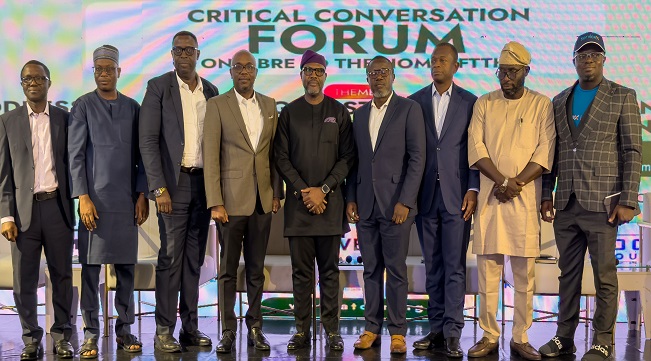
ipNX Nigeria joined other stakeholders across the telecommunications ecosystem as they convened at the Association of Telecommunications Companies of Nigeria (ATCON) Critical Conversation Forum on Fibre-to-the-Home (FTTH) to deliberate on practical solutions to the challenges affecting broadband infrastructure deployment and the future of fibre connectivity in the country.

The forum, themed “Fibre to the Home in Nigeria: Addressing Challenges, Strengthening Standards and Ensuring Sustainable Deployment,” was held at the Radisson Blu Hotel, Lagos, and brought together representatives from government agencies, telecommunications operators, regulators, infrastructure providers, industry associations, and the media to foster dialogue around policies and collaborative actions needed to accelerate Nigeria’s broadband ambition.
Delivering the keynote address virtually, the Executive Vice Chairman of the Nigerian Communications Commission (NCC), Dr. Aminu Maida, described Fibre-to-the-Home as a critical enabler of Nigeria’s digital future.
“FTTH is uniquely positioned to meet Nigerians’ next phase of data demand. The quality of our broadband will increasingly shape the competitiveness of our businesses, the growth of our digital industry and the opportunities available to our citizens,” he said.
Dr. Maida also stressed the importance of protecting telecommunications infrastructure, noting that damage to fibre networks carries significant economic consequences.
“We must uphold deployment standards. Nigeria needs fibre that is properly installed, properly documented, and properly protected.”
Speaking during the opening session, ATCON President, Mr. Tony Emoekpere, underscored the strategic importance of FTTH in achieving Nigeria’s broadband penetration targets while calling for greater public awareness around protecting communications infrastructure.
“This forum is critical because Fibre-to-the-Home is the technology that will enable the country to achieve full broadband penetration. We all depend on communication infrastructure, and it must be protected.”
Drawing a comparison with power infrastructure in the country, he added:
“If somebody comes to your neighbourhood to tamper with your transformer or power cables, everybody will come out. The same thing needs to apply for communications infrastructure. When we see people damaging fibre cables, we should raise an alarm.”
The forum also highlighted successful collaborative initiatives at the state level. Speaking on infrastructure management, Director-General of the Oyo State Infrastructure Management and Control Agency (OYSIMCA), Mr. Adebayo Akande, shared how the agency is addressing fibre theft, vandalism, and promoting shared infrastructure among operators.
He explained that encouraging operators to utilise common pole infrastructure along shared routes would reduce unnecessary duplication, minimise infrastructure damage, improve urban aesthetics, and optimise investment across the sector.
Similarly, Managing Director of the Edo State Information and Communication Technology Agency (ICTA), Mr. Eghosa Urhoghide, advocated stronger collaboration among operators, regulators, government institutions, road maintenance agencies, and host communities.
He emphasised that strict adherence to NCC deployment standards remains essential to ensuring the long-term sustainability and resilience of Nigeria’s telecommunications infrastructure.
Representing ipNX on the panel discussion titled “Policy, Governance and Regulatory Alignment,” Mr. Segun Okuneye, Deputy Director, Strategic Business Initiatives, highlighted the need for stronger collaboration across the telecommunications ecosystem to unlock the full potential of fibre broadband in Nigeria.
According to him, sustainable fibre deployment extends beyond technology and investment to include policy consistency, stakeholder alignment, infrastructure protection, and shared responsibility.
“Achieving universal fibre connectivity requires more than deploying infrastructure, it requires sustained collaboration between operators, regulators, government agencies and host communities.
“When policies are aligned, deployment standards are consistently enforced, and critical infrastructure is protected, we create an environment where investment thrives and more Nigerians can enjoy reliable, high-speed broadband.
“At ipNX, we remain committed to working with all stakeholders to build resilient digital infrastructure that will support Nigeria’s economic growth for generations to come.”
Throughout the discussions, participants agreed that while Nigeria has made considerable progress in broadband expansion, addressing recurring issues such as fibre vandalism, right-of-way challenges, inconsistent deployment practices, infrastructure duplication, and limited public awareness will require stronger partnerships and coordinated industry action.
The forum concluded with a shared commitment among stakeholders to strengthen industry standards, encourage infrastructure sharing, improve policy implementation, and promote greater public appreciation of telecommunications infrastructure as critical national assets deserving of protection.
For ipNX, participation in the ATCON Critical Conversation Forum reinforces our company’s ongoing commitment to supporting industry-wide initiatives that advance broadband penetration, strengthen digital infrastructure, and accelerate Nigeria’s journey towards a more connected and digitally inclusive future.

Affordable, Flexible Streaming Platforms May Kill PAYtv – Report

FG Suspends NAICOM’s N680m Insurance Recapitalisation Fees

FG Taps Indian, Chinese Technologies to Tackle $2.5Bn in Food Losses

MTN Nigeria Clocks 25, Connects over 90m People

Subscribers to Seek Legal Redress if Poor Quality of Service Continue in September

EFCC Busts NIS Visa Overstay Racket, Uncovers N700m in an Account

Fact-Check: Elon Musk’s “Tesla Pi Phone” is Internet Rumor

NBC Tasks Broadcasting Stations over 2028 DSO Global Deadline

NBC Scraps Annual Digital Access Fee on DSO

Glo Sponsored African Voices to Feature Netflix’s “The Polygamist” Stars




 E-Business1 day ago
X Replaces Revenue Sharing wit New Creator Rewards Programme

 Telecom1 day ago
MTN Alerts Subscribers over Fake 25GB Anniversary MTN Data Giveaway

 E-Financial1 day ago
Interswitch, Temenos Commit to Advancing Nigeria’s Digital Banking Technology

 General News1 day ago
Fake Agency: ICPC Indicts NITDA, Others over Inadequate Due Diligence

 E-Financial1 day ago
FG Spent N3.1 Trillion on Domestic Debt Servicing in Q1- DMO

 General News1 day ago
UNESCO Taps Oguamanam,Nigerian Scholar to Advisory Body on Science, Tech Ethics

 General News1 day ago
Tax Reform Built on Taxing Prosperity, Not Poverty– Adedeji

 Broadcasting1 day ago
Awba-Ofemili Unveils 2026 Health Campaign, Offers Free Medical Screening