

Telecom
Etisalat Sponsored Hear Word! Concludes Int’l Tour


Residents in and around the Federal Capital Territory, Abuja, were treated to an evening of classy and entertaining stage performances by the crew and cast of Etisalat-sponsored Hear Word!, the internationally acclaimed episodic stage play that speaks to issues that hold Nigerian women back from reaching their full potentials.
The performance in Abuja was the climax of a thrilling three-continent tour which kicked off in April at the renowned Harvard University in Cambridge Massachusetts and made a stop at Torp Theater – Central Connecticut State University, New Britain Connecticut, both in the USA before moving to the Frascati Theatre in Amsterdam.
Hear Word!, which was premiering in the nation’s political capital, attracted dignitaries from various circles including politics, government, banking, entertainment, etc led by Mrs. Dolapo Osibanjo, wife of the Vice President, swarmed the 1000 capacity Congress Hall of the prestigious Transcorp Hilton Hotel, Abuja.
The Etisalat-sponsored stage drama featured a collection of 10 stories of real life accounts of inequality, discrimination, abuse and violence, and other social, cultural, traditional, economic and political manifestations and practices of the society which limit the Nigerian woman from reaching her full potentials and becoming a meaningful contributor to the development of the society.
It is an advocacy piece of performance that uses artistry, social commentary and humour to tell real life stories of issues affecting the lives of women across Nigeria and also examines factors that limit their potential for independence, leadership and meaningful contribution.
Speaking in Abuja, Elvis Ogiemwanye, Etisalat Nigeria’s Director, Brands and Experience, said the Hear Word! captures in part the company’s vision of creating and supporting platforms that empower people to discover themselves and reach their full potentials.
“We are an innovative and expressive company and are delighted to have pulled this through with the Hear Word! team. We share in the everyday experiences of our customers, and also seek for appropriate channels to create desirable experiences for them. We believe in providing people the opportunities to express themselves, be it in innovation, music, sports, literature, photography, theatre arts, education, entrepreneurship and any other way we can contribute to the development of the society,” he said.
Other distinguished personalities at the event include the Chairman of Etisalat Nigeria, Hakeem Belo-Osagie and his wife, Myma Belo-Osagie; Patron, Etisalat Prize for Literature, Dele Olojede; wife of the Speaker, Federal House of Representatives, Mrs. Gimbiya Yakubu Dogara; Former Vice President of World Bank, Africa and Social Advocate, Mrs. Oby Ezekwesili; President of DEPOWA, Mrs. Omobolanle Olonisakin; National President, NOWA, Mrs. Theresa Ibass; National President, NAFOWA, Mrs. Sadique Abubakar and National President, POWA, Mrs. Agharase Arase among others.
Hear Word is directed and produced by Ifeoma Fafunwa and features the theatrical ensemble of home grown actresses including star veteran actresses Taiwo Ajai-Lycett and Joke Silva. Others include Bimbo Akintola, Omonor, Elvina Ibru, Ufuoma McDermott, Zara Udofia, Rita Edward, Debbie Ohiri and Odenike.



Association of Licensed Telecommunications Operators of Nigeria (ALTON) has declared support for the Nigerian Communications Commission (NCC’s) push to promote local smartphone manufacturing in the country.

Gbenga Adebayo, chairman, ALTON,
The News Agency of Nigeria reported that ALTON described the move as a practical measure capable of accelerating broadband adoption and expanding digital inclusion across the country.
Gbenga Adebayo, chairman, ALTON, made the remarks to newsmen on Saturday while reacting to comments by Idris Olorunnimbe, chairman, NCC Board, who had earlier called for local smartphone production and innovative financing models to address Nigeria’s digital inclusion gap.
Adebayo said Nigeria must intentionally transition from being predominantly a technology consumer to becoming an innovator, designer and manufacturer of digital technologies, pointing to the country’s large telecommunications market and youthful population as the scale and human capital needed to support world-class manufacturing.
He said Nigeria’s ambition in local manufacturing should extend well beyond simply assembling imported components into finished devices.
“Our ambition should extend beyond assembling devices. We must pursue genuine knowledge transfer, research and development, product engineering, software development, semiconductor capabilities and large-scale manufacturing,” he said, adding that the goal should be producing devices and digital technologies for Nigeria, Africa and the global market.
Adebayo explained that the emergence of artificial intelligence has further strengthened Nigeria’s opportunity to become a competitive technology manufacturing hub, noting that AI is transforming product design, manufacturing, quality assurance, supply chain management, customer experience and software innovation.
He said investing in AI-enabled manufacturing would improve productivity, create high-value jobs and strengthen Nigeria’s competitiveness across Africa.
On tackling counterfeit and non-type-approved devices, Adebayo described the grey market as a major challenge affecting consumers, original equipment manufacturers and the wider telecommunications ecosystem.
He said robust local manufacturing backed by strong quality standards would provide credible alternatives to grey-market imports.
“This will strengthen consumer protection, improve network performance, retain greater value within our economy, and stimulate industrial growth,” he said, while also endorsing innovative smartphone financing, stronger device management systems and identity-enabled credit frameworks to help more Nigerians afford quality smartphones.
Adebayo said telecom operators remain ready to partner with government, manufacturers, financiers, academia, investors and development partners to build sustainable local manufacturing capacity in Nigeria.

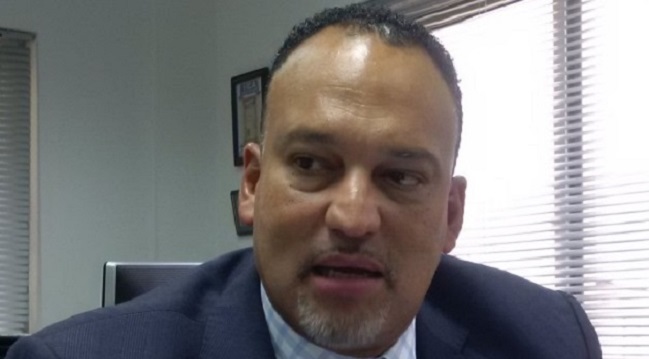
Ayotunde Coker, managing director, Open Access Data Centres has reiterated availability of abundant capacity and world-class infrastructure in key data centres in Nigeria.

This is coming against the backdrop of the Central Bank of Nigeria (CBN) directive to banks, fintechs, mobile money operators, and other payment service providers to host their payment transaction data generated within Nigeria on local servers from January 1st, 2027.
Mr. Coker made the assertion at a media interactive session on readiness of major data centres in the country such as Open Access Data centres to effectively host financial sector data.
“As far as readiness is concerned, we have the co-location base, the co-infrastructure basis, and interconnection capability. Indigenous cloud companies are building out, such companies like Unicloud Africa, Layer 3 within the data centres, adding cloud capability, and providing cloud solutions to local companies.
“The other key thing with the directive is that it sends a signal to the world that data sovereignty localization is key. And will also trigger the global providers to bring their own scale of cloud in here in time, which is good for building our digital infrastructure scale”.
The CBN directive signed by the Director of the Payments System Supervision Department, Rakiya Yusuf, also introduced new market structure rules, beneficial ownership disclosure requirements and systemic oversight measures for payment service operators.
According to the apex bank, the reforms became necessary following the rapid expansion of electronic payments and digital financial services across the country.
The CBN said it had observed “significant structural developments within the Nigerian Payments ecosystem, characterized by rapid growth in electronic payments, increasing adoption of digital financial services, and the emergence of operators with substantial market presence across key payment activities.”
It noted that while the growth had improved innovation, efficiency and financial inclusion, it had also created concerns around market concentration, operational dependence, ownership transparency and the storage of critical payments data.
To address these concerns, the regulator ordered all financial institutions facilitating payments in Nigeria to ensure that transaction data generated within the country are stored domestically.
The circular stated, “All Financial Institutions and participants facilitating payments within Nigeria shall ensure that payments transaction data generated within Nigeria are stored and managed in Nigeria in accordance with data protection laws and regulations applicable in Nigeria.”
It added that “all affected Financial Institutions shall fully comply with this requirement effective January 1, 2027.”
The move is expected to strengthen regulatory oversight, enhance data sovereignty and ensure that sensitive payment information remains within Nigeria’s jurisdiction.
It also aligns with broader efforts by regulators globally to localise critical financial data and reduce reliance on offshore infrastructure.

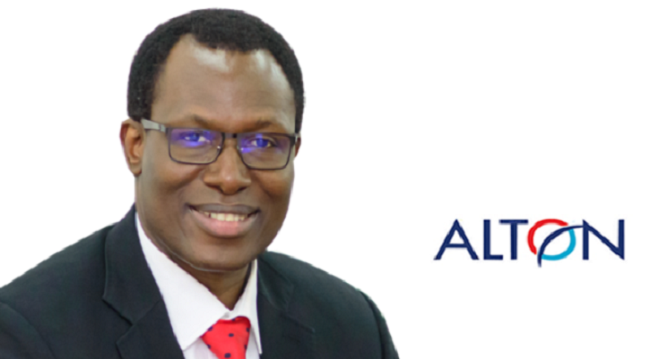
Association of Licensed Telecommunications Operators of Nigeria has thrown its weight behind the Nigerian Communications Commission’s push for local smartphone manufacturing, saying the initiative could significantly boost digital inclusion, create jobs and position Nigeria as a technology manufacturing hub.

ALTON Chairman, Gbenga Adebayo, gave the endorsement on Saturday while reacting to the call by the Chairman of the NCC Governing Board, Idris Olorunnimbe, for increased local smartphone production and innovative financing models to make devices more affordable.
Adebayo described the proposal as a practical response to one of the biggest barriers to digital inclusion in Nigeria, noting that smartphone affordability had overtaken network coverage and data costs as the major obstacle to broadband adoption.
He said Nigeria must deliberately shift from being a consumer of technology to becoming a producer, innovator and exporter of digital technologies.
“Our ambition should extend beyond assembling devices. We must pursue genuine knowledge transfer, research and development, product engineering, software development, semiconductor capabilities and large-scale manufacturing,” he said.
According to him, Nigeria possesses the population size, telecommunications market and youthful workforce needed to build a globally competitive technology manufacturing industry.
He said the country’s long-term objective should be to produce smartphones and other digital technologies not only for domestic consumption but also for export across Africa and the global market.
Adebayo said the emergence of Artificial Intelligence had further strengthened Nigeria’s opportunity to become a major technology manufacturing destination.
He explained that AI was already transforming manufacturing through improved product design, quality assurance, supply chain management and customer experience.
He noted that investments in AI-enabled production would improve productivity, create high-value jobs and strengthen Nigeria’s competitiveness.
The telecom operators’ chairman also backed the NCC’s proposal to tackle the proliferation of counterfeit and non-type-approved devices.
He described the grey market as a major challenge affecting consumers, original equipment manufacturers and the telecommunications ecosystem.
According to him, robust local manufacturing supported by strong quality standards and effective type approval would provide credible alternatives to substandard imported devices while boosting consumer confidence.
“This will strengthen consumer protection, improve network performance, retain greater value within our economy and stimulate industrial growth,” he said.
Adebayo further endorsed innovative smartphone financing models, improved device management systems and identity-enabled credit frameworks, saying they would enable more Nigerians to own quality smartphones through affordable payment plans.
He said telecom operators were ready to partner with the government, manufacturers, financiers, investors, academia and development partners to establish a sustainable local manufacturing ecosystem.
“The initiative represents a national economic transformation agenda capable of creating jobs and strengthening Nigeria’s position in the global digital economy,” he added.
Olorunnimbe had, during the Digital Africa Summit Roundtable in Shanghai, argued that Nigeria’s biggest digital inclusion challenge was no longer network coverage or data affordability but the high cost of smartphones.
He urged coordinated efforts involving local manufacturing, trusted devices, financing and policy reforms to accelerate broadband penetration and unlock the country’s digital economy.

FCCPC Dismisses Report Claiming Approval of 48 New Loan Apps

ALTON Backs NCC’s Local Smartphone Manufacturing Drive to Widen Digital Access

LASTMA Launches 3367 Toll-Free Hotline for Emergency Response, Traffic Management

PalmPay Calls for Trust, Infrastructure and Responsible AI to Drive Payment Ecosystem Innovation

OADC Reaffirms Abundant Capacity in Data Centres in Nigeria to Host Financial Data

CBN Extends PoS Geo-Fencing Enforcement Deadline to August 2026

London Strengthens Global Investment Ties with Africa @ First Ever London-Africa Business Summit

Mobile Internet Gender Gap Widest in Africa – GSMA

FG Targets Alleged N3tn Capital Flight, Opens Airtime Credit Market to Nigerian Fintechs

Japan, UNESCO Boost Digital Learning in 15 CoEs with Donation of ICT Equipment




 General News2 days ago
Tinubu appoints Adigwe to head National Health Technology, Data Analytics Office

 E-Financial2 days ago
NRS, CITN Deepen Partnership to Strengthen Tax Awareness

 E-Financial2 days ago
Paystack Unveils AI-powered Payments Tools

 E-Financial2 days ago
Fidelity Bank Wins DBN Award for Expanding First-Time Credit Access to MSMEs

 General News2 days ago
PalmPay Strengthens Data Protection Culture with Employee Privacy Workshop and Privacy Champions Programme

 E-Financial2 days ago
FCMB Turns Normal Banking into Rewards with New Mobile App Upgrade

 Telecom2 days ago
Meta, FG Unveil New Safety Measures to Protect Nigerian Teens Online

 E-Financial2 days ago
Despite Warnings, FG Draws Down $1.5Bn as First Tranche of FAB $5Bn Loan Deal