

General News
Four Drivers of Nigerian Digital Advertising in 2023


By Brian Abel, Regional Sales Manager, West Africa, Ad Dynamo by Aleph
Nigeria has long been considered Africa’s largest economy in terms of GDP, this should come as no huge surprise, especially considering its population of over 200 million, making it the largest in the continent, and boasting an abundance of natural resources, as well as strong trade links with its neighbouring countries. However, as vast as the Nigerian economy may appear to be, it is still very much going through stages of growth.

Helping to drive this evolution is the rapid digitalisation of many economic sectors. Consider the financial sector for example, while Nigeria has been a major centre of African banking for many years, recently it has also become the leading fintech player in the continent. Moreover, of Africa’s handful of unicorns (start-ups valued at more than US$1 billion), the majority are in fact headquartered in Nigeria.
Rapid digitalisation has also impacted the world of advertising, with the country’s current digital advertising sphere worth over $179.20 million. And, as we know, digital advertising isn’t static, it’s constantly evolving, driven by ever-shifting trends, a fact that remains as true now, in 2023, then it has ever been. With that in mind, it is beneficial to understand the major trends, and recognise which are set to impact Nigerian digital advertising over the course of the year.
Twitter to build on its return
At the start of 2022, the Nigerian government reversed its seven-month ban on Twitter. At first, ordinary Nigerians and advertisers alike were a little cautious when it came to returning to the social network. After all, once a service has been banned, it’s hard to imagine that the same might not happen again.
Fortunately, Twitter and the Nigerian government were able to come to an agreement, developing a Code of Conduct in line with global best practices. Over the months that followed, Twitter continued to make gains and once again proven its worth. The platform is slowly but surely securing its stance as the best location for advertisers to reach mass audiences, enabling them to build brand recognition, whilst developing trust, establishing relationships, increasing sales, and improving the customer’s experience.
While the government is keeping a close eye on the social network, especially following Elon Musk’s acquisition, it is set to remain a valuable digital advertising platform in 2023.
Post-Covid adjustments
During the peak of Covid-19 between 2020 and 2021, came an unexpected shining light for digital marketing and technology companies alike. With strict lockdowns in place globally, people were mostly confined to homes, and it should come as no shock that the need to connect took on new forms, as the masses flocked to their online devices to reach loved ones, purchase goods, and seek a sense of normality.
However, as we stepped back into the outside world again, both tech and digital marketing witnessed revenue hits. Nigeria was not spared this cooling-off period, which was exacerbated by internet access issues for people during the year. That said, as connectivity becomes more reliable, ubiquitous, and affordable, digital marketing should continue its rise, with some analysts predicting that the sector will be worth close to $259 million by 2027. Not to mention, once the Pan-African telecommunications service provider, Seacom, launches their West African hub in 2023, that number could be reached even faster.
Marketers leverage entertainment and media
As far back as 2017, PwC predicted that Nigeria would be the world’s fastest-growing entertainment and media market. While Turkey currently holds the top spot, E&M growth in Nigeria remains strong. In fact, analysts predict that spending in the sector will increase by an average of just below 9% in the next five years.
One of the most visible areas of growth can be seen in music streaming. Since its Nigerian launch in February 2021, Spotify has achieved impressive growth in the country. Within a year after launching in Nigeria, music fans in the country had curated some 1.3 million user-generated playlists. Additionally, during the same period, nearly 21,000 songs were added to the platform. In fact, Nigeria was the country with the second most streams after Pakistan, among new markets, with Kenya following behind third in the ranking.
Digital marketers and media platforms have embraced the potential that comes with this advertising growth. Spotify, for example, has a 3D audio feature which allows brands to provide high-quality advertising through an immersive, dynamic, and sensory audio experience. Advertisers around the world have also realised this power and spend is expected to increase in Nigeria, and on a global scale.
Demand for digital marketing skills grows
One of the effects of the accelerated growth in Nigeria’s digital advertising sector has been a growing gap between the available skills and those required to operate effectively. While it’s a figure that applies to more than just digital advertising, research from the International Finance Corporation (IFC) reveals that approximately 230 million jobs across Africa will require digital skills by 2030.
Fortunately, a number of players have stepped forward to try and turn the situation around. Our own Digital Ad Expert Programme, for instance, aims to educate, certify, and connect thousands of Africans with the digital skills they need, enabling them to succeed in this increasingly digitised economy. Whilst these skills will of course open the door to an array of career opportunities in digital advertising, they will also accelerate the broader digital economy and provide much-needed jobs on a global scale.
Embracing shifts
Ultimately, whilst at present we foresee these trends to be the 2023 drivers for the world of digital advertising and marketing, it is important not to dismiss the possible emergence of others throughout the coming year. Thus, the ability to understand and navigate these shifts will be your key. This can, however, be not notoriously difficult, and therefore using a media buying partner, with significant experience in Nigeria and across the biggest digital platforms, to guide you through the maze can go a long way.



Nigeria Centre for Disease Control and Prevention (NCDC) has raised alarm over ravage of Lassa fever cases across 18 states and 67 Local Government Areas (LGAs) of the country.

Dr Jide Idris, director-general of NCDC, in statement yesterday, said that Bauchi, Ondo, Taraba, Edo and Benue accounted for more than 80 per cent of confirmed cases recorded during the 2026 peak transmission season.
Idris, described as particularly worrisome the growing infections among healthcare workers, with 28 confirmed cases and three deaths reported so far this season.
NCDC attributed the sustained transmission and rising fatalities to operational gaps at the state level, urging urgent action to strengthen outbreak response and control measures.
According to Idris, field investigations showed most transmissions were occurring in known endemic areas, but weak implementation of established response frameworks had contributed to the continued spread and higher case fatality rate.
He said that gaps identified include infections in general outpatient and maternity settings, poor adherence to Infection Prevention and Control (IPC) protocols, and inadequate pre-positioning of Personal Protective Equipment (PPE).
He added that delayed patient presentation due to financial barriers, inconsistent activation of State Incident Management Systems, weak contact tracing, persistent stigma and poor isolation centre standards were also driving transmission.
Idris emphasised that outbreak response implementation and health service delivery fell primarily under state governments within Nigeria’s federal structure, urging them to strengthen accountability and resource allocation.
He called on affected and high-risk states to urgently activate and closely monitor their Incident Management Systems, ensuring timely coordination and efficient outbreak response at all levels of healthcare delivery.
He also urged the immediate release of response funds, strict enforcement of Infection Prevention and Control (IPC) compliance in public and private health facilities, and continuous availability of PPE and other critical supplies.
The NCDC boss also advocated accelerated financial protection mechanisms to reduce late presentation and high fatality rates, alongside institutionalised rodent control and environmental sanitation measures under a One Health approach.
He advised healthcare workers to maintain a high index of suspicion and adhere strictly to IPC guidelines.
He also urged the public to keep environments clean, prevent rodent entry into homes, store food safely and seek early medical care when symptoms appeared.
Idris noted that Lassa fever was treatable, with improved outcomes when detected early, adding that Nigeria was also responding to other epidemic-prone diseases including Cerebrospinal Meningitis, Diphtheria, Mpox and Cholera.
He reiterated NCDC’s toll-free emergency line, 6232, for reporting suspected cases and obtaining further information

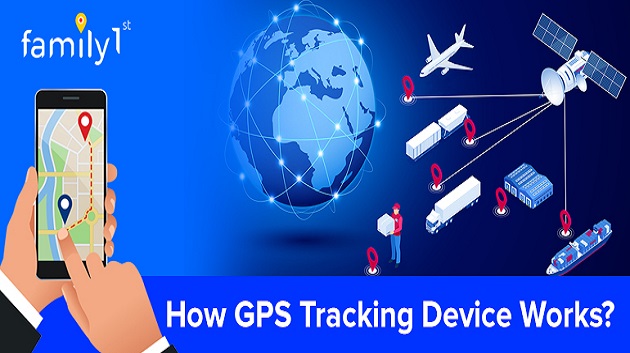
The Lagos State Traffic Management Authority (LASTMA) has deployed a number of real-time digital solutions, including surveillance drones, GPS-enabled patrol vehicles, and automatic incident detection software.

The agency has also established a central command and control centre to reduce emergency response times and improve traffic safety throughout Lagos.
According to the agency, the digital transition will replace manual reporting and fragmented coordination with an integrated, data-driven platform capable of instantaneously detecting, verifying, and dispatching responders to crashes and breakdowns.
According to general manager Olalekan Bakare-Oki, LASTMA, body cameras, mobile data terminals, and toll-free hotlines now feed into a unified operations hub that gives real-time visibility of traffic situations across the state.
Incidents detected by digital surveillance are validated in real time and dispatched to the nearest patrol team using GPS tracking, while officers are instructed via modern communication devices.
According to the agency, the system has eliminated delays caused by poor event reporting and logistical constraints, enabling faster diversions, quicker clearance of accident scenes, and better coordination with medical and security agencies.
Field commanders and rescue teams now operate on synchronised data networks, allowing immediate decisions that reduce secondary crashes and prolonged congestion.
According to LASTMA’s 2025 operational summary, the agency rescued 1,075 people from crash scenes, and impounded 17,169 vehicles for various traffic violations across Lagos through its toll-free hotline.
These figures reflect how timely reporting and coordinated response have already reduced secondary accidents and eased congestion, according to the agency.
It went on to it achieved this with the toll-free reporting system, body cameras, and field coordination networks but with the newly deployed suite of smart technologies, the agency’s impact is poised to multiply.
Bakare-Oki said the upgrade aligns with the state’s smart-city agenda, positioning LASTMA as a technology-enabled public safety agency and laying the groundwork for faster, more reliable mobility management on Lagos roads.

This International Women’s Day 2026, the world is saying “Give to Gain.” PalmPay is turning this message into action by empowering young women with the skills and resources to thrive in today’s fast evolving economy.

The PalmPay Purple Woman 3.0 is a 3-Day Digital Financial & Technology Masterclass created to bridge the gender gap in tech. The program is designed to equip women with practical, job ready skills while also providing job opportunities for career growth.
Launched in 2024, the Purple Woman initiative has impacted 150 women in specialized fields, including Data Analysis, Software Engineering, and Product Management, with learning resources and hands-on skills to launch them into the competitive job market.
From March 5–7, 2026, 100 women aged 18–30 will be selected through a competitive application process to participate in this year’s cohort. Over three immersive days, participants will receive hands-on training from industry experts in digital finance and technology.
And it doesn’t end there.
Ten outstanding participants will secure a 3-6month internship with PalmPay, gaining practical fintech experience that can shape their professional journey.
For participants of this initiative, the Purple Woman Program isn’t just about learning new skills, it’s about building networks, gaining confidence and unlocking bigger opportunities that will positively impact the trajectory of their careers.
For more information about the Purple Woman initiative, visit @PalmPayappng

SEC Revokes Registration of Kensington Agro Trading Limited

NCDC Raises Alarm over Lassa Fever Ravaging 18 States in Nigeria

Lagos Deploys Drones, AI to Boost Traffic Response

Purple Woman 3.0 Is Back, to Empower Women in Tech this IWD 2026

NRS Targets N40trillion in Tax, Royalty Revenue in 2026

Accidental Billionaire Opts for Jail Instead of Returning Money Credited Him by Mistake

Kaspersky Brings more Transparency to Threat Detection with New Hunt Hub

Dr. Cairo Ojougboh Foundation Bolsters Nigeria’s Education Drive with ₦2.7m Student Support

NDPC Commits to Balancing Data Privacy, Protection Information

OADC Lagos Reinforces Commitment to Local Data Hosting and Digital Transformation @ NDPC’s National Privacy Week Summit




 E-Financial2 days ago
Iran-Israel-US Conflict and CBN’s FX Gains: A Stress Test for Nigeria’s Monetary Stability

 E-Financial2 days ago
Mutual Benefits Assurance Reaffirms Full Regulatory Compliance, Enhanced Governance

 General News2 days ago
JAMB Uncovers AI-Driven Fraud Targeting UTME Candidates, Warns Parents

 General News2 days ago
SERAP Asks FCCPC to Investigate Google, Meta, Others over Alleged Rights Abuses

 News2 days ago
TeamApt, Awabah Partner to Boost Pension Drive for Nigerians

 News2 days ago
FlashChange CEO, Bidemi Oke, Urges Startups to Build Strong Governance Structures Early

 Telecom1 day ago
Why Digital Trust Matters: Secure, Responsible AI for African SMEs?

 E-Financial2 days ago
Reps Mull Commission to Regulate Fintech Operations