

News
Ghana Partners Nigeria to Build Trade, Investment Opportunities


The Ghana High Commission to Nigeria, has announced its readiness to boost business opportunities with Nigeria. Recall that there has been a fuss between the Ghana Government and the Nigerian traders in Ghana when the Nigerian traders were asked to register their businesses with a minimum of $1 million.

Despite these disagreements, the Ghana Nigeria Business Council, GNBC, and Ghana Investment Promotion Center, GIPC, in during the 2022 CEO forum, themed: “Ghana & Nigeria Stronger Together, held in Abuja, announced its willingness to collaborate with Nigeria on expanding business ties since both countries have the largest economies with thr West Africa.
Speaking during the event, the Ghana High Commissioner to Nigeria, H.E Rashir Bawa, said since Nigeria and Ghana enjoy a long-standing socio cultural, economic relationship, this collaboration would enhance and boost the economy strength of both states.
He said: “This is first Ghana and Nigeria business council meeting and we are looking at various areas of cooperation.
“We are having series of meetings that took place in the last two days trying to do meetings. We are looking at non oil of course, in the area of cassava production, in the area of ginger both from raw materials to manufacturing.

“We have had the framework of the ECOWAS protocol in the last 40 years to promote these kind of activities, and then we have the continental free trade which is coming into fruition.
“As we know, Ghana, Nigeria, two big economies within the South region.
It is high time that we formalize these engagement in order to take full advantage of the potentials in Ghana and Nigeria. That is precisely the reason why this forum is kick started.
“This is a matter as we indicated in house that Ghana, Nigeria relations three days independence so it started during the Trans Sahara trade.
“These matters have been there for some time. Efforts have been made from the highest level. The president of the federal republic of Nigeria and that means counterparts in Ghana have put heads together in other to resolve this matter.
“Directors of various ministries of trade, both Ghana and Nigeria to also come together with a framework, that framework culminated to the signing of the memorandum of understanding last year, as we speak, the technical committee is is in place in order to iron out some of these rough edges of this seemingly perennial problem of Nigerian traders in Ghana. I must say that it is so insignificant if you look at in terms of investors investment of Nigerians in Ghana but of course it is a matter that needs to be resolved.
“So I must say that is not a general happening in Ghana in the spirits of Nigeria not being treated, it is a matter that as you are aware even two siblings sometimes have a little bit of misunderstanding which will be ironed out soon and it will be a thing of the past.
“It is going to be huge as was indicated. We don’t want it to be a one time forum we want it to be continuous as we speak the Nigera investment council, the Ghana investment commission council are working out arrangements to have annual meetings among themselves.
“There will be a cordination between the Ghanian business men and the Nigerian Business men. We belive that pretty soon we will have a second collaboration that will be of benefits for both countries.”
To this end, the Nigeria’s Minister of Foreign Affairs, Geoffrey Onyeama, commended the Ghana High Commissioner, stating that this partnership is coming in a time when both countries are to join hands together in utilizing their potentials.
Geoffrey Onyeama, who was represented by Amb. Mustapha Mukaila, Director of the West African Division in the ministry, further stated that despite the issues between the Ghana government and the Nigerian Traders in Ghana, the collaboration would enhance the business relationship that has always existed between the states.
He further stressed that federal government is making efforts to address and give adequate protection to the Nigerian traders in Ghana.
He said: “Nigeria as a country, and Ghana we have excellent relations. And this program is part of the framework for further improving and strengthen the relationship between Nigeria, and Ghana, especially in the economic field.
“We will are recollect that Nigeria government has the policy in the federal ministry of foreign affairs for economic diplomacy. This program is part of our efforts to further improve and further relations in economy field with Ghana and other other countries with the Africa, continent.
“Last month in January, specifically, the Honorable Minister of Trade investments, set up a committee, a joint ministerial committee, consisting of officials of Minister of Trade for Fireign affairs, cutoms, etc, to look at this particular problem, so also the joint committee between Nigeria and Ghana, at the administral level that we work to resolve the issues or problem of Nigerian traders in Ghana.
“As we all know that the problem was in 2007. When the shops of Nigerians in Ghana were closed and since then, we set up mechanism to solve this.
“And I can assure you that the way we see this is a very important program for Nigeria to make sure that our compatriots in Ghana, have adequate protection to do their work and Nigeria “Government is working assiduously to resolve this and that is the main tasks of this administarial Committee, which was set up by the minister of Trade, investment and industry last month.
“And their role is to make sure that the rules of the game is adhered by the members. If you recollect, the issue and the genesis of this problem in Ghana is when the Ghana government came out with a policy that Nigeria traders should register with a minimum of $1 million. It is a law in Ghana, and many within the ECOWAS is this may not be compatible with ECOWAS protocol.
“And as the ECOWAS commission is trying to resolve this, with the government of Ghana government of Nigeria, of course, every country has a sovereign right to impose rules and regulations but if you are a member of a super national organization like ECOWAS, and you signed to the protocol, you are under international law. You have the obligation to enforce that protocol within your territory.
“And I think this is what ECOWAS is very useful in resolving this to make sure that it ECOWAS protocols are adhered to in Ghana, and in Nigeria, and everywhere.”


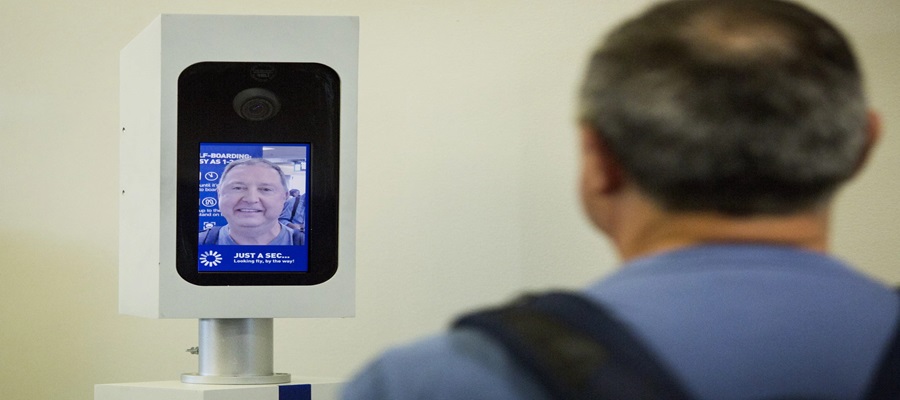
Federal Airports Authority of Nigeria (FAAN) has announced plans to introduce a biometric identity verification system, known as V-Pass, to speed up passenger processing and enhance security at domestic airports nationwide.

This initiative is aimed at strengthening aviation security, reducing passenger processing time and eliminating dependence on physical identity documents.
A statement issued yesterday by Henry Agbebire, director of Public Affairs and Consumer Protection, FAAN, said the new facial recognition platform, developed in partnership with Verxid Technologies Limited, would enable passengers to verify their identities through biometric authentication, allowing them seamless access through airport security checkpoints and boarding gates.
According to him, the initiative formed the focus of a strategic meeting between FAAN and Verxid Technologies Limited, where both organisations reviewed deployment plans, security safeguards and measures to improve passenger experience.
The statement hinted that the authority centred on ensuring the successful rollout of the digital platform while maintaining high security standards.
The statement quoted, Adebola Agunbiade, director of Commercial and Business Development, FAAN, as describing the V-Pass as another milestone in the authority’s ongoing digital transformation programme.
According to her, the platform indicated FAAN’s commitment to deploying innovative technology that enhances passenger facilitation while reinforcing aviation security across domestic airports.
She assured that the system would provide every traveller with a secure digital identity through a one-time enrolment process.
Under the arrangement, Nigerian passengers would register using their National Identification Number (NIN) alongside facial biometric capture, while foreign travellers would enroll with their passports through Optical Character Recognition (OCR) supported by biometric authentication, the statement added.
FAAN said the system would verify passenger identities before they gain access to restricted airport areas and once again before boarding their flights.
The agency noted that the dual-verification process was designed to prevent identity fraud, impersonation and unauthorised access to airport facilities, while giving security agencies greater confidence in passenger authentication.
Passengers would be able to complete the verification process either through self-service kiosks or with assistance from trained FAAN personnel.
The deployment would also include electronic gates to automate access into controlled areas, reduce queues and improve passenger movement across airport terminals.
According to the developers, first-time registration is expected to take about one minute, while subsequent biometric verification would take less than 30 seconds.
Apart from passenger processing, the V-Pass platform would also provide airlines with secure digital access to flight schedules, passenger manifests and boarding statistics.
FAAN assured travellers that data protection remained a critical component of the project, stressing that the platform fully complies with the Nigeria Data Protection Regulation (NDPR).
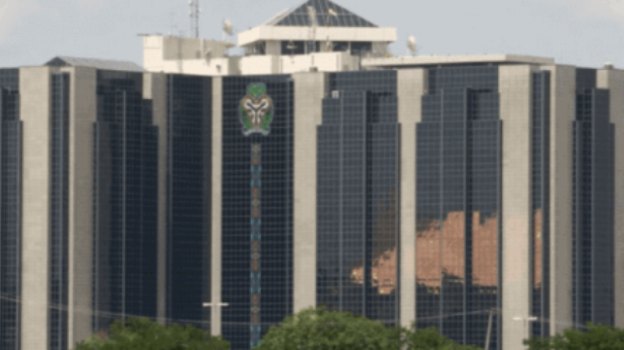
The Central Bank of Nigeria (CBN) has launched a new system to monitor how Bureau De Change (BDC) operators buy foreign exchange in the country.

Under the new arrangement, all licensed BDCs must report their foreign exchange purchases through a platform called the FX BDC Purchase Tracker (FXBT). The portal will allow the CBN to monitor transactions in real time or on the same day they take place.
The directive was announced in a circular dated July 15, 2026, and signed by the Director of the CBN’s Trade and Exchange Department, Aderinola Shonekan.
According to the apex bank, the new framework is designed to support its February 2026 policy that allows licensed BDCs to buy foreign exchange directly from authorised dealer banks in the Nigerian Foreign Exchange Market (NFEM).
The CBN said the initiative will improve transparency, strengthen compliance, increase liquidity in the retail forex market, and ensure proper participation by market operators.
A major feature of the framework is the FXBT portal, which will serve as a central database for tracking all foreign exchange purchases made by BDCs from banks.
Under the guidelines, every licensed BDC must register on the platform and submit transaction details either in real time or on the same day the transactions occur.
The CBN stated that the system will help regulators identify violations, detect suspicious transactions, monitor compliance with market rules, and improve confidence in the foreign exchange market.
The framework builds on the CBN’s February 2026 decision to allow licensed BDCs back into the official foreign exchange market. Under that policy, each eligible BDC can purchase up to $150,000 weekly from authorised dealer banks at market rates.
The apex bank said only BDCs with valid licences will be allowed to access foreign exchange through the framework. Operators whose licences have been suspended or restricted due to regulatory issues will not be eligible until those restrictions are lifted.
The CBN also directed banks to carry out thorough Know Your Customer (KYC) and customer due diligence checks before onboarding any BDC. Required documents include valid operating licences, Tax Identification Numbers (TIN), Corporate Affairs Commission (CAC) registration documents, and information on beneficial ownership.
Banks have also been warned not to sell foreign exchange to BDCs that fail to meet the required compliance standards.
To encourage fair competition, the CBN said BDCs can buy foreign exchange from any authorized dealer bank of their choice. Banks are prohibited from forcing BDCs into exclusive arrangements or charging referral fees that limit their ability to transact with other banks.
Under the new process, BDCs must submit electronic requests for foreign exchange through a bank’s designated portal. Banks are required to acknowledge requests within two business hours and communicate approvals or rejections immediately after processing.
Requests can only be rejected for valid reasons, such as incomplete documentation, exceeding weekly purchase limits, unresolved compliance concerns, or internal risk management issues.
The CBN also introduced stricter rules on how purchased foreign exchange can be used. All transactions between banks and BDCs, as well as between BDCs and customers, must be conducted through accounts held with licensed financial institutions. Third-party transactions remain prohibited.
In addition, BDCs are not allowed to keep unused foreign exchange purchased through the official market. Any unused funds must be sold back into the market within 24 hours after the permitted usage period expires.
The apex bank warned that failure to comply could lead to forfeiture of funds and suspension from the market.
BDC operators must also disclose any unused balances from previous allocations when applying for new purchases, while banks are expected to consider those balances when calculating weekly allocations.
Beyond reporting through the FXBT portal, BDCs must continue submitting weekly reports to the CBN. These reports must include details of foreign exchange purchased from banks, sales to end users, unused balances, and settlement records.
The CBN said the reporting requirements will improve transparency and help regulators better monitor foreign exchange flows in the retail market.
The bank warned that violations of the framework could attract penalties under the Banks and Other Financial Institutions Act (BOFIA) 2020 and the Foreign Exchange Act. Sanctions may include fines, suspension from the foreign exchange market, withdrawal of BDC licences, revocation of banks’ authorised dealer status, and referrals to law enforcement agencies where necessary.
The CBN’s Trade and Exchange Department will oversee compliance through regular and surprise inspections carried out in collaboration with other departments.
The apex bank said the new directive is part of its wider efforts to reform the foreign exchange market, improve transparency, boost liquidity, and restore confidence in the system.
Concerns over compliance breaches, speculative trading, and abuse of foreign exchange allocations had continued even after BDCs were reintroduced into the official market earlier this year.
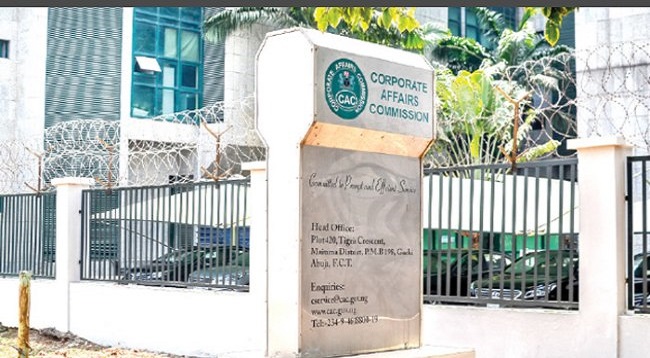
The Corporate Affairs Commission (CAC) has announced the commencement of another exercise to remove 100,000 companies from Nigeria’s register of companies for failing to comply with statutory requirements under the Companies and Allied Matters Act (CAMA), 2020.

In a public notice issued on Thursday, and dated July 15, 2026, the commission said the exercise was being carried out pursuant to Sections 692(3) and 692(4) of the Companies and Allied Matters Act, 2020.
The notice stated: “This is to notify the General Public and Esteemed Customers that the Corporate Affairs Commission has commenced another round of striking off names of companies from the Register pursuant to the provisions of Section 692 (3) and (4) of the Companies and Allied Matters Act, 2020.”
According to the commission, the affected companies are listed on its official website.
“The list of the affected One Hundred Thousand (100,000) companies can be accessed at the Commission’s Website,” the notice said.
The CAC directed all affected companies to update their records by filing outstanding annual returns and beneficial ownership information within 90 days.
“The affected companies are hereby advised to take steps to file all outstanding Annual Returns (and by extension Persons with Significant Control/Beneficial Ownership information) and regularize their records within ninety (90) days of this notice,” the commission said.
It added that companies must send proof of compliance to the designated email address, [email protected], within the stipulated period.
The commission warned that failure to comply would result in the affected companies being removed from the register without any further notice.
“Please note that companies that fail to comply within the stipulated timeline shall be struck off the Register without further notice,” the notice stated.
The CAC reiterated its commitment to improving service delivery, saying, “The Commission remains committed to providing prompt and efficient services to the satisfaction of our valued customers.”

FAAN to Replace Physical ID Check with V-Pass Biometric Verification

World Bank Says 79 Percent of Nigerians Still Trapped in Poverty despite Reforms

SEC Begins Drive to Recover Unclaimed Dividends

ntel Plays Down Calls and Data Services, Moves to BET Agenda

Nigeria Facing Rising Cybercrime Losses – Report

NRC, Ponzi Scheme Collapses Resulting Loss of Billions of Naira

Nigeria Launches FreeTV Nationwide

NASENI Moves to Digitize CCB’s 5m Assets Declaration and Operations

Lebara Nigeria Launches Lebara Play, Africa’s First Telecom-Owned Micro-Drama Platform

CANAL+ Partners Samsung to Pre-Load DStv Stream on New Samsung TVs In Nigeria, Other African Countries




 E-Business2 days ago
TD Africa Sponsors Check Point Secure 360 Summit to Boost Cybersecurity in Nigeria

 Telecom2 days ago
MTN Foundation, MUSON Celebrate Emerging Music Talents at 2026 Graduation Ceremony

 Telecom2 days ago
NITDA Calls for Digital Infrastructure Expansion to Drive Nigeria’s Industrialisation

 News2 days ago
Guinness Rolls Out Nationwide Consumer Rewards Promotion

 E-Financial2 days ago
Next Currency Crisis May Turn $300Bn in Stablecoins into National Currencies

 General News2 days ago
First Trustees Advocates Estate Planning as an Essential Tool in Every Wealth Creation Strategy

 E-Financial2 days ago
Gigbanc Nigerian Fintech Startup Closes Shop after 3 Years

 Broadcasting2 days ago
Mbunabo, Nigerian Filmmaker Accuses Ghana TV Stations of Pirating Nollywood Films