

Broadcasting
Google Arts & Culture Partners with CyArk and The Adunni Olorisha Trust to digitally preserve Osun Osogbo Sacred Grove

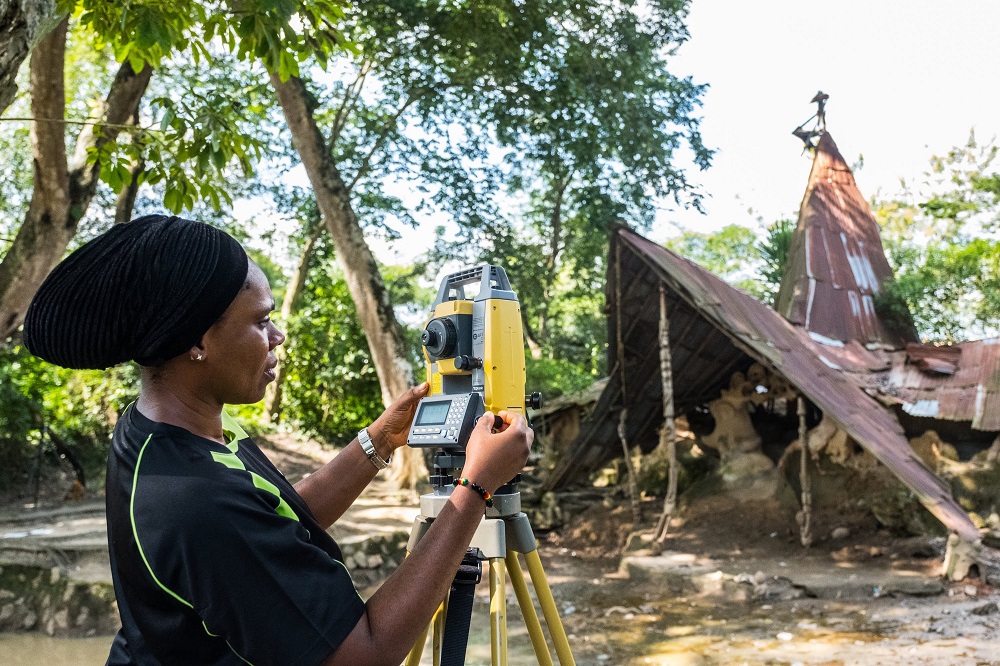
Google Arts & Culture on Thursday partnered with The Adunni Olorisha Trust and CyArk to announce the launch of the first and largest digital library of content showcasing the Osun Osogbo Sacred Grove.

Dr. Ijeoma adjusts the total station at Busanyin shrine
The launch, which marks the digital preservation of one of Nigeria’s last remaining sacred groves, is part of Google Arts and Culture’s wider Heritage on the Edge project. The project seeks to support site managers in digitally documenting heritage sites at risk due to climate change, using the imagery captured to further support community maintenance and conservation.
The Osun Osogbo Sacred Grove project can be explored via goo.gle/osun-osogbo. Highlights include a 75ha Street View of the Osun Osogbo Sacred Grove, including the Busanyin Shrine before it was affected by the flood and 3D models of four of the site’s dynamic shrines. The collection allows people to view 900 high-resolution photographs of the site, contemporary and historical artworks and sculptures, artists and spiritual leaders. It also tells 28 stories about art, community and spirituality at the Osun Osogbo Sacred Grove, and the effect of climate change at the site and includes three audio interviews, including one with popular artist Jimoh Buraimoh about Susanne Wenger.

Artist Adebisi Akanji c. Adunni Olorisha Trust _ Osun Foundation
The project also allows visitors to watch 27 video interviews and see aerial views and 3D views of the site while annotated 3D tours of the Busanyin and Iya Moopo shrines showcase the legacy of art and spirituality at the sacred grove.
“Google Arts & Culture’s mission is to preserve and promote the world’s art and culture online, allowing anyone, anywhere in the world to share in it. We are grateful that through partnerships we are now able to preserve one of the most recognised, culturally rich Yoruba heritage sites, known for active traditional worship and contemporary art movements,” says Chance Coughenour, Program Manager and Digital Archaeologist, Google Arts & Culture.
“Through the use of state-of-the-art technologies, site managers will be able to monitor and mitigate the effects of the changing climate and more broadly provide resources to support growing the capacity for the preservation of heritage sites” added Coughenour.

Located on the forested banks of the Osun river in the city of Osogbo, in Osun State of Nigeria, the Osun Osogbo Sacred Grove, a UNESCO World Heritage site is several centuries old and among the last sacred groves of their kind which joined the edges of most Yoruba cities before the mass shift from rural to urban areas.
In the site, Yoruba deities are embodied in shapely, sculpted shrines where creativity and spirituality come to life. Recently, the Grove has been in danger of destruction due to flooding, heavy rain and climate change. The Busanyin Shrine was damaged in floods shortly after being digitally captured.
“The Yoruba community is one of the largest in Nigeria and the Osun Osogbo Sacred Grove is truly a unique and special place that embodies the essence of the Yoruba culture and heritage. We are excited about the digital preservation of the site and the partnership with Google Arts & Culture. It offers a noteworthy body of work that portrays the admirable culture of the Yoruba people to the world,” says Olufemi A. Akinsanya Akinsanya, Chair, Save Our Art! Save Our Heritage! Campaign.

Flooding at Busanyin shrine
“CyArk’s work in Osogbo has been a true collaboration between Nigerian government officials, local NGOs, the community of Osogbo, and His Royal Highness Jimoh Oyetunji Olanipekun Larooye II, who are all working together to share the stories of Osogbo with a wider audience,” says Kacey Hadick, Director of Programs and Development, CyArk.
Alhaji Lai Mohammed, Honourable Minister of Information and Culture, Federal Republic of Nigeria, adds: “I am truly delighted that, for the first time ever, the Osun Osogbo Grove has been brought online, thanks to Google Arts and Culture, which has partnered with CyArk and the Adunni Olorisa Trust/Osun Foundation to digitise the shrine and its surroundings, thus protecting both for posterity.”
“I said during the visit to the Grove in 2019 that it was important to refocus national and global attention on this world heritage site, and I am glad we achieved our purpose, as can be attested to by this project digitising the shrine and its surroundings. I wish to most sincerely commend all the partners for this monumental work,” Alhaji Lai Mohammed says.

Through past projects like Taste of Nigeria and Eko for Show, Google Arts and Culture has helped people across the world experience Nigeria heritage and history. The launch of the Osun Osogbo Sacred Grove project allows new audiences locally and internationally an opportunity to experience its past, present and future, reinforcing Google’s commitment to preserving Nigeria’s cultural heritage.
Google Arts & Culture is available free to everyone on the web or via the Arts & Culture App on iOS and Android. Google Arts & Culture is a new way to experience art, history, culture, and world wonders from over 1000 organisations worldwide.


Mr. Charles Ebuebu, director General of the National Broadcasting Commission (NBC), has called on Nigerian content creators to actively participate in the country’s Digital Switchover (DSO), describing the transition as a major opportunity for visibility, revenue growth, and industry collaboration.

Mr. Charles Ebuebu, DG, NBC
Speaking as Special Guest of Honour at the induction ceremony of the Electronic Media Content Owners Association of Nigeria (EMCOAN) in Lagos, Ebuebu stressed that the success of the DSO depends on engaging content to populate the nation’s new digital channels.
“Without content, the DSO’s success would be incomplete. We are urging content owners to collaborate with the Commission to ensure Nigeria’s digital future is rich, diverse, and sustainable,” he said.
The NBC boss highlighted that the upcoming FreeTV Direct-to-Home (DTH) platform, along with its mobile applications, would provide content creators with nationwide reach, advanced analytics, and brand partnership opportunities.
Nigeria’s DSO, which marks the shift from analogue to digital broadcasting, is being implemented by the NBC using the Nigcomsat satellite infrastructure. The programme aims to deliver over 100 nationwide channels and expand access to Nigerians in remote areas via hybrid decoders, addressing long-standing infrastructure and funding challenges. The project, which has experienced delays since 2012, now has strong government backing and is scheduled for launch in April 2026.
Ebuebu commended EMCOAN members for their contributions to strengthening Nigeria’s creative economy and encouraged them to leverage the opportunities offered by the DSO to promote local stories, culture, and creativity on both national and global stages.
During the ceremony, EMCOAN honoured its distinguished members, naming Wale Adenuga, MFR, as Grand Patron and Mr. Yinka Adebayo as Patron.
Prominent figures in the broadcasting content industry, including Wale Adenuga, Opa Williams, Agatha Amata, Jibe Ologeh, High Chief Emeka Ossai, Debbie Odetayo, Amina Mohammed, and Frank Elaboya, attended the event.
Representing the NBC at the event was Mr. Ralph Akpan, director of the Lagos Zone, while EMCOAN president, Mr. Adeniji Omirin, MD of ADNOM Media, urged members to fully engage in the digital switchover.
Canal+ is to cut jobs at MultiChoice as part of a sweeping restructuring plan aimed at stabilising the African pay-TV operator, following years of operational and financial pressure.

The move comes alongside a planned $115 million capital injection, underscoring the urgency of efforts to revive the business after the French media group took control.
The planned layoffs are expected to form a core element of a broader cost-cutting and efficiency drive, as Canal+ seeks to streamline MultiChoice’s operations and improve profitability.
The restructuring signals a shift toward leaner operations, with a focus on eliminating redundancies and optimising the company’s cost base.
MultiChoice has struggled in recent years with declining subscriber numbers across key African markets, weighed down by macroeconomic pressures, currency volatility, and changing consumer behaviour.
The rise of global streaming platforms has intensified competition, chipping away at the company’s traditional pay-TV dominance.
Canal+’s intervention marks a pivotal moment for MultiChoice, reflecting a more aggressive approach to repositioning the business.
By combining fresh capital with structural reforms, the new owners are aiming to both stabilise short-term performance and lay the groundwork for longer-term growth.
The $115 million injection is expected to provide immediate financial relief, supporting operations and potential strategic initiatives.
However, the accompanying job cuts highlight the depth of the challenges facing the company and the scale of transformation required to restore competitiveness.
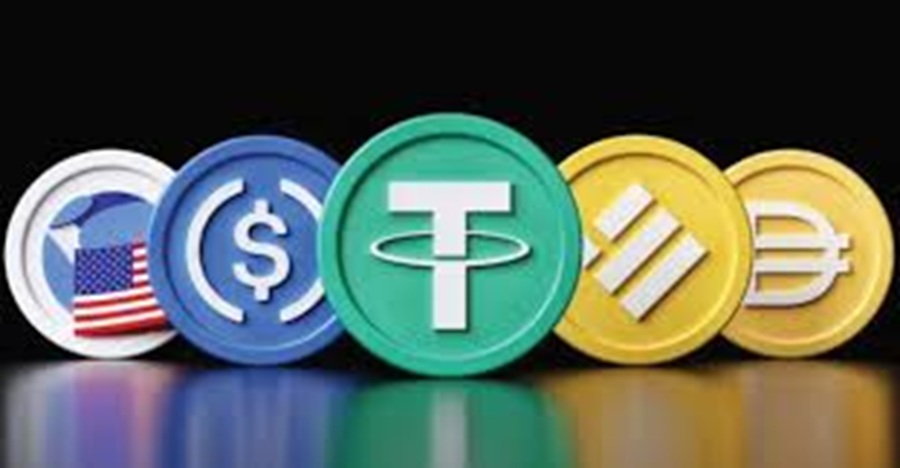
Nigeria has ranked first globally in the ownership of the two largest stablecoins, Tether (USDT) and USD Coin (USDC), reflecting the country’s growing reliance on dollar-linked digital assets.

USDT, USDC
Stablecoins such as USDT and USDC are designed to maintain a fixed value against the U.S. dollar, allowing users to store money digitally while avoiding the price volatility associated with cryptocurrencies like Bitcoin.
According to the 2026 Stablecoin Utility Report released by BVNK, about 59 percent of Nigerian crypto users hold USDT, while 48 percent own USDC, giving the country the highest combined ownership rate among all nations surveyed.
The report placed Nigeria ahead of several major economies, including Australia and India, highlighting the country’s strong adoption of dollar-denominated digital assets. Australia ranked second with 34 percent USDT ownership and 29 percent USDC, while India placed third with 30 percent USDT and 27 percent USDC holdings.
The study also examined adoption levels across other regions. Countries such as Colombia and Singapore showed strong usage of both stablecoins, while adoption levels were also notable in South Africa and the United States.
Other markets included in the analysis were Philippines, Thailand and Argentina, where stablecoin ownership has also increased significantly. Among European economies, the report said France and Germany showed moderate levels of adoption, while Latin American markets such as Mexico and Brazil recorded smaller but growing usage rates.
The United Kingdom also appeared in the ranking with modest levels of stablecoin ownership. The report noted that USDT ownership exceeds USDC in many countries, including Nigeria, Australia, India, Singapore, the Philippines, Thailand, Argentina and France.
However, USDC is often viewed as a more compliance-focused stablecoin because of its stronger transparency and regulatory alignment. In some markets, including South Africa, Colombia, Germany and Brazil, the report found that USDC adoption slightly exceeds USDT.
More broadly, the data suggests that stablecoin adoption is being driven largely by emerging economies rather than advanced financial markets. According to the report, countries such as Nigeria, Argentina and the Philippines are among the biggest users of stablecoins, where people increasingly rely on dollar-pegged digital assets to protect savings from currency volatility and facilitate cross-border payments.

Breaking…..Kuda Lays Off Many Employees in Broad Restructuring

NCC to Curb SIM Fraud, Strengthen Digital Security with New Platform

NBC Boss Urges Content Ceators to Participate in DSO

Kidnappers Now Use Banks to Collect Ransoms — Expert

CBN Says Bank Customers Won’t Lose Deposits because of Recapitalisation

Kaspersky Discovers New Phishing Campaign Exploiting Google Tasks Notifications to Steal Corporate Credentials

esentry 2025 Report Shows Healthcare, Financial Services and Telecoms as Staging Grounds for Increased Cyberattacks in Africa

Spotify’s Loud & Clear Report Reveals Over ₦60Bn Revenue for Nigerian Artists in 2025

MTN Nigeria Posts Record N1.70 Trillion Pre‑Tax Profit, Declares N20 Dividend for 2025

China Threatens to Shut Nigeria’s Satellite Over $11.44m Unpaid Debt




 E-Financial3 days ago
CBN Directs IMTOs to Open Naira Settlement Accounts

 Telecom3 days ago
Nigerians Lose N12.5Bn to AI-Driven Scams- PwC

 General News3 days ago
Court Remands Hacker for Allegedly Stealing N3.09Bn from FCMB

 Telecom3 days ago
Airtel Africa, Starlink Mobile Data and Messaging Testing Take off in Kenya

 E-Financial3 days ago
DLM Capital Group’s AAA-Rated Sovereign Bond-Backed Composite Notes (“SBCNS”) Strengthens Investor Confidence with Successful First Principal & Interest Payment

 E-Business3 days ago
AU Sees AI Adoption Evolving to Boost Economic Growth in Africa

 Telecom3 days ago
GATEWAY Programme Opens Doors for 340,000 Nigerian Youths to Tap into $1.85trn Global Gig Economy

 News3 days ago
Kaspersky, AFRIPOL Conduct Joint Cybersecurity Training for African law Enforcement