

E-Business
P&G Hosts FMITI, Recommits To Build Indigenous Manufacturing Capacity

By peter oluka
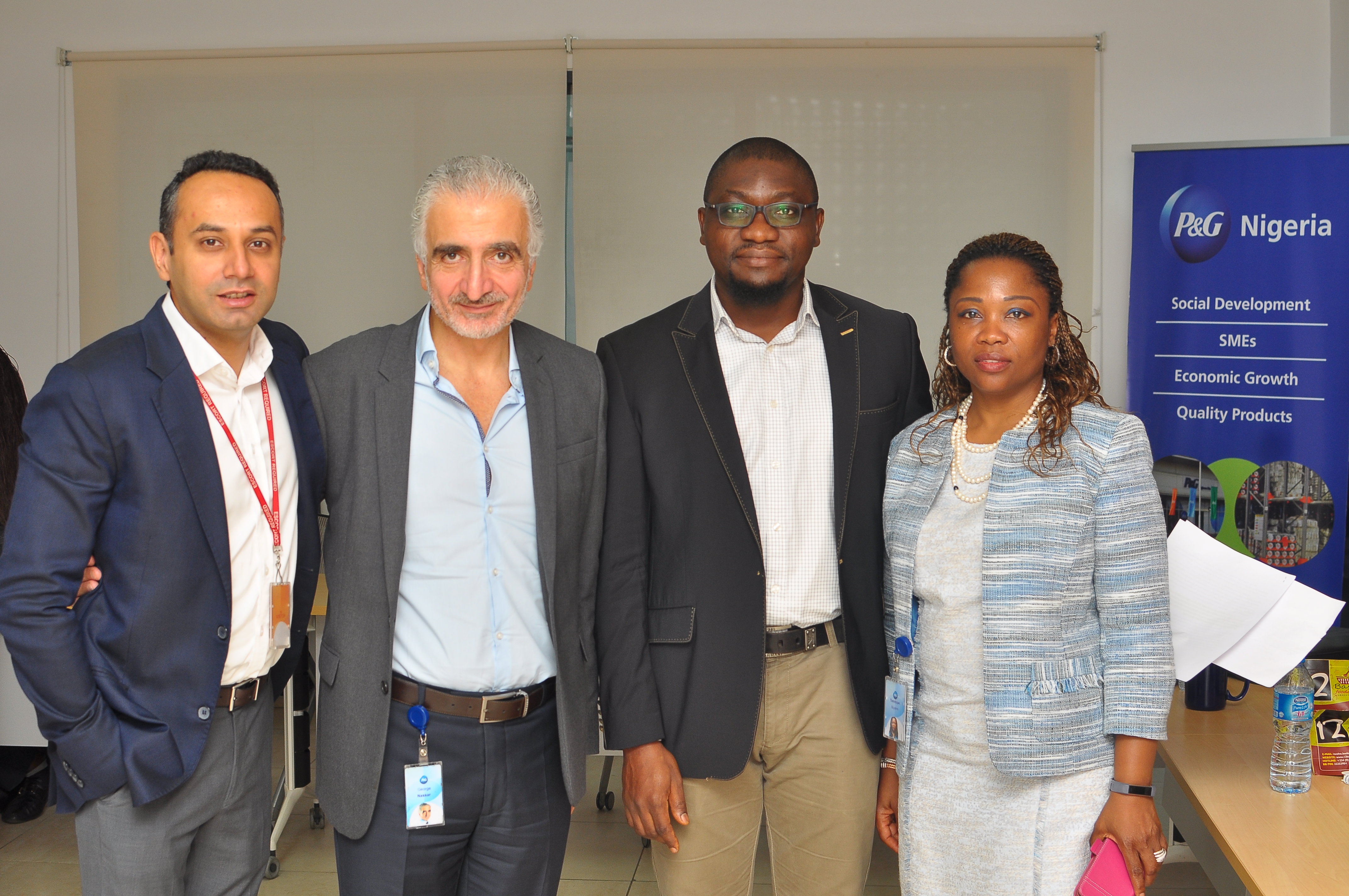
Procter and Gamble (P&G) Nigeria, leading manufacturing company and makers of brands like Always® and Pampers® recently engaged select local raw material suppliers in Nigeria to an interactive meeting with the Federal Ministry of Industry, Trade and Investment and representatives from the Manufacturers Association of Nigeria (MAN).
The meeting was convened to assess the capability of local businesses and seek their participation in strengthening our raw material localization objectives in line with the Backward Integration Program (BIP) of the FederalGovernment.
This is following the recent commissioning of P&G Nigeria’s Always Production Line in June, which was officially done by the Vice President of Nigeria, Professor Yemi Osinbajo. At this event, the consumer goods company, reiterated its commitment to investing in Nigeria and its support towards the Federal Government’s diversification efforts .
The new local production of P&G’s Feminine Care product not only promotes inclusive growth but is also boosting job creation and value add to the economy.
Speaking at the meeting, George Nassar, the managing director of Procter and Gamble Nigeria, commended the Ministry’s gesture to engage local businesses saying; “we praise the Federal Ministry of Industry, Trade and Investment on their willingness to engage local suppliers and assess the capability of their businesses. That, on its own, is very encouraging and we believe today’s meeting is pivotal to accelerating our local sourcing projects.”
According to Nassar, “P&G Nigeria currently procures 100% of the packaging materials for its products locally and is working towards increasing the local sourcing of the raw materials we use. We will continue to partner with the government in our quest to achieve this.
P&G is committed to doing business with more locally owned businesses and we appreciate the role the Federal Government is playing towards improving the ease of doing business in Nigeria and as a business will continue to foster a strong partnership with them to boost this effort.”
He also charged the Federal Government to continue its efforts towards enabling local entrepreneurship development and helping them with the capabilities required to produce raw materials locally. ‘This will go a long way in actualizing its economic development agenda,” he said.
Speaking on the objectives of the meetings; Temitope Iluyemi, director of Government Relations and Public Policy for Procter & Gamble Africa Operations said; “Backward integration is essential to the growth of the Nigerian economy and P&G’s aim is to manufacture as close as possible to its consumers, encourage our global partners to do the same and thereby promote technology transfer. We will work to pre-qualify local suppliers for materials used in the production of consumer packaged products and by extension, build capability of local manufacturers to compete effectively in regional value chains and further strengthen the diversification efforts of the Nigerian government”
Dr. Francis Alaneme, deputy director, Federal Ministry of Industry, Trade and Investment also commented, “We want to increase the local sourcing of raw materials in the country and it is imperative to create opportunities like this to promote growth and provide a platform for cross-sharing and capability building. Partnering with corporate organizations like P&G to engage these businesseswill grant us more access to notable suppliers of raw materials in the manufacturing sector and we commend the company’s effort in taking the lead on this.”
P&G has a long-standing record of building capability of local businesses for growth and development and enabling local entrepreneurship development. The company has trained hundreds of SMEs and has been involved in a series of skills building programs. In 2015, it partnered with National Office for Technology Acquisition and Promotion (NOTAP), to host a symposium, bringing together leading academics, thought leaders, local entrepreneurs and industry members to discuss the critical issues of development in technology to promote growth through research and technology transfer in Africa.
Through the engagement sessions, all parties hope to explore ways of ensuring raw material inputs are effectively sourced locally; carve out strategies to mitigate the challenges that are being faced and ultimately help local suppliers meet the requirements needed to better support the Nigerian Manufacturing Sector.



Nigeria and Finland have signed a Memorandum of Understanding (MoU) on digitalisation and innovation, prioritising stronger cybersecurity cooperation amid a surge in cyberattacks targeting Nigerian institutions.

The agreement was formalised in Abuja on Monday between Dr Bosun Tijani, Nigeria’s minister of communications, innovation and digital economy, and Jarno Syrjälä, Finland’s under-secretary of state for international trade.
The MoU focuses on cooperation in digital governance, technology infrastructure, and cybersecurity to drive economic growth and improve public services, says a statement issued on Monday by Isime Esene, special assistant to the minister.
The agreement is a significant step in strengthening bilateral relations and advancing Nigeria’s digital economy agenda, says Tijani.
He notes the MoU builds on engagements in Helsinki in February, which centred on Nigeria’s Data Exchange Platform and Finnish participation in Project BRIDGE (Building Resilient Infrastructure for Digital Growth and Empowerment).
The talks also involved key Finnish finance institutions, including Finnvera and Finnfund.
The partnership is expected to unlock new opportunities for innovation and investment, positioning digital technology as a catalyst for shared prosperity, says Tijani.
Finland is committed to supporting the development of resilient, secure, and human-centric digital systems in Nigeria, says Syrjälä. He adds that digitalisation should enhance public trust and empower citizens, noting that Nigeria remains a strategic partner for Finland in Africa.
The agreement complements Finland’s lead role in a €23 million Team Europe Initiative aimed at strengthening Nigeria’s digital public services.
This programme is implemented by Finland’s development agency, HAUS, in collaboration with Estonia’s ESTDEV, and supports the 3 Million Technical Talent (3MTT) programme.
The deal comes as Nigerian organisations record the highest number of cyberattacks in Africa. In January 2026, organisations experienced an average of 4 701 attacks per week, a 12% year-on-year increase, according to Check Point Research.
In response, authorities are developing the 2026 National Cybersecurity Policy and Strategy update.
Expected later this year, the framework will mandate minimum cybersecurity investment requirements for organisations operating critical national information infrastructure, notes the ministry.
By Chinwe Iwobi, Head of Wealth Management, FairMoney Microfinance Bank
In Nigeria, women are the backbone of our economy. Data from the National Bureau of Statistics shows that women own approximately 40% of small and medium-sized enterprises across the country (NBS Country Data Overview 2023). Yet despite their outsized contribution to GDP, women-led businesses continue to face systemic barriers to the capital and financial infrastructure needed to scale.

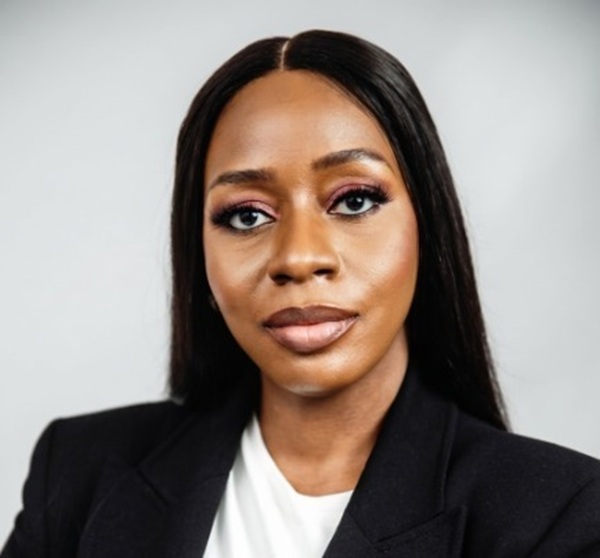
Chinwe Iwobi
The cost of that gap is not abstract. When these entrepreneurs are held back, the ripple effect runs deep, from household stability to the education of the next generation. But the narrative is shifting. Nigerian women are proving, consistently, that they are not just resilient; they are sophisticated, high-earning innovators building businesses that deserve serious financial strategy.
Here are five foundational strategies every women-led business should be deploying to build lasting, generational wealth.
1. Separate Business and Personal Finances Without Exception
Mixing personal funds with business cash is one of the most common and most damaging financial habits I see among growing entrepreneurs. It obscures your true profit margins, makes tax planning nearly impossible and, critically, disqualifies you from accessing formal credit when you need it most.
The discipline of separation is not just administrative. It is the first signal you send to the financial system that your business is serious. Open a dedicated business account, maintain clean transaction records, and treat your business finances with the same rigour you would expect from any enterprise operating at scale. Clarity on your numbers is the foundation on which every other strategy here depends.
2. Build Both an Emergency Fund and an Opportunity Fund
Most financial advice stops at the emergency fund, which is three to six months of operating expenses set aside for lean periods. That is necessary, but insufficient. The entrepreneurs I have watched grow most aggressively also maintain what I call an opportunity fund: accessible liquidity specifically reserved to move fast when a prime supplier deal, an expansion location, or a bulk inventory discount appears.
In an unpredictable market like Nigeria’s, the businesses that scale are rarely the ones with the best products alone. They are the ones with the financial readiness to act decisively. Products like FairMoney’s FairSave are designed precisely for this, keeping your funds accessible while earning competitive daily interest so your idle cash is working even when you are not. Build both buffers, and build them before you think you need them.
3. Invest Profits Back into Revenue-Generating Assets
Surplus cash sitting in a current account is a slow leak. Inflation erodes it and opportunity costs compound quietly. The discipline here is to consistently channel profits back into assets that grow your revenue capacity, whether that is new equipment, improved technology, better inventory systems, or staff training.
For capital you do not need immediately, consider locking it into a fixed-term savings product that offers higher interest returns. The psychological benefit is as important as the financial one: ring-fencing that capital removes it from day-to-day spending temptation and ensures it is preserved and grown for a defined purpose. Discipline in capital allocation separates businesses that plateau from those that compound.
4. Diversify Your Revenue Streams Intentionally
Single-stream businesses are inherently fragile. If your sole revenue source is disrupted by market shifts, a supply chain breakdown, or a change in consumer behaviour, your entire operation is exposed. Resilience is built by design, not by accident.
If you are in retail, consider adding a service-based arm. If you are service-led, explore whether digital products or training offerings could create passive income alongside your core work. Beyond product diversification, consider how you accept payments. Building a verified, diverse transaction history through formal payment channels also quietly strengthens your credit profile, an asset that pays dividends when you approach lenders for growth financing. FairMoney’s Business POS infrastructure, for instance, allows entrepreneurs to expand their payment reach while simultaneously building that financial track record.
5. Invest Beyond the Business
This is the strategy most women entrepreneurs delay for too long, and it is the one I feel most strongly about. Relying entirely on your business for your net worth is a high-risk position, no matter how well that business is performing. Businesses face cycles; personal wealth should not.
As your business stabilises, begin systematically moving a portion of your profits into personal investment vehicles such as long-term savings accounts, money market funds, or other instruments that sit entirely outside the business cycle. Automate it if you can, so the decision is made once and executed consistently. The goal is to build a personal financial foundation that remains intact regardless of what your business goes through in any given quarter. True wealth is not what your business is worth on paper. It is what you own independently of it.
The Bigger Picture
For female entrepreneurs in Nigeria, wealth-building is not simply a personal ambition; it is an economic argument. When women-led businesses scale, communities stabilise, households invest in education, and local economies deepen. The strategies above are not complicated, but they require consistency and the right financial infrastructure to execute well.
The tools exist. The opportunity is real. What remains is the decision to treat your business, and your personal wealth, with the long-term seriousness both deserve.

Africa’s financial services sector is entering a new era of artificial general intelligence (AGI), as the adoption of artificial intelligence (AI) on the continent evolves to boost economic growth.

This was the word from Lavina Ramkissoon, ambassador representing the African Union for the East, North and South of the continent, speaking last week during the Financial Sector Conduct Authority Conference 2026.
As AI rapidly evolves beyond current frameworks, Africa faces a narrowing window to define its role in what could become a radically different global economic order, she said.
Ramkissoon co-chairs the African Union’s Science, Research, Technology and Innovation Council and leads its “sixth region” diaspora portfolio.
AGI refers to AI that matches human intelligence, capable of learning, reasoning and applying knowledge across diverse domains, while ASI is a theoretical, future AI that surpasses human intelligence across all fields.
Ramkissoon cautioned the global AI trajectory is already shifting beyond human and machine collaboration toward far more advanced forms of intelligence.
“In my opinion, we’ve quickly moved away from human agency, we’ve moved away from AI agency, and we’re getting into a space where we’re going to see AGI unfold − but not really know that it’s unfolding.”
She noted that this transition could be subtle at first, with only limited signals before a more dramatic leap.
“There’s going to be one or two key signs… and then all of a sudden, we’re going to wake up and see ASI around in terms of superintelligence.”
This progression, she suggested, raises fundamental questions about control and governance.
Rather than focusing purely on technological capability, Ramkissoon argued that societies must confront how much decision-making power they are willing to relinquish.
“From a human perspective, we’re going to have to dig deep in terms of understanding where to next and what sort of control we are willing to give away or negotiate going forward.”
Beyond the technological shift, she emphasised that Africa’s response must be grounded in structural readiness. Responsible AI at scale, she said, depends on three core pillars: infrastructure, computational capacity and a broader understanding of intelligence itself.
On infrastructure, Ramkissoon highlighted the need for interoperability rather than isolated systems, noting that Africa’s financial and digital ecosystems remain fragmented.
“For some reason, we haven’t been able to orchestrate it in a unified manner. This is probably our last opportunity to utilise AI to gauge that.”
She also challenged assumptions around compute capacity, arguing that the continent does not yet require widespread investment in large-scale data centres.
“Our utilisation of AI isn’t at that capacity yet. Running things like language models or robo-advisors are still relatively menial when we talk about the larger capacity required.”
More fundamentally, Ramkissoon pointed to a shift in how intelligence itself is defined and used in the digital economy.
“Intelligence is intelligence. Distinctions between human and artificial intelligence are becoming less relevant as the two increasingly converge.”
This shift is already reshaping economic thinking. Ramkissoon described the emergence of what she called a “new age economy”, where traditional drivers are being replaced.
“It no longer functions on the cost of capital, but is moving towards the cost of energy, the cost of data and the cost of intelligence.”
She also pointed to growing divergence in how global technology players are approaching AI, with some pushing for rapid expansion of capabilities, while others advocate for constraint.
Within the African continent, more than 60% of countries had adopted some form of AI policy or regulatory framework as of 18 months ago, with different regions beginning to take distinct approaches.
However, the continent risks falling behind if it fails to articulate a unified vision and take advantage of the full potential of AI, she stated.
“As much as we understand the opportunity, what are we actually tangibly doing on the ground to unlock that?” she asked, pointing to persistent challenges such as unemployment and low economic growth.
While AI is already reshaping labour markets globally, Ramkissoon cautioned against framing the issue purely in terms of job losses.
“We focus on fear more than optimism. AI is creating jobs and removing jobs at the same time.”
Instead, she called for a broader, long-term perspective that moves beyond short-term disruption toward strategic positioning.
“We really need to zone out and have a macro view. Without that, Africa risks missing a critical moment in shaping its digital and economic future as AI capabilities accelerate toward increasingly autonomous and potentially uncontrollable systems.”

Mobile Money Transactions Accounted for $2 trillion in 2025

MoneyMaster Enhances App, Rewards Users with Data and Airtime Bonuses

Nigeria, Finland Sign Cybersecurity Pact

Firm Shares Tips for Updating Your Digital Habits for an AI-driven World

EU Pumps €290m into Nigeria’s Digital, Health, Agri Sectors

Kaspersky Discovers New Phishing Campaign Exploiting Google Tasks Notifications to Steal Corporate Credentials

esentry 2025 Report Shows Healthcare, Financial Services and Telecoms as Staging Grounds for Increased Cyberattacks in Africa

AfDB, UNDP Launch $10Bn AI Initiative for Africa

MultiChoice Suspends Yearly DStv Price Hike as Canal+ Pushes Growth

Spotify’s Loud & Clear Report Reveals Over ₦60Bn Revenue for Nigerian Artists in 2025




 E-Financial3 days ago
DLM SPV PLC Lists ₦9.00bn AAA-Rated Medium-Term Notes on FMDQ Exchange, Sets Benchmark in Corporate Bond Market

 News3 days ago
Metaverse Collapses, Horizon Worlds Shuts Down on Quest

 E-Financial2 days ago
CBN Directs IMTOs to Open Naira Settlement Accounts

 Telecom3 days ago
Legend Internet, Spectranet in Merger Talks

 Telecom2 days ago
Nigerians Lose N12.5Bn to AI-Driven Scams- PwC

 General News2 days ago
Court Remands Hacker for Allegedly Stealing N3.09Bn from FCMB

 News3 days ago
NITDA Reaffirms Commitment to Advancing Creative Economy with Digital Initiatives

 E-Financial3 days ago
SEC Issues Six-Week Ultimatum to Market Operators to Submit Recapitalisation Plan