

News
The Internet and African IT Journalism

A while back, I attended the first ever IT Journalism Conference in Nigeria in 2003. I was one of the speakers (sandwiched between Adrian Woods (then CEO, MTN Nigeria) and late Dr Charles Alaba Joseph (then president, Mobitel)).
I believe I spoke about Knowledge Capital and leveraging technology to achieve and deliver this (no change there, then,…!!)
The idea behind the conference at the time was to bridge the gap between the IT journalists and the key players and leaders in the burgeoning IT, Telecomms and media industries in what was quickly being recognised as the fastest growing technology market in Africa. That, allied with the rapid rise of mobile telephony in the country and the paradigm shift it was creating in the economy and society in general, meant that journalists were seeking answers to questions they had, wanted access to knowledge bases and sources of information to educate, inform and update their audiences about this new phenomenon that was taking the country – and the continent, by storm.
The industry leaders (telecomms, media, IT) in turn, were looking to build relationships, gain information channel access to their markets and audience [in order] to create and maintain their key messages about their products and services. As occurs in new markets, where there was a rapid uptake of new products in new markets, there were various rumours, conjecture and misinformed stories bandied about in the markets that new Product and Services Providers (MNOs in this case) had to manage, mitigate – or completely dispel by putting out their own version of events. I believe it is the art otherwise referred to as…. Spin …
Back then, the principal platform and channel for IT journalism was (and still is to a large extent) print and publishing media (i.e. the written word – Gothenbugers would be proud!!). Mainstream newspapers with IT or technology sections, and their new stars – IT journalists. They were covering the hot stories – new developments and stories to do with the new big boys on the block; Mobile Network Operators (MNOs) and their astonishing profits, market growth – and impact on the economy and society. Not to forget their glitches, problems … Ah the good days…
Since then, there has been a rapid rise in the use of the Internet medium to broadcast opinions, news and information about those same markets – and the new genres that have since come into being. There are now numerous websites, on-line chat rooms and bulletin boards, on-line versions of mainstream and niche newspaper and print magazines, taking advantage of greater reach using the same content for a wider market share.
And through this reach that takes their opinions and comments beyond their geographical shores, often via the Diaspora readership in foreign shores, journalists are able to shape opinion and perception about providers, service quality, issues, problems, challenges and success. Par for the course, you night say.
Yet how much of what was (and is) written, has basis in fact? How much was fully researched, verified and backed by sourcing – creditable and valued? How much was just rumours, unfounded stories being passed on; or at best a single (biased?) source using the journalist or platform of the website to peddle their own version of the story (or ‘facts’),…? Or sourced from yet another website – and simply reproduced…?
Half a decade later,…Read an interesting [print!] article recently about the impact of the Internet on the quality of journalism in general. Was it supporting the identification, presentation and discussion of the truth (whose, we’ll debate later!) – and the facts surrounding it…?
Or was it merely peddling gossip and rumours…. (no facts required here please!!)
Was User Generated Content (UGC), promoting the dissemination of facts – or was it simply peddling, gossip, rumours, idle chat, mischief making…?
Here’s a simple test – how many times have you come across a joke or story that was first sent to you as part of a link sent to numerous other recipients – only for it to appear from another source (friend, spouse, family, work colleague). The story has now acquired what I like to call an ‘Internet truth’ – various people have seen it, read it, reproduced it, forwarded it, begun to use it as a reference point for discussion , debate; arguing the facts,…
The power of the Internet is insidious,… you log on, write (or reproduce) your story/opinion/version/commentary (delete as appropriate!), hit the ‘Publish’ button, and presto hey, … one to several million people have the opportunity to read your content, form an opinion – or ignore it!
In that case, should we be selective in where we go to ‘consume’ our on-line journalism – and what IS on-line journalism in this case, anyway…?
How do we assess the standards to which readers accept and receive their on-line journalism – and to what standards should we be holding these journalists and the sources of their content?



NLNG has demonstrated its dedication to media development in Nigeria through the successful completion of the second edition of the #NLNGChangeYourStory workshop for 2026, which took place in Lagos.

The workshop convened 40 participants representing diverse media outlets to examine the changing landscape of journalism shaped by artificial intelligence and digital communication. Discussions centered on how new media technologies can support real-time reporting, extend audience reach across borders, and foster deeper, more effective engagement on digital platforms.
Speaking at the event, the General Manager, External Relations and Sustainable Development at NLNG, Sophia Horsfall, described the workshop as part of the company’s broader effort to strengthen engagement with the media while supporting professional excellence in journalism. She noted that the initiative reflects NLNG’s belief that well-informed reporting plays an important role in shaping public understanding of critical sectors such as energy, economic development, and sustainability.
She encouraged participants to leverage the insights and practical knowledge gained during the workshop to elevate the quality, depth, and credibility of their reporting.
“NLNG views this engagement as a strategic partnership. We provide the energy that powers nations and generates revenue for our nation; you provide the information that powers our minds. We have been proud to host you, but our pride will only be justified when we see the ‘New Standard’ in your next feature, your next broadcast, and your next investigative report.
As you head back to your various stations, I urge you to take the spirit of this workshop with you.”
The programme combined expert-led discussions with hands-on learning. Digital communication specialist Dan Mason guided participants through key aspects of digital storytelling, while veteran journalist Taiwo Obe led a practical Journalism Clinic. Together, the sessions equipped participants with practical skills in data visualisation, online verification, audience engagement, and managing a strong digital presence.
Through the workshop, NLNG reiterated its commitment to promoting journalistic excellence and supporting the media industry’s digital transformation. The #NLNGChangeYourStory programme has now empowered over 400 journalists with enhanced digital communication and social media skills across its various editions.

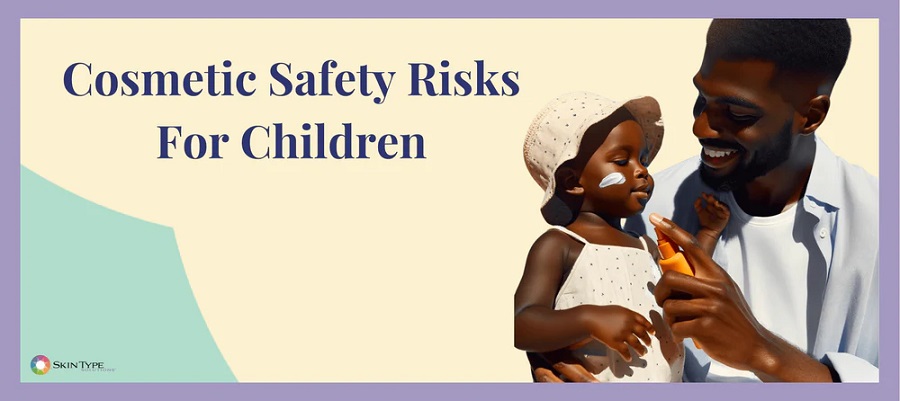
Cosmetic products are widely used in Nigeria, but many consumers remain unaware of the chemicals they may contain.

Federal government has therefore approved the first national policy on cosmetics safety and health after nearly two decades of stalled attempts.
The policy was launched at the Sixty sixth National Council on Health in Calabar.
It establishes a clear system to regulate how cosmetic products are manufactured, imported, sold, used and disposed of.
The new policy supports major government priorities.
It aligns with the National Strategic Health Development Plan II, the National Chemical Safety Policy and the National Environmental Health Action Plan.
It also advances the Nigeria Health Sector Renewal Investment Initiative and strengthens the country’s commitments under the International Health Regulations and the Minamata
Convention on Mercury.
By improving regulation and surveillance, the policy strengthens health security, protects consumers and supports economic diversification.
It also responds to state level priorities, since implementation will take place across all thirty six states and the Federal Capital Territory.
Everyday products, real health risks
Cosmetics are part of daily life for millions of Nigerians, but many people do not know what is inside the products they use.
Amina Yusuf, a shop attendant in Tarauni local government area, Kano State, said she developed skin irritation after using a product sold as a “natural toning oil”.
“I thought it was safe because it was called organic,” Yusuf said. “But my skin became sensitive, and small cuts took longer to heal.”
A health worker later explained that the product likely contained harmful chemicals.
In Kura local government area, community members described how some traders repackage creams without labels. One resident said a neighbour developed rashes after using a mixture bought at a weekly market.
“People buy what they can afford,” she said.
“Most of us do not have access to formally regulated shops.”
In Sabon Gari market, Kano State, an expectant mother, Gloria Okafor, learned during an antenatal visit that a cream she used for stretch marks might contain heavy metals.
“I was careful with food and medicine during pregnancy,” Okafor said. “I never imagined body cream could be a risk.”
These experiences reflect wider challenges: limited consumer awareness, informal distribution systems and economic pressures that make unregulated products common.
The scale of the problem
Recent national and global assessments highlight both the scale and the safety concerns within Nigeria’s cosmetics sector.
Nigeria’s cosmetics industry has grown into a dynamic and increasingly sophisticated sector, with a market valuation exceeding US$ 7.8 billion¹.
Globally, the cosmetics market is valued at over US$ 429.2 billion², presenting both economic opportunity and regulatory challenges, particularly in low and middle income countries (LMICs) such as Nigeria.
Since 2022, Nigeria has registered close to 9 000 cosmetic products that meet national regulatory requirements under the oversight of the National Agency for Food and Drug Administration and Control³, reflecting strengthened compliance efforts.
However, toxicological evidence remains concerning. Globally, over 100 known carcinogens and at least 15 endocrine disrupting chemicals have been identified in cosmetic formulations². In Nigeria, a study conducted in Anambra State found lead contamination in 62% of tested cosmetic products, with concentrations ranging from 0.10 to 42.12 mg/kg⁴ (exceeding the World Health Organization permissible limit of 10 mg/kg). Additional investigations in Ibadan and Lagos confirmed cadmium, lead and nickel levels above international safety limits in personal care products⁵⁻⁶.
These findings underscore the urgent need for strengthened surveillance, consumer awareness and enforcement to protect public health.
Why regulation matters
Studies in Nigeria have found high levels of lead, cadmium and other harmful substances in some cosmetic products.
These chemicals can cause kidney problems, skin damage and complications during pregnancy.
Market surveillance efforts in Kurmi market, Kano Municipal local government area, reveal widespread mislabelling and repackaging practices.
According to Audu Tanimu, National Agency for Food and Drug Administration and Control officer, “Some products are intentionally labelled to avoid suspicion, but laboratory testing shows restricted substances. Enforcement efforts are ongoing, yet informal supply chains continue to complicate traceability.”
Turn the vision to reality
After years of Nigeria’s vision to develop a cosmetic policy, World Health Organization (WHO) worked with the Federal Ministry of Health and Social Welfare, the National Agency for Food and Drug Administration and Control, the Nigeria Economic Summit Group, state governments, Resolve to Save Lives (RTSL), civil society and industry groups in 2025 to turn this into reality.
It provided technical guidance, reviewed evidence, supported meetings with partners and helped strengthen surveillance and reporting systems.
This support built on years of collaboration to improve chemical safety and International Health Regulations core capacities.
This work was supported by funding from the Foreign, Commonwealth and Development Office (FCDO) and RTSL.
What will change
The new policy introduces three main areas of action:
- Regulatory oversight and governance — A unified national system will ensure all cosmetic products meet safety and quality standards and improve coordination across agencies.
- Cosmetics vigilance and health intelligence — A national early warning system will help detect harmful products faster and support quicker public health responses.
- Strengthening the cosmetics value chain — The policy supports safer manufacturing and responsible trade. It also aligns with African Continental Free Trade Area opportunities, helping local industries grow while protecting workers and consumers.
These changes are expected to reduce exposure to harmful chemicals, lower the number of cosmetic related health complications and improve consumer confidence.
A collective effort
Implementation will begin across all states and the Federal Capital Territory.
The Federal Ministry of Health and Social Welfare, the National Agency for Food and Drug Administration and Control, the Nigeria Economic Summit Group, state governments, civil society and private sector actors will lead the rollout. WHO and Resolve to Save Lives will continue supporting government efforts to strengthen surveillance, raise awareness and promote safer markets.
This milestone reflects the combined efforts of government, regulators, communities and partners working toward a shared goal: protecting Nigerians from harmful exposures and strengthening national health security.
A call to action
- Political and financial commitment from government counterparts at all levels to prioritise implementation of the policy.
- Consumers should choose labelled and registered cosmetic products to safeguard their health.
- Industry actors should follow national safety standards.
- Health workers play a critical role in identifying cosmetic related health effects early and responding appropriately.
- Everyone should help raise awareness about the health effects of cosmetics and protect communities from preventable harm.

Mobile phones used by food vendors may be a hidden source of harmful microorganisms that can contaminate food, a recent study has revealed.

Published in the 2026 edition of the International Journal of Pathogen Research, the research analysed 20 phones from ready-to-eat food vendors, 10 smartphones and 10 button phones, collected between January and June 2025.
Laboratory tests detected a range of bacteria, including Bacillus, Staphylococcus, Klebsiella, Pseudomonas, Streptococcus, Escherichia, and Corynebact.
Bacillus and Staphylococcus were most common on button phones, each making up 25.6% of isolates, while Staphylococcus dominated smartphones at 37%.
Fungal organisms were also found, including Aspergillus, Candida, Mucor, and Rhizopus species.
Mucor was most prevalent on button phones, whereas Aspergillus and Rhizopus were more common on smartphones.
The study showed that button phones carried a higher microbial load than smartphones, and some of the microorganisms exhibited resistance to certain antibiotics, underscoring their public health significance.
Researchers said contamination is likely linked to frequent phone use after handling food or touching surfaces without proper hand hygiene.
They warned that mobile phones can act as fomites, objects that carry and transmit infectious agents, allowing microbes to transfer from hands to food.
The study urges food vendors to adopt safer practices, including regular handwashing, disinfecting phones, and avoiding mobile phone use while preparing or serving food.
Experts say the findings highlight the need for public awareness and hygiene education, noting that everyday devices like mobile phones may play a larger role in spreading infections than previously recognised, particularly in food service settings.

CBN Orders Banks to Restrict Access to Banking Services for Loan Defaulters

NLNG Advances Media Excellence with Change Your Story Workshop
Interswitch Advocates Trust-Driven Infrastructure as Cornerstones of Africa’s Cross-Border Capital Future

Why JustMarkets Is a Strong Choice for Gold Trading

UBA Business Series Celebrates ‘Gen.W: The Evolved Woman’ in Push for Female Empowerment

Kaspersky Discovers New Phishing Campaign Exploiting Google Tasks Notifications to Steal Corporate Credentials

esentry 2025 Report Shows Healthcare, Financial Services and Telecoms as Staging Grounds for Increased Cyberattacks in Africa

AfDB, UNDP Launch $10Bn AI Initiative for Africa

Pheelz Shares His Journey on Glo-Sponsored African Voices

Mutual Benefits Assurance Settles ₦5.9bn Claims in January 2026




 General News1 day ago
Court Freezes Bank Accounts of Petrocam, Founder over Alleged N9Bn Zenith Bank Debt

 E-Business2 days ago
FG Moves to Strengthen Children’s Online Safety

 General News1 day ago
FCCPC Says Telcos, Energy Firms Lead Consumer Complaints in Nigeria

 E-Financial2 days ago
CBN Directs Banks to Activate Anti-Money Laundering Systems

 Telecom1 day ago
Techeconomy Unveils IWD 2026 Power List Celebrating 100 Women Shaping the Future

 Telecom2 days ago
Canal+ Unveils €100m Rescue Plan to Revive MultiChoice after Subscriber Slump

 E-Business2 days ago
How Africa Can Turn the AI Wave into Inclusive Growth

 E-Business2 days ago
Nigeria’s Non-Oil Exports Hit N12.36trn in 2025 – NBS