

Broadcasting
Understanding the Risks of Insecure Payment Processing

By Gideon Ayogu
Businesses across the world are losing customers and huge sums due to a rise in payment fraud in the last few years. A recent report highlights an alarming 88% global increase in payment fraud between December 2021 and March 2023. In an ever-evolving digital world, payment processing is at the heart of every business transaction. However, each transaction carries significant risks that must be effectively managed and mitigated. Consequently, ensuring robust security in payment processing has never been more critical.

With the increasing sophistication of payment fraud, many businesses are becoming targets for hackers and cybercriminals who exploit insecure payment processing systems. These attacks can lead to severe consequences, including financial losses, reputational damage, legal repercussions and a significant loss of customer trust.
This SeerBit blog post highlights the potential risks and consequences of neglecting security in payment systems and emphasises the importance of partnering with a trusted payment solutions provider to effectively mitigate these risks.
Potential Consequences Of Insecure Payment Systems
There are numerous consequences that your business will suffer if you become a victim of fraud due to insecure payment systems. Some of these are discussed below:
- Financial Losses
The lack of strong security measures in your payment systems can leave your business vulnerable to a wide range of fraud, including unauthorised transactions, identity theft, and credit/debit card fraud. These threats often lead to significant financial losses for businesses. A 2023 report by IBM revealed that the average global cost of a data breach has risen to $4.45 million, covering both direct expenses like fines and legal fees, as well as indirect costs such as customer attrition and lost business opportunities.
In 2023, three Nigerian fintech companies lost more than N5 billion to hacking incidents between Q1 and Q3 of the year, while another lost N800 in just one week, according to media reports. These alarming incidents highlight significant vulnerabilities within the security architecture of payment systems.
The rise in security breaches and fraud cases in recent years, along with businesses being compromised through their connections to insecure platforms, underscores the critical importance of secure payment processing. This highlights the need for businesses to partner with a trusted payment solutions provider.
- Reputational Damage
Reputational damage from a data breach or fraud often has a longer-lasting impact than the immediate financial losses. Today’s customers are more aware and concerned about the security of their personal and financial information than ever before.
A single breach can severely undermine customer trust, leading to decreased sales and long-term brand damage. Regaining this trust can be extremely challenging, if not impossible, for many businesses. This loss of customers and revenue underscores why secure payment systems are crucial for business survival and growth.
- Legal Repercussions
Businesses that experience a security breach or fall victim to fraud may face significant legal repercussions, many of which could be avoidable. In cases of payment fraud, affected stakeholders might sue the business, or the business may need to engage in expensive legal proceedings against those responsible.
Additionally, a security breach could indicate non-compliance with industry best practices or current security standards, such as PCI DSS (Payment Card Industry Data Security Standards), potentially resulting in substantial fines and other legal consequences.
How To Secure Your Payment Process And Protect Your Business Against Fraud
The operational disruption that a fraudulent activity or a breach of your security system can cause will lead to a loss of productivity and efficiency, alongside other consequences already discussed in this post. Hence, you should place a premium on securing your payment process and protecting your business against fraud. One of the best ways to achieve this is by relying on a secure payment gateway.
A payment gateway is a technology that captures and transfers payment data from the customer to the acquiring bank. It acts as an intermediary between your business website and the financial institution, ensuring the secure transfer of sensitive payment information. Payment gateways authorise payments for e-transactions, enabling businesses to securely accept credit card payments, digital wallets, and other forms of online payment.
Key Security Features of Payment Gateways
Below are some of the key security features a payment gateway must incorporate to ensure secure transactions:
- Encryption and SSL: Encryption converts data into a secure code to prevent unauthorised access. Secure Socket Layer (SSL) certificates ensure that data transferred between the customer and the merchant is encrypted and secure.
- Tokenization: Tokenization replaces sensitive payment information with a unique identifier or token. This token is used during transactions, keeping the actual payment data secure and reducing the risk of data breaches.
- PCI DSS Compliance: The Payment Card Industry Data Security Standard (PCI DSS) sets security standards for organisations handling credit card information. Compliance with PCI DSS ensures that payment gateways adhere to stringent security measures to protect cardholder data.
- Fraud Detection and Prevention Tools: Advanced tools such as CVV verification, address verification, and AI-based fraud detection systems help identify and prevent fraudulent transactions, safeguarding both businesses and customers.
- Trustworthiness: Ensure that the payment gateway has a proven track record and industry certifications to back up its claims of security and reliability.
When selecting a payment gateway for your business, it is crucial to prioritise these key features before trusting them to process your transactions. A secure payment gateway ensures that your payment systems and processing are secure and insulates your business from fraud and hacking attacks.
Payment gateways lacking these essential features should not be considered for your business.
Benefits of Secure Payment Gateways for Businesses
A secure payment gateway such as SeerBit offers numerous benefits for businesses:
- Enhanced Customer Trust and Satisfaction: A secure payment gateway builds customer confidence, encouraging repeat purchases and fostering loyalty.
- Reduced Fraud and Chargebacks: By minimising fraud-related losses and reducing chargebacks, businesses can protect their revenue and maintain financial stability.
- Regulatory Compliance: Secure payment gateways ensure compliance with legal and regulatory standards, helping businesses avoid penalties and legal issues.
- Competitive Advantage: Prioritising security can serve as a unique selling point, setting businesses apart from competitors and attracting security-conscious customers.
Conclusion
In today’s digital economy, the impact of a security breach or payment fraud can be devastating for businesses. As the digital landscape evolves, so do the risks associated with it, making it crucial for businesses to choose secure payment systems proactively. Secure payment gateways are vital for maintaining both the success and credibility of any business in the modern digital age. By prioritising robust security measures, businesses can safeguard themselves and their customers, build trust, and ensure seamless transactions.
At SeerBit, we are committed to providing top-tier security to protect your business and customer data, while also delivering a smooth and efficient payment experience.
Discover how we can enhance your payment processes today!



Canal+ is to cut jobs at MultiChoice as part of a sweeping restructuring plan aimed at stabilising the African pay-TV operator, following years of operational and financial pressure.

The move comes alongside a planned $115 million capital injection, underscoring the urgency of efforts to revive the business after the French media group took control.
The planned layoffs are expected to form a core element of a broader cost-cutting and efficiency drive, as Canal+ seeks to streamline MultiChoice’s operations and improve profitability.
The restructuring signals a shift toward leaner operations, with a focus on eliminating redundancies and optimising the company’s cost base.
MultiChoice has struggled in recent years with declining subscriber numbers across key African markets, weighed down by macroeconomic pressures, currency volatility, and changing consumer behaviour.
The rise of global streaming platforms has intensified competition, chipping away at the company’s traditional pay-TV dominance.
Canal+’s intervention marks a pivotal moment for MultiChoice, reflecting a more aggressive approach to repositioning the business.
By combining fresh capital with structural reforms, the new owners are aiming to both stabilise short-term performance and lay the groundwork for longer-term growth.
The $115 million injection is expected to provide immediate financial relief, supporting operations and potential strategic initiatives.
However, the accompanying job cuts highlight the depth of the challenges facing the company and the scale of transformation required to restore competitiveness.
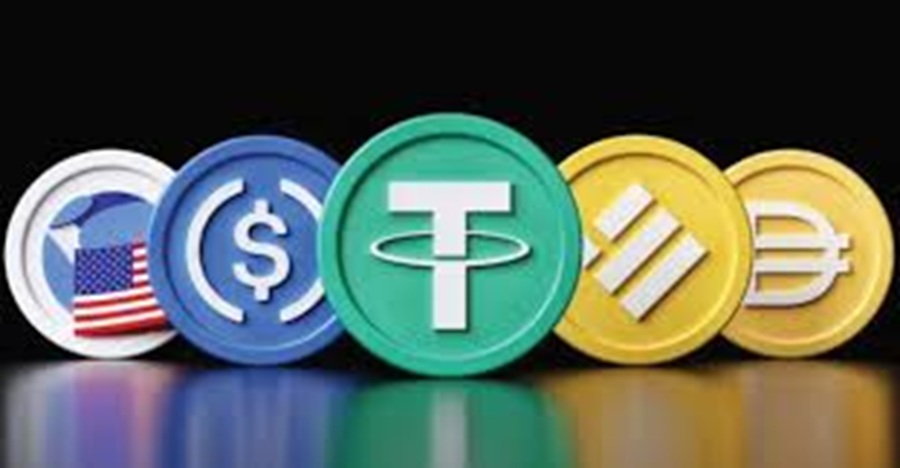
Nigeria has ranked first globally in the ownership of the two largest stablecoins, Tether (USDT) and USD Coin (USDC), reflecting the country’s growing reliance on dollar-linked digital assets.

USDT, USDC
Stablecoins such as USDT and USDC are designed to maintain a fixed value against the U.S. dollar, allowing users to store money digitally while avoiding the price volatility associated with cryptocurrencies like Bitcoin.
According to the 2026 Stablecoin Utility Report released by BVNK, about 59 percent of Nigerian crypto users hold USDT, while 48 percent own USDC, giving the country the highest combined ownership rate among all nations surveyed.
The report placed Nigeria ahead of several major economies, including Australia and India, highlighting the country’s strong adoption of dollar-denominated digital assets. Australia ranked second with 34 percent USDT ownership and 29 percent USDC, while India placed third with 30 percent USDT and 27 percent USDC holdings.
The study also examined adoption levels across other regions. Countries such as Colombia and Singapore showed strong usage of both stablecoins, while adoption levels were also notable in South Africa and the United States.
Other markets included in the analysis were Philippines, Thailand and Argentina, where stablecoin ownership has also increased significantly. Among European economies, the report said France and Germany showed moderate levels of adoption, while Latin American markets such as Mexico and Brazil recorded smaller but growing usage rates.
The United Kingdom also appeared in the ranking with modest levels of stablecoin ownership. The report noted that USDT ownership exceeds USDC in many countries, including Nigeria, Australia, India, Singapore, the Philippines, Thailand, Argentina and France.
However, USDC is often viewed as a more compliance-focused stablecoin because of its stronger transparency and regulatory alignment. In some markets, including South Africa, Colombia, Germany and Brazil, the report found that USDC adoption slightly exceeds USDT.
More broadly, the data suggests that stablecoin adoption is being driven largely by emerging economies rather than advanced financial markets. According to the report, countries such as Nigeria, Argentina and the Philippines are among the biggest users of stablecoins, where people increasingly rely on dollar-pegged digital assets to protect savings from currency volatility and facilitate cross-border payments.
Spotify has unveiled Nigeria-specific data from its annual Loud & Clear report, highlighting how Nigerian artists generated more than ₦60 billion in revenue from the platform alone last year, amid explosive growth in streams, local consumption, and global discovery.

The report, which analyzes millions of data points to illuminate music streaming economics, shows Nigerian artists’ revenue surged over 140% in the past two years.
This boom stems from rising global appeal and stronger domestic engagement, with 30.3 billion streams and 1.6 billion listening hours on Spotify in 2025. First-time discoveries of Nigerian music hit 1.3 billion, up 26% from 2024.
Locally, Nigerian tracks dominated Spotify Nigeria’s Daily Top 50, accounting for over 80% of features, while consumption of homegrown artists jumped 170% year-on-year.
“Nigeria’s music scene thrives on creativity, innovation, and global influence,” said Jocelyne Muhutu-Remy, Spotify’s Managing Director for Africa. “Loud & Clear spotlights how artists are forging sustainable careers and deepening local ties.”
Key highlights include:
55% year-on-year growth in local streams for Nigerian female artists.
75% surge in streams for independent Nigerian artists.
Independents and indie labels earning 58% of all royalties from Nigerian artists on Spotify.
Spotify’s editorial playlists featured nearly 2,000 Nigerian artists in 2025, boosting visibility. Nigerian music appeared in 320 million global user playlists and over 12 million in Nigeria, totaling more than 60 million playlists worldwide.
The report also notes evolving tastes, with top-growing genres in Nigeria over five years including pop urbaine, alternative pop, anime, emo, and drill.
For full details, visit spotify.com/loudandclear.

Court Jails ‘Colonel’, ‘Major’ of Global Money-Laundering Ring

Court Bans Kenyan Telcos from Recycling SIM Cards

Providus Bank Fully Meets CBN Capital Requirement, Sets Record Straight

African Tech Start-ups to Receive $46m of Speedinvest Africa Fund

U.S. Charges Three in $2.5 Billion Plot to Smuggle Nvidia AI Chips to China

Kaspersky Discovers New Phishing Campaign Exploiting Google Tasks Notifications to Steal Corporate Credentials

esentry 2025 Report Shows Healthcare, Financial Services and Telecoms as Staging Grounds for Increased Cyberattacks in Africa

AfDB, UNDP Launch $10Bn AI Initiative for Africa

Mutual Benefits Assurance Settles ₦5.9bn Claims in January 2026

MultiChoice Suspends Yearly DStv Price Hike as Canal+ Pushes Growth




 E-Financial3 days ago
Kuda MFB Increases Kuda for Her Business Grants to ₦10 Million

 Telecom3 days ago
Vitel Wireless Lures Subscribers with “Data that Never Expires” Campaign

 News3 days ago
NSIA Sign MoU with UK’s Asset Green Ltd to Develop $496M Integrated Dairy Livestock Production Platform in Nigeria

 News3 days ago
BoI, MTN Foundation Launch N1Bn Fund for Women Entrepreneurs

 General News3 days ago
One SA Bank Equals Nigeria’s Entire Banking Sector – Why Recapitalisation Is Critical for Global Competitiveness

 E-Financial2 days ago
CBN Introduces Stricter BVN Rules to Curb Fraudulent Transactions

 Broadcasting3 days ago
Nigeria tops global rankings for USDT, USDC ownership

 E-Financial2 days ago
Binance is Missing from Ghana’s Crypto Sandbox