

Broadcasting
Leveraging Search Intelligence for Year-End Product Positioning


By Reuben Kalu
As the year draws to a close, businesses face a critical period where consumer spending typically surges. This presents an exceptional opportunity to position your products and services for maximum visibility and sales. However, achieving the best positioning requires a well-thought-out strategy that leverages search intelligence, consumer behavior insights, and market trends.

In this article, we’ll explore the most effective strategies to enhance your product and service positioning as we approach the end of the year.
Understanding Search Intelligence and Its Importance
Search intelligence involves the use of data from search engines and online behavior to gain insights into consumer intent, preferences, and trends. By understanding what consumers are searching for, when they are searching, and how they are interacting with content, businesses can tailor their marketing strategies to meet consumer needs more effectively.
As we approach the end of the year, leveraging search intelligence becomes even more crucial. Consumers are actively searching for holiday gifts, seasonal deals, and solutions to year-end problems. Understanding these search patterns allows you to position your products and services where they are most likely to be seen and purchased.
- Leverage Seasonal Trends and Keywords
The end of the year is marked by several key events such as Black Friday, Cyber Monday, Christmas, and New Year’s Eve. Consumers’ search behavior shifts dramatically during these periods, focusing on deals, gift ideas, and festive essentials. To capitalize on this, your strategy should include:
- Identifying Relevant Keywords: Use tools like Google Keyword Planner, Ahrefs, or SEMrush to identify trending keywords related to the season and your products. Focus on long-tail keywords that capture specific consumer intent, such as “best holiday gifts for men” or “affordable New Year’s party supplies.”
- Creating Targeted Content: Develop content that addresses the specific needs and interests of your audience during the holiday season. This could include blog posts, gift guides, holiday-themed product pages, and promotional emails. Ensure your content is optimized with the identified keywords to improve search engine rankings.
- Updating Product Descriptions: Tailor your product descriptions to highlight their relevance to the season. For example, if you’re selling watches, emphasize how they make great gifts or how they complement festive outfits.
- Enhance Your Visual Appeal with Seasonal Imagery
Visuals play a significant role in capturing consumer attention and conveying the value of your products. As the year-end approaches, updating your visual content to reflect the festive season can make your products more appealing. Consider the following:
- Seasonal Product Photography: Refresh your product images to include seasonal elements such as holiday decorations, winter settings, or festive colors. This helps your products resonate with the emotions and themes of the season.
- Thematic Website Banners: Update your website banners to feature holiday promotions, countdowns to special sales events, or seasonal greetings. This not only enhances the user experience but also reinforces your positioning as a go-to destination for holiday shopping.
- Video Content: Create short, engaging videos that showcase your products in festive settings or demonstrate their use during holiday activities. Video content is highly shareable and can boost your brand’s visibility on social media and search engines.
- Optimize for Mobile and Voice Search
With the increase in mobile and voice search usage, especially during the holiday season, it’s essential to ensure your online presence is optimized for these platforms. Consider the following strategies:
- Mobile Optimization: Ensure your website is mobile-friendly, with fast loading times, easy navigation, and responsive design. A seamless mobile experience is crucial as more consumers shop on their smartphones during the holiday rush.
- Voice Search Optimization: As more people use voice-activated devices to search for products and services, optimize your content for voice search. This includes using natural language, answering common questions, and incorporating conversational keywords.
- Local SEO: Many holiday shoppers look for local businesses to support or need last-minute gifts. Optimize your Google My Business listing with updated hours, contact information, and holiday-specific promotions to capture local searches.
- Implement Strategic Promotions and Discounts
End-of-year sales events are synonymous with discounts and promotions. However, to stand out in a crowded market, your promotions must be strategic and compelling. Here’s how:
- Exclusive Offers: Create limited-time offers or exclusive deals for loyal customers or email subscribers. This not only drives urgency but also fosters customer loyalty.
- Bundle Deals: Encourage higher spending by offering bundled deals where customers can purchase multiple products at a discounted rate. This is particularly effective for complementary products.
- Free Shipping and Returns: Offering free shipping, especially during the holiday season, can be a powerful incentive for consumers. Ensure your shipping policies are clearly communicated and easy to understand.
- Leverage Social Media and Influencer Marketing
Social media platforms become a hub of activity during the holiday season, with users sharing gift ideas, holiday plans, and shopping experiences. To tap into this, your strategy should include:
- Holiday Campaigns: Launch holiday-themed campaigns on social media platforms like Instagram, Facebook, and Pinterest. Use festive hashtags, run giveaways, and encourage user-generated content to increase engagement.
- Influencer Partnerships: Collaborate with influencers who align with your brand to promote your products. Influencers can create authentic content that resonates with their followers, driving awareness and sales.
- Social Commerce: Utilize features like Instagram Shopping or Facebook Shops to enable direct purchases through social media platforms. This streamlines the shopping experience and captures impulse buyers.
- Create a Sense of Urgency and Scarcity
Scarcity and urgency are powerful psychological triggers that can drive consumer action. As the year-end approaches, leverage these tactics to boost conversions:
- Countdown Timers: Use countdown timers on your website or in your emails to indicate the time left for special promotions or sales. This creates a sense of urgency, encouraging customers to act quickly.
- Limited-Edition Products: Introduce limited-edition products or holiday-specific versions of your existing offerings. The exclusivity of these items can drive demand and increase sales.
- Low Stock Alerts: Display low stock alerts on product pages to create a sense of scarcity. This can prompt customers to purchase before the item runs out.
- Invest in Paid Advertising
Paid advertising can significantly boost your visibility and drive traffic to your website during the competitive holiday season. Consider these approaches:
- PPC Campaigns: Run targeted Pay-Per-Click (PPC) campaigns on Google Ads and Bing Ads, focusing on high-intent keywords relevant to the holiday season. This can help you capture search traffic from users actively looking to make purchases.
- Social Media Ads: Invest in social media ads on platforms like Facebook, Instagram, and Pinterest. Use demographic and interest-based targeting to reach your ideal audience with holiday-specific ads.
- Retargeting Campaigns: Implement retargeting campaigns to re-engage visitors who have shown interest in your products but haven’t made a purchase. Retargeting ads can remind them of what they’re missing and encourage them to return to your site.
- Utilize Email Marketing to Engage and Convert
Email marketing remains one of the most effective channels for driving conversions, especially during the holiday season. Here’s how to make the most of it:
- Holiday-Themed Newsletters: Send out holiday-themed newsletters that highlight your best products, exclusive deals, and gift guides. Use catchy subject lines and visually appealing content to capture attention.
- Personalized Recommendations: Leverage data from previous purchases or browsing behavior to send personalized product recommendations. This makes your emails more relevant and increases the likelihood of conversions.
- Abandoned Cart Reminders: Send timely reminders to customers who have left items in their carts without completing the purchase. Offer incentives like discounts or free shipping to encourage them to finalize their purchase.
- Measure and Optimize Your Strategy
As you implement these strategies, it’s crucial to continually measure their effectiveness and optimize your approach. Use the following metrics to gauge success:
- Conversion Rate: Track the percentage of visitors who make a purchase. If conversion rates are low, consider adjusting your landing pages, offers, or checkout process.
- Traffic Sources: Analyze where your traffic is coming from (e.g., organic search, social media, paid ads) and invest more in the channels that are driving the most sales.
- Customer Feedback: Gather feedback from customers about their shopping experience. Use this information to make improvements and address any pain points.
- ROI on Marketing Spend: Calculate the return on investment (ROI) for your marketing campaigns to ensure you’re spending effectively. If certain campaigns aren’t delivering results, reallocate your budget to more profitable channels.
Conclusion
The end of the year presents a unique opportunity to drive significant sales and position your products and services at the forefront of consumer minds. By leveraging search intelligence, optimizing your online presence, and implementing strategic marketing tactics, you can enhance your visibility and capture the attention of holiday shoppers.
Remember, the key to success lies in understanding your audience, staying agile, and continuously optimizing your strategy based on performance data. With the right approach, you can end the year on a high note, driving both sales and brand loyalty that will carry into the new year.


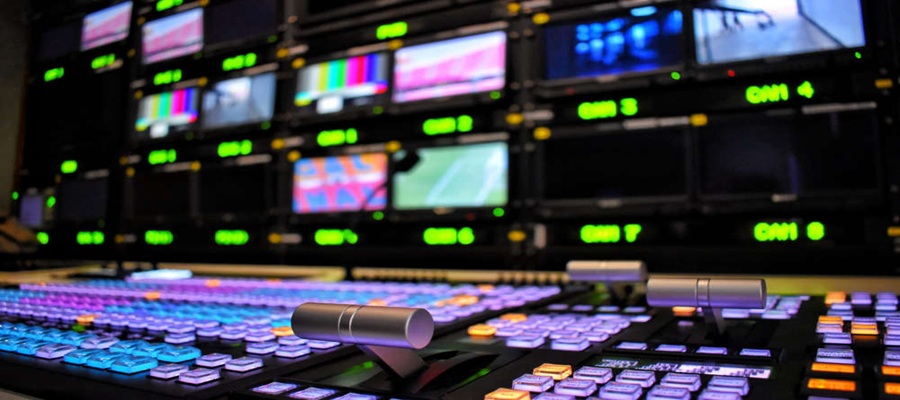
The Court of Appeal in Abuja has dismissed an appeal filed by the National Broadcasting Commission (NBC) challenging a Federal High Court judgment that restrained the commission from imposing fines on broadcast stations.

Delivering judgment, Justice Jane Esienanwan Inyang held that the appeal was fundamentally defective and therefore incompetent.
The appeal stemmed from a Jan. 17, 2024 judgment delivered by Justice Rita Ofili-Ajumogobia of the Federal High Court, Abuja, which barred the NBC from enforcing N5 million fines imposed on several broadcast stations in 2022.
The sanctions had been issued over allegations that the stations aired documentaries on banditry and insecurity considered by the commission to be capable of undermining national security.
The affected broadcasters included Multichoice Nigeria Limited, owners of DStv, TelCom Satellite Limited, Trust TV Network Limited and NTA StarTimes Limited.
The suit was instituted by Media Rights Agenda (MRA), which challenged the legality of the fines imposed by the commission.
In her ruling, Justice Inyang pointed to a discrepancy in the appeal documents, noting that the respondent before the Federal High Court was listed as the “National Broadcasting Commission,” while the notice of appeal identified the appellant as the “Nigerian Broadcasting Commission.”
According to the court, the inconsistency was substantial enough to deprive it of the jurisdiction required to entertain the appeal.
“The notice of appeal is the foundation of an appeal and a condition precedent to the exercise of appellate jurisdiction by this court,” the judge held.
Consequently, the appeal was struck out without consideration of the substantive issues raised by the commission.
The ruling represents another setback for the NBC in its efforts to defend its authority to sanction broadcast organisations through administrative fines.
In April 2026, the Court of Appeal similarly dismissed a separate appeal by the commission against another judgment that restricted its powers to impose fines on broadcasters.
Earlier, in May 2023, the Federal High Court in Abuja ruled that the NBC lacked the judicial authority to impose penalties on media organisations without recourse to the courts.
The controversy over the commission’s sanctioning powers dates back to March 2019 when the NBC imposed N500,000 fines on 45 broadcast stations for alleged violations of the Nigerian Broadcasting Code during the general elections.
At the time, the then Director-General of the commission, Is’haq Kawu, said the sanctions were imposed for ethical breaches and violations of broadcasting regulations.
Legal analysts say the latest judgment reinforces previous court decisions limiting the commission’s authority to impose fines on broadcasters without judicial intervention.


Nigeria has launched FreeTV, a broadcasting platform, designed to provide households across the country with free access to digital broadcasting, improved picture quality, and a wide range of local and international content without subscription fees.

The announcement was made in a post on the official X handle of the Presidency, describing the initiative as part of President Bola Ahmed Tinubu’s Renewed Hope Agenda, which prioritises inclusion, expanded access to opportunities, job creation, support for local enterprise and the use of technology to improve daily life for citizens.
According to the statement, FreeTV forms part of Nigeria’s Digital Switch-Over (DSO) programme and is intended to ensure that no Nigerian is excluded as the country transitions fully from analogue to digital broadcasting.
The platform will offer access to more than 100 national, regional and state-owned channels, covering news, sports, films, music, children’s programming, educational content, as well as dedicated Yoruba, Hausa and Igbo language channels.
The Presidency noted that the service will be accessible through satellite, terrestrial transmission and a dedicated FreeTV mobile application, enabling coverage for users in urban centres, rural communities and previously underserved areas that were not fully captured in earlier DSO pilot phases.
It also clarified that Nigerians will not need to purchase new television sets to access the service. Existing televisions can work with compatible DVB-T2 or DVB-S2 decoders, while users with already compatible free-to-air devices may not require additional equipment.
Speaking ahead of the launch, Charles Ebuebu, director-general, National Broadcasting Commission (NBC), said the initiative reflects the administration’s broader digital inclusion strategy.
“FreeTV speaks directly to President Bola Ahmed Tinubu’s vision of Renewed Hope towards expanding access, creating opportunity and ensuring that every Nigerian, regardless of location or income, can benefit from the digital economy. With FreeTV, families across Nigeria can enjoy quality digital television without a monthly subscription, while our local content producers, technicians and young creatives gain new platforms and new jobs,” he said.
The statement added that the platform will also strengthen Nigeria’s creative and broadcast industry through regional production hubs in Lagos, Abuja, Port Harcourt, Enugu, Kano and Benin, creating employment opportunities for content creators, editors, camera operators, sound engineers and other media professionals.
The Presidency further disclosed that the final analogue switch-off remains scheduled for December 31, 2028, urging Nigerians to begin preparations by confirming decoder compatibility and downloading the FreeTV mobile application ahead of rollout.

Stakeholders in Nigeria’s broadcasting industry have endorsed a hybrid digital broadcasting model that combines Digital Terrestrial Television (DTT), Direct-to-Home (DTH) satellite services, and digital application-based platforms for the country’s Digital Switch Over (DSO) programme,

The resolution was reached at a high-level stakeholder meeting convened by the National Broadcasting Commission (NBC) under the supervision of the Federal Ministry of Information and National Orientation at NICON Luxury Hotel, Abuja.
The meeting, chaired by Alhaji Mohammed Idris, minister of Information and National Orientation, brought together regulators, broadcasters, signal distributors, set-top box manufacturers, content producers, satellite operators, and industry associations to chart a sustainable path for Nigeria’s long-delayed digital migration project.
Addressing stakeholders during the closed-door engagement session, the minister described the meeting as a collaborative effort aimed at finding practical solutions to challenges facing the DSO project.
“This engagement is a family discussion aimed at finding practical solutions to ensure the success of the Digital Switch Over project. Government has no hidden agenda, and all decisions will be guided by national interest, stakeholder inclusion, and the long-term sustainability of the broadcasting industry,” he said.
The minister acknowledged concerns raised by industry players regarding stakeholder consultation and participation in previous phases of the project, noting that while broader engagement should ideally have commenced earlier, there remained an opportunity to build consensus and move forward together.
“While there may be differing views on implementation approaches, there is broad agreement that Nigeria must complete its digital migration journey. We must work collectively to achieve this national objective,” he stated.
Mr Charles Ebuebu, director general, NBC, described the stakeholder meeting as “iconic”, noting that it marked a turning point in Nigeria’s efforts to complete the digital migration.
He said the country had spent over a decade on the DSO journey, missing several deadlines, but expressed optimism that a clear implementation plan was now being developed.
Ebuebu said the commission, in collaboration with stakeholders, is working toward a sustainable model that ensures return on investment for industry players while delivering value to the nation.
He said that the outcome of the consultation process would produce a unified framework for implementation and communication going forward.
Mrs Jane Nkechi Egerton-Idehen, managing director, Nigerian Communications Satellite (NIGCOMSAT), said the DSO initiative forms part of broader federal interventions aimed at building a sustainable broadcasting ecosystem.
She explained that government investments had supported satellite coverage, national call centres, and regional production studios across the country.
According to her, the objective is to address gaps in content distribution and ensure that Nigerian broadcasting reflects the country’s linguistic and cultural diversity.
“We are not departing from the original plan. We are innovating on how it is implemented,” she said.
She also highlighted efforts to expand access to production facilities across geopolitical zones to support content creators and reduce dependence on major urban centres.
The meeting attracted 128 participants, including the Director-General of the NBC; Permanent Secretary of the Federal Ministry of Information and National Orientation, Dr. BRM Ukire; Director-General of the Nigerian Television Authority (NTA), Abdulhamid Dambos; Director-General of the Advertising Regulatory Council of Nigeria (ARCON), Dr Olalekan Fadolapo; Chairman of the Broadcasting Organisations of Nigeria (BON), Chief Tony Akiotu; Managing Director of NIGCOMSAT Ltd, Mrs Jane Nkechi Egerton-Idehen; and representatives of licensed broadcasters and other industry stakeholders.
During deliberations, stakeholders agreed that the DSO project remains both necessary and desirable for Nigeria, emphasising that the transition should prioritise national interest, industry sustainability, local content development, local manufacturing, and job creation.
Among the key resolutions reached was the affirmation that Digital Terrestrial Television (DTT) remains a critical component of the DSO framework and should not be discontinued. Participants also agreed on the need to reconstitute the DigiTeam implementation platform to provide a structured mechanism for consultation, collaboration, and industry participation.
Stakeholders further called for stronger engagement between regulators and industry players, with an agreement that stakeholder meetings would be held at least quarterly to ensure continuous alignment on implementation strategies.
The meeting also welcomed ongoing efforts by the NBC and ARCON to develop a sustainable business model aimed at improving audience measurement systems, strengthening advertising revenue generation, and enhancing the long-term viability of broadcasting organisations.
In addition, stakeholders were assured by NIGCOMSAT of the reliability of satellite infrastructure supporting the DSO platform.
The company disclosed that backup arrangements with alternative satellite operators were already in place to guarantee uninterrupted service and eliminate the need for subscriber dish realignment.
As part of the agreed next steps, the Federal Government, through the Ministry of Information and National Orientation, will reconstitute the DigiTeam stakeholder platform, while the NBC will continue consultations with set-top box manufacturers and other industry stakeholders to address concerns relating to existing investments and future participation in the digital broadcasting ecosystem.
The stakeholders expressed confidence that the renewed collaborative approach would accelerate Nigeria’s digital migration, improve broadcasting services, expand audience reach, attract investment, create jobs, and deliver greater value to Nigerian consumers.

Galaxy Backbone @ 20, Unveils New Identity

ALTON Backs CBN on Local Data Hosting Rule for Banks, Fintechs

MTN Nigeria Commits to Ethical Conduct with IFRS S1, S2 Compliance

NDPC to Review Data Law to Address AI, Privacy Concerns

FG Moves to End Double Taxation

CBN Extends PoS Geo-Fencing Enforcement Deadline to August 2026

London Strengthens Global Investment Ties with Africa @ First Ever London-Africa Business Summit

FG Targets Alleged N3tn Capital Flight, Opens Airtime Credit Market to Nigerian Fintechs

Japan, UNESCO Boost Digital Learning in 15 CoEs with Donation of ICT Equipment

African Electric Vehicle Platform Raises $215m to Scale Electric Mobility in Nigeria, Others




 Telecom3 days ago
TikTok, ICC Gather Nigeria’s Entrepreneurs to Drive Small Business Growth and Digital Transformation

 E-Business3 days ago
Payaza Launches AI-powered Storefront Platform to Drive Cross-border Commerce

 Telecom3 days ago
Nigeria Moves to End Solar Imports as NASENI, REA Seal Major Renewable Energy Deal

 Telecom3 days ago
How a New NITDA-TikTok Partnership Could Transform Thousands of Nigerian Businesses

 E-Business3 days ago
FG Bans Use of Gmail, Other Personal Emails for Civil Service Operations

 E-Financial3 days ago
NAICOM’s 18 Months Management Spill @ African Alliance Ends

 E-Financial3 days ago
Standard Bank Targets $15.4b SME Growth in Nigeria, Others with Trade Expansion Drive

 General News3 days ago
Indwelt Studios Seeks Increased Awareness @ World Sickle Cell Day