

Broadcasting
10 Ways to Make Sure Your Holiday Rental Stands Out

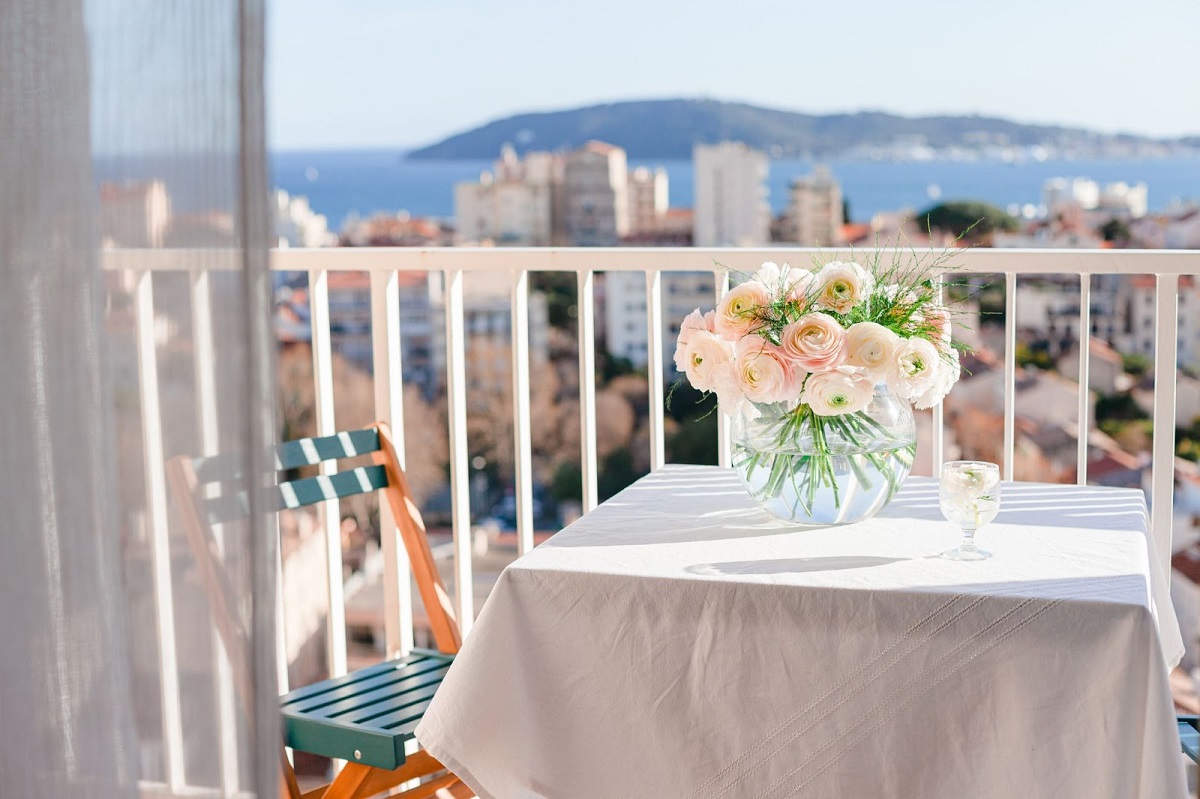
Anyone who owns a holiday home or flat would love to have it fully booked all through the year. With travelling abroad still seen as risky, many Nigerians will be holidaying locally during the coming holidays instead of going overseas.

How do you make your vacation rental stand out so that people notice it when they’re booking online? And, that once they’ve stayed there, they’ll love it so much they’ll definitely recommend it to others?
Ideally, you’ll want your holiday rental to grab attention, but also look like a welcoming space where people can relax and enjoy being together. You want every aspect of their stay there to ooze memories and good times.
First impressions count
The front of your holiday house is the first thing guests will see when they arrive, so it’s integral to make a great impression. A pretty welcome sign, the name of your holiday home or painting the front door a cheerful colour will all give an instant holiday vibe. Planting flowers, or having them in pots, at the front door will also create a welcoming feel.

A warm welcome
Have a welcome pack with a small selection of treats and visitor information waiting for guests upon their arrival. They’ll love it, and will remember it in their recommendations of your property to others. Fresh bread and milk in the fridge for the first night’s stay will be so appreciated, as will little touches like dog snacks for pet-friendly homes, and mini-toiletries in the bathroom.
Create a guide with expert tips on your area – great coffee spots, bakeries and delis, must-try restaurants and wine bars, shopping hotspots and touristy must-sees. A handy list of close by supermarkets, doctors and pharmacies will be convenient, too. Try an online design programme like Canva to put your guide together and make it look professional.
Nobody wants ordinary
When you’re decorating a space for holiday guests, it’s tempting to tone it down so that the décor will appeal to all, but remember that people want wow. Guests want a space that feels like a home from home but they’re also paying for an experience. Colour, beautiful art, a stand-out furniture piece, deep-pile rugs in the bedroom or a luxe addition like a log fireplace or a jacuzzi will be memorable (and romantic!). If your home is surrounded by beautiful scenery, invest in floor-length glass windows or doors for views that will really sell your holiday home. Never fall into the trap of choosing cheap décor items, or worse still, decorating a space with the things you don’t want at home. Old, cheap and boring are to be avoided at all costs. When people walk into your holiday rental they want to find the equivalent, or better, than what they have at home.
What guests want
Evaluate every part of your holiday space and think about what you can do to make your guests’ experience memorable. The living room must have a cosy place where they can relax and read a book or watch a movie and, if possible, a smart TV. In the kitchen, make sure there’s everything that guests need to easily be able to self-cater. If you can, add in luxe touches such as an espresso machine or a smoothie maker. It’s things like this people will tell their friends about.
Superior service
Holidaymakers want to relax and spend their time making fun memories, so make sure they get the time to do that at your rental by providing a cleaning service. Ad hoc bookings may mean you don’t need a regular service, so opt for one like SweepSouth, a handy on-demand home service that allows you to book reliable, trustworthy cleaners when you need them. Gardeners to spruce up your outside area, and even handymen to fix niggles can be booked on their Connect app, too.
Create a photo-worthy backdrop
People love taking photos of themselves in a beautiful holiday setting and sharing them with those back home. Create an appealing photo-worthy scene in one of the main living spaces. It can be a stylish area with smart wallpaper and an ornamental mirror, a serene space in the garden or quirky corner at the entrance featuring something that resonates with the location you’re in, like a local artwork or an attractive grouping of photos of local landmarks.
A bedroom sanctuary
Spending time and effort on making your master bedroom into a tranquil sanctuary is well worth it. You want a guest to feel pampered the moment they walk in and see plush pillows and plump quilts on a big, comfy bed that promises a fantastic night’s sleep. Buy the best mattress you can afford, and provide soft-to-the-touch quality linen and bedding. Make this haven of relaxation that much more luxurious with air-conditioning, block-out curtains or blinds, soft rugs and laundry hampers. Think about your guests’ expectations and exceed them.
Light it right
Done right, lighting can add so much to the feel of a room. Fabulous lamps or wall sconces in the bedroom, charming pendants in the kitchen and a large standing lamp in the sitting room will add real presence.
Outdoor delight
If you have an outdoor space, make it an oasis for guests to spend time in. Even small areas can be made delightful with the addition of water features, hammocks, daybeds and canopies. If you can care for it, plant a vegetable or herb patch that guests can help themselves to.
Photo perfect
Lastly, get great photos of your rental. When people scroll through listings on holiday accommodation sites, think about what your photos will look like and whether they’ll catch the eye of a holidaymaker, resulting in more bookings. It’s worth getting a professional in to take the shots when you first list.
The above pointers may require some spend, but they’re all features you can highlight when advertising your rental, and are therefore worthwhile investments.


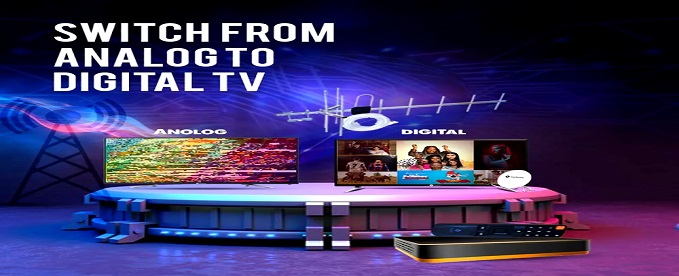
National Broadcasting Commission (NBC) has said that Nigerians will no longer pay annual Digital Access Fees under the renewed Digital Switch Over (DSO) project.

Charles Ebuebu, director-general, NBC, disclosed this in an exclusive interview with the News Agency of Nigeria (NAN) on Wednesday in Abuja,
Ebuebu said viewers only need to purchase an approved decoder and satellite dish which cost below N20,000 to enjoy free television permanently.
“Previously, users paid an annual digital access fee of about N1,500, described as an administrative charge.
“The new system removes that annual fee. It provides free access to free-to-air television channels without any payment.
“Premium channels will be introduced later. Viewers who want those additional channels will be able to access them through paid services.
“Nigerian content on free-to-air channels remains free to watch. Unlike Pay TV, this platform does not require monthly subscriptions for its basic service,” he said
Ebuebu said approved decoders for the FreeTV will cost less than N20,000 and authorised sales outlets will soon be announced.
He urged Nigerians to wait for official information on approved dealers for the DSO decoders, warning that unauthorised sellers are exploiting growing public demand.
He reiterated that people only need a free-to-air decoder, along with a satellite dish instead of the old antenna system to receive the DSO signal.
“Once the equipment is installed, viewers can access all available channels across the country without paying any subscription fees,” he stressed
The DG dismissed claims by some retailers that there are different categories of decoders sold at varying prices, stressing that such sellers are not authorised by the commission.
According to him, the NBC will soon publish the list of approved dealers, official prices, and locations where genuine decoder boxes and accessories can be purchased.
The NBC boss said the DSO project is designed not only to improve television broadcasting but also to stimulate economic growth by creating jobs, attracting investment, and opening up opportunities for businesses that support the broadcasting industry.
Ebuebu noted that content producers and broadcasters stand to benefit significantly from the nationwide reach of the DSO platform.
Unlike the previous system, where many stations had limited regional audiences, he said the new platform will make their channels available to viewers across Nigeria.
He added that the introduction of audience measurement technology will provide scientific and reliable data on television viewership.
Ebuebu added that audience measurement technology will give advertisers greater confidence in placing adverts and enable broadcasters to demonstrate the true size and reach of their audiences nationwide.
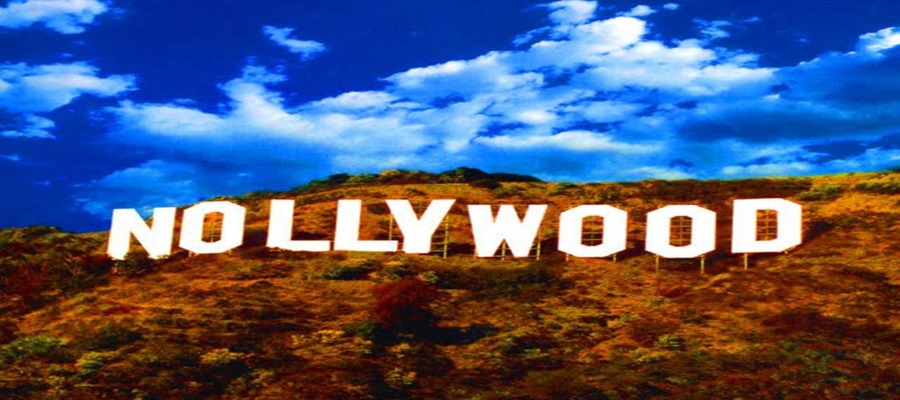
Uchenna Mbunabo, Nigerian filmmaker, has raised concerns over the alleged unauthorised broadcast of Nollywood films by some Ghanaian television stations, calling on Ghana’s National Film Authority (NFA) to strengthen the enforcement of copyright laws.

Uchenna Mbunabo, Nigerian filmmaker
Mbunabo made the remarks during a conversation with James Gardiner, deputy CEO of the National Film Authority (NFA) of Ghana.
He questioned whether it was permissible for television stations in Ghana to download Nigerian movies from YouTube and air them without obtaining permission from the producers.
“I noticed that Ghanaian TV stations, the way they are stealing our films and showing them for free with impunity. Is it legalised in your country for TV stations to go on YouTube, download people’s sweat and show it for free?”
According to Mbunabo, some Ghanaian television stations have been downloading newly released Nollywood films from YouTube and broadcasting them without authorisation, depriving producers of revenue generated through the platform.
He also stated that he had not witnessed Nigerian television stations engaging in similar practices and questioned what measures Ghana was taking to protect filmmakers’ intellectual property.
Responding to the concerns, Gardiner acknowledged that the issue exists and said the National Film Authority had begun engaging relevant stakeholders to address it.
He disclosed that the NFA has held discussions with the Ministry of Communications, the National Communications Authority (NCA) and the National Media Commission (NMC) on improving copyright enforcement.
Gardiner explained that while Ghana has copyright laws, enforcement remains challenging because many television stations now operate digitally and may not have physical offices within the country.
“There are copyright laws, but they are not effective because a lot of the TV stations don’t have offices. Most of them are now digital, so they operate from anywhere. They can even have a Ghanaian TV station but be operating from Austria simply because it is digital.”
He added that authorities are considering a new licensing framework that would require broadcasters to undergo a fresh licensing process to improve monitoring and enforcement.
According to Gardiner, television stations found guilty of illegally broadcasting copyrighted content would be required to compensate affected producers through fines.
He added that repeat offenders could face suspension of their broadcasting licences, while a third violation could result in the revocation of their licences.
Although he did not provide a specific timeline, Gardiner said the reforms were already underway and expressed hope that significant progress would be seen next year.
Mbunabo welcomed the proposed measures but urged the National Film Authority to expedite the process, stating that unauthorised broadcasts continue to affect filmmakers’ ability to recover production costs through legitimate distribution channels such as YouTube.
He also stressed that his comments were not directed at Ghana’s film industry, noting that he has worked with several Ghanaian actors over the years and supports collaborations between Nollywood and Ghallywood.
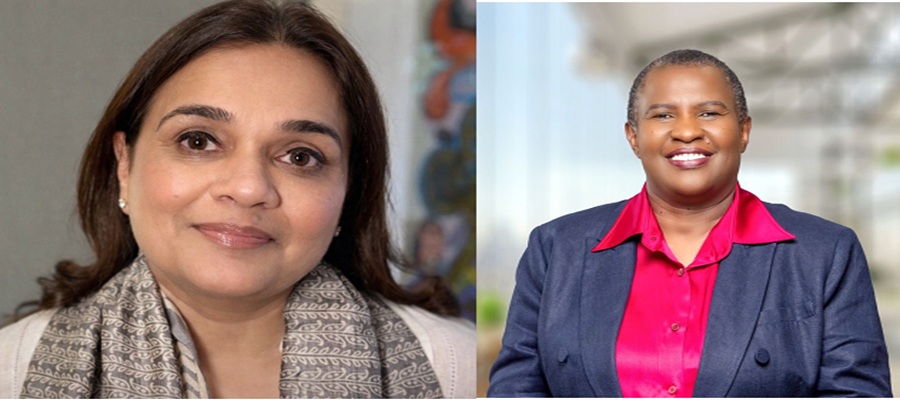


FAAN to Replace Physical ID Check with V-Pass Biometric Verification

World Bank Says 79 Percent of Nigerians Still Trapped in Poverty despite Reforms

SEC Begins Drive to Recover Unclaimed Dividends

ntel Plays Down Calls and Data Services, Moves to BET Agenda

Nigeria Facing Rising Cybercrime Losses – Report

NRC, Ponzi Scheme Collapses Resulting Loss of Billions of Naira

Nigeria Launches FreeTV Nationwide

NASENI Moves to Digitize CCB’s 5m Assets Declaration and Operations

Lebara Nigeria Launches Lebara Play, Africa’s First Telecom-Owned Micro-Drama Platform

CANAL+ Partners Samsung to Pre-Load DStv Stream on New Samsung TVs In Nigeria, Other African Countries




 E-Business3 days ago
TD Africa Sponsors Check Point Secure 360 Summit to Boost Cybersecurity in Nigeria

 Telecom3 days ago
MTN Foundation, MUSON Celebrate Emerging Music Talents at 2026 Graduation Ceremony

 News3 days ago
Guinness Rolls Out Nationwide Consumer Rewards Promotion

 Telecom3 days ago
NITDA Calls for Digital Infrastructure Expansion to Drive Nigeria’s Industrialisation

 E-Financial3 days ago
Next Currency Crisis May Turn $300Bn in Stablecoins into National Currencies

 E-Financial3 days ago
Gigbanc Nigerian Fintech Startup Closes Shop after 3 Years

 General News3 days ago
First Trustees Advocates Estate Planning as an Essential Tool in Every Wealth Creation Strategy

 Broadcasting3 days ago
Mbunabo, Nigerian Filmmaker Accuses Ghana TV Stations of Pirating Nollywood Films