

E-Business
Akwa-Ibom: From Smart City to Smart-State


Chris Uwaje
First, it is essential to state that Akwa Ibom was the first State in Nigeria to establish and enthrone a State Information (IT) Policy and created a Science and Technology Office at the Cabinet level – represented by a Commissioner.
True to type, the State has also become the first to appoint a full-fledged ICT professional as SSG. Indeed, the ‘first kid on the block’ concept in contemporary development is not new.
Chief Obafemi Awolowo applied it in 1955 when he enthroned ‘Free Education’ in the South-West and Bill Gates of MS and Steve Jobs of Apple PC applied it to fire and light-up the accelerated development of global ICT Ecosystem.
It was year 2003 – sitting on the dark windows of a Night Bus to Uyo – I headed into an adventure of the unknown. The mission was to explore the e-Readiness of Akwa Ibom State ICT development.
Oblivious of the challenges before me, delighting from the bus on arrival on the early morning the next day, I was welcomed by a refreshing breeze full of rich oxygen engulfed in a distant voice of ‘Welcome to Uyo’.
It was at that moment that I realized that my mission was to lay a foundation for ICT as the most strategic imperative for the sustainable development and competitiveness of the State in the very near future.
Today, that future is here – giving us the privilege to look back and advance our evaluation as proof of concept for assessing 21st Century development and growth at the State level. Before we evaluate the advantages of Akwa Ibom State as one of the very first to establish an IT Policy, let’s look at the future of ICT e-readiness of Akwa Ibom State in view of the current state of things.
Based on my assessment of the ICT landscape in Akwa Ibom 2016-2018, the state will be one of the most advanced ICT Smart-State in Nigeria and indeed perhaps the first to deploy Robots for Education, Health, State Security, Essential public service, etc for sustainable development (derived from her current advantages of small population of 5.4m, enormous resources and abundant intelligent pioneers with ‘Can-do Sprit’); Readiness for acceleration of robust ICT infrastructure development, with respect to State-wide Broadband Internet access, State of the Art Fibre Optics Network for state security and youth empowerment will unleash monumental innovation beyond basic imagination.
The State would harness the advantages of Internet of Things and Nano Technologies as diversification strategy of Akwa Ibom economy from Oil & Gas to Information Intelligence resources in preparation for Information Society (IS).
Before others States realize the ICT State of Things in Akwa Ibom, the environment would have propelled the State from the shadows of ‘Smart-City’ to the villa to the metropolis of Smart-States by 2030.
This would be actualized by intensifying AI and Machine to Machine (M2M) Solutions strategies and multiply the dividend to her people exponentially.
The secret of all these is hidden on the probability that the State government will promote the establishment State Innovation development Fund for Software Engineering Institutes (SDI), Code-accelerator based Education, Innovation Hubs, Critical Local Data centres, ICT Research Centres, etc – leading to position Akwa Ibom as the first destination for ICT Skill Resources and solutions to serve the nation and the ICT-hungry African market.
Today, as we speak, many States in Nigeria are yet to develop State ICT policy and their ICT development funding mechanisms are at the lowest bottom of the budget ladder. Flash back, the same scenario was experienced in 1955, when Chief Obafemi Awolowo established Free-Eduction in the South West Region of Nigeria, while others were asleep – making the South West the current leader in the statistical spread of those who can read, write and educated all through West Africa and beyond.
That is not all, the South West ICT agenda of empowering many millions of its citizenry with ICT competence of ‘how to code’ will further put the region many miles ahead of the others in the next decades. That is where Akwa Ibom will stand tall amongst equals in the emerging creative society. The State has done well in ICT spend and investment over the years.
Moving forward with the deserved appointment of Dr, Emmanuel Ekuwem – an exceptional IT Professional and renowned Tele Communications expert as the State Secretary of Government of Akwa Ibom State, the expectations are that Akwa Ibom State will undoubtedly become the first address for ICT knowledge advancement, solutions, services and creative dimensions for the sustainable future.
The current landscape ICT advantage of Akwa-Ibom State was conceptualised in 2003. This established the State Information Technology (IT) and Science and Technology (S&T) Policies respectively.
These sets of policy frameworks were aimed at: Creating knowledge and innovation clusters for strategic and sustainable development of the State. Retooling the workforce in readiness for e-Government programs designed to meet the basic and central needs of the State.
Finetuning leadership and governance operations. Discovering and enthroning new knowledge resources to serve core business–commercialisation activities.
Reposition the State’s ICT brand to engage national and International entrepreneurial and innovation culture. Engaging knowledge workers and core Stakeholders to relocate to the State for the real mission of adding sustainable value State development and prosperity.
In the beginning, the central goals include but not limited to the following: Transform Akwa Ibom through ICT. Conceptualize the establishment of Akwa Ibom State’s ICT Policy and premier Information and Communication Technology (ICT) Park as the central Hub and strategic platform for transforming and accelerating the development and advancement of new Knowledge Resources to empower existing start-ups, small and medium scale businesses and industries.
Apply R&D to understand and master the secrets behind accelerated ICT, future applications and related Technology development curves in innovation, electronics, advanced materials business and e-Government development. Develop and built new Entrepreneurs and Techno-preneurs Culture.
While wishing Akwa Ibom State well in pursuance of her sustainable ICT mission, there is need to invigorate and apply design-thinking process to accelerate Youth employment through ICT knowledge empowerment and the commercialization of innovative State technologies. Above all, there is need to improve and protect the State’s Critical ICT Infrastructure, business incubation, knowledge coaching, skills development, strategic relationship networks and access to capital.
For the records, Dr. Emmanuel Ekuwem shared the vision with professional advice at the founding stage of the State’s IT Policy. Those who were in the line of fire for actualizing the establishment of the foundation of Akwa Ibom State’s ICT vision and mission at the critical stage include but now limited to the followings: Obong. Victor Attah– First and Former Executive Governor of Akwa Ibom State.
Dr. Linus Asuqor First Commissioner for S &T, Chris Uwaje of Connect Technologies as Lead Consultant, Obong. Effangga, former PS of S&T. Prof. Ntuen (Department of Human Machine, North Carolina University, USA, Chief Ebitimi Banigo: Former Federal Minister for S&T, Prof. Akpan Ekpo , former VC of Uni Uyo, Yinka tanimowo, Gbenga Sesan as technical support and others too numerous to mention. Time for other States to learn ans share from Akwa Ibom’s ICT strategy and experience.


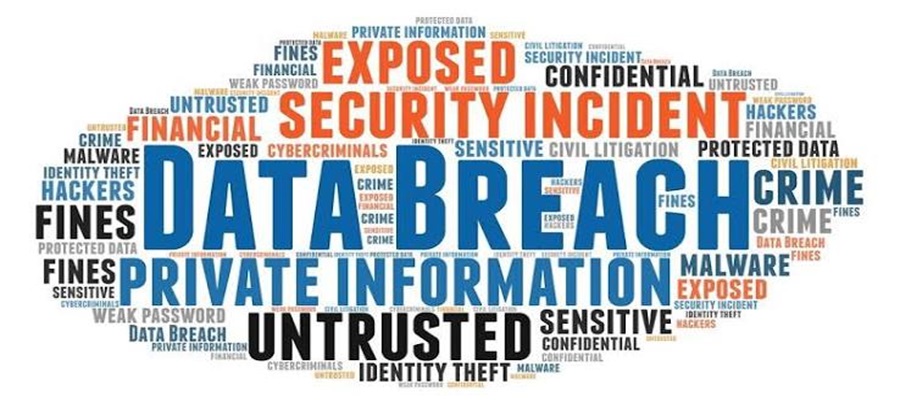
Nigeria’s weak data protection guardrails may undermine the recent directive by Central Bank of Nigeria (CBN) to banks, fintech firms, and other payment service providers to store payment transaction data generated within the country local servers.

CBN said that the new rule will start from January 1, 2027, as part of new measures to strengthen oversight of the fast-growing digital payments ecosystem.
This will also provide the country greater control over critical data infrastructure, allowing authorities to easily access records, conduct audits, enforce compliance, and investigate, especially in cases where criminal offenses are involved, reducing delays often caused by intermediation between local and foreign entities.
Apart from data sovereignty, the CBN added that moving transaction records from foreign servers will help drive investments in local data centers and cloud storage capacity.
Though reliable estimates are hard to come by, it is believed that Nigeria loses over N60 billion in hosting data in foreign servers.
But a coalition of civil society organizations (CSOs), has raised concerns over safety measures in place to protect data of Nigerians, despite having data protection laws in place.
The coalition, comprising Media Rights Agenda, Paradigm Initiative, Digital Rights Lawyers Initiative, and Accountability Lab Nigeria, among others, released the “Protected From the State, Not By It: Nigeria’s Data Protection Crisis Is a Crisis of Implementation,” where they criticized regulators’ failure to effectively enforce data protection laws, which led to rising cases of digital fraud and rampant illegal sale of sensitive information.
There have been leaks of sensitive voter, financial, and personal records.
For instance, there was alleged unauthorized access to the Continuous Voter Registration (CVR) database of the Independent National Electoral Commission (INEC) during a nationwide CVR exercise.
INEC earlier released the preliminary findings of its investigation into the matter, saying that it found no external breach of its systems and that the personal information of over 90 million registered voters was not compromised.
Despite this, CSOs argued that the incident underscored the lack of oversight, adding that it showed that while data privacy laws are in place, sensitive information can be easily moved from a secure government database and into the hands of private political entities.
The coalition also pointed out regulators’ failure to conduct human rights impact assessments on public surveillance systems before related programs were deployed, urging the government to act on these issues by subjecting public institutions to the same compliance requirements as private organizations.
“This is the asymmetry at the heart of the crisis: citizens are under-protected from data abuse and over-exposed to state monitoring and punishment,” the CSOs stated.
Additional report by coingeek

Visa, a multinational firm into payment card services says Artificial intelligence enabled scams have emerged as the fastest-growing source of consumer payment fraud globally as cybercriminals increasingly target people.

Visa stated this in its Mid-year 2026 Biannual Threats Report released on Wednesday in Lagos.
The report said scammers were increasingly using AI tools and social engineering tactics to manipulate consumers into authorising fraudulent payments themselves.Premier League Fixtures
It indicated that from July to December 2025, Visa identified nearly one billion dollars in scam-related activity, making scams the largest category of consumer payment fraud.
According to the report, fraudsters now impersonate trusted brands and institutions, create a sense of urgency and deceive victims into completing seemingly legitimate transactions.
The report said stronger network-level security had reduced opportunities for direct system compromises, forcing criminals to shift their focus to exploiting human trust.
It revealed that fraud involving device tokens declined by 9.6 per cent between July and December 2025, compared with the same period in 2024.
The report identified accelerating scams, growing use of AI in fraud, migration of attacks from technology to people, and evolving ransomware trends as key developments shaping payment security.
It stated that global ransomware activity rose by 26 per cent during the review period compared with the corresponding period in 2024.
However, only 23 per cent of ransomware victims paid ransoms, the lowest level on record, reflecting improved resilience and recovery capabilities, according to the report.
Commenting, Mr Paul Fabara, chief Risk and Client Services officer, Visa, said that payments at network level continued to get safer, but threats were evolving faster than ever
Fabara said criminals were increasingly using deception, urgency and AI-enabled tools to exploit trust, requiring stronger collaboration across the payments ecosystem.
Also, Andrew Uaboi, vice president and Cluster head, Visa West Africa, said AI had significantly lowered the barriers to entry for fraudsters.
“What once required deep technical skill can now be executed with a prompt,” Uaboi said.
He said intelligence-driven defence and coordinated action across the ecosystem were becoming increasingly critical to protecting consumers from emerging threats.

Kaspersky has released its Sustainability Report for 2024–2025, outlining how the company is working toward a safer and more resilient digital future.

The report reflects Kaspersky’s broader commitment to responsible business — protecting people and organisations from cyberthreats, supporting law enforcement cooperation, investing in secure technologies, and helping strengthen the digital resilience of societies and economies.
In 2024-2025, the company continued advancing digital sustainability and strengthening global cyber resilience, reducing thedisruption, financial losses and social risks caused by cyber incidents, and enabling safer and more stable conditions for digital adoption across economies and societies.
Over the period, the number of detected advanced persistent threat (APT) groups and operations has increased significantly — by 74% compared to 2023, supported by intelligence gathered through five dedicated Expertise Centers.
Building a safer cyberworld
A significant part of Kaspersky’s social impact comes from the company’s cooperation with global law enforcement agencies. During the reporting period, the company contributed to joint operations with INTERPOL and AFRIPOL that resulted in the arrest of more than 2,600 suspected cybercriminals.
From a sustainability perspective, this shrinks the opportunities attackers can exploit — making digital environments safer for governments, businesses and individuals, and lowering the long-term economic and social costs associated with cyber incidents.
During the reporting period, Kaspersky formalised its collaborations with AFRIPOL, signing a five-year cooperation agreement, and delivered cybersecurity training to law enforcement representatives from 23 African countries, covering the fundamentals of Security Operations Center (SOC) operations and advanced threat hunting techniques.
This capacity-building work has a compounding effect: as local teams become more capable of independently detecting and responding to threats, the overall resilience of the digital ecosystem increases, while the cost and duration of cyber incidents decrease over time.
Implementing future tech
To effectively protect people, businesses and public institutions from evolving cyberthreats, Kaspersky constantly improves its security solutions and conducts cybersecurity research to stay one step ahead of attackers.
In 2024–2025 the company was granted 155 patents, including 135 AI-related ones. Its global R&D team of around 3,000 employees also produced 373 research publications. Together, these efforts help advance the baseline of secure technologies available to the market.
This reduces systemic vulnerability in digital infrastructure and supports more stable technological adoption at scale.
Responsible innovation frameworks further reinforce this effect. By joining the European Commission’s AI Pact and supporting the UN Global Digital Compact, Kaspersky has aligned its development practices with emerging global governance standards.
This contributes to sustainability by helping reduce the risks of unsafe AI deployment, such as misuse, bias or system exploitation, which could otherwise undermine trust in digital transformation.
The company’s Cyber Immunity approach, implemented through KasperskyOS, adds another layer of long-term sustainability impact by shifting security from reactive protection to architectural resilience.
Instead of repeatedly patching vulnerabilities, systems are designed to be inherently resistant to compromise, which reduces maintenance overhead, lifecycle risk and resource inefficiency in securing digital environments.
Among the new product launches, the Kaspersky eSIM Store expanded the company’s offering beyond cybersecurity into mobile connectivity. By reducing reliance on physical SIM cards and making global mobile access more seamless, the solution supports more sustainable travel and digital lifestyles.
Together with that, Kaspersky also released Kaspersky Cloud Workload Security for protecting cloud workloads wherever they reside: on servers or virtual machines, or in private, public, or hybrid clouds, etc.
“At Kaspersky, we see cybersecurity not only as a technology issue, but as a social one. Every day, people rely on digital services to work, communicate, study, receive services and manage their lives and they need to be able to do this safely.
“That is why our sustainability agenda starts with our core expertise: protecting people, organisations and critical systems from cyberthreats. But it also goes further — through responsible innovation, transparency, partnerships and support for communities.
“This report shows how our technologies, research and cooperation with partners translate into practical impact: fewer risks, stronger resilience and a safer digital environment for everyone,” said Maria Losyukova, Head of ESG & Sustainability at Kaspersky.

FCMB Turns Normal Banking into Rewards with New Mobile App Upgrade

Despite Warnings, FG Draws Down $1.5Bn as First Tranche of FAB $5Bn Loan Deal

PalmPay Strengthens Data Protection Culture with Employee Privacy Workshop and Privacy Champions Programme

Paystack Unveils AI-powered Payments Tools

NRS, CITN Deepen Partnership to Strengthen Tax Awareness

CBN Extends PoS Geo-Fencing Enforcement Deadline to August 2026

London Strengthens Global Investment Ties with Africa @ First Ever London-Africa Business Summit

FG Targets Alleged N3tn Capital Flight, Opens Airtime Credit Market to Nigerian Fintechs

Mobile Internet Gender Gap Widest in Africa – GSMA

Japan, UNESCO Boost Digital Learning in 15 CoEs with Donation of ICT Equipment




 E-Business3 days ago
Privacy Crisis May Undermine Local Hosting of Data by Banks, Fintechs

 Telecom3 days ago
NITDA Unveils Bold Vision to Make Nigeria an AI Powerhouse

 Telecom3 days ago
GSMA Launches Global Satellite Regulatory Playbook to Help Policymakers Build Future-Ready Connectivity Frameworks

 Telecom2 days ago
6 Easy Ways to Enjoy the 2026 World Cup with Google and Gemini

 General News3 days ago
Nestlé Commits to Boosting West Africa Solar Rollout Through Partnership

 E-Business3 days ago
How to Build a Safer Cyberworld for People, Business, and Society

 E-Business3 days ago
AI-Powered Scams are Biggest Payment Fraud Threat -Visa Report

 Telecom3 days ago
Airtel Africa Foundation Launches Airtel Green Schools to Promote Sustainability Education in Nigeria