

Broadcasting
Afreximbank Pledges Financial Support Nigeria’s DSO Project

The African Export-Import Bank (Afreximbank) has said that it will put up a financial mechanism to ensure the completion of Nigeria’s Digital Switch Over (DSO) project before the end of the year.

According to NAN, Benedict Oramah, Afreximbank president, disclosed this in Cairo, Egypt, when Lai Mohammed, minister of Information and Culture, led a team of DSO stakeholders on bilateral discussions on the project.
In April 2021, the National Broadcasting Commission (NBC) launched free set-top boxes as part of the digital switchover (DSO) in Lagos.
The initiative was to enable millions of Nigerians who cannot afford the subscriptions of Pay-TV platforms to enjoy digital television with good content from 60 channels.
Oramah said Afreximbank was impressed by the presentation and will make Nigeria a model for other African countries for DSO project financing.
“The move toward digital television is global, and it was impressive to see the seriousness with which the minister has been pursuing this,” he said.
“I have had several meetings with him in France, Nigeria, and he has come here with a very powerful delegation involving all the stakeholders.
“What we are looking out to do is to work with all the stakeholders, particularly the private sector, to put a financing mechanism in place to ensure that Nigeria saves more than $400 million of subsidy that would have been applied.
“When we are able to do this before the end of the year, the Nigerian government will benefit because we are going to free the spectrum that will be now sold for about two billion dollars to telecommunication companies.
“We assure you that we will put in place the financial structure that will work because we know that if we do it well in Nigeria, other African countries pursuing the same goal will take a cue from there.”
Oramah added that supporting the DSO project would create a platform that would accelerate the growth of Nigeria’s creative industry.
On his part, Mohammed noted that the creative industry is key in the diversification of Nigeria’s economy because, after agriculture, it employs a larger number of people, mostly women and the young population.
He said the project would also bridge the digital divide by establishing more equitable access, connecting the unconnected at the underserved and remote communities.
The minister recalled that at the beginning of the programme, the model adopted by the government, which was subsidy driven was not sustainable.
“When the programme started, government subsidised the STB, which was bought from the manufacturers for $30 per box and sold to consumers at $10 per box,” he said.
“Government was also paying the signal distributors and the middleware providers, but the subsidy regime can no longer be sustained.
“Right now, the government is not going to give any financial support again to the project, and that is why we have reengineered and rejigged the programme in a manner that it will be commercially viable.
“Government will only give support to the project in the areas of regulations, advocacy and formulation of policies.
“For instance, we have already amended the Broadcasting Code to protect local manufacturers, advertisers, and channel owners.”
Godfrey Ohuabunwa, chairman of STB Manufacturers in Nigeria, who presented the credit requirement to the Afreximbank, said they would require a total of $165 million.
According to him, $125 million is expected to fund an initial five million STB from the total of 20 million boxes needed in five years.
He said the signal distributors would require $30 million as well as $10 million for marketing and promotion.


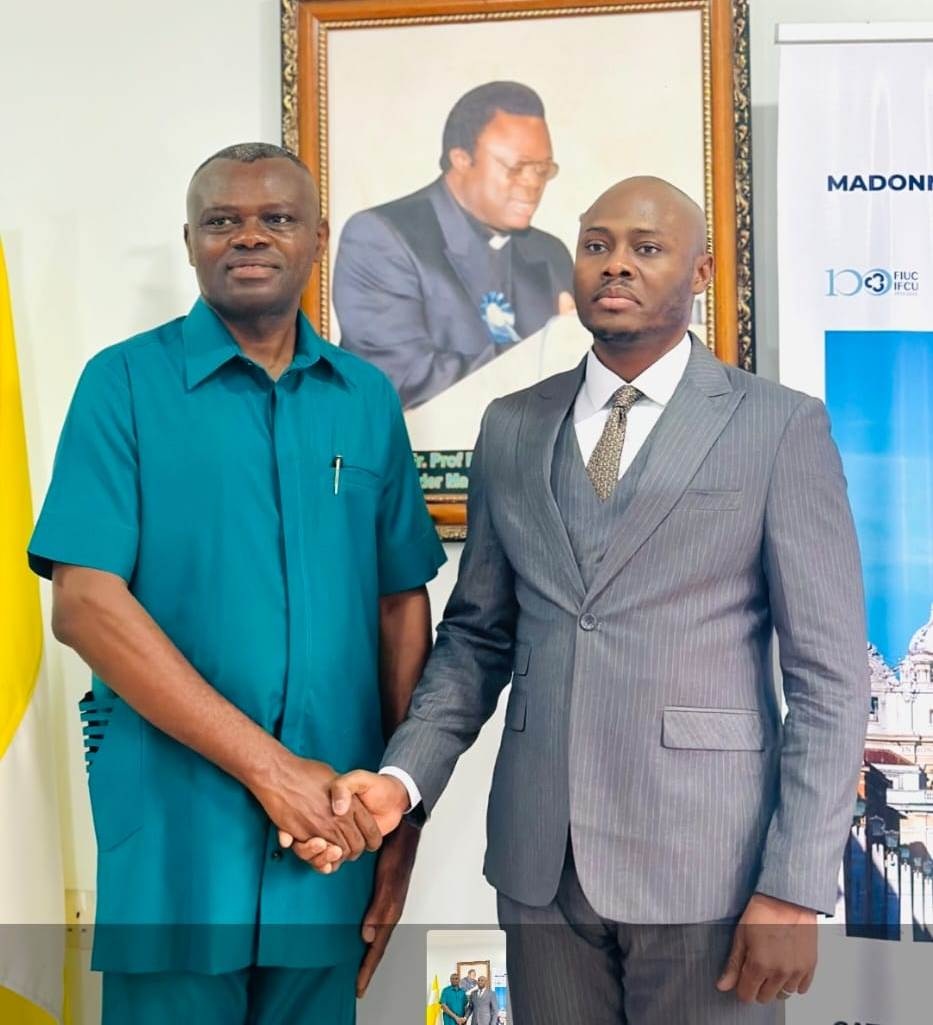
Technology strategist Rock Adote has been appointed to the Board of Trustees of Madonna University Nigeria, a move expected to strengthen the institution’s push toward digital governance and modern technological systems in higher education.

Madonna University
Adote, who has built a reputation in cybersecurity, enterprise identity management and digital transformation, brings over a decade of experience in designing secure digital infrastructure and managing identity systems for organizations.
Stakeholders believe his expertise will support the university’s efforts to strengthen data security and modernize its academic and administrative digital frameworks.
The appointment reflects the university’s growing commitment to technology-driven leadership as institutions increasingly rely on digital systems for academic operations, data management and research collaboration.
Universities today manage large volumes of sensitive digital information, including student records, research data and staff credentials, making strong cybersecurity and identity management frameworks essential.
As a member of the Board of Trustees, Adote will participate in providing institutional oversight and guiding strategic policy direction for the university.
The board is responsible for safeguarding academic standards while steering long-term development initiatives and ensuring the institution remains responsive to evolving global trends in education and technology.
Industry observers say Adote’s background in enterprise digital systems positions him to contribute significantly to the university’s digital transformation agenda, particularly in strengthening technological resilience and governance frameworks across its operations.
Other newly appointed members of the board include Sir Nwagwu Aloysius Emeka, Chief Arthur Obi Okafor (SAN), Professor Anagboso Martin Osita, Mrs. Ike Angela Unaoaku, Barrister Augustine Nenwa Obo and Rev. Fr. Stephen Ifeanyichukwu Nwatah.
Speaking on the appointment, Adote expressed appreciation for the opportunity to serve, emphasizing the importance of aligning higher education institutions with emerging technological realities.
According to him,
“Digital transformation will play a crucial role in shaping the future of academic administration, research and learning environments”.
Analysts note that the inclusion of technology leaders in university governance structures signals a growing recognition that digital transformation is becoming central to the competitiveness and sustainability of modern higher education institutions.
With Adote’s appointment, Madonna University is expected to further strengthen its technology strategy and position itself as a forward-looking institution within Nigeria’s higher education landscape.

By: Kerissa Varma, Microsoft Chief Security Advisor, Africa
Africa’s healthcare sector is facing a silent emergency. Many healthcare operators, facilities and doctors across Africa already grapple with the challenges of under-resourced environments, an uneven distribution of resources and massive demand for services.

Kerissa Varma, Microsoft Chief Security Advisor, Africa
Now healthcare administrators must turn their attention to a relatively new and extremely urgent concern. While doctors fight to save lives, cybercriminals are infiltrating hospitals, laboratories, and clinics, turning life-saving environments into digital battlegrounds.
A growing epidemic
World Health Organisation director-general Tedros Adhanom Ghebreyesus noted that the digital transformation of healthcare, combined with the high value of health data, has made the sector a prime target for cybercriminals, commenting that “At best, these attacks cause disruption and financial loss. At worst, they undermine trust in the health systems on which people depend, and even cause patient harm and death.”
Recent attacks have exposed the fragility of Africa’s medical infrastructure. In May 2025, Mediclinic Southern Africa was hit by a cyber extortion attack, compromising sensitive HR data. Later in 2025, Lancet Laboratories faced a regulatory penalty for failing to notify patients about data breaches under South Africa’s POPIA law, while a ransomware strike on the National Health Laboratory Service disrupted blood test processing nationwide, delaying critical care for millions.
M-Tiba, a Kenyan digital health platform managed by CarePay and backed by Safaricom, suffered a significant cyberattack and data breach in late 2025, while earlier this year Pharmacie.ma, a Moroccan pharmaceutical platform, was reportedly the target of an alleged data leak incident that allegedly involved the unauthorised export of a customer database. And recent research indicates that Nigeria’s private healthcare sector is now one of the most targeted on the African continent, with attacks increasing at an alarming rate.
Many incidents also go unreported, as hospitals and healthcare facilities rarely disclose them publicly, yet these incidents are not isolated, with ransomware dominating the threat landscape. Africa’s healthcare sector is heavily targeted by cybercriminals, with healthcare organisations facing an average of 3,575 weekly attacks in 2025, a 38% surge from the previous year, with encryption of patient data, temporary loss of access to hospital systems and the risk of data appearing on the dark web cited as potential impacts.
Why healthcare is a prime target
The healthcare industry in Africa, particularly in the public sector, is working with legacy systems, fragmented infrastructure, and underfunded IT teams, all of which combine to make the sector an easy target for unscrupulous bad actors.
Many medical institutions are adopting open-source AI tools for diagnostics and patient management. While cost-effective, these platforms often lack enterprise-grade security, leaving sensitive data exposed. Combined with fragmented storage of paper and electronic patient records – often unencrypted and scattered across multiple systems – the risk of breaches multiplies.
Hospitals and healthcare facilities cannot afford downtime. Every minute offline risks lives, making them more likely to pay ransoms in an attempt to regain control of their systems. Cyber insurers indicate that in 2 of 5 cases of a ransom being paid, data and operations still cannot be recovered. Additionally, in instances where some or all of the seized data is recovered after paying a ransom, the attacker goes on to request further payments.
Medical records are also a premium target for cybercriminals. In the USA, researchers found that patient records, insurance details, and research data fetch premium prices on the dark web – up to 10 times higher than financial data, according to cybersecurity analysts. A single stolen medical record can sell for $260–$310, compared to $30–$50 for a credit card, because unlike credit cards, medical records never expire and medical information cannot be easily changed, making it useful for years. Medical records frequently include personal identifiers, insurance details, and sometimes biometric data, enabling identity theft and fraud, while criminals use medical data for fake insurance claims, prescription fraud, and targeted scams. Microsoft believes cybersecurity needs to be embedded into every technology implementation. This should be a key priority, especially with sensitive medical data and operations.
How healthcare can use modern technology safely
As Africa’s healthcare systems digitise and embrace AI, protecting the digital lifeline must become as critical as protecting the physical one. Key steps can secure healthcare organisations and facilities like laboratories and diagnostic services’ systems.
Include cybersecurity in your resilience planning
Medical professionals and healthcare facilities often prioritise the resilience of physical capabilities. Power backups, multiple devices should equipment fail, and a standby roster in the event of a practitioner being unavailable are all practices that save lives. Equally cybersecurity and safeguarding online systems needs to be built into the overall resilience planning of medical facilities and services.
Investing in cybersecurity technology that can quickly identify and contain attacker activity before it leads to system downtime or data theft can save lives. Having a response plan that is practiced and maintained in the event of a cyber breach and ensuring strong data backups could mean the difference between a total failure of health services or a minor incident. Ensuring incident response plans are aligned with local compliance laws such as South Africa’s POPIA, and Kenya and Nigeria’s Data Protection Acts is critical for healthcare providers to meet both their resilience and compliance objectives.
Prepare for AI-driven attacks that are going to increase attacker speed and success
Threat actors are increasingly exploiting the interconnectedness of modern software ecosystems and operational structures to conduct malicious activity, so regular auditing of third-party integrations, especially those involving AI or cloud services, is critical.
Adversaries are using AI to scale and tailor operations, with AI-driven phishing being 4.5x more effective than traditional phishing. However, in equal measure, AI is transforming cyber defence – it automates response and containment, detects threats faster and more accurately, and identifies detection gaps and adapts to attacker behaviour. Healthcare organisations should invest in AI-driven threat detection for faster response and anomaly detection and must also take steps to secure AI models and data pipelines by implementing robust access controls, vulnerability scanning, and regular patching for open-source tools.
Remote and wider access to patient records requires strong identity practices
As both patients and medical professionals start accessing patient records digitally, strong means of identification, verification and authentication are critical. The Microsoft Digital Defense Report 2025 notes that the abuse of valid accounts is a frequent occurrence, with malicious actors gaining access to user credentials (usernames and passwords) and using them to infiltrate systems without triggering traditional security alerts. Therefore, organisations must deploy phishing-resistant multifactor authentication (MFA) and conditional access to strengthen user defences.
Invest in people and skills
People are at the heart of robust cybersecurity measures, so it is vital to train staff against common tactics such as phishing, which is the most common entry point for attackers, and apply role-based access controls for both clinical and research data to prevent privilege misuse.
Cybersecurity is no longer an IT issue – it’s a patient safety issue. Healthcare services and providers must treat digital resilience with the same urgency as infection control. By investing in comprehensive cybersecurity strategies and leveraging AI-powered defences, Africa’s healthcare sector can position itself as a crucial front line against emerging threats and help build stronger, more resilient digital ecosystems.


Globally recognized South African actress Nomzamo Mbatha will feature on this week’s edition of African Voices Changemakers, the 30 minute show on Cable News Network International (CNN).

In this episode of the Glo-sponsored programme, Mbatha sits down with CNN’s Larry Madowo for an exclusive conversation while filming the final season of the hit television series Shaka iLembe. The interview was recorded at the historic Cradle of Humankind outside Johannesburg, where she reflects on her career and the legacy she hopes to build beyond the screen.
As her international profile continues to rise, Mbatha has appeared in two Hollywood productions and was named to the prestigious TIME100 Next list in 2025, which celebrates emerging global leaders shaping the future. She is also making strides in the beauty industry as the first South African woman to secure endorsement deals with global skincare brand Neutrogena and haircare brand Cream of Nature.
Mbatha also shares the cultural importance of Shaka iLembe, her journey from South Africa to the global stage, and why giving back remains central to the enduring contribution she aims to leave behind.
The programme will air on Saturday at 8.30 a.m., with additional broadcasts at 12.00 p.m. the same day; Sunday at 4.30 a.m. and 6.00 p.m.; Monday at 3.00 a.m. and 5.45 p.m.; and Tuesday at 5.45 p.m. It will also air again on Saturday, March 14 at 7.30 a.m. and 11.00 a.m.; Sunday, March 15 at 3.30 a.m. and 6.00 a.m.; and Monday, March 16 at 3.00 a.m.

How Africa Can Turn the AI Wave into Inclusive Growth

CBN Directs Banks to Activate Anti-Money Laundering Systems

FG to Connect Schools Nationwide to Internet – Education Minister

FG Moves to Strengthen Children’s Online Safety

WhatsApp Launches Parent-managed Accounts for Pre-teens Amid Safety Concerns

Dr. Cairo Ojougboh Foundation Bolsters Nigeria’s Education Drive with ₦2.7m Student Support

Kaspersky Brings more Transparency to Threat Detection with New Hunt Hub

Kaspersky Discovers New Phishing Campaign Exploiting Google Tasks Notifications to Steal Corporate Credentials

esentry 2025 Report Shows Healthcare, Financial Services and Telecoms as Staging Grounds for Increased Cyberattacks in Africa

AfDB, UNDP Launch $10Bn AI Initiative for Africa




 General News2 days ago
Zedvance Hits ₦96bn Lending Milestone, Eyes ₦250bn Target in 2026

 Broadcasting2 days ago
Madonna University Taps Tech Guru Adote for Strategic Board Role

 News2 days ago
Another Oil Boom: Will Nigeria’s Government Turn Windfall into Growth or Squander it?

 Telecom2 days ago
Starlink Rolls Out V2 Satellites for Direct 5G Connectivity to Smartphones, Eyes Nigeria’s Rural Gaps

 Telecom2 days ago
Education Priorities to Help Young People Shape Africa’s Future

 E-Financial2 days ago
First Asset Management Secures Ratings Upgrade

 Telecom1 day ago
US Court Dismisses All Claims Against Binance in Major Anti-Terrorism Lawsuit Victory

 Broadcasting2 days ago
Healthcare Under Attack: Why Cybersecurity is Now Critical Care